A buyer-focused framework for evaluating whether a branded or design-led South Florida residence can preserve its pricing power beyond the launch cycle.
In South Florida luxury real estate, the branded residence has evolved from novelty into a serious asset class. In 2026, the more important question is not whether a residence carries a recognizable name. It is whether that name can continue to command preference after the sales gallery closes, the initial press cycle fades, and comparable inventory begins competing for the same buyer.
Brand premium durability is the ability of a residence to preserve a pricing advantage over time because the brand promise remains visible in daily life. That promise may appear through architectural clarity, hospitality-level service, culinary identity, wellness discipline, design authorship, privacy, or a specific social code. If the brand is only a logo on the entry canopy, the premium is fragile. If the brand shapes the arrival sequence, staff training, finishes, amenity programming, resident experience, and resale narrative, the premium rests on a stronger foundation.
For the ultra-premium buyer, underwriting should be both emotional and technical. A home must feel rare, but it must also withstand scrutiny. The strongest residences combine location, product quality, management credibility, and a buyer universe deep enough to support future liquidity.
Recognition is broad. Relevance is specific. A name may be globally known and still have limited resonance for the buyer pool that will ultimately support values in Brickell, Surfside, or a quieter waterfront enclave. The underwriting exercise begins by asking what the brand means to the next buyer, not only to the first buyer.
A fashion brand may signal design confidence and social visibility. A hospitality brand may imply service fluency and operating discipline. A wellness brand may appeal to a buyer who wants daily programming rather than occasional amenities. A legacy architectural or design association may matter most to collectors who value authorship and proportion. None of these categories is automatically superior. The test is whether the brand’s core identity is legible in the residence itself.
A durable premium usually has a clear answer to one question: what does this building do better because of the brand? If the answer is vague, the buyer should underwrite the premium conservatively.
In 2026, sophisticated buyers should treat service as part of the real estate. A brand premium can weaken when a residence is delivered beautifully but operated generically. The front desk, valet, housekeeping coordination, spa protocols, food and beverage access, maintenance response, and resident communications all influence whether the brand remains credible.
The operating model deserves the same level of review as the floor plan. Who controls standards? How is staffing funded? What happens if service costs rise? Is there a clear structure for keeping the residential experience aligned with the brand? These questions matter because a residence is not a static object. It is a daily performance.
For investment buyers, this is particularly important. A premium paid at purchase must be defensible at resale. Future purchasers may not pay for a name alone, but they may pay for a consistently executed lifestyle that is difficult to replicate.
Brand durability is never independent of place. In Brickell, the premium may depend on whether the residence offers calm, privacy, and service above a dense financial and lifestyle district. In Surfside, the buyer may judge the premium through discretion, beachfront restraint, architectural integrity, and a sense of separation from more commercial energy. In an oceanfront setting, the view corridor, arrival experience, building depth, and relationship to the sand may matter as much as the brand itself.
A strong brand cannot rescue a compromised site. It can, however, sharpen the value of an exceptional one. Buyers should ask whether the brand and location are naturally aligned. A high-service concept can feel persuasive in a vertical urban environment. A quieter design-led identity may have greater staying power where privacy and low-key refinement dominate the buyer psychology.
This is why the same brand premium may not transfer evenly across South Florida. A concept that feels powerful in Miami may read differently in Palm Beach, Fort Lauderdale, Boca Raton, or a smaller island market. Underwriting should be local, not generic.
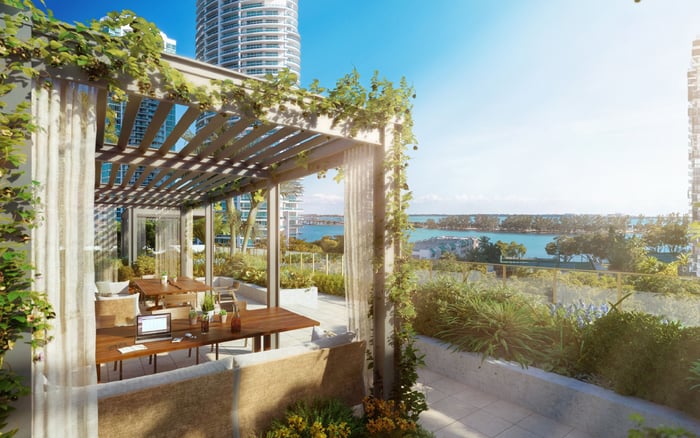
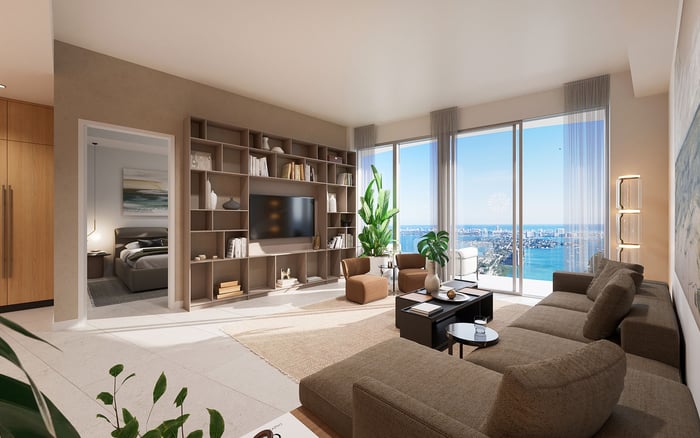
A brand premium becomes durable when architecture gives it evidence. Ceiling heights, glazing, private elevator entries, outdoor depth, material selections, kitchen systems, bathroom proportions, acoustic control, and the quality of the balcony all tell the buyer whether the residence is genuinely premium.
The penthouse buyer is especially unforgiving. At the top of the market, a brand may open the conversation, but architecture closes it. Overscaled terraces, intuitive entertaining spaces, service corridors, guest privacy, art walls, and primary suite separation can matter more than decorative flourish. If the plan is ordinary, the premium becomes harder to defend.
New-construction buyers should also look beyond the finish package. The most enduring residences tend to have bones that can remain relevant through design cycles. A fashionable palette may age, but proportion, light, privacy, and flow continue to matter.
Amenities should be underwritten for behavior, not brochure language. A long list of spaces does not automatically create value. Durable premiums emerge when amenities are properly sized, well managed, and used by the residents they are meant to serve.
The key is coherence. Does the wellness program support daily routines? Does the pool environment match the buyer profile? Are private dining rooms operationally practical? Is the children’s space appropriate for the building’s likely families? Are pet services meaningful or merely nominal? Are work lounges acoustically and visually considered?
A brand can add value by curating these decisions. It can also dilute itself if every amenity feels interchangeable with the broader luxury market. The best amenity programs feel inevitable, as if no other building could have organized them in quite the same way.
A premium residence must be protected after delivery. Governance determines whether the building can maintain its standards without becoming economically inefficient or politically fragmented. Buyers should review the association structure, maintenance responsibilities, reserve philosophy, rental rules, brand relationship, and any service agreements that shape future costs.
The most refined buildings are not always the least expensive to operate. The question is whether the expense supports durable value. Underfunded service can erode the brand experience. Overbuilt service can pressure owners who do not fully use it. The better underwriting approach is to align fees with the building’s promise and the likely expectations of its buyer base.
Rental policy also matters. A residence designed for permanence and privacy may lose some pricing power if usage patterns feel transient. Conversely, certain buyers may value flexibility. There is no universal answer, but the policy must match the brand story.
The final underwriting test is resale. A buyer should identify who will want the residence later and why. Is the next buyer local, domestic, international, seasonal, or relocating full time? Will the residence compete against newer branded inventory, boutique waterfront buildings, single-family homes, or legacy trophy condominiums?
Durability improves when the buyer pool is broad but still discerning. Too narrow a concept can create scarcity, but it can also limit liquidity. Too broad a concept may sell quickly at launch, then struggle to preserve distinction. The ideal position is precise enough to feel special and practical enough to attract multiple future buyers.
In 2026, the strongest underwriting posture is disciplined enthusiasm. Pay for a brand when it enhances the site, improves the product, governs the service, and clarifies the resale narrative. Discount the premium when the name is louder than the residence.
What is brand premium durability? It is the ability of a branded residence to maintain a pricing advantage over time because the brand continues to improve the lived experience.
Is every branded residence worth a premium? No. The premium is strongest when the brand visibly affects design, service, governance, and buyer demand.
How should I compare two branded residences? Compare the site, floor plan, operating model, service standards, fees, and likely resale audience before comparing the names.
Does Brickell require a different underwriting lens? Yes. Brickell buyers often place special value on privacy, service, access, and calm within a dense urban setting.
Why does Surfside underwriting feel different? Surfside often rewards discretion, beachfront quality, proportion, and a quieter expression of luxury.
Should oceanfront always command the strongest premium? Not automatically. View quality, building depth, privacy, access, and long-term maintenance all affect the value of an oceanfront premium.
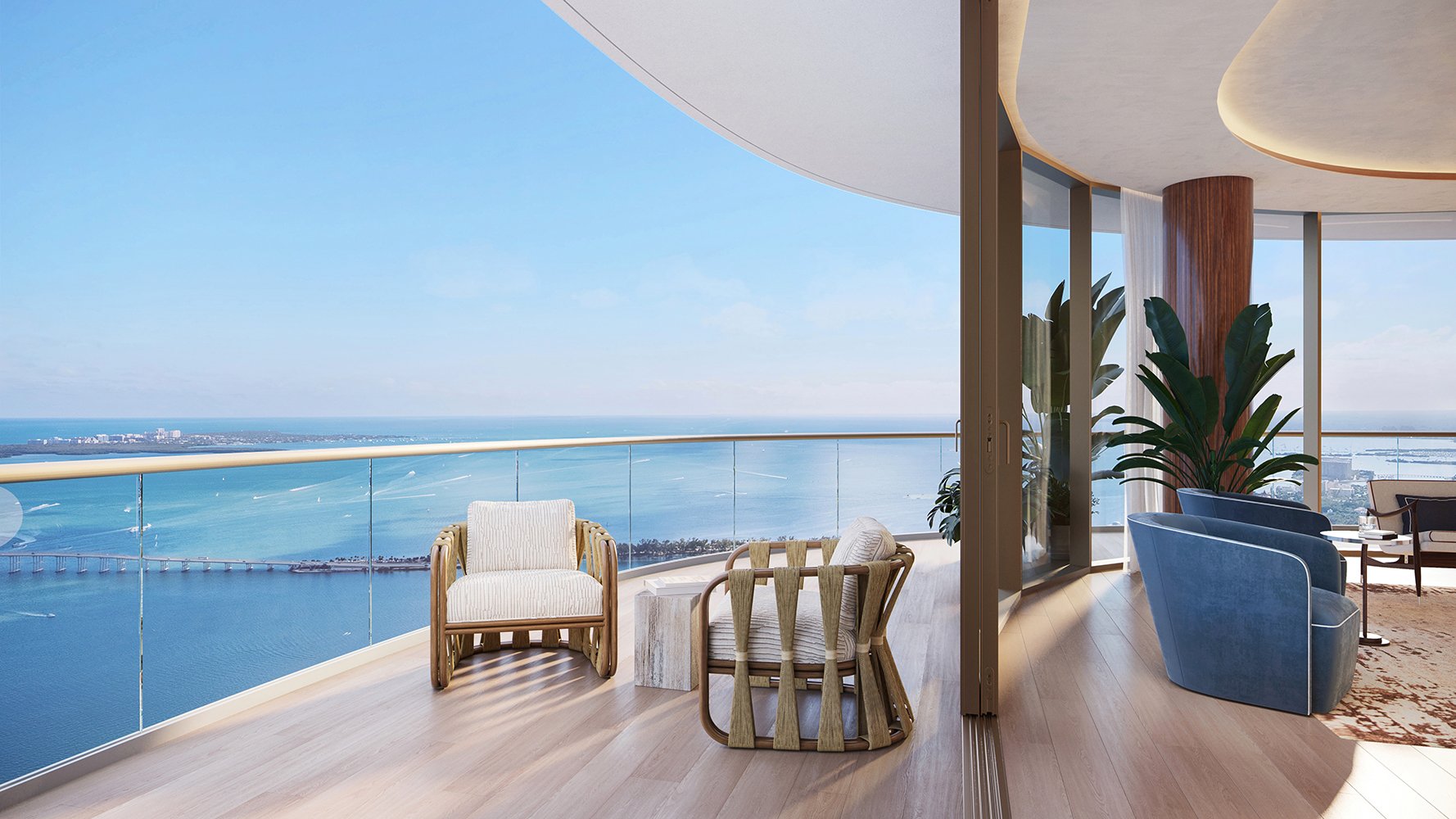
How important is the balcony in South Florida? Very important. Outdoor depth, usability, privacy, and orientation can materially influence daily enjoyment and resale appeal.
Are penthouse premiums more durable? They can be, but only when the plan, views, ceiling heights, terraces, and privacy justify the scarcity narrative.
What should investment buyers watch most closely? They should focus on exit liquidity, operating costs, rental rules, service consistency, and the depth of the future buyer pool.
What is the best way to shortlist comparable options for touring? Start with location fit, delivery status, and daily lifestyle priorities, then compare stacks and elevations to validate views and privacy.
When you're ready to tour or underwrite the options, connect with MILLION.
If branded residences are on your mind — as a home or as an allocation — we would be glad to share what we are seeing, privately.
Begin a quiet conversation