A buyer-focused editorial on why building culture, daily rhythm, privacy, and long-term livability make Muse Residences Sunny Isles Beach a meaningful consideration for full-time owners.
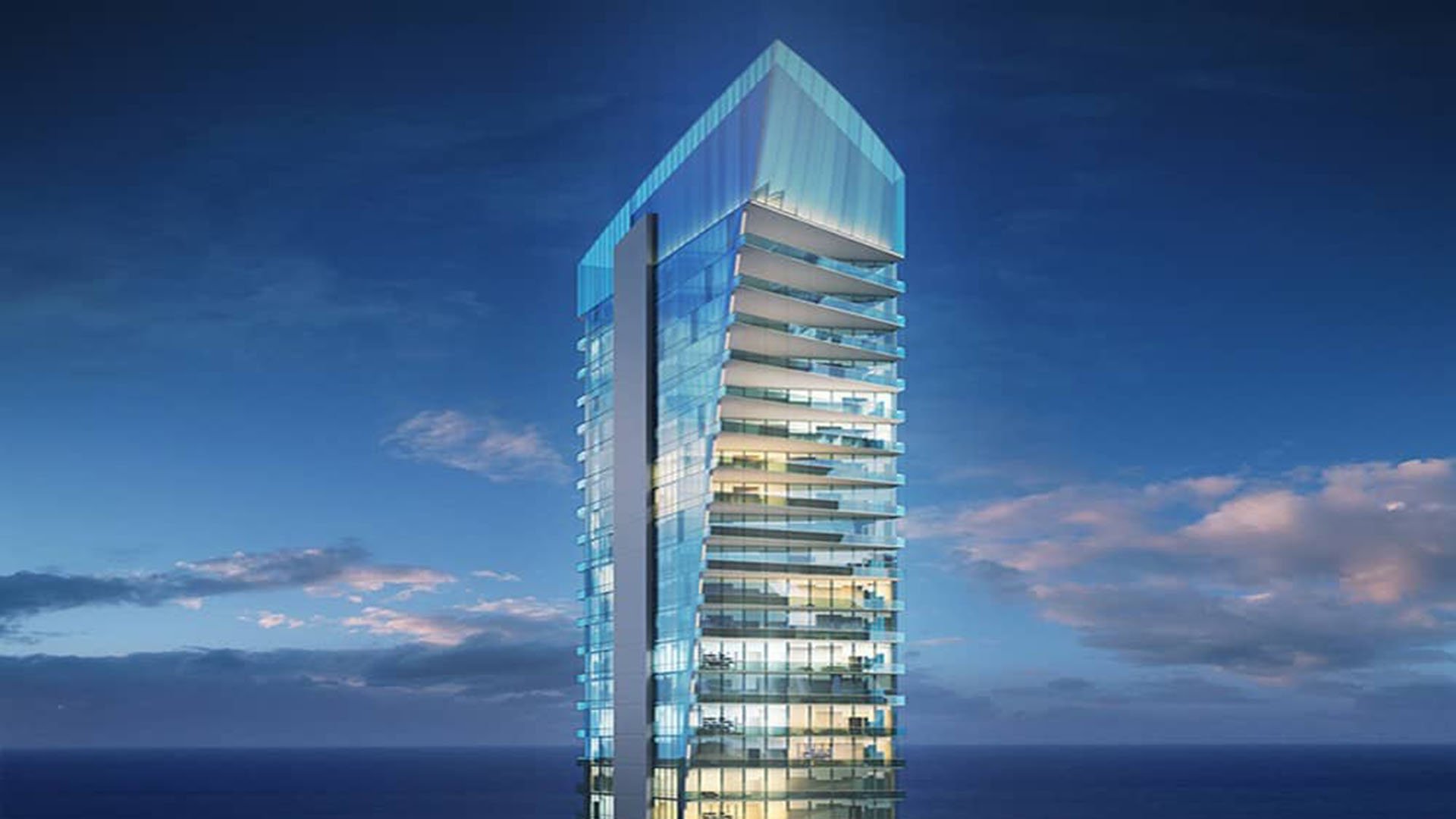
In South Florida luxury real estate, the most photographed qualities are rarely the ones that determine daily satisfaction. Views, terraces, arrival sequences, and interior finishes may start the conversation, but full-time residents ultimately judge a building by quieter measures: how the lobby feels on a weekday morning, whether elevators remain calm at peak hours, how guests are handled, how neighbors use shared spaces, and whether the service culture feels residential rather than transient.
That is why Muse Residences Sunny Isles Beach belongs in the conversation for buyers who are not simply collecting an address, but choosing a home. The relevant question is not whether Muse is the loudest statement on the shoreline. It is whether its building culture suits the rhythms of people who expect to live well there consistently, not simply visit between seasons.
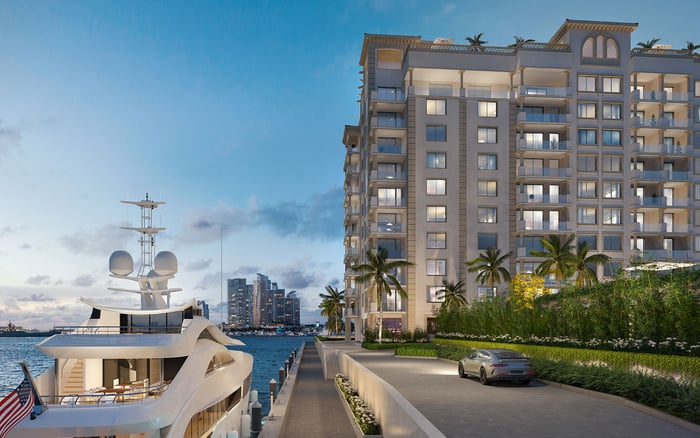
Sunny Isles Beach has long appealed to buyers who want a waterfront lifestyle with direct access to the broader Miami and Aventura orbit. Yet within that market, the difference between a second-home tower and a building that works for full-time life can be substantial. The buyer who expects to host family, return from business travel, receive deliveries, maintain routines, and enjoy privacy every week should study culture as carefully as floor plans.
The full-time owner is more demanding than the occasional visitor. A weekend stay can be carried by a dramatic balcony and a polished arrival. A primary residence must perform in small ways every day. It needs intuitive circulation, consistent staff behavior, respectful neighbors, and common areas that feel neither overprogrammed nor underused.
For this buyer, building culture is a form of infrastructure. It is the unwritten agreement between residents, management, staff, and guests. It shows up in elevator etiquette, pet routines, package handling, service requests, valet discipline, noise expectations, and the overall tone of shared spaces. A building can be luxurious on paper and still feel wrong for a resident who values calm, continuity, and discretion.
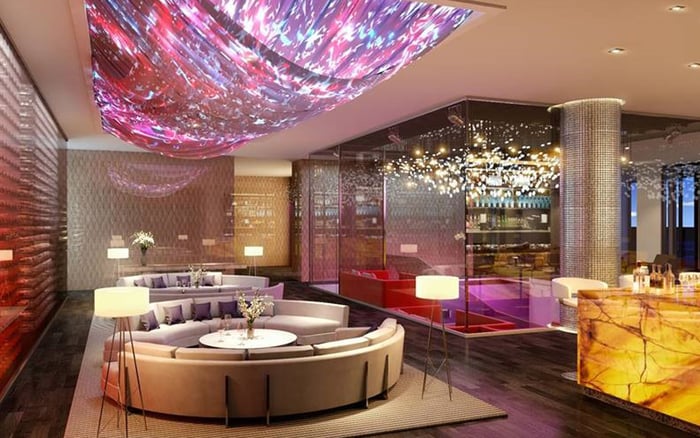
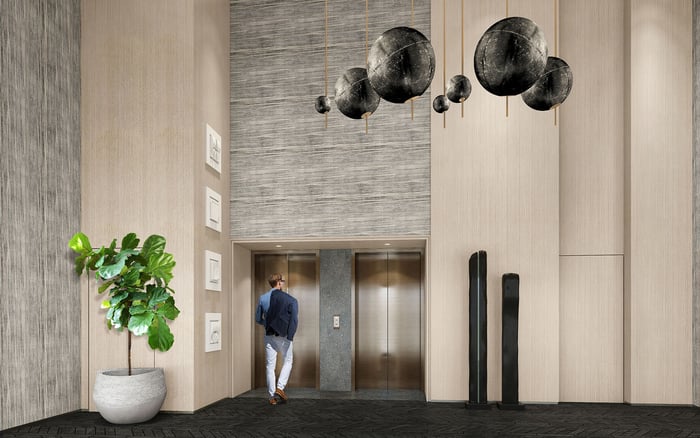
This is where Muse Residences Sunny Isles Beach deserves close attention. A serious buyer should observe the building at different times of day, not only during a scheduled showing. Morning, late-afternoon, and weekend visits can reveal how the property breathes. The most important impressions may be subtle: how residents greet staff, whether lobby traffic feels composed, and whether the arrival experience suggests a home rather than a hotel lobby.
Sunny Isles Beach is not a single-note market. It contains a range of residential personalities, from design-led towers to resort-oriented addresses and highly private buildings. Buyers comparing Muse will often look at nearby alternatives such as Armani Casa Sunny Isles Beach, Jade Signature Sunny Isles Beach, and Turnberry Ocean Club Sunny Isles, not because one formula fits all, but because each building can speak to a different version of coastal living.
That comparison is useful because it clarifies priorities. Some purchasers want a highly social building. Others want a quieter, more residential posture. Some prioritize architectural identity. Others are focused on privacy, service consistency, or the long-term feel of the ownership community. In a market where many towers can satisfy the visual appetite for oceanfront living, the deeper distinction is whether the building’s daily rhythm aligns with the buyer’s life.
The best full-time decision often comes from asking less glamorous questions. Will the building feel calm when family is visiting? Does the staff appear empowered and familiar with residents? Is the guest experience controlled without feeling cold? Are common areas treated as an extension of private living or as a stage? These are not minor details. They are the texture of ownership.
Muse belongs on the shortlist because it invites a more nuanced evaluation than the usual checklist. For the buyer who values building culture, the project is less about a single headline and more about fit. It sits within a competitive Sunny Isles Beach context, yet the correct assessment is personal: whether the building’s scale, tone, residential rhythm, and ownership environment support full-time life.
That is especially important for buyers transitioning from single-family homes, established co-ops, or mature condominium communities. They are often sensitive to issues that may matter less to occasional users. They notice whether service feels personalized. They care about privacy without isolation. They want amenities to support daily wellness and hosting, but not to dominate the building’s identity.
A buyer considering Muse should compare not only asking prices and views, but also the human experience of the building. How do residents use the lobby? Does the property feel settled? Are the routines efficient? Does the building seem to support the lifestyle a buyer is actually seeking, rather than the one implied by marketing language? The answers can make Muse feel either compelling or not quite right, which is precisely why it deserves careful evaluation.
For full-time buyers, resale context is not only about future pricing. It is also about whether a building maintains a coherent identity over time. Buildings with a strong residential culture often feel easier to understand. They attract buyers who recognize the same qualities current owners valued: discretion, consistency, and a sense of place.
Move-in ready considerations can also change the calculus. Some buyers do not want the uncertainty of construction timelines or the abstraction of renderings. They want to stand in the lobby, feel the service culture, understand the surrounding streets, and decide whether the building can support real life now. In that respect, a physical building offers a kind of evidence that a presentation center cannot replicate.
It is still important to compare broadly. A buyer who likes the Sunny Isles Beach shoreline may also consider The Ritz-Carlton Residences® Sunny Isles for a different expression of branded residential living. The point is not to crown a universal winner. The point is to identify the building whose culture will still feel right after the novelty of the purchase has passed.
A sophisticated buyer should enter the search with a practical cultural checklist. How many owners appear to live there regularly? How does management handle access and guests? What is the tone of the amenity spaces? Is the building quiet because it is well managed, or quiet because it lacks energy? Does the ownership community feel aligned with the buyer’s expectations for privacy, hospitality, and permanence?
These questions are especially relevant for buyers who plan to use the residence as a primary home. South Florida’s luxury market can sometimes blur vacation energy with residential substance. The best buildings for full-time life understand the difference. They allow owners to entertain, relax, work, receive family, and maintain routines without making the property feel as though it is constantly performing.
Muse Residences Sunny Isles Beach should be viewed through that lens. For the right buyer, its appeal may be less about spectacle and more about the possibility of a refined, livable address within one of the region’s most recognized coastal corridors.
Why should full-time buyers focus on building culture? Building culture affects daily comfort, privacy, service consistency, and how shared spaces feel over time.
Is Muse Residences Sunny Isles Beach mainly for seasonal buyers? Buyers should evaluate it personally, but it can be considered by those prioritizing a full-time residential rhythm.
What should I observe during a private showing? Watch lobby flow, staff interaction, elevator timing, guest handling, and the general tone of resident activity.
How does Sunny Isles Beach compare with other Miami-area markets? Sunny Isles Beach offers a coastal condominium environment with access to nearby urban and lifestyle centers.
Should I compare Muse with other Sunny Isles towers? Yes. Comparing several buildings helps clarify whether Muse has the right tone, privacy level, and daily rhythm.
Does building culture affect long-term ownership satisfaction? Yes. Even exceptional interiors can feel less compelling if the building’s daily atmosphere does not fit the owner.
What does oceanfront living mean for full-time residents? It means more than a view; it requires routines, services, and common areas that work comfortably every day.
Is resale important when buying for personal use? Yes. Even lifestyle-driven buyers benefit from choosing a building with a clear identity and durable appeal.
What does move-in ready mean in this context? It means buyers can evaluate the existing building experience directly rather than relying only on future promises.
Who is Muse best suited for? It is best considered by buyers who value discretion, coastal access, and a building atmosphere compatible with daily life.
For a confidential assessment and a building-by-building shortlist, connect with MILLION.
If branded residences are on your mind — as a home or as an allocation — we would be glad to share what we are seeing, privately.
Begin a quiet conversation