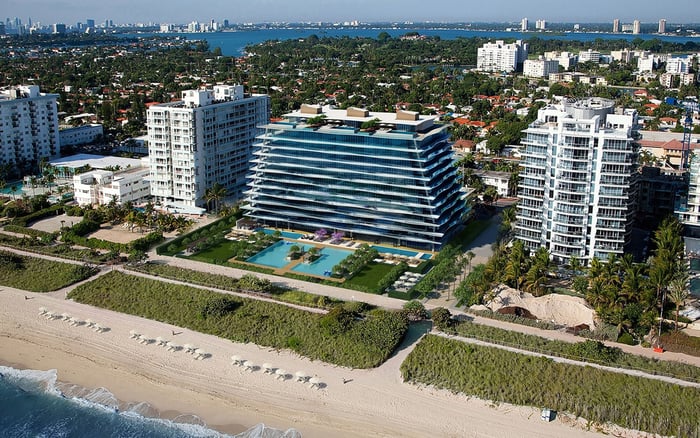
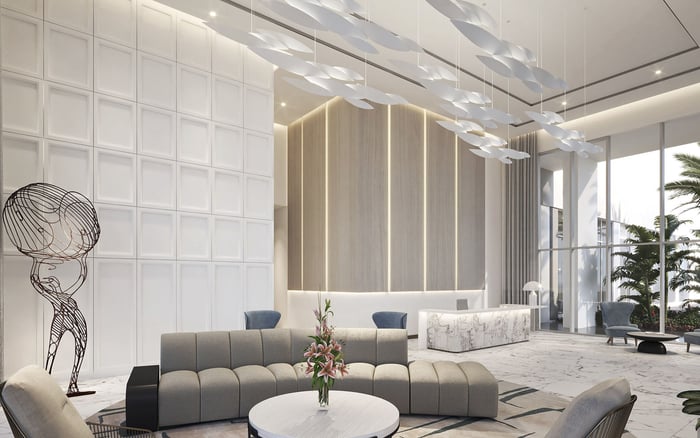
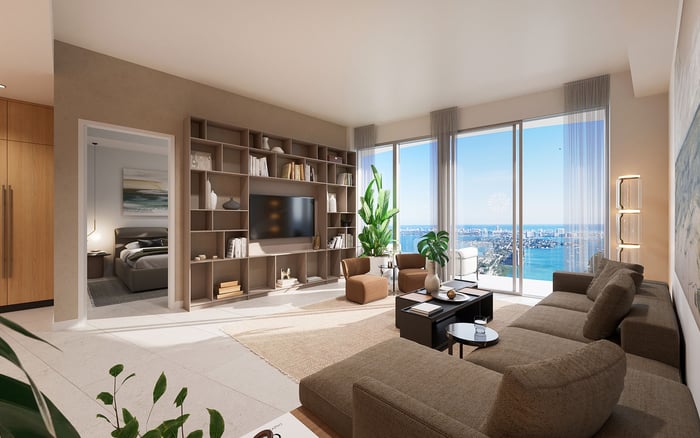
Private massage rooms are moving from indulgent amenity to discreet wellness essential, especially for South Florida buyers who value privacy, ritual, and refined design.
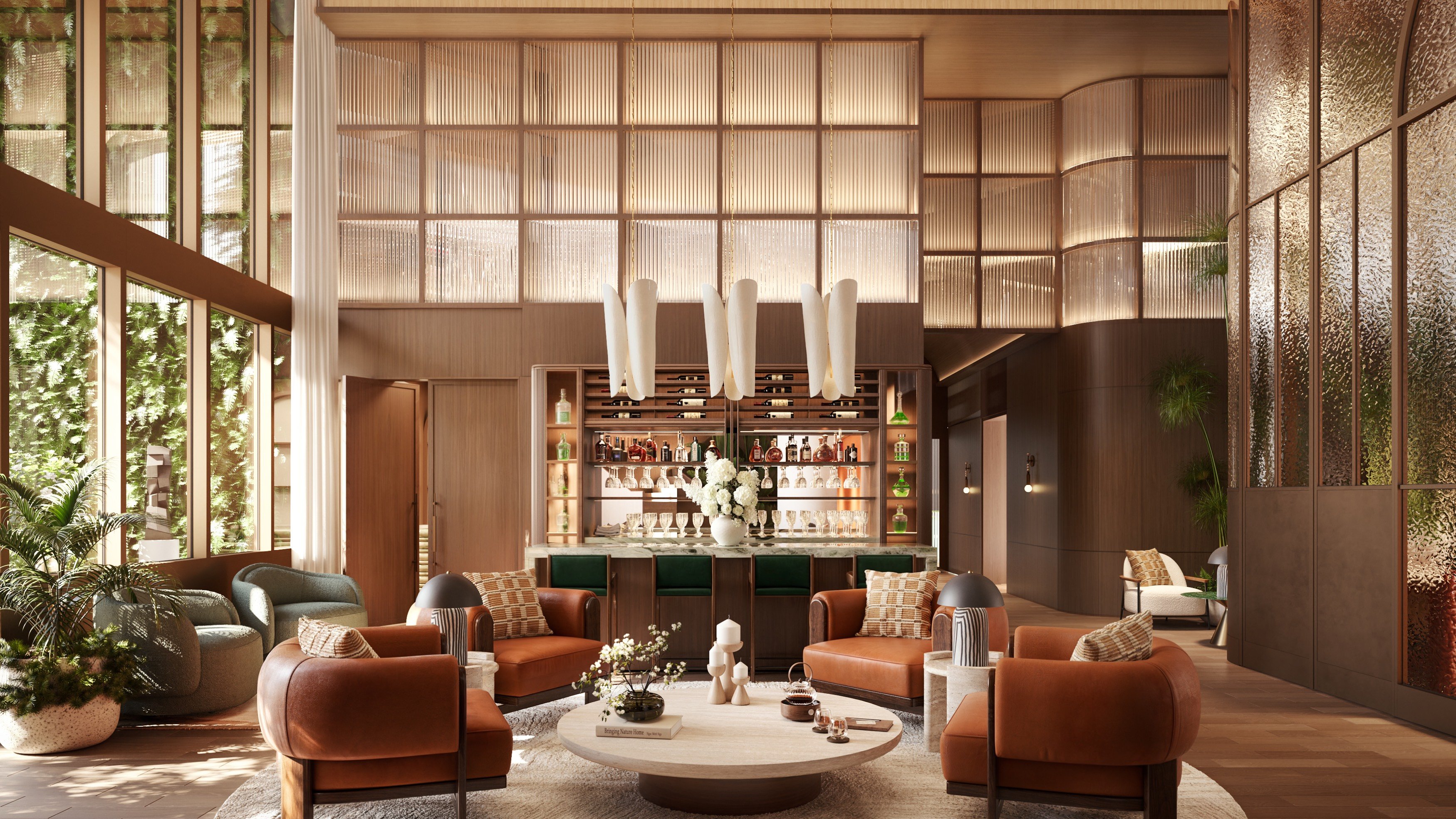
Quiet luxury has always been less about display than control. In South Florida real estate, that idea is increasingly expressed through rooms that do not announce themselves: a concealed service kitchen, a proper arrival vestibule, a dressing suite with natural light, or, for 2026, a private massage room conceived as part of the home rather than treated as an afterthought.
The appeal is not simply pampering. A dedicated massage room gives the owner privacy, scheduling freedom, and continuity of care within the residence. It also signals a different kind of affluence, one rooted in personal maintenance, recovery, and calm. For buyers moving between Brickell, Surfside, Aventura, and waterfront enclaves across the region, the question is no longer whether wellness matters. It is whether the home supports wellness with the same architectural seriousness as entertaining, dining, and view orientation.
A private massage room is compelling because it removes friction. The experience does not require an elevator ride, a spa appointment, or a shared amenity corridor. It can happen before a long flight, after a workout, between meetings, or at the end of a family weekend. That ease is the true luxury.
The best examples are restrained. They avoid the visual language of a commercial spa and instead draw from residential design: plaster or wood wall finishes, concealed cabinetry, tailored lighting, and a palette that belongs to the rest of the home. A massage table should not feel stranded in a spare bedroom. The room should be intentionally proportioned, quietly serviced, and ready to perform without visual clutter.
This is where South Florida buyers tend to be especially discerning. Oceanfront living invites a wellness narrative, but it also demands discipline. Salt air, bright light, guests, staff circulation, and frequent entertaining all shape how private rooms should function. The massage room must feel protected from the social energy of the residence without becoming inconveniently isolated.
Start with acoustics. A massage room that shares walls with a media room, children’s lounge, elevator vestibule, or service zone will underperform no matter how beautiful it looks. Sound control is central to the experience. Soft surfaces, sealed doors, thoughtful mechanical systems, and the right location within the floor plan can make the difference between a room that photographs well and one that is genuinely used.
Lighting should be layered and dimmable. Natural light is welcome; glare is not. In a coastal residence, the most elegant solution is often filtered daylight paired with warm, indirect evening lighting. The goal is not drama. It is nervous-system quiet.
Storage is equally important. Oils, linens, bolsters, towels, robes, cleaning supplies, and portable equipment need a home. Built-in millwork allows the room to reset quickly, which is essential in residences that host family, guests, and visiting practitioners. A nearby powder room or full bath improves usability, while direct access to a terrace can be beautiful if privacy is properly handled.
Pool adjacency can be a strength when the layout supports a post-swim or post-sauna treatment sequence. It can be a weakness if the room becomes part of a traffic path. The strongest plans create proximity without exposure.
In a high-rise condominium, the massage room is most persuasive when it is part of a larger primary suite, wellness suite, or flexible den zone. The room should not compromise the best view room unless the owner’s lifestyle clearly prioritizes wellness over occasional entertaining. In many cases, the ideal placement is slightly inward, where light can be softened and sound can be managed.
In a single-family waterfront home, the opportunities are broader. A private massage room can sit near the gym, sauna, cold plunge, garden, or pool terrace. It can also be positioned near guest suites, giving visitors access without bringing practitioners through the most private family areas. For large households, this circulation question is not minor. It determines whether the room remains a pleasure or becomes operationally awkward.
Penthouse owners often face a different challenge: abundance. With expansive terraces, formal entertaining zones, and large primary suites, it can be tempting to treat the massage room as just another amenity. The better approach is restraint. Make it one of the quietest rooms in the residence, not one of the most theatrical.
A good massage room should pass several tests. Can a practitioner enter and set up without disrupting the household? Is there enough clearance around the table? Can lighting be controlled from the treatment position? Is there discreet storage for linens and products? Is the room removed from household noise? Can it serve another wellness use without losing its primary purpose?
Flexibility matters because ownership needs change. A massage room may also support stretching, physical therapy, meditation, breathwork, facial treatments, or recovery after sport. The key is not to make the room generic. It should be specific enough to feel luxurious, but flexible enough to remain relevant over time.
Buyers should also distinguish between a true private treatment room and a staged wellness corner. The former has infrastructure, circulation, storage, and privacy. The latter may be visually attractive but rarely performs well in daily life. In the upper tier of the market, that distinction is easy to feel during a private showing.
Private massage rooms are not for every buyer, which is precisely why they should be designed with intelligence. A poorly planned specialty room can feel like a personal indulgence the next owner must undo. A well-planned one reads as a flexible wellness suite, and that is much easier to understand.
For 2026, the value lies in restraint. The room should not be overbuilt with overly specific finishes, heavy theming, or equipment that ages quickly. Timeless materials, good proportions, strong lighting, acoustic comfort, and discreet service access will travel better across owners and design tastes.
This is especially relevant in South Florida, where buyers often compare properties across lifestyle categories rather than only by square footage. A residence may win because it makes everyday living feel smoother. A private massage room, done properly, contributes to that feeling. It is a small room with an outsized emotional effect.
During a showing, stand in the room and close the door. Listen. Notice whether you hear mechanical noise, hallway activity, pool noise, or adjacent entertainment spaces. Look for where linens would go. Imagine a practitioner arriving, setting up, completing a treatment, and leaving without crossing the entire residence.
Then consider atmosphere. Does the room invite stillness, or does it feel like leftover square footage? Does it belong to the home’s architecture, or does it feel staged for a trend? The best private massage rooms have a calm inevitability. They feel as though the residence would be incomplete without them.
For buyers in Brickell, the appeal may be recovery from a high-intensity professional schedule. In Aventura, it may be convenience for a family residence or second home. In Surfside, it may be privacy, hospitality, and ease near the water. Across these markets, the underlying principle is consistent: wellness is most luxurious when it is personal, quiet, and immediately available.
Is a private massage room worth prioritizing in a luxury home? Yes, if wellness is part of daily life and the room is designed with privacy, acoustics, and storage rather than simply staged with a table.
Where should a private massage room be located? It should be near wellness or primary-suite areas, but away from noisy entertainment zones, service traffic, and high-activity family spaces.
Does a massage room need a window? Not always. Soft, controllable light is more important than a large window, especially if the view creates glare or compromises privacy.
Can the room double as another space? Yes. A strong design can also support stretching, meditation, recovery work, or beauty treatments without feeling generic.
What is the most overlooked feature? Storage. Linens, oils, towels, bolsters, and cleaning supplies need concealed space so the room can remain serene.
Should it be near the pool? It can be, especially for a wellness sequence, but only if the room remains quiet and is not exposed to wet traffic or guests.
Is this more relevant for condos or houses? It can work in both. Condos require sharper space planning, while houses often allow better circulation and adjacency to wellness features.
Will a private massage room help resale? It may help when presented as a refined, flexible wellness suite rather than a narrowly personalized specialty room.
What finish palette works best? Warm neutrals, tactile natural materials, indirect lighting, and concealed millwork tend to age better than themed spa styling.
How should buyers judge quality during a tour? Close the door, listen, test the lighting, study storage, and imagine a practitioner using the room without disrupting the residence.
To compare the best-fit options with clarity, connect with MILLION.
If branded residences are on your mind — as a home or as an allocation — we would be glad to share what we are seeing, privately.
Begin a quiet conversation