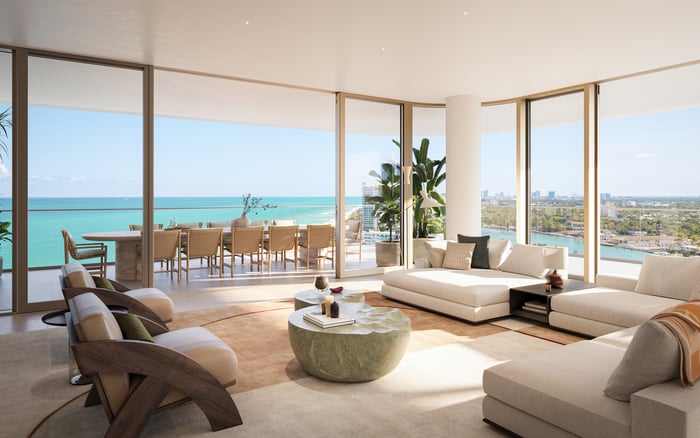
A luxury home can photograph beautifully and still fail at the front door. For South Florida families, the family entry zone is where daily life, staff flow, school routines, pets, sports gear, deliveries, and privacy either resolve elegantly or become a recurring post-closing frustration.
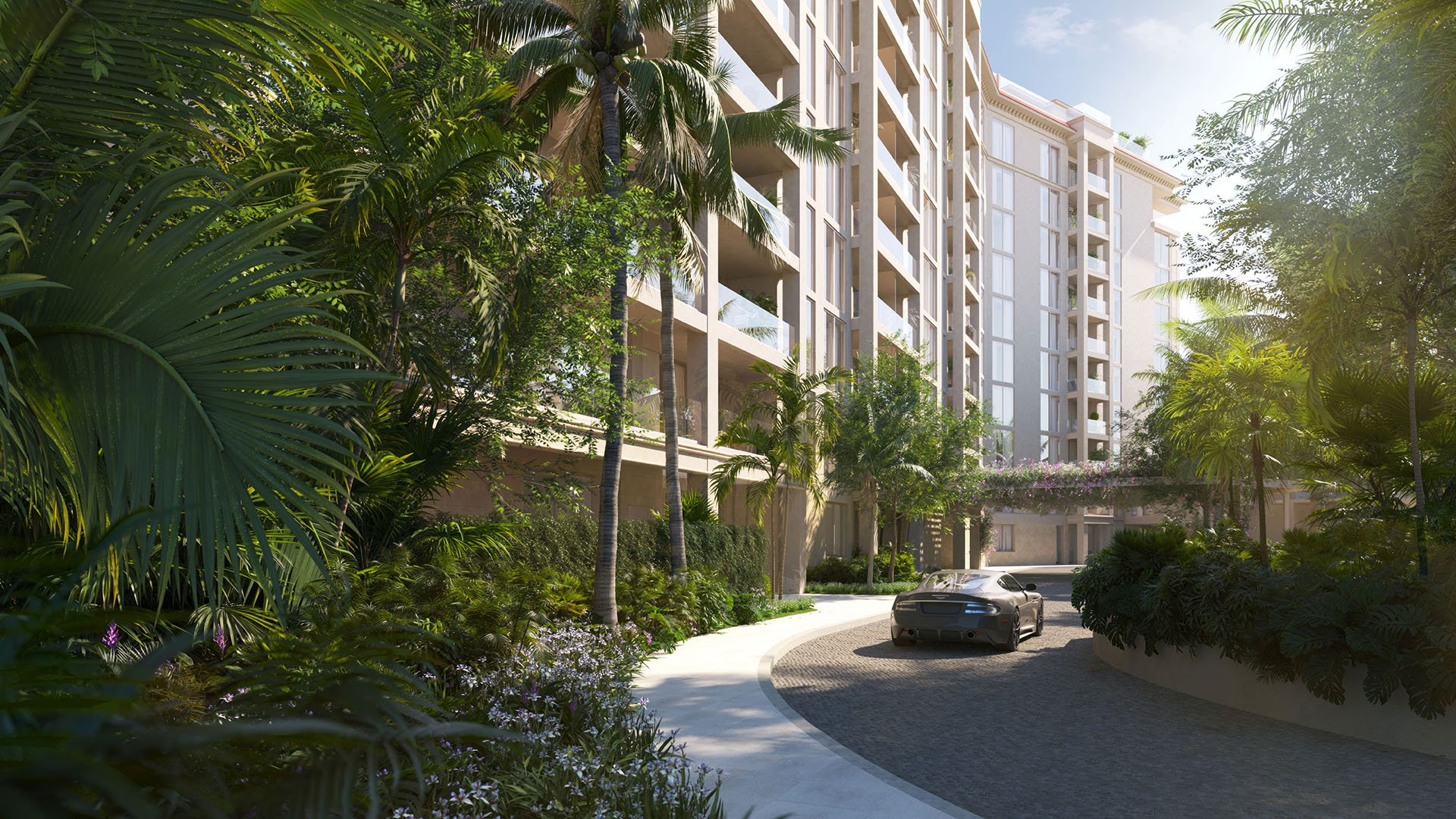
In luxury real estate, buyers are trained to admire the obvious: the view, the kitchen, the primary suite, the terrace. Yet the first space to reveal whether a residence truly supports family life is often the least photographed. The family entry zone is not simply a hallway, foyer, mudroom, elevator landing, garage vestibule, service corridor, or side door. It is the transition point between public life and private life.
For South Florida buyers, that transition carries unusual demands. A family may arrive with beach bags, tennis gear, wet umbrellas, school backpacks, strollers, groceries, pets, art supplies, sports uniforms, and visiting relatives, sometimes all in the same afternoon. Without an intelligent place for that movement, the cost appears after closing: clutter in the formal foyer, scuffed millwork, overused closets, improvised storage, and a daily sense that the residence is less composed than it appeared during the showing.
The issue is not square footage alone. A large residence can have a weak arrival sequence, while a more compact home can function beautifully if the route from car, elevator, valet, or garage has been considered. In South Florida, where many families divide time between city, beach, club, school, and airport, the right entry zone is a quiet luxury.
When buyers discover the problem after closing, they often assume the solution is cabinetry. Sometimes it is. More often, the real cost is behavioral. If there is no proper drop zone, the kitchen island becomes the mail room. If there is no concealed storage, the foyer becomes the equipment room. If the dog’s leash, towel, and food station have no home, pets begin to dictate the architecture.
There is also a privacy cost. A beautiful formal entry loses its effect when every school bag, delivery box, and pair of sandals lands in view. Staff movement can become awkward if the same door serves guests, family, service providers, and children returning from practice. The most refined homes separate these rhythms without making the plan feel divided.
Buyers considering new-construction residences should be especially careful. A sales gallery can communicate finishes and mood, but the daily arrival experience must be tested through the plan. Ask how a child enters after school, how groceries reach the kitchen, how luggage moves from elevator to bedroom, and where wet items go after the beach or pool.
A well-designed family entry zone answers a sequence of practical questions. Where do keys, sunglasses, devices, and school notices land? Where do shoes disappear? Can a stroller turn without striking a wall? Is there a bench, a durable surface, a concealed charging area, and a natural route to the kitchen or laundry? Can guests still arrive through a composed formal path while family life moves elsewhere?
In condominium living, the question becomes more nuanced. The private elevator foyer may feel glamorous, but it may not be sufficient for daily family function. At urban residences such as 2200 Brickell, buyers comparing floor plans should look beyond the first impression and trace the route from elevator arrival to kitchen, bedrooms, storage, and service areas.
In single-family homes and townhome-style residences, the garage or side entry can be equally important. A discreet secondary entrance can preserve the main foyer for guests while giving the family a durable everyday threshold. The finest version does not look utilitarian. It feels finished, calm, and intentionally connected to the home’s architecture.
A northern mudroom is often designed around winter coats and boots. South Florida requires a different vocabulary. The better question is not where coats go, but where moisture, sand, sunscreen, hats, golf shoes, pickleball paddles, school gear, and pool towels go without touching the formal rooms.
For Miami Beach living, proximity to water changes the entry equation. Buyers evaluating residences such as The Perigon Miami Beach should imagine a full day: beach, lunch, school pickup, dinner guests, and an evening dog walk. If every return uses the same ceremonial path, the home may feel less effortless than expected.
Coconut Grove, Coral Gables, Boca Raton, and Palm Beach families often have another layer: school runs, club schedules, and multi-generational visits. In areas where private-school routines structure weekday life, the entry should support early departures and late returns without turning the kitchen into a command center. The goal is not to hide family life. It is to give it dignity.
Before closing, walk the home as if it is a Tuesday, not a showing appointment. Start from the exact place the family will usually arrive. If that is valet, begin there. If it is a garage, begin there. If it is a marina, service elevator, private elevator, or side gate, begin there. Carry a tote, phone, keys, and a child’s backpack if necessary. The exercise can feel theatrical, but it reveals more than a polished tour.
Open every door that will be used daily. Check whether the most convenient closet is deep enough, whether cabinet doors conflict, whether there is room for a bench, and whether the path to the kitchen crosses the formal entertaining zone. Look for outlets where devices will charge. Study sight lines from the living room and dining room. If storage requires too many steps, it will not be used.
At residences such as Four Seasons Residences Coconut Grove, the larger lifestyle proposition may be serene and highly serviced. Even so, each household should verify the private daily sequence. Service does not replace spatial logic.
Ask whether the home has a true secondary entry or simply a back door. Ask where packages are received, where groceries enter, where staff can move, and how children reach their rooms without crossing the formal entertaining axis. If the home has an elevator, ask whether the landing functions as a gallery only or whether it can tolerate real life.
For Boca Raton buyers considering residences such as Alina Residences Boca Raton, family entry planning may intersect with club life, school calendars, and extended stays by grandparents or adult children. A calm threshold can make the difference between a residence that feels beautiful on weekends and one that works every day.
The best buyers involve their designer or architect before closing, not after. A professional eye can identify whether a millwork solution is simple, whether lighting should be added, whether stone or wood flooring needs extra protection, and whether the plan requires a deeper reconsideration. The cost of asking early is modest compared with correcting a compromised first move into the home.
A family entry zone does not need to announce itself. In the most successful homes, it is felt more than seen. It absorbs movement, protects formal rooms, supports staff, welcomes children, accommodates pets, and lets the day reset before the family steps into the living spaces.
That is why ignoring it before closing can be expensive. The hidden cost is not only money spent on cabinetry or storage. It is the loss of calm in a home purchased to deliver exactly that. South Florida luxury is no longer defined only by view corridors and branded finishes. It is defined by how gracefully a residence handles the private rituals of daily life.
What is a family entry zone? It is the everyday arrival area a household uses for bags, shoes, packages, pets, school items, and service flow.
Is a formal foyer enough for a family home? Not usually. A formal foyer is designed for presentation, while a family entry must handle daily movement and storage.
Why should buyers review this before closing? After closing, entry problems can require custom millwork, revised storage, flooring protection, or behavioral compromises.
Does this matter in a condominium? Yes. Elevator foyers, service corridors, parking access, and package routes all affect how a residence lives.
What should families test during a walk-through? They should trace the route from car or elevator to kitchen, bedrooms, laundry, storage, and outdoor areas.
How does beach living change the entry zone? Beach routines add towels, sand, sunscreen, wet clothing, and sports gear that need a discreet place to land.
Should the entry zone be visible from entertaining spaces? Ideally, no. The best plans preserve formal rooms while allowing family life to move privately.
Can a designer fix a weak entry after closing? Often, but the solution may be easier and more elegant if the issue is identified before ownership transfers.
What is the most overlooked detail? Storage depth. A closet that looks adequate on paper may fail when it must hold real family equipment.
Is this only relevant for families with children? No. Frequent guests, pets, staff, deliveries, travel, and club routines can create the same need for a strong arrival zone.
For a discreet conversation and a curated building-by-building shortlist, connect with MILLION.
If branded residences are on your mind — as a home or as an allocation — we would be glad to share what we are seeing, privately.
Begin a quiet conversation