A practical luxury buyer’s guide to evaluating condominium rules for art installation, heavy deliveries, and private contractor access before closing in South Florida.
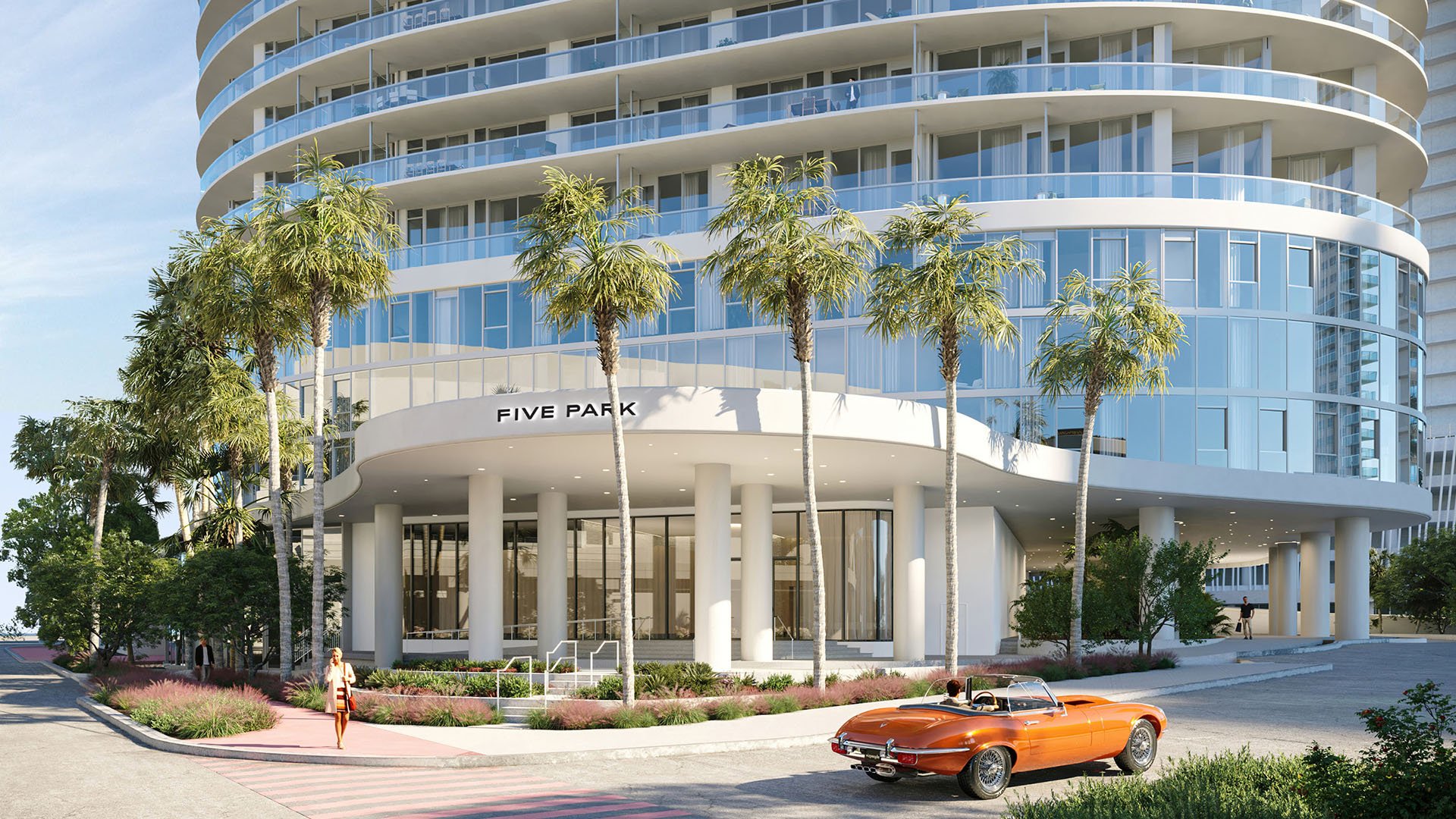
In South Florida’s luxury condominium market, the residence is only one part of the purchase. The building’s operating culture matters just as much. A spectacular wall for a major canvas, a private foyer that seems ideal for a sculptural console, or a service corridor that appears discreet during a showing can become more complicated once association rules apply.
For collectors, seasonal residents, design-focused families, and buyers planning a highly personalized interior, the central question is not simply whether a building is elegant. It is whether the building can accommodate the way you actually live. Art installation, heavy deliveries, and private contractor access touch the most sensitive parts of condominium life: common areas, elevators, security, staff coordination, insurance, and neighbor impact.
This is especially important in dense urban settings such as Brickell, where buyers comparing residences like 2200 Brickell should look beyond floor plans and amenity photography. The practical experience of moving, installing, furnishing, and refining a residence can define the first year of ownership.
A sophisticated comparison begins with the approval path. Ask who reviews requests, how far in advance submissions are required, and whether approvals come from management, the board, an architectural review committee, or a combination of parties. The more bespoke the request, the more important the process becomes.
For art installation, determine whether wall penetrations, ceiling suspensions, lighting adjustments, or millwork modifications require formal approval. A small framed work may be routine, while a large-scale piece, specialty anchoring, or a sculpture requiring reinforced support may trigger additional review. The best buildings are not necessarily the most permissive; they are the ones that explain the procedure clearly and apply it consistently.
For contractors, ask whether the building requires advance registration, licenses, insurance certificates, elevator reservations, security check-in, and staff escorting. These procedures can feel administrative, but in a high-value building they protect finishes, privacy, and resident safety.
Collectors should read art rules with the same care they bring to provenance and lighting. Begin with weight, attachment, and access. Can installers use the service elevator? Are oversized crates restricted? Is protective floor and wall covering required in corridors? Are installers permitted to work inside the residence without the owner present, provided management has authorization?
Next, study the boundary between decoration and alteration. Hanging a work may be treated differently from adding picture lighting, modifying electrical points, building a niche, or installing custom track systems. If you expect to rotate pieces seasonally, ask whether each change requires approval or whether the building allows recurring access for a vetted installer.
In design-driven coastal settings such as Miami Beach, buyers considering a residence like The Perigon Miami Beach may be especially focused on how art, views, and interior architecture coexist. The most graceful ownership experience begins when the building’s rules are understood before the first crate arrives.
Heavy deliveries reveal how a building truly operates. Pianos, oversized stone tables, custom cabinetry, wine storage, gym equipment, safes, large outdoor furnishings, and packed art crates all require planning. The questions are practical: Which elevator can be used? What are its size and weight limits? Are there approved delivery hours? Is weekend access restricted? Are deposits required? Who coordinates loading dock access?
Luxury buyers should also ask how the building handles failed delivery attempts. If a freight company arrives late, will access be denied? Can the delivery be staged? Are there penalties if common-area protection is incomplete? Clarity prevents expensive delays and helps owners choose vendors who can work within the building’s rhythm.
For high-rise living in Sunny Isles, where residences such as Bentley Residences Sunny Isles attract buyers with exacting expectations, delivery rules should be evaluated before furnishings are ordered. A piece that looks perfect in a showroom still has to move through real-world clearances, elevator protocols, and staff scheduling.
Private contractors are often essential after closing. Designers, AV specialists, lighting consultants, closet companies, drapery teams, art handlers, smart-home technicians, and maintenance vendors may all need access. In a luxury condominium, unrestricted access is rarely the standard and should not be expected.
Compare contractor rules by examining documentation, timing, supervision, and noise. Does the building require insurance certificates naming the association or management? Are licenses checked? Can contractors work during the summer or holiday periods when many owners travel? Are there blackout dates? Is noisy work limited to certain hours? Does management distinguish between quiet installation and construction?
Coconut Grove buyers considering a more residential, design-conscious lifestyle at Four Seasons Residences Coconut Grove should still treat contractor policies as a core diligence item. Even in serene environments, the building’s service systems determine how smoothly customization can happen.
Ask for the condominium documents, house rules, alteration agreement, move-in and delivery procedures, contractor packet, insurance requirements, elevator reservation forms, fee schedules, and any rules related to art, wall attachments, balcony furnishings, or common-area protection. If the residence is in a new-construction building, ask whether interim rules will apply during turnover and whether construction activity in neighboring residences may affect scheduling.
A penthouse buyer should be especially attentive. Larger residences often require larger furnishings, more complex installations, and a wider team of vendors. Private elevator access, expansive terraces, double-height spaces, or custom interiors can add beauty, but they also increase logistical complexity. The right question is not simply, “Can I do this?” It is, “What is the exact sequence for doing this properly?”
If you are already working with a designer or art adviser, bring them into the review early. They can spot practical conflicts that may not be obvious during a legal review, such as crate dimensions, ceiling conditions, lift requirements, or the need for after-hours coordination.
A red flag is not necessarily a strict rule. Many of the finest buildings are strict because they protect privacy and finishes. The concern is ambiguity. If no one can explain the approval timeline, if different staff members give different answers, or if rules appear to be enforced informally, proceed carefully.
Green flags include written procedures, predictable response times, clear insurance standards, a defined point of contact, reasonable elevator reservation systems, and a management team familiar with high-value installations. Another positive sign is a building that differentiates between routine service, decorative installation, and true construction rather than treating every vendor visit the same way.
Buyers should also compare the tone of enforcement. Some buildings feel ceremonial and concierge-led, while others feel procedural and risk-averse. Neither is inherently wrong. The best fit depends on your lifestyle, your tolerance for planning, and the complexity of your interiors.
When comparing two or three buildings, create a simple matrix. Include approval lead time, elevator access, delivery hours, deposits, insurance requirements, contractor registration, art installation rules, after-hours flexibility, terrace restrictions, and management responsiveness. Then add your actual ownership plans: art, furniture, lighting, closets, AV, window treatments, outdoor pieces, and recurring service vendors.
This turns a vague operational concern into a clear ownership forecast. A residence with slightly stricter rules may be preferable if those rules are transparent and professionally managed. Conversely, a building that appears flexible may create frustration if approvals are slow or undocumented.
For South Florida’s ultra-premium buyer, the goal is not to avoid rules. The goal is to choose a building whose rules support a refined life with minimal friction. When art, deliveries, and contractors move through a building gracefully, luxury feels effortless.
Should I review condo rules before making an offer? Yes. Operational rules can affect move-in timing, design plans, installation costs, and the daily experience of ownership.
Are strict art installation rules a bad sign? Not necessarily. Strict rules can protect common areas, structural elements, staff, residents, and valuable property.
What should collectors ask before buying? Ask about wall attachments, weight limits, crate access, elevator use, installer insurance, and approval timing.
Can a building reject a heavy delivery? A building may deny or reschedule a delivery if it does not comply with reservation, insurance, access, or protection rules.
Do contractor rules apply to decorators and designers? Often, yes. Even non-construction vendors may need registration, insurance, elevator scheduling, or management approval.
Why do elevator rules matter so much? Elevator dimensions, weight limits, padding requirements, and reservation windows can determine whether an item can be delivered smoothly.
Should my designer review the condo documents? Yes. A designer can identify practical installation concerns that may not be obvious from a standard document review.
Are new buildings easier for customization? Not always. New buildings can have transition-period rules, active neighboring work, and evolving procedures during early occupancy.
What is the biggest red flag in condo operations? Ambiguity. Unclear timelines, inconsistent answers, or undocumented procedures can create delays and unexpected costs.
How should I compare two luxury buildings? Build a side-by-side matrix of approvals, delivery rules, contractor access, fees, insurance, and management responsiveness.
To compare the best-fit options with clarity, connect with MILLION.
If branded residences are on your mind — as a home or as an allocation — we would be glad to share what we are seeing, privately.
Begin a quiet conversation