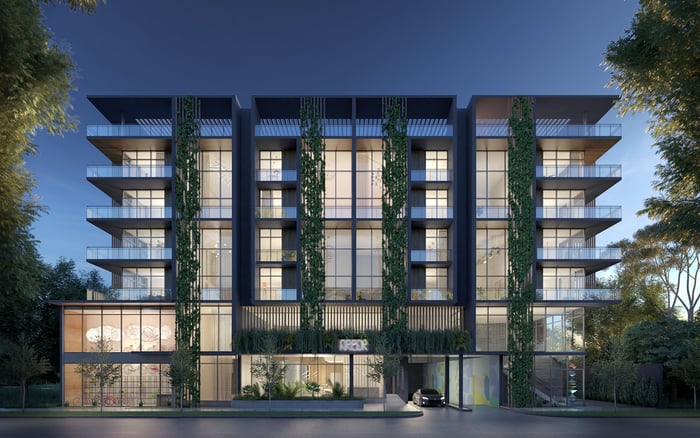
A buyer-focused look at The Lincoln Coconut Grove through the lens of views, walkability, neighborhood character, and long-term carrying costs.
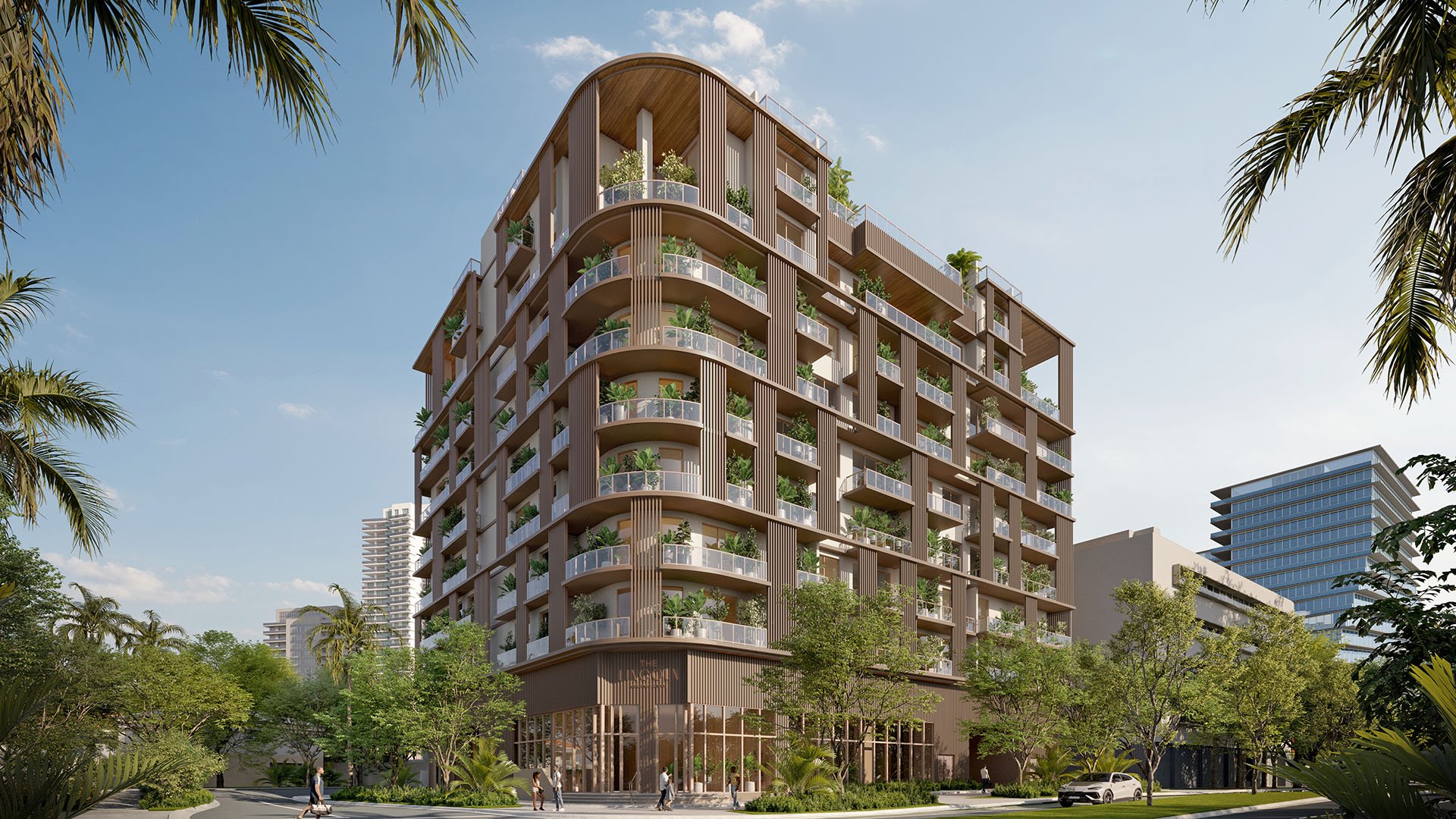
For a certain Coconut Grove buyer, the most compelling residence is not always the one with the most dramatic view. It is the one that still makes the view feel rational when the monthly statement arrives. That is the more disciplined way to understand The Lincoln Coconut Grove: through both pleasure and underwriting, including outlook, privacy, neighborhood access, insurance exposure, reserves, assessments, and the likely rhythm of ownership.
This is not a cold way to buy in the Grove. It is a sophisticated one. Coconut Grove has always offered a different expression of luxury from the pure vertical spectacle of Miami’s waterfront towers. Its tree canopy, lower-scale streetscape, and proximity to Biscayne Bay can produce green, skyline, and partial-bay outlooks that feel layered rather than obvious. A buyer may not need a front-row waterfront position to enjoy visual relief, natural light, and a strong sense of place.
That is where the real decision begins. The question is not simply, “Which residence has the best view?” It is whether the premium attached to that view remains justified once recurring costs, reserves, insurance assumptions, taxes, association structure, and the expected holding period are fully considered.
The Lincoln Coconut Grove belongs in a conversation about total cost of ownership, not just purchase price. A residence can feel attractive at contract and become less elegant if its monthly burden expands faster than the owner’s actual use or enjoyment. The more complete lens converts HOA dues, property taxes, insurance, reserves, and possible future assessments into an annual carrying-cost number before assigning value to the view.
This matters because the emotional pull of a view can blur the practical math. A wide bay or skyline panorama may command a premium, but the buyer still has to ask what that premium costs every month and how it compounds over a full ownership period. If a “good enough” Grove outlook comes with a more measured recurring-expense profile, it may outperform the trophy view in ways that are not visible from the balcony.
The most careful buyers will study the association budget structure, reserve posture, insurance assumptions, staffing model, amenity obligations, and areas where future assessment pressure could emerge. None of those items should be dismissed as administrative noise. In South Florida luxury ownership, they are part of the asset.
Coconut Grove’s appeal is unusually contextual. A residence here is rarely only about what one sees from inside the glass. The value equation includes walkability, shade, dining, neighborhood texture, access to Biscayne Bay, and the quieter residential cadence that distinguishes the Grove from denser high-rise districts.
That is why a buyer comparing The Lincoln with more exposed waterfront alternatives should separate emotional view value from recurring-cost risk. The most expensive view is not automatically the most valuable one. A buyer who lives part time in Miami may experience the neighborhood more through morning walks, short drives, and low-friction daily routines than through constant use of a large amenity platform.
For Coconut Grove buyers, the subtle advantage is that the setting itself carries value. Tree canopy can soften a city outlook. A partial-bay glimpse can satisfy the desire for water without demanding the same exposure profile as a direct waterfront asset. A quieter building character can feel more appropriate for an owner who wants privacy and ease rather than spectacle.
Boutique properties in the Grove can appeal to buyers who want privacy and neighborhood character without the heavier amenity footprint often associated with large resort-style towers. That does not make one model superior to the other. It simply changes the economics.
A full-service, amenity-rich building may be precisely right for an owner who will use the programming often and values a more extensive staff and service environment. A more restrained property may be more compelling for the buyer who wants the Grove lifestyle, a pleasant outlook, and fewer recurring obligations tied to amenities they rarely use.
This distinction becomes especially important for the second-home buyer. If the residence is used seasonally or selectively, monthly costs matter more because the owner may not be present often enough to extract full value from the building’s services. In that case, the intelligent question becomes: what am I paying for every month, and how much of it improves my real experience?
That is the practical beauty of a boutique, waterview mindset. It does not reject beauty. It prices beauty against use, risk, and time.
The right comparison set should remain local and precise. The Lincoln should be measured against comparable Coconut Grove options on total cost of ownership, not only balcony view or asking price. A buyer looking at Arbor Coconut Grove, for example, may be weighing a similar desire for Grove intimacy and neighborhood character, even if the individual building profiles differ.
Likewise, a buyer touring Opus Coconut Grove should avoid letting any single feature dominate the analysis. The better exercise is to normalize the annual cost of holding each residence, then decide which view and lifestyle package feels properly priced.
At the upper end, comparisons with Four Seasons Residences Coconut Grove or Park Grove Coconut Grove may sharpen the distinction between branded or larger-scale luxury and a more cost-conscious approach. The buyer is not merely choosing architecture or prestige. They are choosing a monthly operating model.
This is where sophisticated representation matters. A polished sales presentation may show the residence beautifully, but the carrying-cost analysis lives in documents, assumptions, and what those assumptions imply over time.
Every view premium should be tested against the expected ownership horizon. A buyer planning a long hold may be more willing to accept a higher recurring cost if the residence delivers daily satisfaction, strong lifestyle utility, and a view that remains emotionally durable. A shorter-horizon buyer may need to be more cautious, because transaction costs and recurring expenses can compress the advantage of a visually superior unit.
The Lincoln’s value proposition is strongest when considered as a balancing act: visual appeal, neighborhood access, and ongoing ownership economics. The buyer who understands that balance is less likely to overpay for a view they admire but underuse, or to underestimate the cumulative value of a calmer monthly cost structure.
In Coconut Grove, restraint can be luxurious. The best residence is the one that still feels intelligent after the first year of statements, insurance renewals, and association reviews. The view should be a reward, not a financial blind spot.
Is The Lincoln Coconut Grove mainly about views? No. The better lens is the combination of outlook, walkability, neighborhood lifestyle, and long-term carrying costs.
Why do carrying costs matter so much in a luxury condo purchase? They affect the real annual cost of ownership and can change whether a view premium feels justified over time.
What should buyers review before assigning value to a view? Buyers should examine HOA dues, taxes, insurance assumptions, reserves, staffing, amenities, and possible future assessments.
Can a partial-bay or green view be enough in Coconut Grove? Yes. The Grove’s canopy, scale, and proximity to Biscayne Bay can make softer outlooks feel highly livable.
Is a front-row waterfront position always the better investment? Not necessarily. A stronger view may also carry higher exposure or recurring costs that need to be measured carefully.
Who is the ideal buyer for this kind of analysis? It suits buyers who want beauty and lifestyle, but also care about how the residence performs across a full ownership period.
Why does the second-home buyer need extra discipline? Partial-use owners may not use services often enough to justify a high monthly cost structure.
How should The Lincoln be compared with other Grove residences? Compare total cost of ownership first, then evaluate how each residence delivers view, privacy, access, and daily utility.
Does boutique living mean fewer luxuries? Not necessarily. It often means a more focused ownership model with privacy, character, and potentially less amenity weight.
What is the simplest underwriting exercise for buyers? Convert all recurring and expected costs into an annual number, then decide what the view is truly worth.
For a confidential assessment and a building-by-building shortlist, connect with MILLION.
If branded residences are on your mind — as a home or as an allocation — we would be glad to share what we are seeing, privately.
Begin a quiet conversation