A buyer-focused 2026 comparison of Shoma Bay North Bay Village, The Links Estates at Fisher Island, and The Residences at Six Fisher Island through private dining, entertaining flow, and acoustic separation.
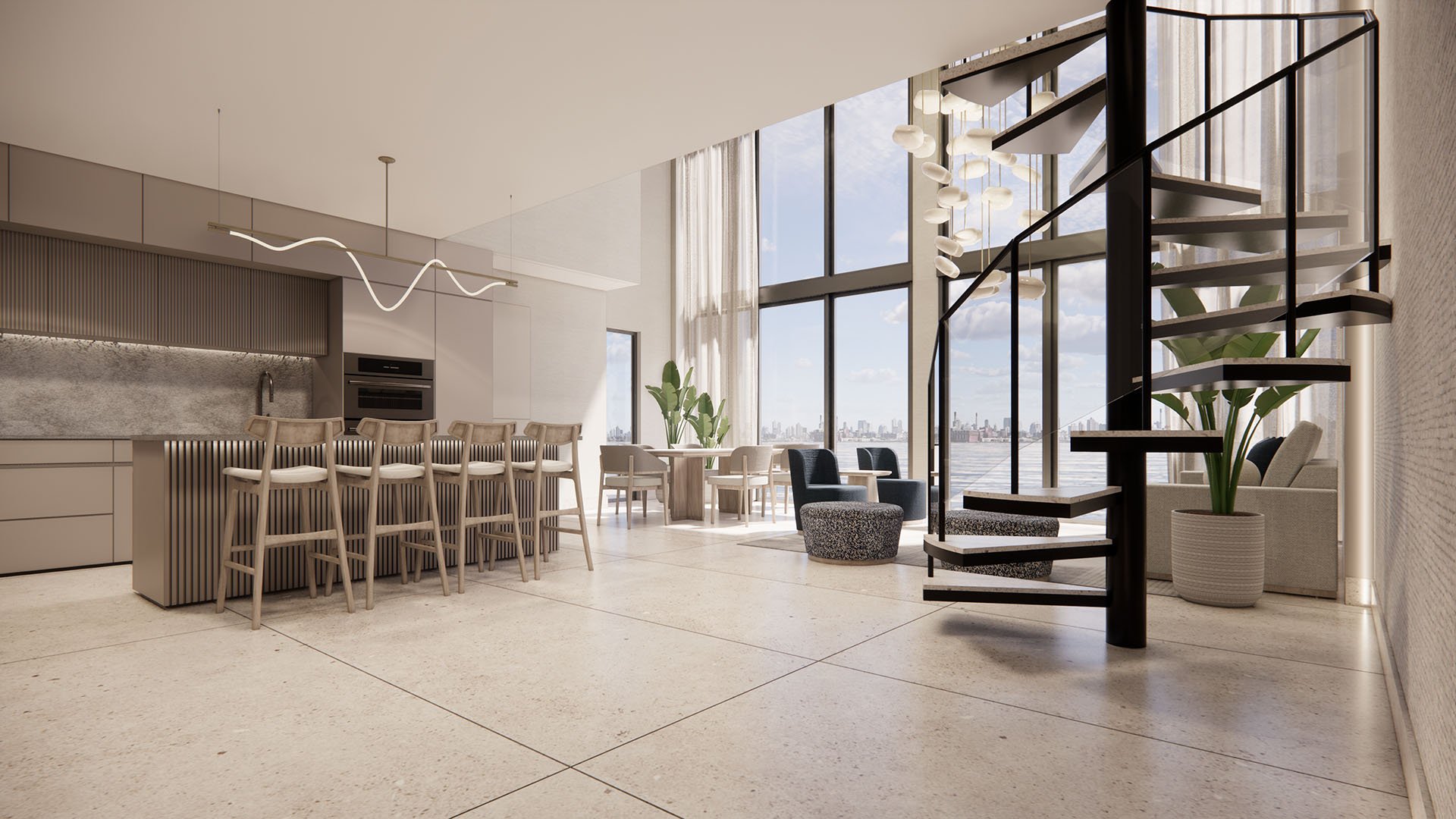
For South Florida’s most discerning buyers, the next level of due diligence is no longer limited to water views, a generous great room, or a formal dining area. The more revealing question is whether a residence can perform under pressure: a chef-led dinner, a cocktail reception moving from salon to terrace, visiting guests arriving in sequence, and staff operating without disrupting the mood of the evening.
That is the most useful frame for comparing Shoma Bay North Bay Village, The Links Estates at Fisher Island, and The Residences at Six Fisher Island. Each speaks to luxury waterfront living, but each raises a different operational question. Shoma Bay brings a bayfront, mixed-use North Bay Village setting. The Links Estates presents the low-density, estate-home alternative on Fisher Island. The Residences at Six Fisher Island offers ultra-luxury condominium living with very large residences and full-service expectations.
For search and internal comparison, buyers may shorthand the locations as North Bay Village and Fisher Island, yet those labels are only the starting point. The lived experience depends on arrival, access control, service circulation, terrace usability, and how sound behaves when a home is animated by guests.
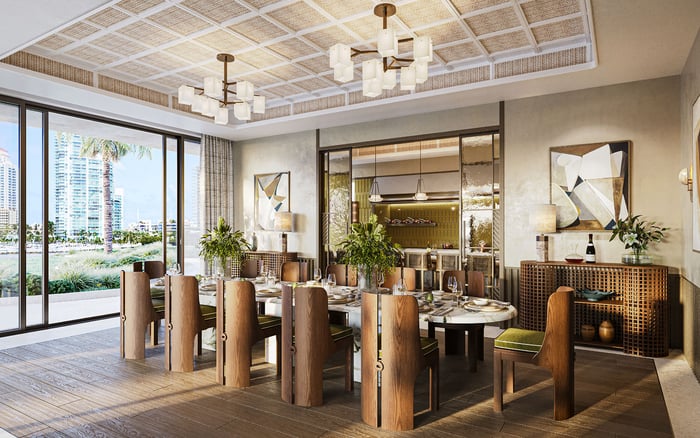
Private dining due diligence should begin with the kitchen, but it should not end there. A buyer who regularly hosts should test primary kitchen ergonomics, prep zones, refrigeration, pantry capacity, service storage, and whether a secondary or catering kitchen is available or feasible. Just as important are the permissions and protocols around outside chefs, private caterers, deliveries, and staff staging.
At Shoma Bay, the mixed-use character is central to the question. Food-and-beverage or retail uses can create genuine convenience for owners who want effortless access to dining, provisioning, or guest-facing energy. The same activation can also create friction if residential privacy, access control, elevator separation, and noise transfer are not carefully managed. For a host, the essential review is not whether mixed-use is good or bad. It is whether the residential component remains composed when the public-facing portions of the building are active.
The Links Estates at Fisher Island sits at the opposite end of the spectrum. As the estate-home option, it should be evaluated more like a private compound than a shared amenity residence. The home’s own dining infrastructure, service circulation, staff staging, and catering logistics matter more than reliance on common spaces. That may offer stronger privacy potential, but it also places more responsibility on the owner’s team to plan food service, staffing, deliveries, and post-event reset.
The Residences at Six Fisher Island requires a condominium version of the same test. Large residences may support formal dinners, cocktail evenings, and indoor-outdoor entertaining, but the buyer should verify whether the plan allows service paths to remain discreet. In vertical living, the distinction between private elevator arrival, service elevator use, back-of-house movement, and guest routing can determine whether hosting feels gracious or labor becomes visible.
A beautiful residence can still host poorly if the guest journey is awkward. The due-diligence walk-through should begin before the front door. How do guests arrive? Where are they screened or welcomed? Is the elevator experience private, semi-private, or shared? Once inside, do sightlines guide people naturally toward the principal social spaces, or do guests pass bedrooms, service areas, or family zones before reaching the entertaining core?
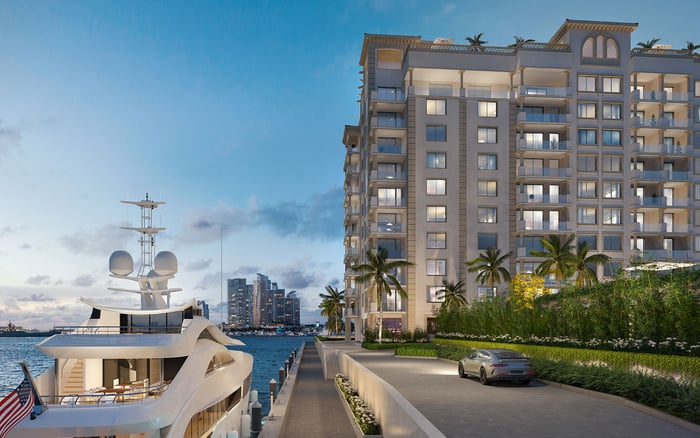
Shoma Bay’s waterfront position makes terrace entertaining, water views, and possible boat-adjacent hosting part of the allure. Yet in an emerging bayfront district rather than a fully private enclave, the success of an evening depends heavily on building-level operations. Buyers should ask how residential entries are separated from active mixed-use areas, how deliveries are timed, whether elevators are clearly controlled, and how the building manages evening noise when restaurants, retail, residents, and guests overlap.
At The Links Estates, the flow question becomes more architectural and site-specific. Estate living can support a stronger sense of arrival and privacy, but buyers should study how cars, golf carts, staff, caterers, family members, and guests move across the property. A compound-style product can be exceptional for entertaining when service entries, outdoor zones, kitchens, and principal rooms are choreographed. If they are not, the owner must solve operational complexity through staffing rather than design.
At The Residences at Six Fisher Island, the key is whether vertical circulation feels effortless. Private-island arrival logistics, ferry and service access, club resources, and staffing protocols should all be part of the analysis. Once guests reach the residence, the plan should allow a fluid transition from arrival to living areas to terrace, while service teams move through a different rhythm. The best condominium hosting layouts make the service path feel almost invisible.
Acoustic separation is often where luxury claims become tangible. Frequent hosts should test sound in three directions: from the residence to neighbors, from neighbors into the residence, and within the residence itself. Bedroom separation from entertaining areas, HVAC and mechanical noise, terrace sound, marina noise, and hospitality-venue spillover all deserve attention.
For Shoma Bay, acoustic diligence should include the mixed-use interface. Buyers should ask how residential floors are buffered from food-and-beverage, retail, parking, loading, and amenity activity. Terrace sound is another important question because waterfront entertaining can be one of the project’s strengths. The same setting that makes an evening memorable can also amplify the need for thoughtful rules, glazing, door systems, and operations.
For The Links Estates, the sound review is more residential and environmental. The focus should be on separation within the home, outdoor entertaining spillover, mechanical systems, and proximity to neighboring estate homes or club activity. The estate format may offer more control, but outdoor events, equipment locations, and staff movement still need to be studied with care.
For The Residences at Six Fisher Island, stacked condominium living makes floor and ceiling assemblies, party walls, terrace noise, and mechanical-system isolation especially relevant. Buyers should request clarity on how sound is addressed between residences and how evening entertaining is governed. In a full-service luxury building, acoustic performance is not only a technical specification. It is part of the social contract among owners.
Shoma Bay is likely to appeal to buyers who want waterfront energy, views, and the convenience of a more activated North Bay Village environment. The diligence burden is confirming that convenience does not compromise residential privacy, security, or quiet.
The Links Estates is the most estate-like choice among the three. It suits buyers who want compound-style privacy and are comfortable managing their own in-home dining, staff, catering, and event logistics. The reward is control. The obligation is orchestration.
The Residences at Six Fisher Island fits buyers who want private-island prestige with the service structure of an ultra-luxury condominium. The test is whether large-format vertical living can deliver estate-level entertaining without service and guest paths colliding.
For 2026, the smartest buyers will ask less about spectacle and more about performance. A residence that hosts beautifully is quiet where it should be quiet, active where it should be active, and invisible in the way service supports the evening.
What is the main due-diligence lens for these three projects? The central lens is how each property supports private dining, entertaining flow, and acoustic separation for frequent hosts.
Why is Shoma Bay evaluated differently from the Fisher Island options? Shoma Bay is a bayfront mixed-use condominium setting, so buyers should focus on privacy, access control, elevator separation, and noise transfer.
What should buyers ask about private dining? They should review kitchen ergonomics, catering capacity, secondary prep areas, service storage, outside-chef permissions, and staff staging.
Why does The Links Estates feel more estate-like? It is framed as the low-density estate-home option, which increases privacy potential while placing more event logistics under the owner’s control.
What makes The Residences at Six Fisher Island distinct for hosts? It combines very large condominium residences with full-service living, making elevator sequence, service routing, and terrace flow especially important.
How should a buyer test entertaining flow? Walk the entire guest journey from arrival to social spaces, then compare it with how staff, deliveries, and service teams would move.
Why is acoustic separation so important in luxury condominiums? Stacked residences require attention to floor and ceiling assemblies, party walls, terrace sound, and mechanical isolation.
Does mixed-use activation help or hurt private dining? It can do either, depending on whether food-and-beverage convenience is balanced by strong residential security, separation, and sound control.
What should Fisher Island buyers consider beyond the residence itself? Island arrival, ferry or service access, club resources, staffing protocols, and guest logistics should all be part of the review.
What is the best way to shortlist comparable options for touring? Start with location fit, delivery status, and daily lifestyle priorities, then compare stacks and elevations to validate views and privacy.
To compare the best-fit options with clarity, connect with MILLION.
If branded residences are on your mind — as a home or as an allocation — we would be glad to share what we are seeing, privately.
Begin a quiet conversation