A practical due-diligence guide for Rivage Bal Harbour buyers evaluating whether leak-detection systems are specified, integrated, commissioned, and maintainable beyond the visual promise of a luxury rendering.
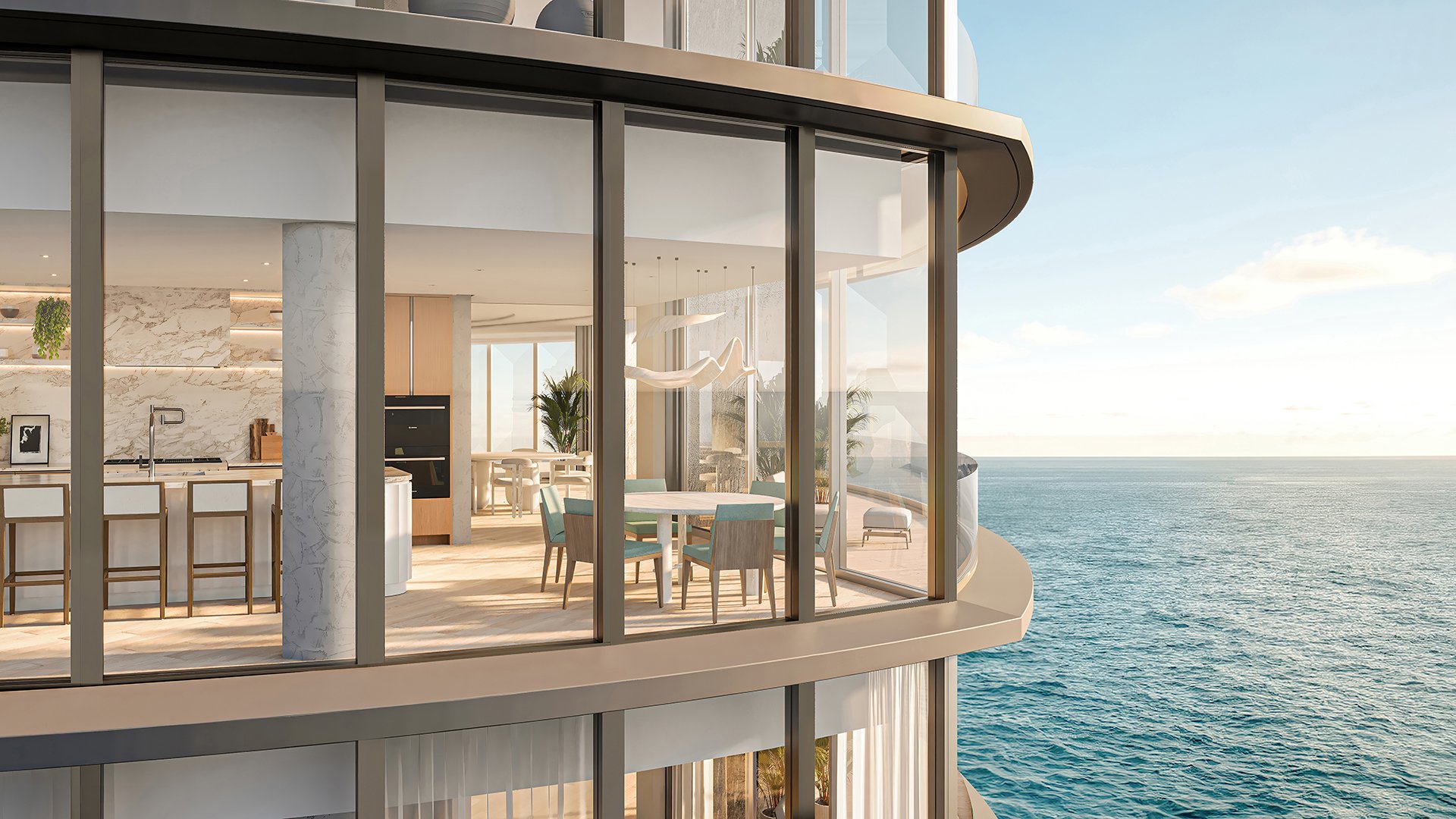
For buyers studying Rivage Bal Harbour, the rendering is only the opening frame. The more consequential conversation often sits behind walls, above ceilings, inside mechanical rooms, and within the protocols that determine how a building responds when water appears where it should not.
That is especially true in South Florida’s oceanfront luxury-condo market. Coastal humidity, storm exposure, salt air, elevated expectations for imported finishes, and the value of significant residences make water management a core asset-protection issue. A marble bath can be photographed. A leak-detection strategy must be documented, tested, maintained, and understood.
The buyer’s task is not to assume that an ultra-premium presentation guarantees a meaningful system. It is to verify design intent, technical specifications, and system integration. In practical terms: what is the building designed to sense, where is it designed to sense it, what happens next, and who is accountable when the alarm is real?
A rendering can communicate the arrival sequence, balcony line, water view, kitchen palette, and atmosphere of a private residential experience. It cannot prove whether leak detection is point-based or zone-based, whether it connects to shutoff valves, whether alerts reach building staff, or whether residents receive actionable notifications.
Nor can it show whether the system covers only obvious wet areas or also addresses concealed risks. Buyers should ask whether design drawings identify detection locations near kitchens, laundry areas, bathrooms, mechanical closets, water heaters if applicable, risers, common-area service rooms, and amenity zones where water damage could affect multiple owners.
This is not skepticism for its own sake. It is the difference between a sales phrase and an operating system. Just as buyers compare architecture, views, and privacy at other luxury addresses, they should compare the depth of the technical safeguards that protect the residence after move-in.
Start with the specification, not the brochure. A buyer or advisor should request the portions of the building documents that describe leak detection, water sensors, monitoring, shutoff logic, control panels, alarms, wiring, low-voltage integration, and any connection to a building management system. If the documents are not yet finalized, ask what is specified in the current design package and what remains subject to revision.
The most useful answers are specific. Where are sensors located? Are they hardwired, wireless, or a combination? Are they tied to automatic shutoff devices, concierge alerts, owner alerts, engineering alerts, or all of the above? Is the system intended for the individual residence only, or is it part of a broader building-level risk-management plan?
A strong answer should also clarify responsibility. Some systems are developer-installed. Some are owner-selected upgrades. Some are controlled by the association or building engineer. Some may require residents to maintain batteries, connectivity, or app permissions. For a buyer, those distinctions are material.
In pre-construction and new-construction purchases, it is prudent to memorialize what has been represented. Category labels such as Bal Harbour, oceanfront, waterview, and Rivage Bal Harbour may help organize a search, but they do not replace written technical confirmation.
A leak sensor that merely beeps in an empty residence may be better than nothing, but it is not the same as an integrated response. Many South Florida owners are seasonal. Some travel frequently. Some maintain multiple residences. In that context, the question is not simply whether water can be detected. It is whether detection leads to timely intervention.
Buyers should ask how alerts move through the building. Does an alarm notify the resident, the front desk, engineering, or a third-party monitoring party? Are there escalation rules if no one responds? Does the system identify the affected zone clearly enough for staff to act quickly? Are access protocols in place that allow authorized personnel to enter when a leak threatens the residence or adjacent homes?
The same rigor applies when comparing other waterfront and near-waterfront luxury properties, including The Delmore Surfside. The exterior setting may differ, but the buyer’s technical questions remain consistent: detection, communication, shutoff, access, testing, maintenance, and accountability.
The most important distinction is often between detection and response. A sensor can identify moisture. A shutoff device can potentially reduce the volume of water released. A monitoring protocol can shorten the time between discovery and action. These functions are related, but they are not interchangeable.
Buyers should ask whether shutoff capability is included, where shutoff valves are located, what water lines they control, and whether activation is automatic, manual, or both. They should also ask what happens if power or connectivity is interrupted, whether valves are accessible for maintenance, and whether false alarms have a defined reset procedure.
For residences with extensive stone, millwork, specialty flooring, and custom closets, water damage is not merely an inconvenience. It can become a disruptive restoration project involving replacement lead times, insurance coordination, temporary relocation, and potential impact on neighboring units. A meaningful leak-detection strategy is part of preserving both daily comfort and long-term value.
Even a well-specified system is only as reliable as its installation and testing. Before closing, buyers should ask whether the leak-detection system will be commissioned, who performs that commissioning, and whether a written record will be available. Commissioning should confirm that sensors are present, named correctly, connected to the intended alert path, and able to trigger the intended response.
Turnover is equally important. Residents should receive clear instructions on what the system covers, what it does not cover, how alerts appear, who to call, and which maintenance tasks remain their responsibility. Building staff should also have practical training. A luxury residence should not depend on guesswork during the first real incident.
In broader South Florida comparisons, including towers such as Bentley Residences Sunny Isles, the most sophisticated buyers increasingly treat building systems as part of the value proposition. Finishes may define the first impression. Systems define the ownership experience.
Before relying on any leak-detection representation, ask for a concise written answer to practical questions. What equipment is included in the base residence? What areas are covered? What areas are excluded? Is the system connected to automatic shutoff valves? Who receives alerts? What happens if the owner is away? What is tested before closing? What records are delivered? Who maintains the system after turnover?
Also ask how the association will treat building-wide responsibilities. Water risk rarely respects property lines inside a condominium tower. A leak from one residence can affect another. Common-area water events can disrupt private living. The strongest protection is not only a device inside a unit, but a coordinated building culture that treats water events as urgent operational matters.
For Rivage Bal Harbour buyers, this is the deeper meaning of looking beyond the rendering. The question is not whether the building appears refined. It is whether that refinement extends into the unseen technical systems that protect the residence when no one is posing for the camera.
Why should Rivage Bal Harbour buyers ask about leak detection early? Water intrusion and water damage are major risk-management concerns in coastal luxury towers, so the topic belongs in early due diligence.
Can buyers assume an ultra-luxury tower has an advanced leak system? No. Buyers should verify the actual specifications, integration, testing, and maintenance responsibilities in writing.
What is the difference between leak detection and water shutoff? Detection identifies moisture or a leak condition, while shutoff capability may reduce water flow after a triggering event.
Should the system alert building staff or only the owner? Buyers should ask who receives alerts, because seasonal ownership makes rapid building-level response especially important.
What areas should buyers ask about? Kitchens, baths, laundry areas, mechanical closets, risers, service rooms, and amenity areas are logical points of inquiry.
Is commissioning important before closing? Yes. Commissioning can confirm that devices are installed, named, connected, and capable of producing the intended alert.
What should be delivered at turnover? Buyers should request operating instructions, coverage explanations, maintenance requirements, and relevant testing records.
Can leak detection protect long-term value? It can support asset protection by reducing response time and helping limit damage to finishes, contents, and neighboring units.
Are renderings useful for evaluating technical systems? Renderings help communicate design atmosphere, but they do not prove sensor placement, shutoff logic, or monitoring protocols.
What is the best buyer mindset for this issue? Treat leak detection as a building-performance question, not a decorative amenity or a vague luxury claim.
For a tailored shortlist and next-step guidance, connect with MILLION.
If branded residences are on your mind — as a home or as an allocation — we would be glad to share what we are seeing, privately.
Begin a quiet conversation