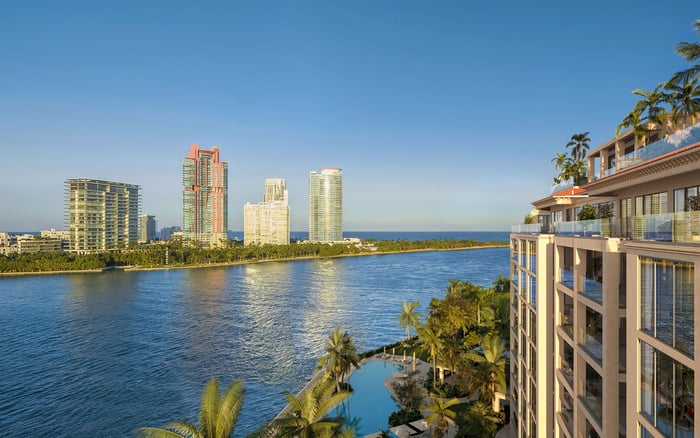
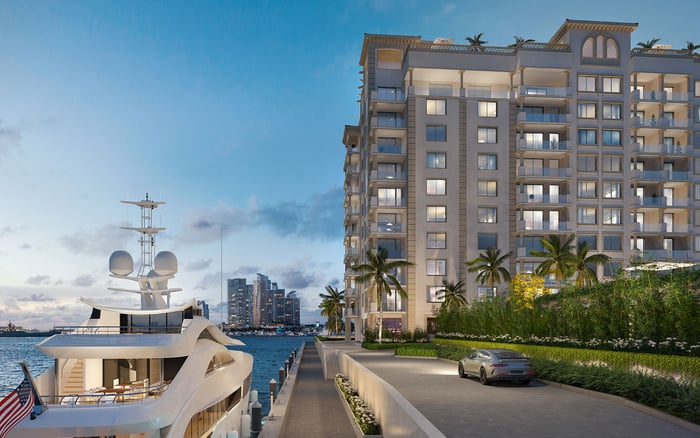
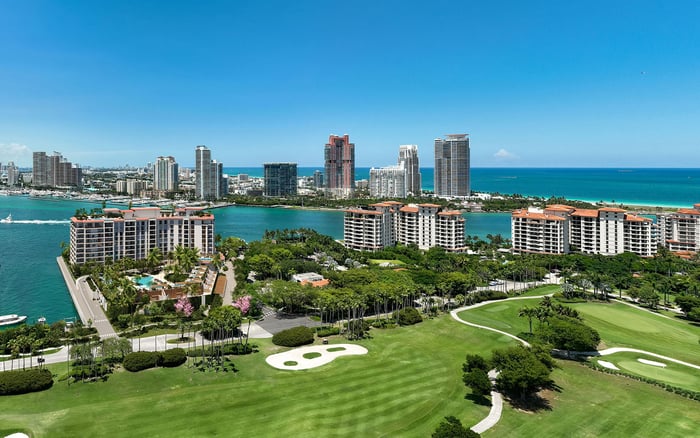
A buyer-focused look at how to evaluate Palazzo della Luna’s fitness floor beyond serene renderings, with emphasis on peak-hour capacity, circulation, equipment access, and wellness operations on Fisher Island.
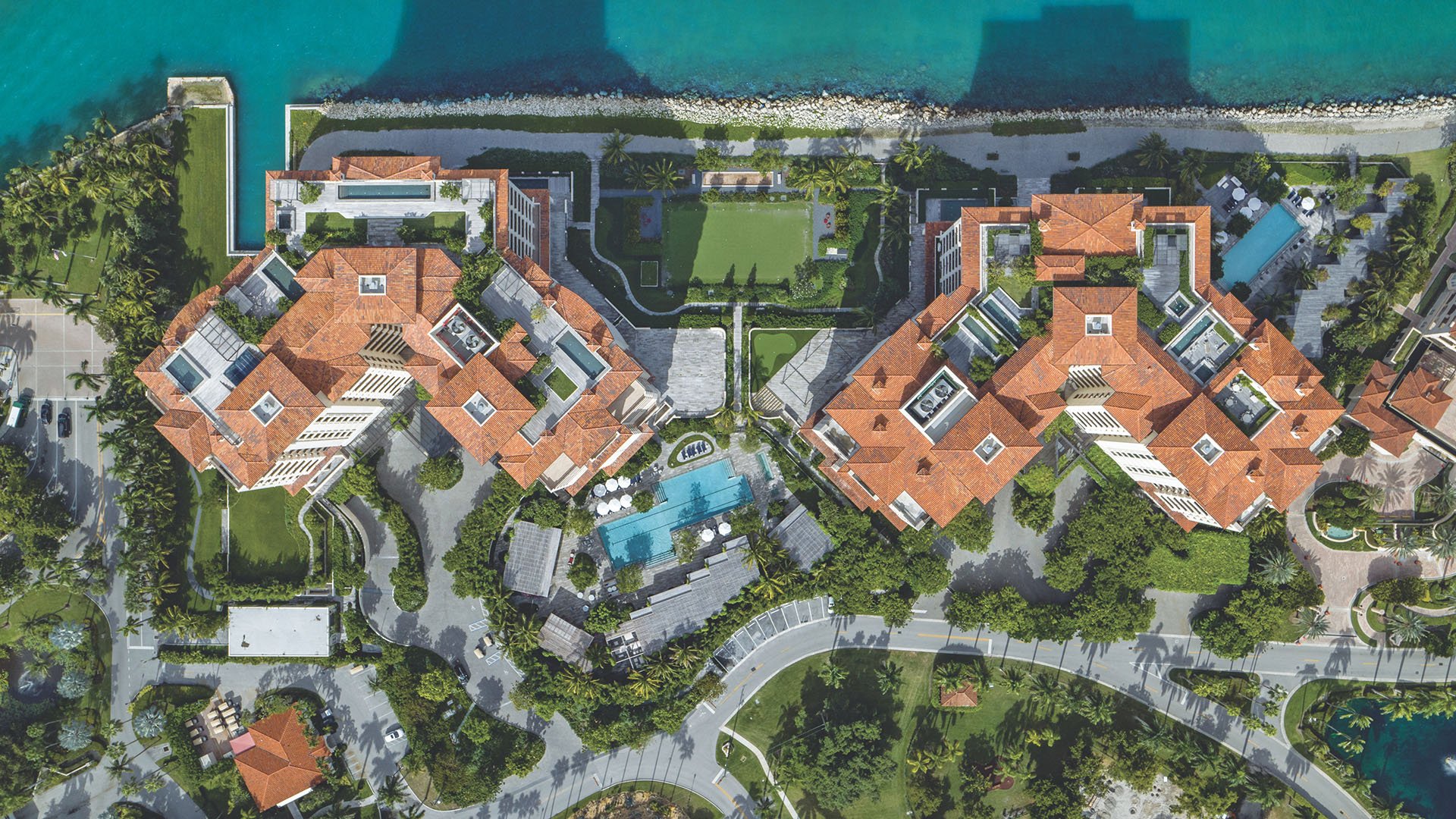
At Palazzo della Luna on Fisher Island, the fitness floor should be evaluated as daily infrastructure. That is especially true in a private-island setting, where convenience depends not only on the residence itself, but on how well the building’s wellness amenities absorb real demand. A serene rendering can suggest light, space, and calm. It cannot prove the room works when multiple residents arrive at the same time with the same morning schedule.
For a buyer considering Palazzo della Luna, the essential question is not whether the fitness environment appears elegant. The better question is whether it supports a frictionless routine during peak use. In ultra-luxury condominium life, privacy is not merely visual. It is practical. It shows up in whether the treadmill you want is available, whether a stretching area remains usable, and whether the transition from elevator to locker to workout zone feels composed rather than congested.
This is also why comparisons within Fisher Island matter. Buyers looking at Palazzo del Sol are not only comparing residences. They are comparing amenity performance, daily rhythm, and the operational discipline behind wellness spaces.
Before focusing on finishes, ask how many residents the fitness floor was designed to serve at one time. That figure is different from the total number of people who may have access. It reflects the practical capacity of the space under active use, when cardio equipment, strength stations, free-weight areas, mats, circulation lanes, and locker access are all occupied in varying degrees.
The answer should be more concrete than “spacious” or “well appointed.” A buyer should ask what assumptions were used in planning the fitness floor, what peak usage looks like during the winter season, and how simultaneous use is managed. If historical usage patterns are available, they are more useful than lifestyle language. Even informal operational knowledge can reveal whether the room is usually quiet, predictably busy, or dependent on timing.
The same approach applies across the upper end of the market, from Fisher Island to Brickell. A buyer studying The Residences at 1428 Brickell may ask different neighborhood questions, but the amenity logic is similar: the highest-value spaces perform under pressure, not only during a curated tour.
A mid-afternoon walk-through can be misleading. Off-season quiet can make a fitness floor feel larger than it will during high-season winter mornings, when residents are more likely to have overlapping routines. Early morning use is especially important because many owners prefer to work out before calls, court times, boating plans, breakfast meetings, or family commitments.
During a visit, mentally populate the room. Imagine residents arriving from the elevators while others are leaving, trainers moving between clients, one person waiting for a strength station, another using a mat area, and someone else trying to move between cardio equipment and the locker area. Does the circulation still feel intuitive? Are there natural pinch points? Would a person stretching on the floor interrupt the path to machines or adjacent wellness spaces?
This kind of walk-through is not about skepticism. It is about recognizing the difference between a beautiful room and a well-operating amenity. In the luxury tier, that distinction matters.
Peak-hour fitness quality depends heavily on whether the most desired equipment is available when residents actually want it. Popular cardio machines, strength stations, and open mat areas tend to define the user experience more than the presence of specialty equipment. A gym can photograph beautifully and still feel compromised if the core zones are overconcentrated, or if the most common exercises compete for too little open space.
Ask how the floor accommodates different workout styles at the same time. A resident doing a short cardio session, another following a trainer-led strength routine, and another looking for quiet stretching all use the room differently. If those uses overlap without friction, the amenity feels calm. If they compete for circulation and floor area, the experience changes quickly.
For buyers considering the broader Fisher Island landscape, The Residences at Six Fisher Island and The Links Estates at Fisher Island invite similar questions about how wellness, privacy, and daily movement are handled. The setting may be exceptional, but performance is still measured in ordinary moments.
A fitness floor is never just equipment and architecture. Staffing, rules, reservations, guest policies, and trainer access can materially change how crowded or usable the space feels. A building with clear norms may feel quieter than a larger space with loose controls. A reservation system may protect certain experiences, but it can also add another layer of planning. Guest access may support hospitality while increasing demand during seasonal periods.
Buyers should ask how outside trainers are handled, whether certain areas require reservations, and how management responds when multiple residents want the same amenity at once. These are not minor details. They determine whether wellness feels effortless or scheduled around conflict.
Acoustics also deserve attention. Renderings often emphasize daylight, water views, and open space, but they do not answer whether sound travels from strength training into stretching zones, whether conversations gather near entrances, or whether adjacent spa areas remain tranquil when the fitness floor is active. The more open the plan appears, the more carefully a buyer should consider how noise and movement are managed.
Palazzo della Luna should not be viewed through the fitness floor alone. On Fisher Island, wellness can include the building’s amenities, outdoor spaces, pool areas, spa environments, private routines, and club-related offerings. The buyer’s task is to understand how these elements work together. If the gym is busy, are there complementary options nearby? If a resident prefers stretching, recovery, swimming, or outdoor movement, does the overall ecosystem provide alternatives?
This matters because ultra-luxury buyers are rarely purchasing a single-use amenity. They are purchasing continuity. A strong wellness environment allows a routine to survive seasonal occupancy, guests, weather, and personal schedule changes. It should feel resilient.
That resilience is especially important for second-home owners and seasonal residents who may have limited time on island. A delayed workout or a crowded morning may seem small, but repeated friction undermines the promise of ease. The best due diligence asks how the building behaves when desire concentrates.
A buyer should request practical answers before assuming the fitness floor will feel private during peak hours. Ask for the designed user capacity, the expected busiest periods, the most commonly used equipment zones, and any operational policies governing trainers, guests, reservations, and staff supervision. If historical usage patterns are available, ask to see them or at least discuss them in detail.
Also ask to visit during a time that better approximates real demand. If that is not possible, use the tour to test movement. Stand near the elevator arrival point, walk to the locker area, continue to cardio, move through strength, and pause in the stretching zone. Notice where bodies would meet. Notice whether the most intuitive route crosses active workout areas. Notice whether the room has enough open space for unscripted use.
In a property of this caliber, the goal is not simply access to a gym. It is access to one’s own rhythm. That is the standard a buyer should apply.
Why does peak-hour performance matter at Palazzo della Luna? Because a fitness floor only supports luxury living if it remains convenient when many residents want to use it at the same time.
Is an off-season tour enough to judge the fitness floor? No. Off-season quiet can differ materially from high-season winter mornings, when workout schedules often overlap.
What capacity question should buyers ask first? Ask how many residents the fitness floor was designed to serve simultaneously, not just how many have access.
Which equipment zones deserve the closest review? Cardio machines, strength stations, and open stretching or mat areas usually reveal the most about everyday usability.
Do guest policies affect the gym experience? Yes. Guest access can change the feel of the room during busy periods, especially in season.
Should trainer access be reviewed before purchase? Yes. Trainer rules can influence crowding, reservations, sound, and the way certain zones are used.
How should buyers evaluate circulation? Walk from elevators to lockers, equipment, mats, and adjacent wellness areas while imagining multiple users moving at once.
Can renderings answer operational questions? No. Renderings may show light and views, but they cannot prove acoustics, equipment availability, or peak-hour flow.
Should the fitness floor be evaluated with other amenities? Yes. Pools, spa areas, outdoor spaces, and club-related offerings can all affect the wellness routine.
What is the luxury standard for this kind of amenity? The standard is a frictionless routine, even when demand concentrates during the most desirable hours.
For a tailored shortlist and next-step guidance, connect with MILLION.
If branded residences are on your mind — as a home or as an allocation — we would be glad to share what we are seeing, privately.
Begin a quiet conversation