Luxury real estate editorial for South Florida’s ultra-premium audience, focused on buyer priorities, neighborhood positioning, and discreet decision frameworks.
In South Florida, true luxury is rarely about spectacle. It’s the quiet efficiency of daily life: an arrival sequence that feels private even when the city is busy, an elevator that functions like a personal corridor, a staff culture that anticipates preference without performance, and a home that holds value because it is well governed.
For many high-net-worth buyers, the market has matured into a two-track conversation. There is the residence as sanctuary-designed for wellbeing and downtime. And there is the residence as a long-lived asset-defined by building operations, financial stewardship, and the durability of the location. The most compelling decisions resolve both. A penthouse view can be unforgettable, but the unglamorous mechanics determine whether ownership feels effortless.
This is where MILLION Luxury tends to focus the conversation: less on the brochure, more on how a property lives after the closing.
Luxury buyers often share a tight list of non-negotiables, even if they use different language.
First is privacy-not “exclusive” as a marketing word, but privacy in practice: controlled access, a thoughtful unit count, and circulation that minimizes unwanted contact. Second is service. Staffing is the difference between a building that looks refined and one that performs at a five-star standard. Third is governance. Strong condo governance keeps culture, maintenance, and capital planning aligned for decades.
Ask direct, operational questions early: How are reserves handled? How quickly are maintenance issues resolved? What has the pattern of special assessments looked like over time? Buildings with disciplined planning tend to feel calm-even during major upgrades.
When you compare ownership experiences between neighborhoods like Brickell and Miami Beach, governance and staffing can matter as much as the view line.
South Florida’s premium neighborhoods are not interchangeable. Each is a lifestyle contract you sign with the city.
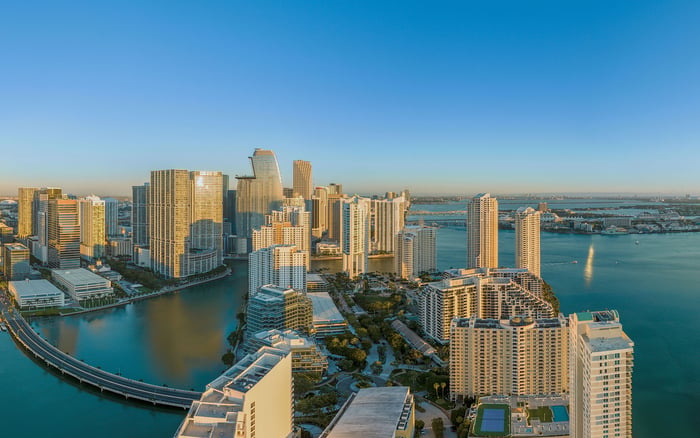
Brickell is about proximity and velocity: dining, finance, cultural access, and the ability to move from residence to reservation without a car. If your calendar is dense, Brickell’s best product can be a strategic advantage. A project like 2200 Brickell represents the kind of address that can appeal to buyers who want a residential feel while staying close to the city’s core.
Miami Beach is the counterpoint: more ritual, more ocean, more architectural romance. For buyers who anchor their routine to the coastline, the right building can deliver a controlled, tranquil version of the Beach. Pay close attention to how the building handles arrivals, beach access, and guest flow-particularly in high season. A coastal option such as 57 Ocean Miami Beach speaks to that quieter, design-forward end of the spectrum.
Further north, the appeal often becomes a blend of beach immediacy and a more relaxed cadence. The right oceanfront building can deliver a resort-like daily rhythm without sacrificing sophistication. 2000 Ocean Hallandale Beach is a reminder that ultra-premium living is not confined to the most famous ZIP codes.
The most important difference between new construction and resale is not the finish package. It’s the timeline of responsibility.
New construction can offer a cleaner start: fresh systems, contemporary layouts, and amenities calibrated to current expectations. You may also have clearer visibility into the intended “brand” of the building, even if the lived-in culture is still forming. The tradeoff is that you are betting on execution, staffing, and how the community ultimately coalesces.
Resale can offer proven performance: you can observe how the building operates, how the board behaves, and how the resident culture feels. The tradeoff is inherited infrastructure and the possibility of deferred maintenance. The strongest resale opportunities are often those where upgrades are already in motion and governance is demonstrably disciplined.
If you prioritize certainty over novelty, resale can be compelling. If you prioritize modern planning and a true “first chapter” ownership experience, new construction may win.
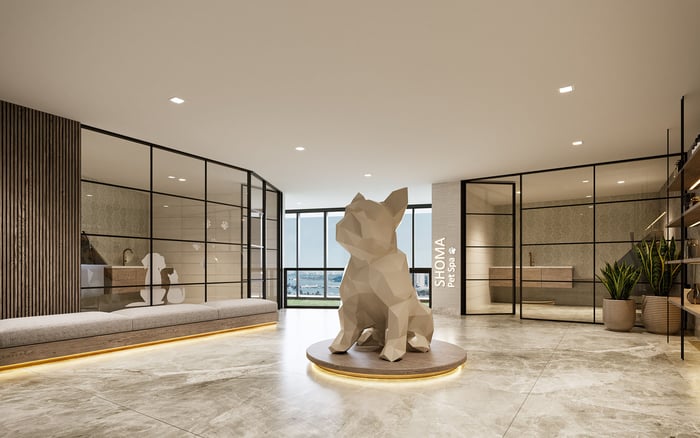
Amenities have shifted from a competitive checklist to a genuine extension of the home. Wellness is no longer a yoga room with a logo on the wall. Buyers increasingly look for coherent programming and spaces that feel naturally integrated into the building’s day-to-day lifestyle.
Look for privacy within the amenity plan: quiet corners, smaller rooms that feel reservable, and circulation that avoids crowding. Evaluate the gym not by size alone, but by natural light, equipment quality, and whether it’s designed for real use rather than marketing photography.
If wellness is central to your routine, a concept-forward project such as The Well Coconut Grove signals where the market is headed: amenities designed to support long-term health, not just weekend entertaining.
In ultra-premium real estate, due diligence should feel like an audit of future friction. The goal is not to find perfection; it’s to identify, understand, and properly price the points of responsibility.
Start with building operations: staffing levels, vendor relationships, and the clarity of maintenance planning. Next, confirm your practical needs: pet policies if relevant, guest procedures, package handling, and rules around renovations.
Then move into unit-specific considerations: noise transfer, elevator adjacency, mechanical locations, and the quality of windows and doors. In South Florida, resilience matters. Pay attention to how the building handles wind, water management, and system redundancy. Even when a property is beautiful, operational excellence is what keeps it feeling beautiful.
Finally, treat the neighborhood as part of the asset. Walk the block at different times. Note traffic patterns. Understand how seasonal shifts affect access.
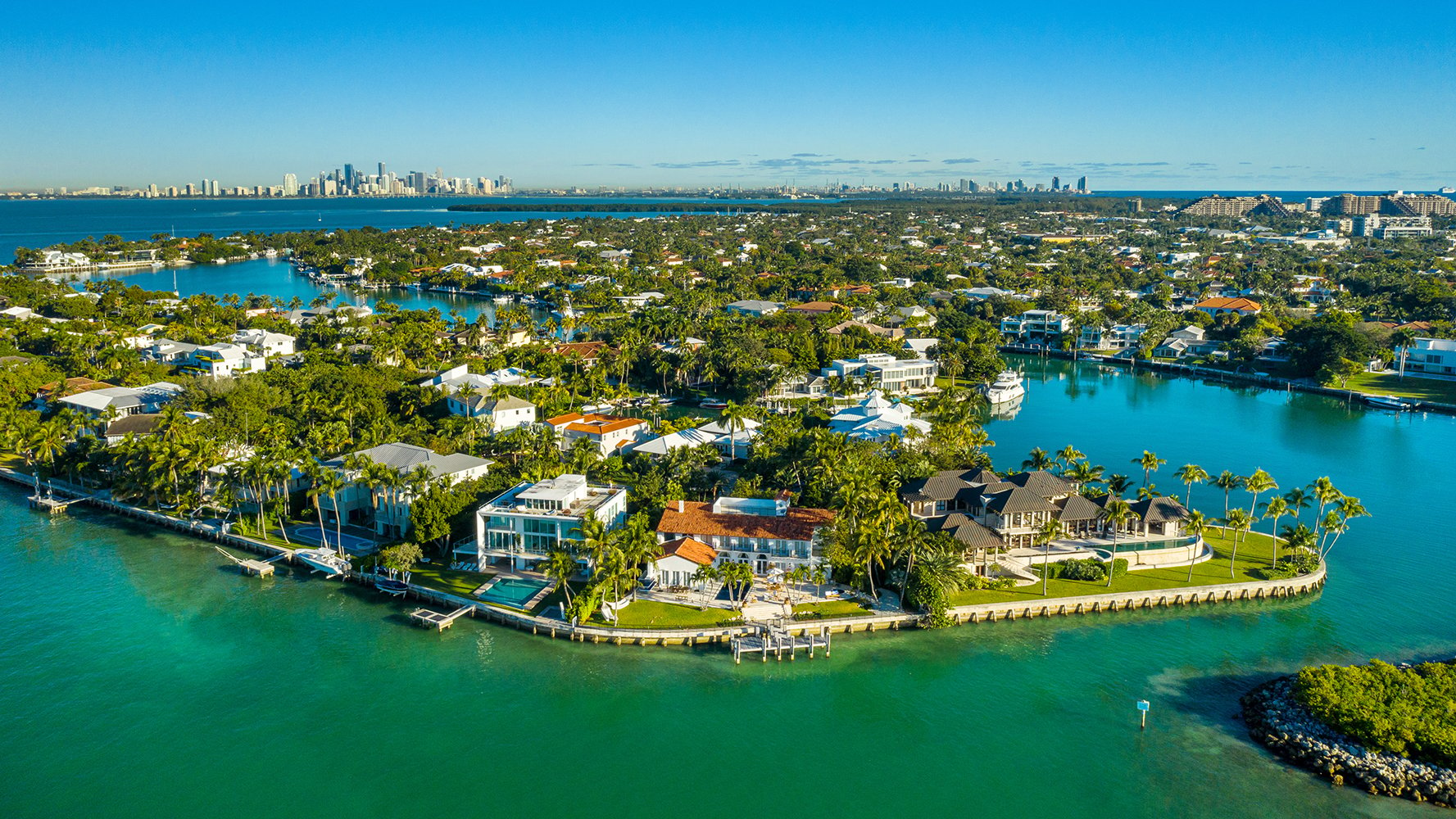
Many buyers in this market are not purchasing a single home; they are assembling a set of places that supports different modes of life. A primary residence in Brickell for weekday speed. A Miami Beach or oceanfront residence for decompression. A quieter enclave for longer stays and hosting.
The most sophisticated ownership strategies avoid redundancy. If you already have a skyline view, an oceanfront exposure can add emotional contrast. If your routine is already ocean-centered, a walkable urban address can add everyday convenience. The point is not “more,” but better coverage across time, mood, and use.
Trends come and go, but a few fundamentals remain consistent in the ultra-premium segment.
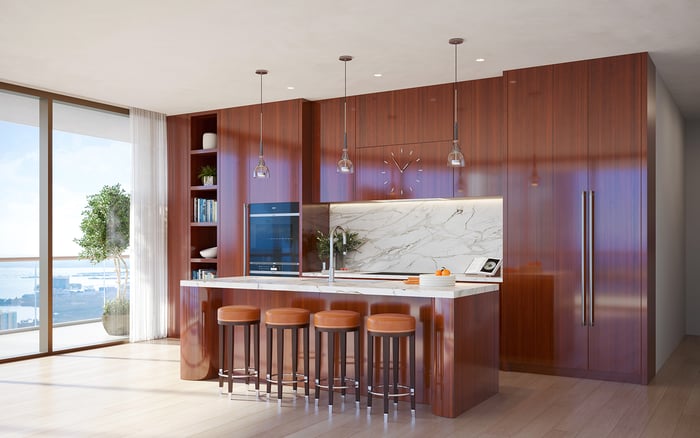
Proportions are everything. Ceiling height, window placement, and room widths determine whether a space feels expansive. Natural light-especially the quality of morning and late-day light-changes how a home lives.
Equally important is the calm of the plan: how the kitchen relates to entertaining areas, whether bedrooms feel truly separate, and whether storage is thoughtfully integrated. A residence can be visually striking and still feel restless if circulation is awkward.
When touring, pause the sales narrative and simply stand in each major room. If the plan is right, you’ll feel it.
What is the first decision to make when buying luxury real estate in South Florida? Decide whether your priority is lifestyle (daily routine) or asset discipline (governance and resilience), then align the location to that priority.
Is Brickell better for a primary residence than Miami Beach? Brickell often suits buyers who want walkable convenience; Miami Beach can suit those who want an ocean-anchored, resort-like rhythm.
How important are building staff and service levels? They are central: staffing quality shapes privacy, problem resolution, and whether ownership feels effortless.
Should I prefer new construction or resale? New construction can offer modern systems and layouts; resale can offer proven governance and a known ownership culture.
What should I look for beyond finishes when touring a condo? Focus on plan quality, noise considerations, elevator adjacency, and how the building operates day to day.
Do amenities still matter at the ultra-luxury level? Yes, but buyers increasingly value wellness, privacy, and usability over sheer quantity or spectacle.
How can I evaluate privacy in a luxury building? Look at unit count, access control, elevator strategy, and how residents and guests circulate through common spaces.
What is the biggest risk to enjoyment after closing? Operational friction: unclear rules, under-resourced management, or deferred maintenance can undermine the experience.
Can I buy for lifestyle and still protect resale value? Yes; choose locations with enduring appeal and buildings with disciplined governance and strong maintenance culture.
How do I start narrowing choices efficiently? Identify two neighborhoods that match your routine, then compare buildings by privacy, governance, and plan quality.
For a tailored shortlist and next-step guidance, connect with MILLION Luxury.
If branded residences are on your mind — as a home or as an allocation — we would be glad to share what we are seeing, privately.
Begin a quiet conversation