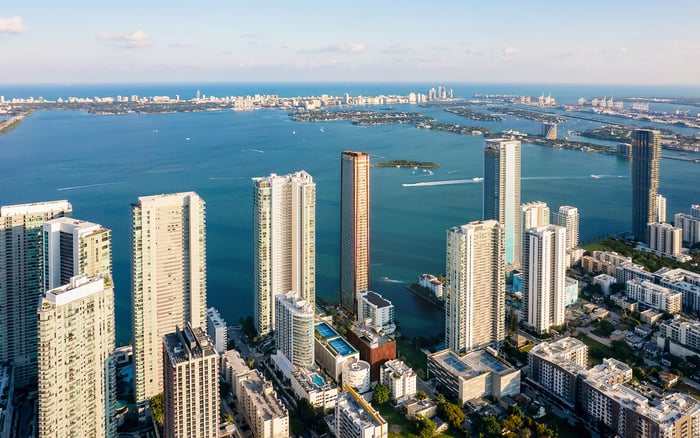
From Miami skyline towers to beach-adjacent boutique buildings in Fort Lauderdale and Palm Beach, South Florida's pipeline of new luxury developments is reshaping modern coastal living. This guide explains where inventory is arriving, what separates true luxury from simple newness, and how to evaluate pre-construction and newly delivered residences with confidence. Use it as a framework for comparing locations, amenities, building operations, and timelines, so you can match a purchase to the lifestyle, views, and long-term usability you actually want.
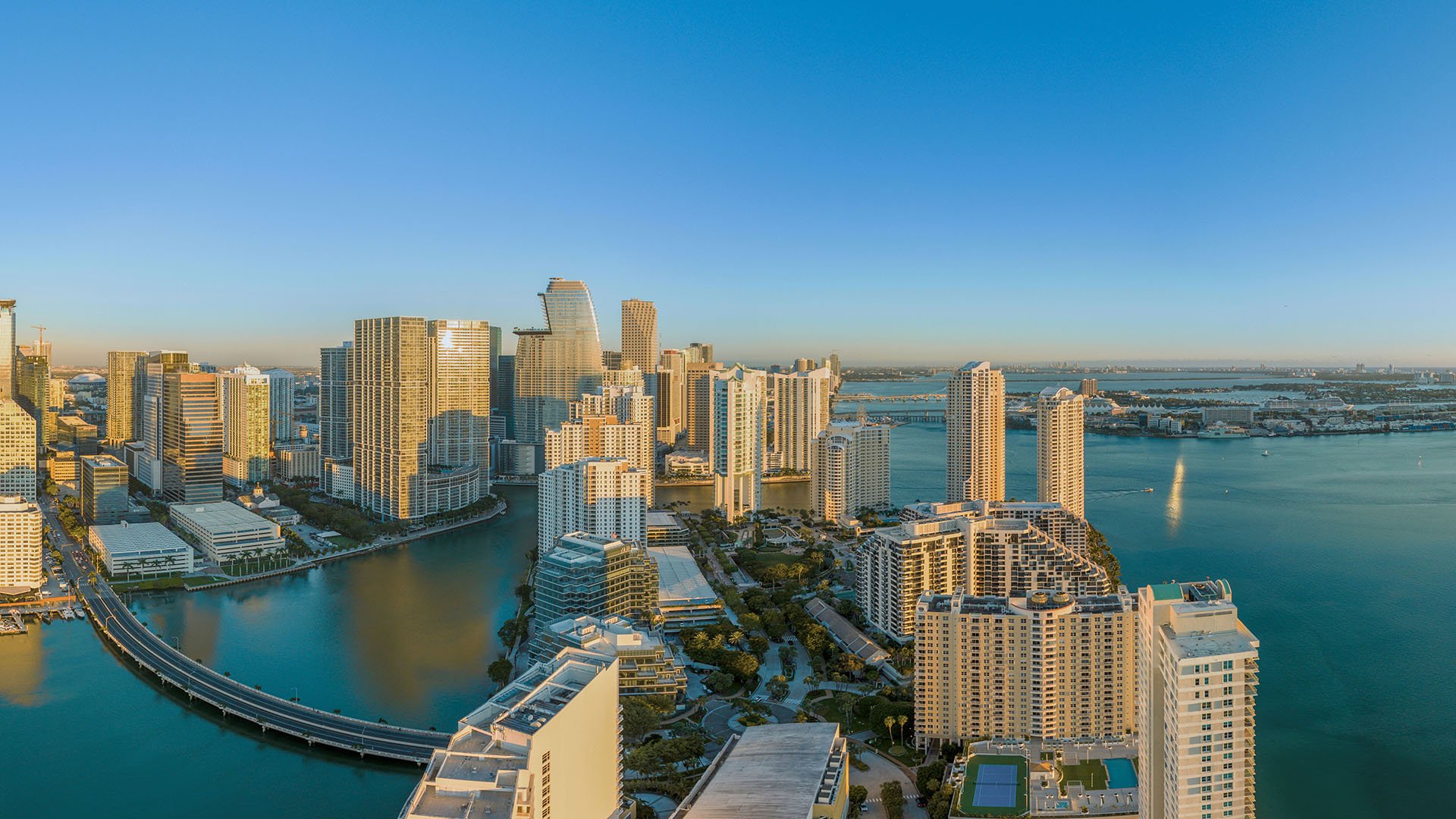
South Florida has become a market where lifestyle is the headline and the real differentiator is precision: the right view corridor, the right building operations, the right privacy and service level, and a floor plan that lives as elegantly on a quiet Tuesday as it does when guests arrive for the weekend. That is why new luxury developments in South Florida draw such sustained attention. In a region with limited prime waterfront land and strict zoning in many coastal pockets, truly compelling new inventory tends to be selective, design-led, and amenity-rich.
For buyers, the opportunity is not only freshness. It is the chance to secure a residence that reflects how luxury is being defined now: wellness-forward spaces, better acoustics and glazing, more considered back-of-house layouts, and a level of building staff and technology that can make lock-and-leave ownership feel effortless. At the same time, New Construction introduces its own decision matrix, from deposit schedules and delivery timelines to how the association will actually operate the amenities once the building is lived in.
If you want a clean starting point for comparison, MILLION Luxury's new luxury developments in South Florida is a practical way to scan what is actively being marketed across the region. Think of it as a map, not a mandate: the goal is to understand the field, then narrow quickly to the handful of addresses that truly align with your priorities.
In South Florida, new luxury is increasingly less about sparkle and more about performance. The most desirable towers and boutique buildings tend to emphasize arrival and privacy (dedicated lobbies, discrete resident access, private elevator entries), plus residential-scale conveniences that remove friction: secure package handling, refrigerated storage for deliveries, well-run valet, and staff who understand service without overreach.
Design cues matter, but they are only part of the story. Floor-to-ceiling glazing, deeper terraces, and higher ceilings can elevate light and views, yet they also change how a residence feels day to day: airflow, sound attenuation, heat gain, and the ability to furnish outdoor rooms in a way that feels like a real extension of the interior. A serious luxury building also reveals itself in the details that rarely make the first brochure skim: corridor widths, soundproofing between units, reliable HVAC zoning, backup power strategies, and how the loading and service circulation is separated from resident spaces.
The rise of Branded Residences adds another layer. In the best cases, a brand relationship is not marketing. It is an operating philosophy that shapes staff training, concierge standards, wellness programming, and even the cadence of maintenance and building presentation. For buyers who value consistency and turnkey ease, Branded Residences can be compelling, but it is still essential to study exactly what is included, what is optional, and what is simply adjacent, such as hotel services available by request rather than by right.
Miami remains the most visible laboratory for vertical luxury, with continued momentum in districts where a buyer can trade time in traffic for time in the city. The strongest demand often clusters around walkability, dining, arts, and easy access to the water, whether that means a bayfront vantage or proximity to marinas. For many buyers, Miami is less about a single neighborhood name and more about a lifestyle equation: sunrise light, a clean route to the airport, and a building that can support both privacy and entertaining.
Fort Lauderdale has evolved into a distinctly polished option, balancing yachting culture with a calmer day-to-day rhythm. Newer inventory tends to appeal to buyers who want waterfront access and a refined, residential feel without giving up a sophisticated restaurant and cultural scene. Fort Lauderdale also rewards careful micro-location work: beach adjacency is different from deep waterway access, and the right choice depends on whether you prioritize sand underfoot, boat logistics, or a blend of both.
Palm Beach and the surrounding coastal towns continue to set a standard for low-density prestige and long-term desirability. New development here is often about selectivity, with buyers looking for elevated finishes, discreet architecture, and proximity to the places that define a season: clubs, shopping, and the beach, all within a tidy radius. The Palm Beach buyer profile often values timelessness over trend, so the most successful new product tends to read as enduring rather than flashy.
Across South Florida, the smartest approach is to treat location as a portfolio of routines: where you will actually spend mornings, how often guests will visit, what you want within a ten-minute radius, and whether you prefer a building that feels like a private enclave or a high-service hub. Views matter, but so does the experience between your front door and the street.
First, separate marketing timelines from real-life delivery. In pre-construction, dates can shift for reasons that have nothing to do with the quality of the final product. Your goal is not to avoid projects with moving targets, but to price the timeline into your strategy: when deposits are due, when you need flexibility, and whether you have a plan if delivery lands later than expected.
Second, read the building as an operating business, not only as a piece of architecture. Ask how amenities will be staffed, what hours are realistic, and how the association budget supports what is being promised. A beautiful wellness floor means little if the service model is thin, the equipment is under-specified, or the ongoing costs create pressure to cut corners later. This is also where you evaluate policies that shape livability: pet rules, guest procedures, move-in logistics, noise standards, and whether short-term renting is restricted.
Third, treat the residence itself like a long-term instrument. Look beyond the staging and ask pragmatic questions: Where will you store luggage and seasonal items? Is there a true laundry room? Can the kitchen handle both daily use and catering? Do secondary bedrooms feel like real bedrooms or like overflow space? For families, school proximity and commute patterns matter more than brochure language. For buyers with boats, confirm marina logistics rather than assuming they exist because a map shows water nearby.
Finally, preserve optionality. New luxury developments in South Florida can offer meaningful upside in customization and early pricing, but the best outcomes come from disciplined comparison: stack lines, exposure, floor elevation, and how the building sits relative to future development parcels. Availability, pricing, and specifications can change, so verify what matters in current offering materials and align your choices with how you actually live.
What is the difference between new construction and pre-construction? New construction is typically delivered or near delivery, while pre-construction is sold before completion. Pre-construction can offer earlier pricing and selection, but timelines and final details may evolve.
How much are deposits for New Construction condos in South Florida? Deposit structures vary by developer and project, often staged across milestones. Your contract should clarify dates, amounts, and what triggers each payment.
Are Branded Residences worth the premium? Branded Residences can justify a premium when the brand meaningfully improves operations, service, and long-term presentation. Focus on what is contractually included versus what is optional or nearby.
Which areas are most in demand right now: Miami, Fort Lauderdale, or Palm Beach? Demand depends on lifestyle: Miami for city energy and vertical luxury, Fort Lauderdale for yachting culture and balance, and Palm Beach for low-density prestige. The right choice is usually driven by routines and access.
How do I evaluate a building's amenities beyond the brochure? Ask how amenities will be staffed, what hours are planned, and how the budget supports maintenance and upgrades. A tour of comparable buildings run by the same team can be revealing.
What should I look for in a floor plan for daily livability? Prioritize storage, acoustics, kitchen functionality, and bedroom separation. Confirm terrace usability, HVAC zoning, and whether the layout supports both privacy and entertaining.
How important is exposure and view protection in South Florida towers? Exposure shapes light, heat gain, and wind, and view corridors can impact long-term value. Review nearby parcels and planned development to understand what could change.
Can I rent out my residence in a new development? Rental rules vary widely, from strict limitations to more flexible policies. Confirm minimum lease terms, approval processes, and whether short-term rentals are prohibited.
What fees should I expect besides the purchase price? Plan for association dues, possible developer contributions, property taxes, insurance considerations, and closing costs. In some cases, there may be one-time capital contributions at closing.
How do I compare multiple new luxury developments in South Florida efficiently? Create a shortlist based on non-negotiables like view type, location routine, and building operations, then compare stack lines, policies, and true monthly carrying costs.
For a discreet, buyer-first shortlist and live inventory, begin with MILLION Luxury.
If branded residences are on your mind — as a home or as an allocation — we would be glad to share what we are seeing, privately.
Begin a quiet conversation