A MILLION Luxury editorial crafted for South Florida’s ultra-premium residential buyer, with a buyer-oriented structure, neighborhood framing, and discreet guidance on evaluating new construction, amenities, and lifestyle fit.
South Florida’s top end has matured into a market where the “right” purchase is less about a single headline feature and more about alignment: daily rhythm, privacy, services, and whether a building’s rules support how you actually live. For some, that means true lock-and-leave ease-professional staff, streamlined operations, and a tight owner profile. For others, it means a residence that lives like a private home in the sky, with generous outdoor space, quiet elevator arrivals, and a floor plan that welcomes extended family without feeling hectic.
At MILLION Luxury, we see buyers move decisively once three elements are clear: (1) a neighborhood that matches their personal version of Miami, (2) a building with service levels that will still feel effortless years from now, and (3) a residence type that protects both lifestyle and resale flexibility. The goal is clarity-not urgency.
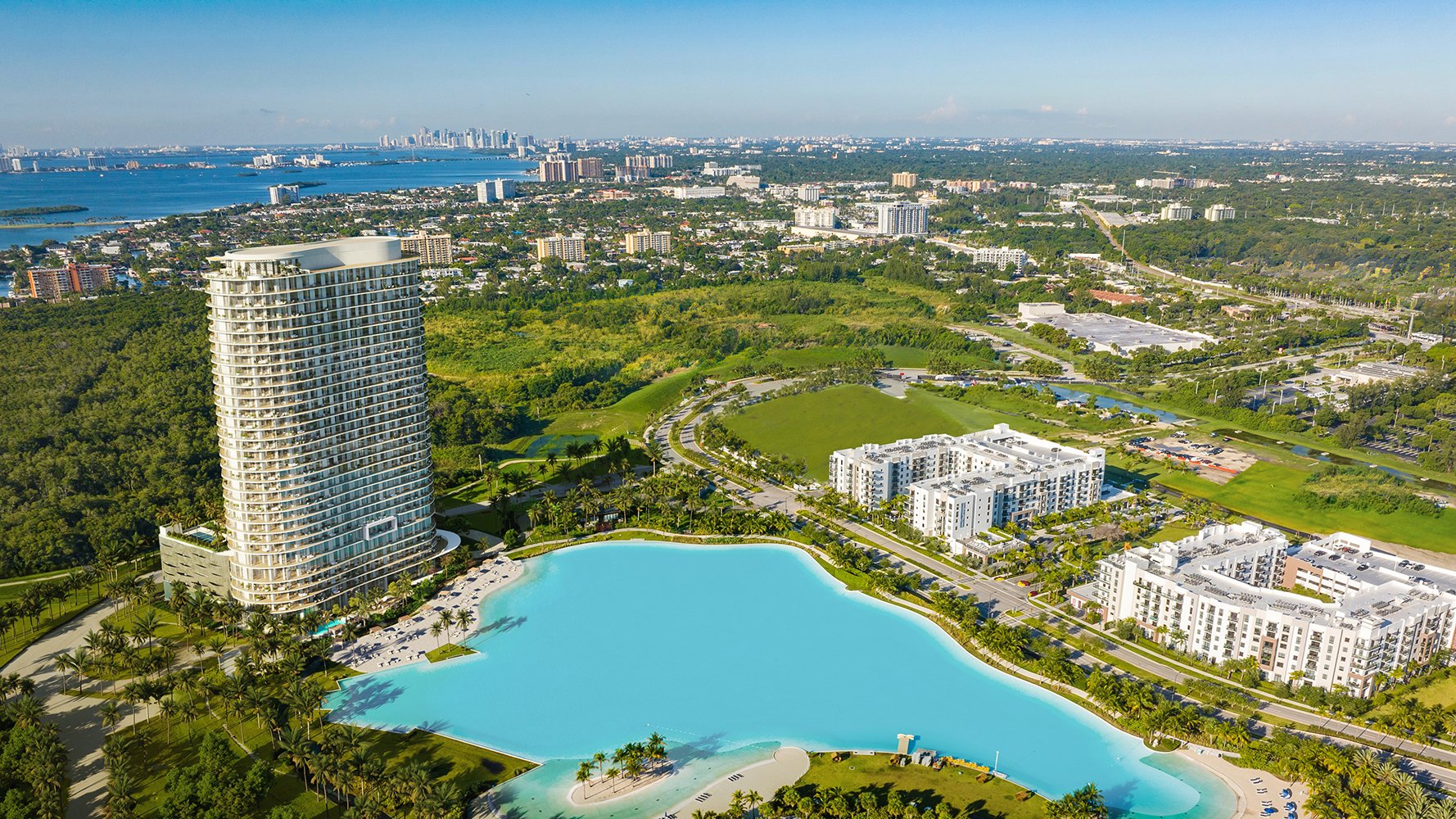
In North Miami, One Park Tower by Turnberry North Miami is one project buyers may consider.
South Florida is a collection of micro-markets, each with its own social temperature, commute logic, and privacy profile.
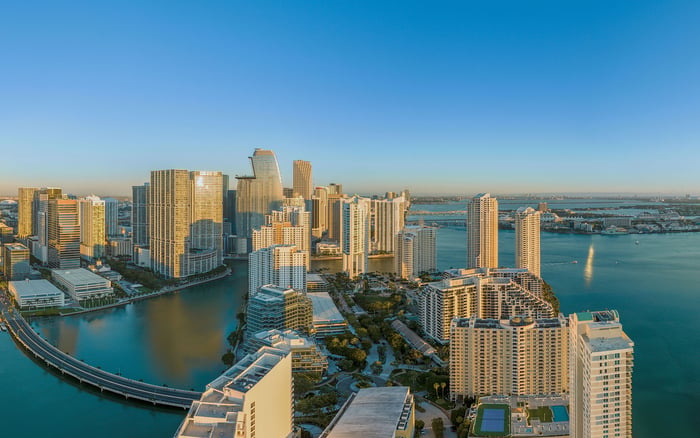
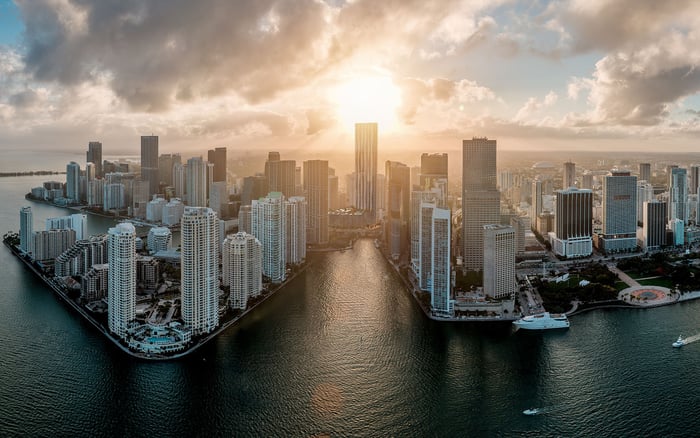
Brickell and the urban core reward buyers who want walkability, vertical energy, and the convenience of being close to business and dining. In that setting, a newer, design-forward tower can be especially compelling when it delivers a calmer residential experience than the street-level pace suggests. Consider how a project like 2200 Brickell suits a buyer seeking modern interiors and a refined, residential tone-while staying close to the city’s center of gravity.
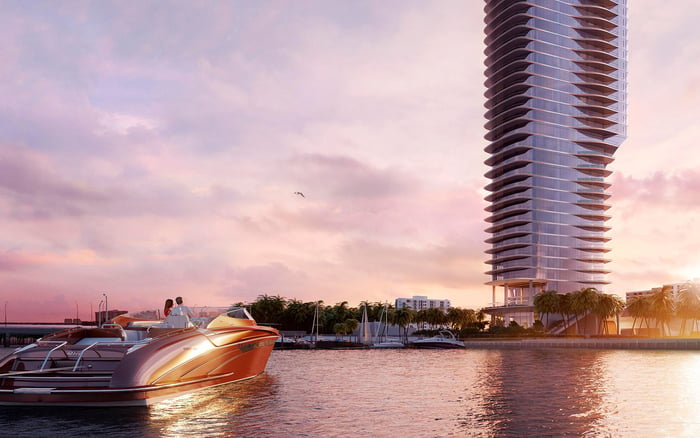
Miami Beach and Surfside offer a different thesis: ocean air, a more resort-like cadence, and an emphasis on arrival. Here, value often concentrates around privacy, true beachfront positioning, and how the building manages circulation on weekends and during peak seasons. A buyer who wants the classic, relaxed authority of oceanfront living may find 57 Ocean Miami Beach aligned with a quieter Beach experience.
Bay Harbor Islands is often chosen for discretion and a more intimate, residential feel, with proximity to Bal Harbour and the Beach. For buyers who want calm water and a community scale that reads more “insider” than “scene,” a wellness-forward concept such as The Well Bay Harbor Islands can be a natural fit.
Further north or south, the decision becomes even more lifestyle-specific: do you need a true oceanfront morning routine, or are you prioritizing boating access, schools, or the ability to entertain without leaving your neighborhood? The right neighborhood reduces friction. The wrong one turns even a beautiful residence into a compromise.
At the ultra-premium level, a building’s “soft” attributes create the real differentiation. Pay attention to what never shows up in a render.
First, staffing and service culture. A building can have spectacular finishes and still feel transactional if arrivals, deliveries, and guest management are treated as afterthoughts. A properly run tower, by contrast, feels intuitive: the lobby is never surprised to see you, and privacy is protected by default.
Second, rules and day-to-day friction. Many luxury buyers assume they can decide later how they’ll use the residence, but governing documents can narrow your options. If you anticipate hosting frequently, using household staff, or traveling extensively, evaluate policies on guests, move-ins, renovations, and package handling. If you are investment-adjacent, clarify how leasing works and whether the building’s rhythm supports your preferred rental cadence.
Third, owner mix and seasonality. Some buildings feel serene year-round; others shift dramatically between high season and summer. Neither is inherently better-you simply want the version that matches your tolerance for change.
Finally, understand what you’re really paying for. High service and resort-level amenities often mean higher ongoing costs, but they can also support resale value by protecting the building’s reputation and maintenance standards. The right answer is rarely the lowest number; it’s the cost structure you can carry comfortably while still loving the experience.
New construction can deliver today’s design language, modern mechanical systems, and a contemporary amenity set. It can also demand patience-and a higher tolerance for phased completion, ongoing punch-list work, and evolving operations in the early years of occupancy.
Resale, on the other hand, offers visibility. You can see how the building runs on a normal Tuesday, not just during a guided tour. You can also evaluate the true livability of the layout: how the kitchen functions, whether the balcony is genuinely usable, and what wind and sound feel like at your elevation.
For many buyers, the best strategy is deciding which uncertainty you prefer. New construction can bring uncertainty around the final lived experience; resale can bring uncertainty around upcoming capital projects and how well prior ownership maintained the home.
If you’re drawn to a newer oceanfront experience with a strong sense of arrival, 2000 Ocean Hallandale Beach offers a useful reference point for the boutique-feeling, lifestyle-led product many buyers seek in Hallandale.
Luxury buyers are often surprised by how quickly the conversation shifts from finishes to flow. Small design decisions have outsized impact on daily life.
Elevator arrival is one of them. A more private landing and direct access can change the entire psychology of the home, especially for buyers who value discretion. Storage is another: a residence can photograph beautifully and still underperform if it lacks practical closet volume, service entries, or a smart laundry location.
Outdoor space is where many homes win or lose long-term. A balcony that’s too shallow to furnish isn’t an amenity-it’s a design detail. If outdoor living matters, look for depth, wind protection, and a plan that makes the terrace feel like an extension of the interior.
Also consider how your home will handle “two lives.” Many owners live one way when they’re alone and another when family visits. The best plans accommodate both without constant reconfiguration.
Amenity lists are easy to assemble; amenity utility is rare.
Prioritize wellness spaces you’ll use without negotiating for them. A high-quality fitness experience, a calm pool deck, and thoughtful spa facilities tend to become part of routine rather than occasional indulgence. Likewise, a truly functional co-working or meeting space can be a meaningful asset for buyers who split time between the residence and elsewhere.
If you entertain, look for amenity environments that feel like an extension of your home-not a generic clubhouse. A well-designed lounge, a private dining setting with a professional-grade kitchen, and clean guest circulation will matter more than novelty.
For many, security and privacy are the real luxury amenities. The buildings that manage access gracefully-without creating a constant sense of surveillance-are often the ones that feel most elevated.
Rather than a ranked list, think in terms of lifestyle alignment.
If Brickell is your center of gravity, look for a residential tone that offsets the neighborhood’s pace. 2200 Brickell is worth considering as part of that conversation.
If your priority is oceanfront calm with a refined Beach sensibility, 57 Ocean Miami Beach suits a buyer who values a quieter, more private day-to-day.
If you want a wellness-led, community-scaled setting close to the Beach while remaining discreet, The Well Bay Harbor Islands belongs on the radar.
If Hallandale is compelling for its accessibility and evolving luxury inventory, 2000 Ocean Hallandale Beach offers an instructive model of the boutique, service-forward direction many buyers prefer.
The point isn’t to chase every new name. It’s to decide what your life should feel like on an ordinary day-then choose the building that protects that feeling.
At the top end, diligence isn’t about distrust. It’s about ensuring the residence remains a pleasure, not a project.
Review governing documents carefully and confirm how the building handles rentals, pets, renovations, and guest policies. Understand the association’s financial posture and the building’s maintenance strategy. In a higher-service environment, confirm what’s truly included in the cost structure-and what is billed separately.
Inside the home, look beyond finishes. Assess noise, wind, shade patterns, and HVAC behavior. If you’re evaluating a waterfront or oceanfront property, understand how salt air affects maintenance cycles. If you plan to customize, confirm what’s permissible and whether there are restrictions on materials, work hours, or contractors.
Finally, think ahead to resale. Even if you intend to keep the residence for years, flexibility matters. The most liquid luxury homes tend to combine a strong location, a respected building experience, and a layout that makes sense to more than one type of buyer.
What is the first decision to make when buying luxury in South Florida? Choose the neighborhood that matches your daily rhythm, then evaluate buildings within it.
Is new construction always better at the luxury level? Not always; it can offer modern design, but it may come with early-year operational unknowns.
How important are building rules for an ultra-luxury buyer? Extremely; policies on guests, renovations, and leasing shape your real-world flexibility.
What amenities tend to hold value over time? Wellness, security, and service-oriented spaces typically outlast novelty amenities.
How do I evaluate privacy in a condo building? Focus on elevator arrival, resident circulation, staffing, and how guest access is managed.
Should I prioritize a larger terrace or more interior square footage? Choose what you’ll actually use; a functional terrace can meaningfully expand livability.
What makes Brickell different from Miami Beach for buyers? Brickell emphasizes urban walkability; Miami Beach emphasizes oceanfront lifestyle and arrival.
Why do some buyers prefer Bay Harbor Islands? It offers a more discreet, residential feel while remaining close to Bal Harbour and the Beach.
How can I protect resale value when buying a luxury condo? Prioritize location, building operations, and a layout with broad appeal and livability.
When should I involve a specialist advisor? Early-so you can compare building rules, operations, and true lifestyle fit before deciding.
For a discreet conversation and a curated building-by-building shortlist, connect with MILLION Luxury.
If branded residences are on your mind — as a home or as an allocation — we would be glad to share what we are seeing, privately.
Begin a quiet conversation