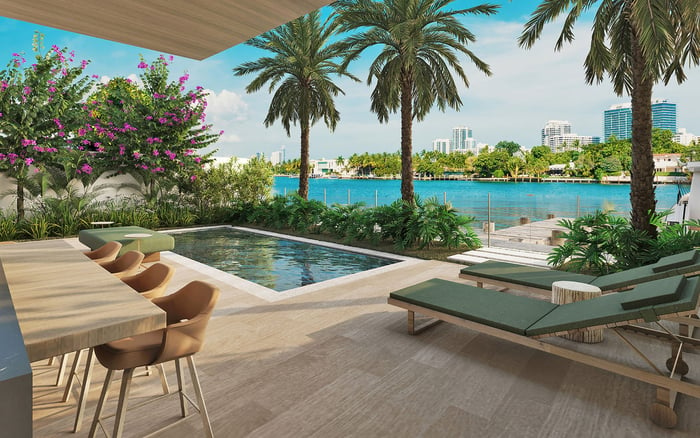
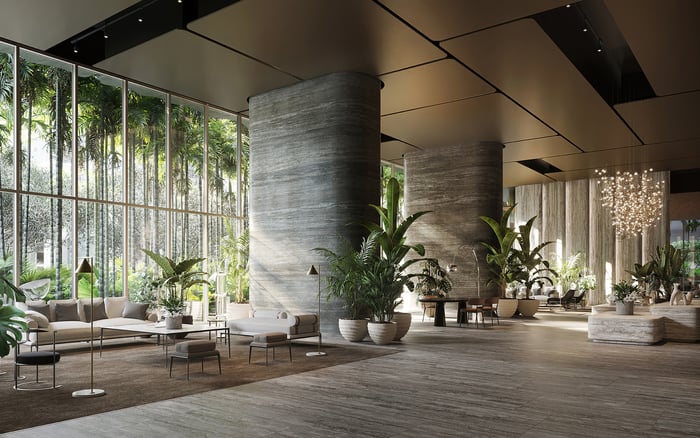
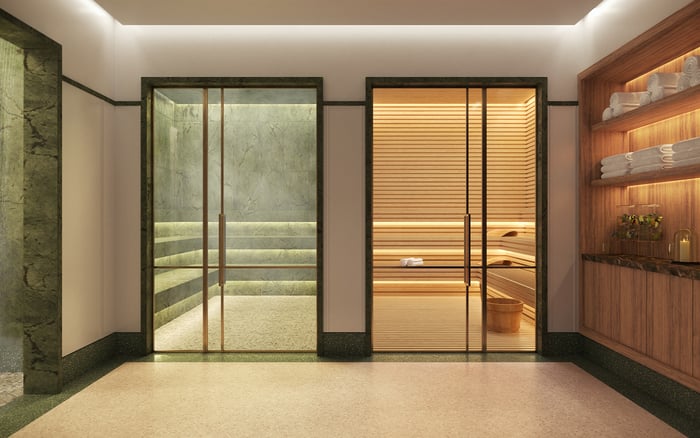
A discreet, buyer-oriented comparison of what “clinical grade” air purification can mean in a luxury condominium context, and how to evaluate wellness-forward positioning when choosing between two Bay Harbor Islands addresses.
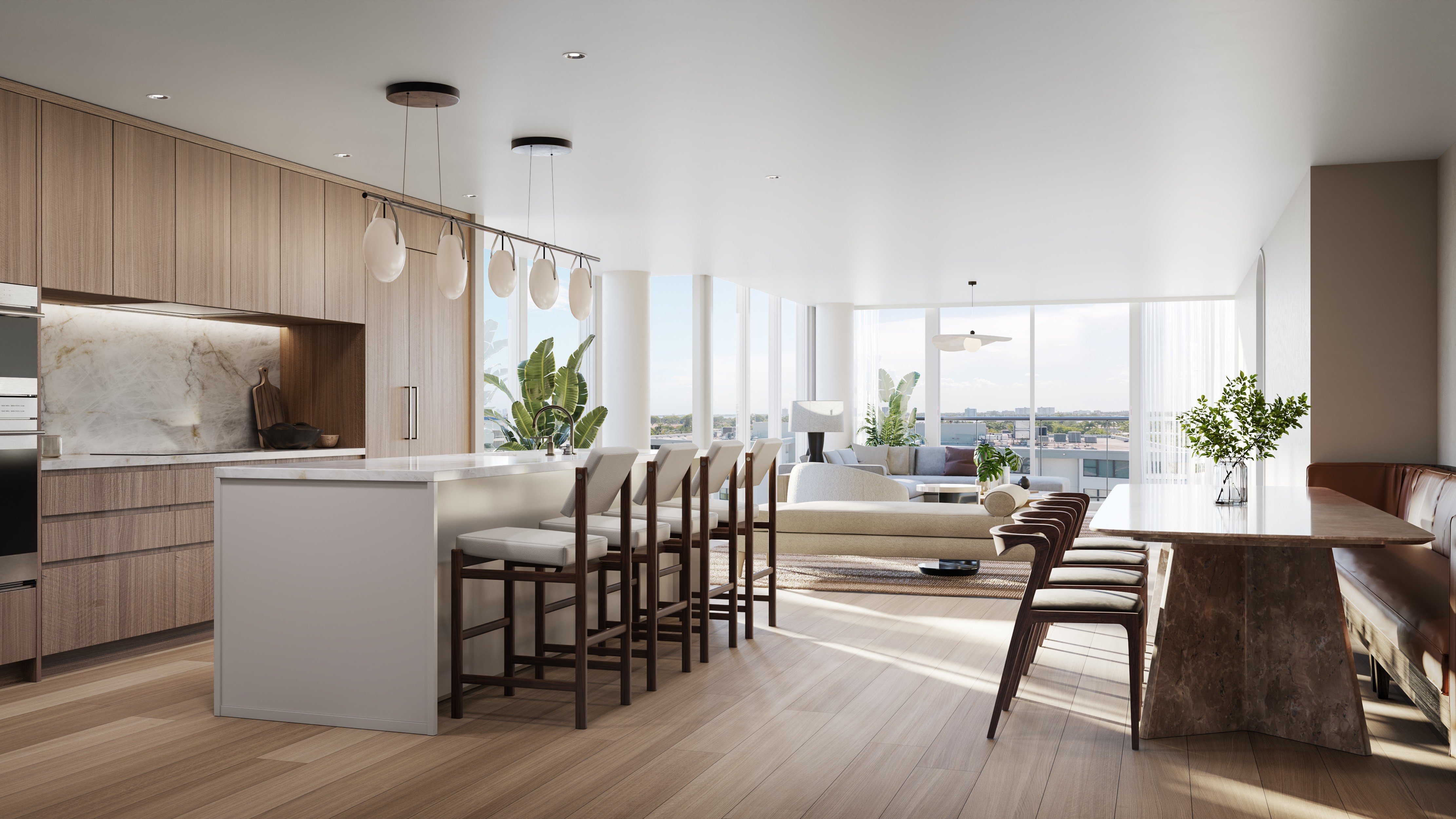
In a market where waterfront views and curated amenities are table stakes, indoor air quality has become a quieter divider among premium new-construction residences. Buyers are spending more time inside, hosting more often, and expecting a home to feel restorative-not merely impressive. In Bay Harbor Islands, that shift lands especially well: the neighborhood’s calm, walkable character supports an at-home lifestyle where comfort details genuinely matter.
This is the lens through which many purchasers are comparing The Well Bay Harbor Islands with Alana Bay Harbor Islands. Both speak to modern expectations, but the phrase “clinical grade air purification” can mean very different things depending on what is actually built into the mechanical systems, what is controllable at the residence level, and how the building will be operated long after the sales gallery is gone.
With limited publicly comparable technical disclosures available at a glance, the most sophisticated approach is not to debate slogans. It is to evaluate air as a system-and then decide whether a building’s intent and execution align with your household’s sensitivity, lifestyle, and priorities.
“Clinical grade” is not a single, universal standard in residential construction. In practice, it is typically shorthand for a combination of:
Particulate filtration capable of capturing a high percentage of fine particles.
Air cleaning that targets odors and certain gases (often framed as VOC reduction).
Ventilation strategy that manages the mix of outside air and recirculated air.
Humidity management that reduces the conditions in which irritants thrive.
The key distinction is whether these elements are designed into the building from the start-or effectively outsourced to portable devices and owner-managed upgrades later. A truly wellness-forward building tends to integrate air decisions into envelope detailing, mechanical rooms, shaft design, and controls, so performance remains consistent across real-world behaviors.
For a buyer comparing The Well Bay Harbor Islands against Alana Bay Harbor Islands, the question becomes simple: what is delivered at the building level, and what is left to each owner’s choices inside the residence?
When clients ask whether an air purification program “works,” the honest answer is that efficacy is multi-factor. These levers are what determine whether you feel a difference day to day.
Filter media and rating matter, but airflow and execution matter just as much. High-efficiency filtration can be undermined by poor sealing, insufficient fan capacity, or controls that do not run frequently enough. Clarify what is centralized versus residence-specific. In a luxury context, filtration should be effective while staying quiet, stable, and draft-free.
If a building introduces outside air, it needs to do so with discipline in South Florida’s climate. Outdoor air must be conditioned to avoid humidity spikes, and the building should maintain pressure relationships that reduce infiltration from corridors, garages, and service zones.
Many buyers focus on dust and pollen, but comfort is often won-or lost-during entertaining, cooking, and daily product use. Systems marketed as “clinical grade” may include strategies intended to reduce certain odors and airborne irritants beyond simple particulate capture. The right question is straightforward: what is built in, and what is optional?
Humidity is the variable that makes interiors feel crisp and fresh-or perpetually heavy. In South Florida, consistent humidity control is also tied to how well finishes hold up over time. Even the best filtration will not deliver a “clean” feeling if humidity routinely drifts out of range.
A high-spec system that is difficult to maintain is not a luxury; it is a liability. Ask how filters are accessed, who is responsible, what the replacement cadence is, and whether building operations are structured to preserve the intended performance.
These five levers apply to both The Well Bay Harbor Islands and Alana Bay Harbor Islands. The buyer’s task is to determine whether one building is designed to make these outcomes more automatic-with fewer owner interventions.
Even within the same neighborhood, indoor-air experience can diverge based on daily rhythm and how a residence is used. Use this practical framework when touring, reviewing disclosures, or speaking with the sales team.
Sleep is where buyers most often feel air quality claims in real life. Focus on whether the residence can maintain steady, quiet airflow overnight without relying on portable machines. Ask whether returns and supplies are placed to avoid drafts across the bed, and whether the system can run continuously at a low, unobtrusive speed.
Open kitchens are beautiful, but they are also air-quality stress tests. Evaluate range ventilation strategy, make-up air approach, and whether kitchen odor control is treated as a design priority-or assumed to be an owner issue.
Luxury wardrobes, secondary storage rooms, and low-use guest suites can develop stale conditions if air does not circulate and humidity is not consistently managed. If wellness is part of the building identity, you want a strategy that addresses these less-visible spaces.
Bathrooms are where humidity spikes are unavoidable. Strong design limits moisture migration into closets and sleeping areas and avoids the lingering “damp” feeling that can make even a pristine residence feel tired.
The point is not to declare a winner based on a brochure. It is to match your lifestyle to the mechanical reality behind the messaging.
In the ultra-premium segment, wellness positioning can influence perceived value-but only when it is verifiable. This due diligence list helps ensure you are not paying for adjectives.
Mechanical narrative: a clear explanation of how air is filtered, refreshed, and controlled.
Controls: what you can adjust in-unit, and what is standardized building-wide.
Noise targets: how performance is delivered without intrusive sound.
Maintenance plan: who changes filters, how often, and how access is handled.
Edge cases: what happens during cooking, parties, renovation work, or extended vacancy.
When a building is truly engineered around air quality, the answers tend to feel operationally mature: calm, specific, and consistent.
Bay Harbor Islands has become a discerning alternative to the intensity of certain waterfront corridors, and the move toward wellness-forward buildings is part of that evolution. Buyers considering other submarkets often find that air strategy varies meaningfully by typology.
In Brickell, many purchasers look for high-rise living that balances sealed-glass comfort with thoughtful ventilation. If your search stretches south, 2200 Brickell is a useful reference point for how the conversation can shift toward urban lifestyle, vertical convenience, and the importance of mechanical design in a denser setting.
In Coconut Grove, the appeal is different: tree canopy, walkability, and a residential cadence that makes indoor environmental quality feel like part of daily well-being rather than a headline amenity. For buyers weighing a wellness narrative across neighborhoods, The Well Coconut Grove offers a helpful comparison for how health-forward positioning is expressed in a different context.
Along the ocean, the equation adds salt air, wind-driven moisture, and more extreme envelope demands. Those evaluating beachfront living often weigh not only views, but how interiors handle humidity and air freshness over time. 57 Ocean Miami Beach is a reminder that oceanfront luxury is as much about interior comfort as it is about panorama.
Taken together, these comparisons reinforce a simple truth: “clean air” is not a single feature. It is an operational promise that must be designed, delivered, and maintained.
In a negotiation, buyers often struggle to price something as intangible as air. The most disciplined approach is to tie air strategy to outcomes that affect daily living and long-term stewardship:
Comfort: fewer odor events, less dust, and a more consistent humidity feel.
Lifestyle alignment: confidence entertaining, cooking, and hosting without lingering air issues.
Preservation: reduced stress on finishes from uncontrolled moisture swings.
Ease: fewer add-on devices and fewer owner workarounds.
If The Well Bay Harbor Islands is positioned around clinical grade air purification, the premium case is strongest when it reduces owner effort and delivers consistency across seasons. Conversely, if Alana Bay Harbor Islands offers a strong baseline and leaves upgrades to owner preference, that can be the right choice for buyers who value simplicity and the freedom to customize.
The most elegant outcome is choosing the building whose mechanical philosophy matches how you actually live-not how you wish you lived.
For households with allergies, asthma sensitivity, young children, or a strong preference for scent-minimized interiors, air strategy is not a lifestyle accessory. It is core infrastructure.
In those cases, prioritize three practical determinants:
Consistency: can the system maintain stable conditions without constant adjustment?
Control: can you fine-tune performance in your residence without compromising quiet?
Accountability: is the maintenance program clear enough that performance is preserved?
If you are buying as a second home, the priorities shift slightly. You may care less about minute-to-minute tuning and more about how the residence behaves when vacant: humidity stability, odor prevention, and how quickly the space feels fresh upon arrival.
What does “clinical grade air purification” usually mean in a luxury condo? It typically signals higher-end filtration paired with a broader air-quality strategy, but the real meaning comes down to mechanical design and maintenance.
Is filtration the same thing as ventilation? No. Filtration cleans air that moves through the system, while ventilation manages outside-air introduction and the replacement of stale air.
Can portable air purifiers replicate a building’s wellness system? They can help in a single room, but they usually cannot match whole-residence airflow, humidity control, and consistent ventilation design.
Why is humidity control so important in South Florida? Humidity strongly influences comfort and freshness, and it can also affect how well interiors and finishes hold up over time.
What should I ask the developer or sales team to prove air-quality claims? Request a clear mechanical overview, what is included in-unit, how controls work, and how filter replacement and upkeep are handled.
Does better air purification increase resale value? It can-particularly when the benefits are perceived as consistent and low-effort-but value depends on how verifiable the system is.
Will a high-performance system be louder? Not necessarily. Well-designed systems can deliver strong performance quietly, particularly with thoughtful controls and distribution.
How can I evaluate air quality during a tour if the building is not complete? Focus on disclosed system design, maintenance plans, and whether the approach feels integrated, specific, and operationally credible.
Is a sealed-glass condo automatically worse for indoor air? Not if ventilation and filtration are properly designed; sealed buildings can feel exceptionally clean when the system is well executed.
What is the simplest way to decide between The Well Bay Harbor Islands and Alana Bay Harbor Islands on this topic? Choose the option whose air strategy appears most integrated, controllable, and maintainable for your household’s day-to-day needs.
For a tailored shortlist and next-step guidance, connect with MILLION Luxury.
If branded residences are on your mind — as a home or as an allocation — we would be glad to share what we are seeing, privately.
Begin a quiet conversation