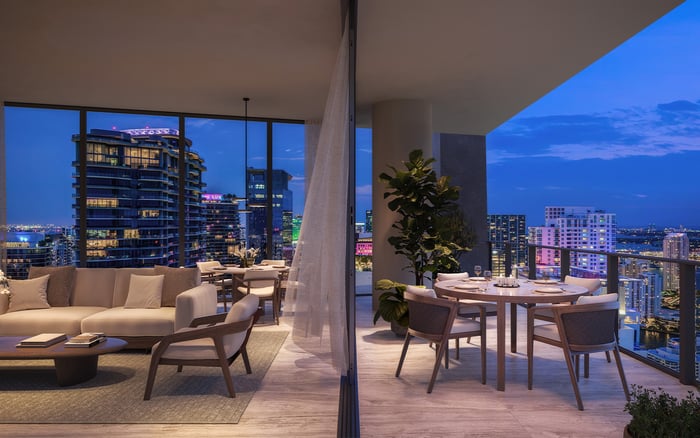
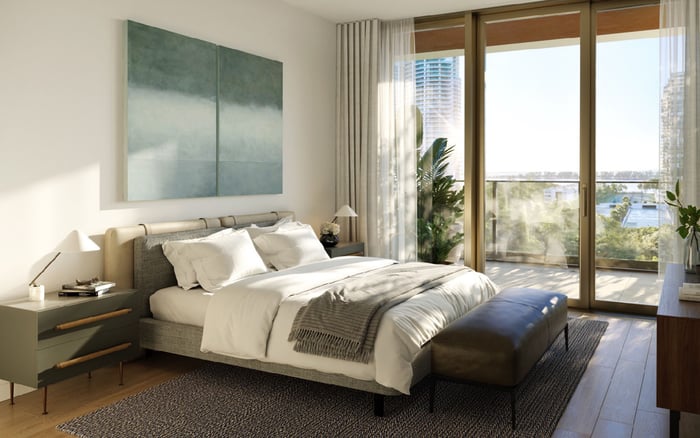
A buyer-oriented look at how two Brickell residential towers express hospitality through food, kitchen design, and daily rituals, with practical decision points for end users and investors.
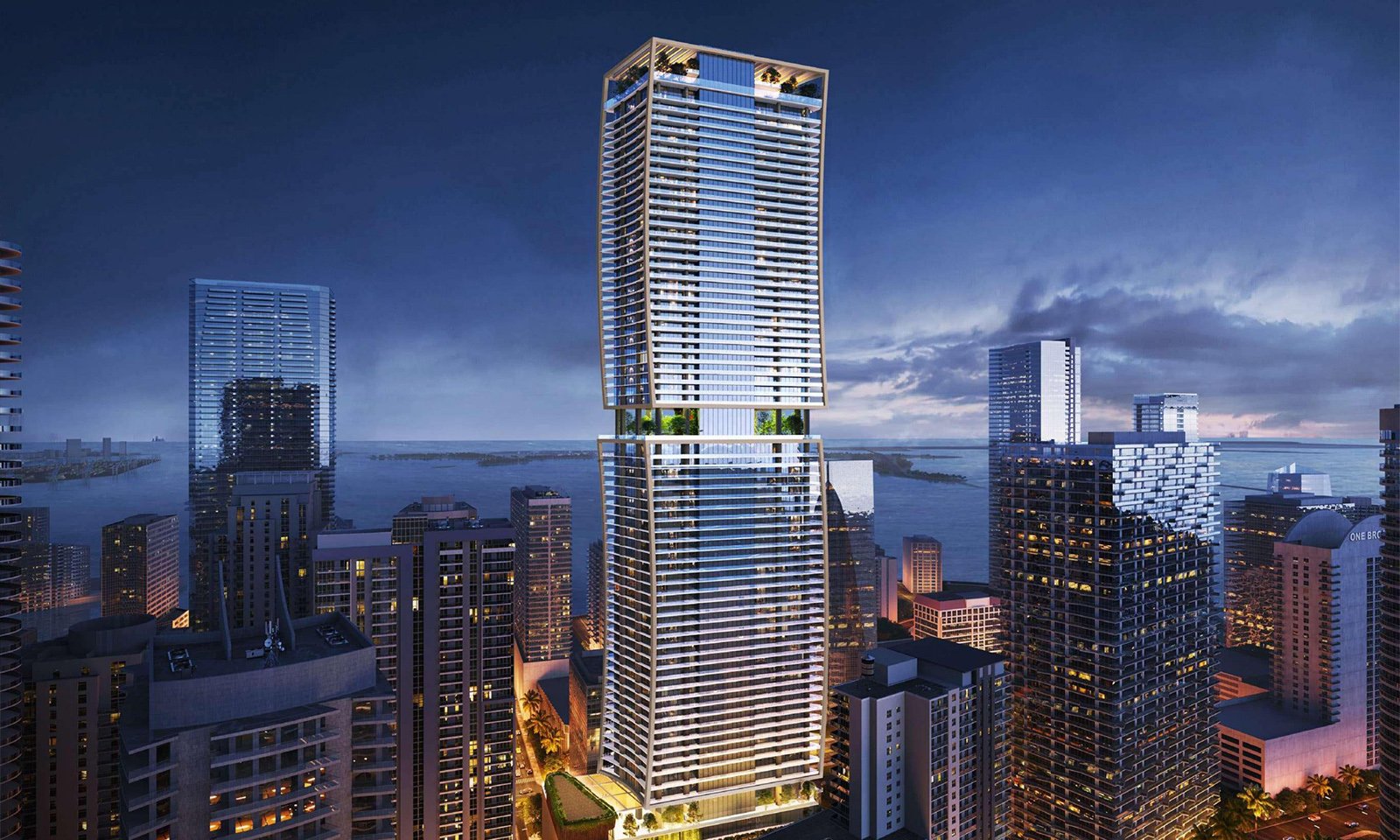
In Brickell, luxury is no longer defined only by views, finishes, and a well-run lobby. For many buyers, the daily experience is shaped by food: where you can meet friends without leaving the building, how effortlessly you can host, and whether the property’s hospitality feels aligned with your own standards.
That is what we mean by a culinary footprint: the full set of food-facing moments in a residence-any on-site restaurant or club concept, kitchen design, delivery handling, and the entertaining tone the building naturally supports.
Against that backdrop, ORA by Casa Tua Brickell and Colette Residences Brickell offer a particularly clear comparison. They share the same neighborhood, attract similar buyers, and still deliver distinctly different day-to-day rituals.
ORA’s identity is tightly linked to its hospitality framing. When a building is conceived through a branded lifestyle lens, the food component reads less like an amenity and more like a pattern of living. The buyer’s real question becomes: do you want your home to operate on a private-members social cadence, or do you prefer the latitude of a more neutral, residence-first atmosphere?
For residents who value a curated routine, ORA’s appeal is often the sense of “arrival,” even on an ordinary Tuesday. Practically, that creates a stronger gravitational pull toward on-property dining and a higher likelihood that social plans start-and sometimes finish-at home. The upside is straightforward: convenience with a coherent point of view. The trade-off is just as real: you are opting into a specific tone, one that can feel beautifully consistent or, for some, overly authored.
From an ownership perspective, this culinary footprint can also shape staffing expectations. In a hospitality-forward environment, owners often expect smoother service culture and more reliable execution around reservations, guest handling, and event rhythms. Buyers who travel frequently may also prefer the “turnkey” feeling, where food, meetings, and entertaining are simplified.
Colette’s culinary footprint, by contrast, reads more like a platform for choice than a single signature. In Brickell, that can be a strategic advantage for residents who treat dining as a rotating cast: a casual coffee today, an impromptu drink tomorrow, then a proper dinner across the neighborhood.
A more flexible culinary identity tends to serve two owner profiles especially well. First: the end user who wants a refined home base without the sense that the building is setting the social calendar. Second: the buyer thinking about future resale liquidity who prefers the broadest possible buyer pool, including those who do not want an overtly branded restaurant experience attached to their address.
Flexibility is not the same as absence. A building can feel highly considered while still letting residents curate their own tastes. The practical question is whether the property’s food-related touchpoints support the life you actually live: morning routine, work-from-home rhythms, weekend entertaining, and the occasional late-night return when convenience matters most.
Even in a city built around reservations, the private kitchen remains one of the most personal elements of a residence. When comparing ORA and Colette, think less about whether you “cook” in the abstract and more about what you actually do at home:
If you are a true daily cook, focus on workflow and storage, not just finishes. Look for layouts that allow prep without turning the island into a bottleneck, and consider whether the kitchen feels comfortable for one person on a quiet night.
If you entertain, evaluate sightlines and staging. The best “host kitchens” create a controlled sense of theater: guests can gather, but working zones stay discreet. In a building with a stronger hospitality identity, residents often want their kitchens to complement the on-site dining experience rather than compete with it. In a more flexible building, owners may want kitchens that stand on their own because hosting may happen at home more often.
In either case, confirm the practicalities that determine daily ease: where groceries arrive, how deliveries are managed, and whether the building’s circulation makes it painless to bring in catering without turning the lobby into a scene.
Food inside the building is not just about eating. It is about optionality and privacy.
For ORA, the advantage is the ability to keep life contained. A resident can meet friends, host a small celebration, or move from work to evening without absorbing the friction of parking, peak-hour reservations, or a full change of atmosphere. In Brickell, where schedules can compress quickly, that is a meaningful luxury.
For Colette, the advantage is social adaptability. Some buyers prefer that the building’s food moments feel lighter, easier to step into, and less tied to a single identity. That can make it simpler to host a wider range of guests: family visiting, colleagues in town, or friends who prefer the broader neighborhood scene.
Either way, consider the signaling effect. In a hospitality-led building, dining can feel like part of the address’s calling card. In a more residence-led building, the address may signal discretion, letting you choose when you want the spotlight.
A modern culinary footprint is not only about a restaurant. It is also about the building’s systems. In Brickell, the most-used food amenity is often delivery.
When touring, ask yourself a few buyer-grade questions:
Does the arrival experience handle delivery gracefully, or does it create friction for residents and staff?
Are there clear boundaries that protect privacy while still making it easy for residents to receive groceries and prepared food?
Do common areas feel designed for casual, food-adjacent living, such as a quick coffee meeting or a relaxed pause before heading out?
These details compound over time. The more you live in the building, the more you notice whether the “invisible” parts of the hospitality experience were designed with intention.
ORA tends to suit an entertaining style where the building can share the hosting burden. Think celebratory dinners that can migrate between a private residence and a more public setting without logistical strain.
Colette can suit a style that treats the residence as the primary stage, with the neighborhood as the extension. Think casual gatherings that begin at home, move out, and return for a nightcap without feeling like you are re-entering a separate world.
If you are deciding between the two, map your likely entertaining calendar. Are you more often inviting two friends or twelve? Do you want the building to provide an instant venue, or do you want the freedom to keep home and dining life more separate?
Many buyers comparing ORA and Colette also cross-shop other Brickell towers to calibrate what “luxury” means to them. If your priority is strong identity and a highly programmed lifestyle, it can be useful to see how other branded concepts frame day-to-day living. For example, Cipriani Residences Brickell often appeals to buyers who prefer a precise, service-forward tone that carries through the entire experience.
If your lens is newer-generation Brickell-where design and neighborhood connection matter as much as formal service culture-2200 Brickell can be a helpful point of reference for how buildings express lifestyle without relying on a single culinary thesis.
And if you are evaluating the top tier of ultra-branded, statement-driven living, 888 Brickell by Dolce & Gabbana can clarify whether you want fashion-level authorship in your home environment, or whether you prefer culinary expression to be more understated.
This kind of cross-shopping is not about finding a “better” building. It is about identifying your comfort with a strong signature versus your preference for a more neutral canvas.
In luxury real estate, culinary identity can enhance desirability, but it can also narrow the audience. A building with a pronounced hospitality concept may inspire real loyalty among owners who love that world, but it may also require future buyers to opt into a specific vibe.
A more flexible culinary footprint can draw a broader set of buyers, including those who prioritize privacy and want the building to feel like a residence first.
The most prudent approach is to choose based on your holding period and your lifestyle truth. If you plan to live there and use the amenities frequently, the emotional return can matter more than theoretical liquidity. If you are thinking about resale, evaluate how the building’s culinary story reads to someone who is not you: would it feel like an upgrade, or a commitment?
When comparing ORA by Casa Tua Brickell against Colette Residences Brickell, the clearest decision is rarely about which is “more luxurious.” It is about which one supports your normal week.
Choose the more hospitality-driven experience if you want your home to function like a curated social club, with food as a dependable center of gravity.
Choose the more flexible experience if you want your address to support many dining moods, with your own habits and the neighborhood setting the tone.
In Brickell, both approaches can be right. The luxury is in matching the building’s culinary footprint to your own.
Which building is better for buyers who rarely cook? Prioritize the building whose on-property dining and delivery flow you would actually use, since the kitchen becomes more about staging than production.
Which is better for frequent entertainers? If you host often, choose the option that best supports your typical gathering size and whether you want the building to share hosting duties.
Does a stronger restaurant identity help resale? It can, but it may also narrow the buyer pool; the most durable value is alignment with how residents live day to day.
What should I look for during a tour besides finishes? Watch the arrival experience, privacy at common areas, and how deliveries and guests move through the building.
Is a branded lifestyle always a premium? It is a premium when you value consistency and programming; it can feel restrictive if you prefer a neutral residential tone.
How important is the neighborhood for the culinary footprint? Extremely important in Brickell, where the best experience often blends in-building convenience with nearby dining options.
Do kitchens matter if I plan to use private chefs? Yes, because workflow, storage, and service access affect how seamless chef-led dinners feel in your residence.
What is the biggest lifestyle difference between ORA and Colette? Think curated ritual versus flexible choice: one leans into hospitality as routine, the other into adaptability.
Should investors weigh culinary programming differently than end users? Often yes; investors may prefer broader appeal, while end users may value the emotional return of daily convenience.
How do I decide if I am a “signature” buyer or a “canvas” buyer? Ask whether you want your building to set the tone for your social life, or simply support the tone you create.
To compare the best-fit options with clarity, connect with MILLION Luxury.
If branded residences are on your mind — as a home or as an allocation — we would be glad to share what we are seeing, privately.
Begin a quiet conversation.jpg&width=700&height=438&fit=cover)