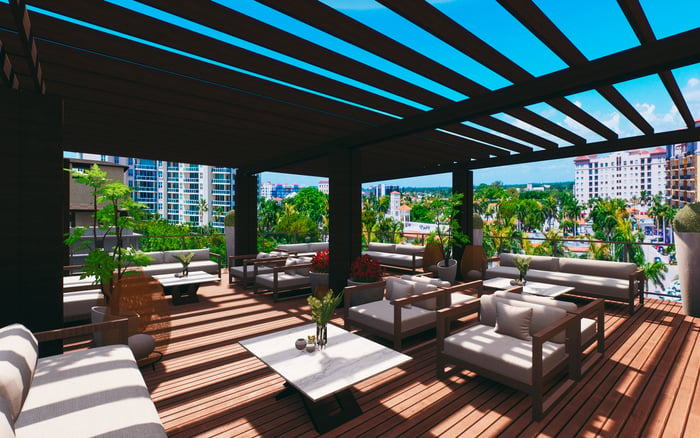
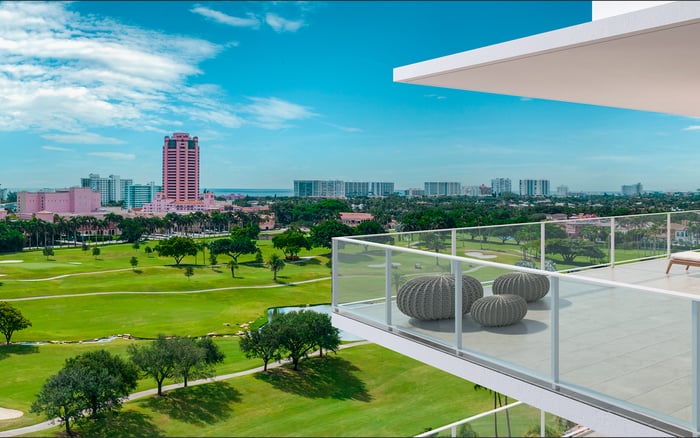
A buyer-focused comparison of Arbor Coconut Grove, Glass House Boca Raton, and Mr. C Residences Boca Raton through reserves, insurance structure, and ownership certainty.
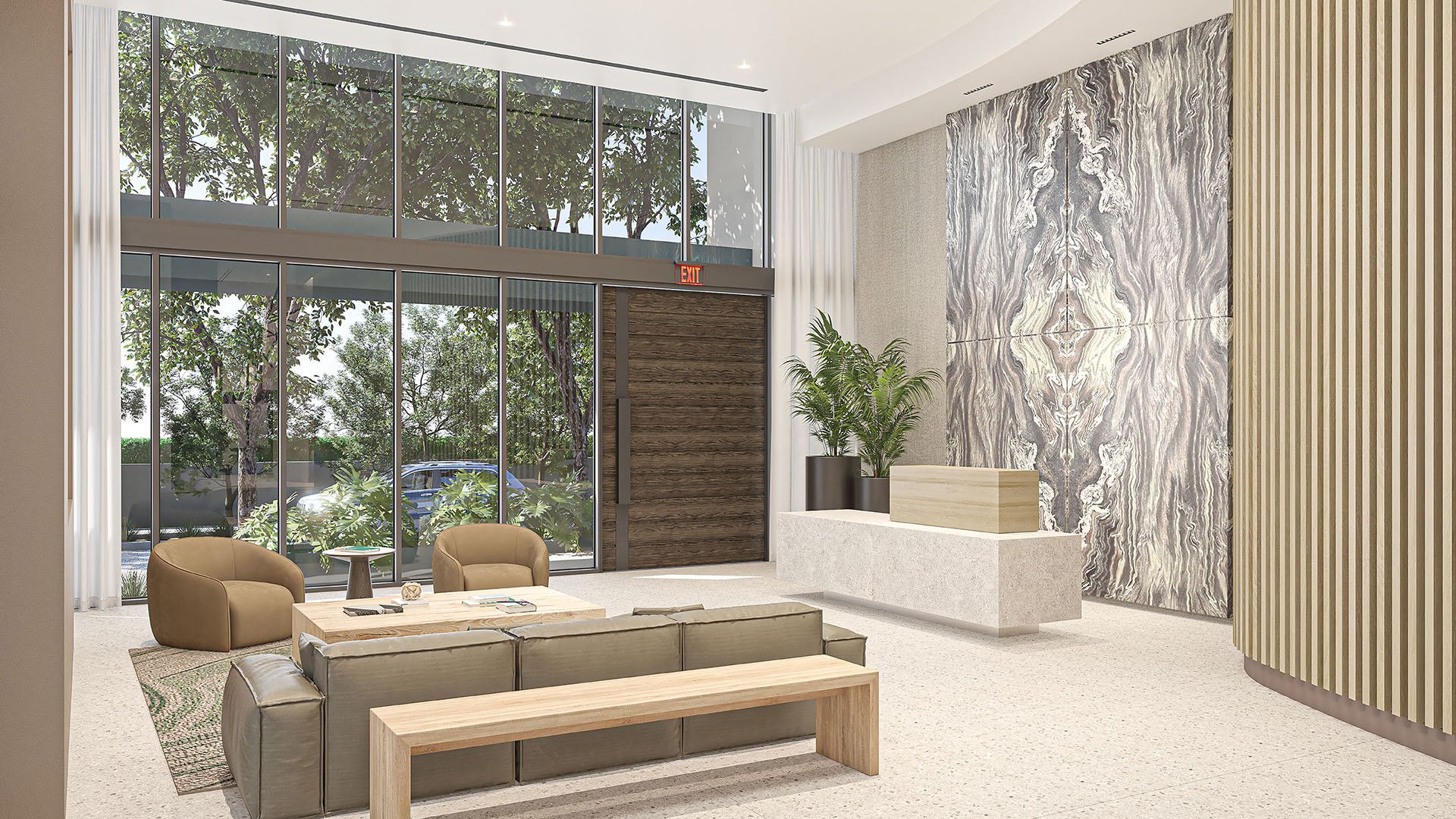
For South Florida’s most sophisticated condominium buyers, luxury is no longer measured only by finishes, views, service, or the choreography of arrival. Those elements still matter, but the private conversation has moved deeper. The decisive questions now sit inside the building’s financial architecture: reserve exposure, insurance structure, and the confidence a buyer can place in the path from contract to long-term ownership.
That is why Arbor Coconut Grove, Glass House Boca Raton, and Mr. C Residences Boca Raton make a useful three-property comparison. Arbor Coconut Grove represents the Miami and Coconut Grove side of the analysis. Glass House Boca Raton and Mr. C Residences Boca Raton represent two Boca Raton alternatives, each useful for understanding how buyers can evaluate risk before being seduced by lifestyle language.
The point is not to declare one universal winner. It is to show how an affluent buyer, family office, or second-home purchaser can think with greater discipline. In this market, elegance includes asking unglamorous questions early.
Reserve exposure has become central to the South Florida condominium decision. A buyer who once focused mainly on the residence, the view line, and the amenity deck is now more likely to ask how future capital needs will be funded, how special-assessment risk might be managed, and whether monthly ownership costs can remain intelligible over time.
In that context, Arbor Coconut Grove functions as the Coconut Grove case study. It places the Miami side of the comparison in a neighborhood where buyers often weigh intimacy, walkability, and long-term residential character alongside building-level economics. The relevant question is not merely whether a residence feels beautiful. It is whether the buyer understands the building’s cost profile well enough to own with confidence.
For Coconut Grove buyers, this distinction is essential. The appeal of a Grove address can be emotional, but the underwriting should be calm. A prudent buyer studying Arbor Coconut Grove would want clarity around association responsibilities, reserve posture, and the practical relationship between near-term carrying costs and future building obligations.
Insurance has become one of the defining issues in South Florida condominium ownership. It is no longer a late-stage closing detail. It belongs in the first conversation, alongside floor plan, exposure, parking, amenities, and neighborhood preference.
Glass House Boca Raton is useful as a Boca Raton luxury-condominium case study because it keeps the buyer’s attention on structure rather than surface. The central question is how the insurance framework affects predictability, both for the association and the individual owner. Buyers should want to understand what is covered at the building level, what remains the owner’s responsibility, and how deductibles or future premium movement could affect the ownership experience.
In Boca Raton, this analysis often sits beside lifestyle motivations: proximity to clubs, dining, beach access, and a quieter residential cadence than parts of Miami. Yet the financial questions are just as consequential. Glass House Boca Raton offers a lens for evaluating how a polished luxury condominium can be considered through insurance discipline, not just aesthetic desire.
Completed-building certainty is a separate form of luxury. When buyers compare projects at different stages of completion, the risk profile changes. A finished or more tangible asset can feel different from a vision still moving through its development path. Conversely, an earlier-stage opportunity may offer a different type of strategic appeal, depending on the buyer’s tolerance for timing, contract structure, and future variables.
Mr. C Residences Boca Raton is the branded-residence case study in this risk-management comparison. Its relevance is not simply that it carries a recognized hospitality-inflected identity. The sharper question is how a branded-residence buyer should separate the romance of service culture from the practical realities of ownership certainty.
Brand can organize expectations. It can shape the tone of arrival, the amenity narrative, and the buyer’s sense of belonging. But it does not replace diligence. For Mr. C Residences Boca Raton, the disciplined buyer still asks the same core questions: what is certain today, what remains subject to change, and how does the building’s structure support long-term confidence?
Taken together, Arbor Coconut Grove, Glass House Boca Raton, and Mr. C Residences Boca Raton clarify a useful framework for high-end buyers.
Arbor Coconut Grove is the Miami and Coconut Grove lens, where neighborhood character and ownership economics should be read together. It invites a reserve-focused conversation: how future building needs, association planning, and cost predictability influence the real meaning of value.
Glass House Boca Raton is the Boca Raton luxury-condominium lens, especially for buyers who want to treat insurance as part of underwriting rather than paperwork. It invites questions about coverage layers, exposure, and how a building’s financial structure may support or complicate ownership.
Mr. C Residences Boca Raton is the Boca Raton branded-residence lens, where lifestyle identity and buyer certainty intersect. It invites a careful reading of completion stage, service expectations, and the difference between brand promise and ownership clarity.
This is the more mature version of luxury shopping. It respects design and service, but it does not allow them to obscure reserve exposure, insurance structure, or completion certainty.
A sophisticated buyer does not need to turn every search into an audit. But the best purchases often begin with better questions.
For reserves, the buyer should understand what future obligations might reasonably sit with the association and how those obligations could affect monthly costs or assessments. For insurance, the buyer should understand the relationship between the master policy, owner coverage, deductibles, exclusions, and the possibility of premium movement. For completion certainty, the buyer should understand what is observable, what is contractual, and what remains dependent on execution.
This is where new-construction analysis can become more nuanced. A newer building may appeal because of modern systems and contemporary design, while an asset closer to completion may offer greater visibility. Neither point should be generalized into a blanket rule. The correct conclusion depends on the specific building, documents, timing, and buyer objective.
Investment-minded purchasers should be especially careful. Investment is not only about potential appreciation or rental demand. It is also about control of variables, carrying-cost visibility, and the likelihood that ownership remains orderly during the hold period.
South Florida’s premium condominium market has become more financially literate. Buyers still care about terraces, pools, light, lobbies, and the quiet theater of daily service. Yet the most confident buyers now combine desire with structure.
Arbor Coconut Grove, Glass House Boca Raton, and Mr. C Residences Boca Raton show three ways to frame that decision. One begins with the Miami and Coconut Grove perspective, one with Boca Raton condominium underwriting, and one with the branded-residence lens. Each brings the buyer back to the same essential discipline: know the cost profile, know the insurance logic, and know what is certain before treating the purchase as complete.
Why compare Arbor Coconut Grove, Glass House Boca Raton, and Mr. C Residences Boca Raton? They create a useful South Florida framework for comparing reserve exposure, insurance structure, and completion certainty across Miami and Boca Raton contexts.
Is this comparison mainly about amenities? No. Amenities matter, but the sharper buyer conversation is about cost predictability, special-assessment risk, and ownership confidence.
How should buyers think about Arbor Coconut Grove? Arbor Coconut Grove is best read as the Coconut Grove and Miami case study in this three-property risk framework.
How should buyers think about Glass House Boca Raton? Glass House Boca Raton is useful as a Boca Raton luxury-condominium lens focused on buyer risk analysis and insurance structure.
How should buyers think about Mr. C Residences Boca Raton? Mr. C Residences Boca Raton works as the branded-residence case study, where lifestyle identity should be balanced with ownership certainty.
Why are reserves so important for luxury condominium buyers? Reserves influence long-term cost predictability and can affect how buyers evaluate potential special-assessment exposure.
Why does insurance structure matter so early in the search? Insurance affects both association-level planning and individual owner responsibility, so it belongs in the initial underwriting conversation.
Does completion certainty mean one stage is always better than another? No. Different stages can suit different buyers, depending on timing, risk tolerance, contract clarity, and the desire for visibility.
Should branded residences be evaluated differently? They should be evaluated for both lifestyle promise and ownership structure, since brand identity does not replace financial diligence.
What is the best way to shortlist comparable options for touring? Start with location fit, delivery status, and daily lifestyle priorities, then compare stacks and elevations to validate views and privacy.
For a discreet conversation and a curated building-by-building shortlist, connect with MILLION.
If branded residences are on your mind — as a home or as an allocation — we would be glad to share what we are seeing, privately.
Begin a quiet conversation