A discreet buyer’s guide to choosing an Edgewater pied-à-terre over a house, with attention to lock-and-leave ownership, building quality, privacy, storage, services, and long-term lifestyle fit.
For the buyer who wants Miami in measured doses, Edgewater makes a persuasive case for the pied-à-terre over the house. The proposition is not simply less square footage. It is a different philosophy of ownership, built around arrival, privacy, service, views, and the ability to close the door with confidence when leaving town.
A house can be deeply satisfying for a full-time resident who wants grounds, separation, and total control. A pied-à-terre is more exacting. It asks what a buyer truly uses during a Miami stay, then removes the excess. The best version feels effortless from the first hour: secure entry, simple parking, an elevator ride, a prepared residence, and enough space to live elegantly without managing a second household.
Edgewater is best read through this lens: not as a compromise, but as a choice for buyers who value time. The neighborhood’s appeal is strongest when the residence supports a rhythm of repeat visits, business travel, seasonal stays, cultural weekends, and quiet waterfront mornings without the maintenance obligations of a single-family property.
The first advantage is operational simplicity. A house asks for attention even when it is not being used. Landscaping, exterior care, security checks, storm readiness, pool maintenance, and vendor coordination can become a second calendar. A well-chosen condominium residence consolidates many of those concerns within a professionally managed environment.
The second advantage is predictability. A pied-à-terre should allow the owner to arrive late, leave early, host selectively, and travel frequently. For many luxury buyers, the decision is less about downsizing than reducing friction. The right residence makes Miami feel immediately available.
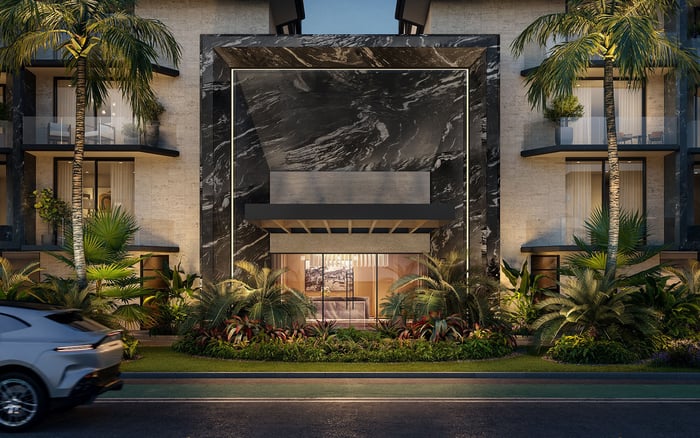
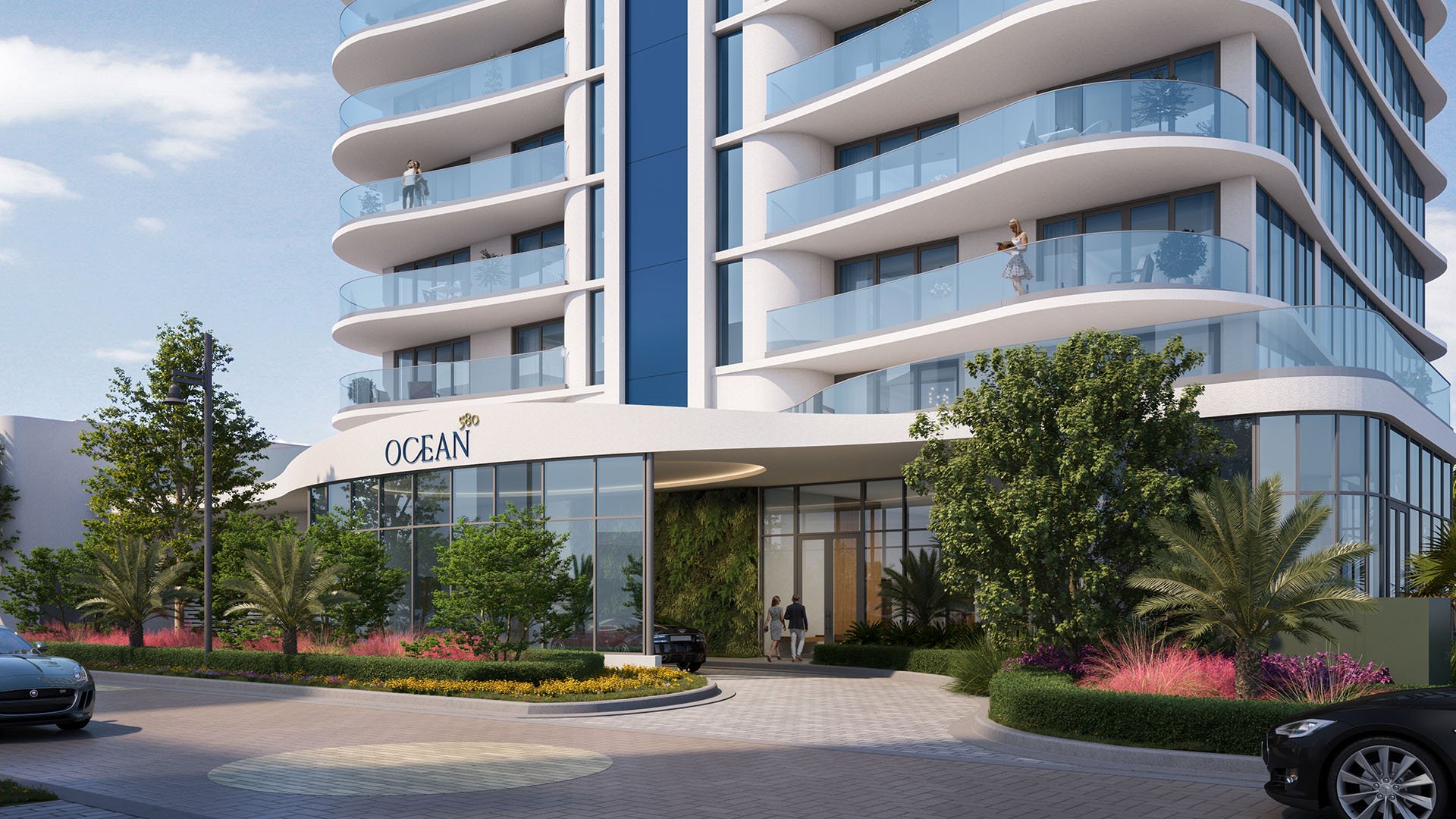
The third advantage is discretion. Houses announce themselves through driveways, gates, contractors, and visible routines. A refined condominium setting can provide a quieter pattern of use, especially for buyers who do not want their comings and goings to define the property. This is one reason a second home in Edgewater often works best when the building’s arrival sequence feels calm, secure, and well staffed.
The floor plan matters more than the nominal size. A pied-à-terre should be intuitive, with a gracious primary suite, a comfortable guest arrangement, and a living area that can shift from quiet evenings to entertaining without feeling overbuilt. Buyers should be wary of paying for rooms they will rarely use, particularly if those rooms add carrying cost without improving the stay.
Outdoor space remains important. A balcony can become the emotional center of an Edgewater residence, especially when it frames morning coffee, evening light, or a sense of openness. The question is not simply whether outdoor space exists, but whether it is deep enough, private enough, and positioned well enough to be used often.
Storage is the quiet test. Seasonal clothing, luggage, sports gear, owner’s closets, wine, documents, and personal effects all need a plan. A pied-à-terre that looks perfect empty can become inconvenient if every arrival begins with unpacking from scratch. The strongest residences allow an owner to keep the essentials in place while maintaining a composed interior.
When choosing a pied-à-terre over a house, the building replaces the yard, the staff network, the security plan, and often the social infrastructure. Buyers should study the arrival experience, lobby scale, elevator flow, parking process, package handling, guest protocol, and the quality of everyday service. These are not secondary details. They shape the way the residence lives.
This is where Edgewater’s condominium options become highly relevant. Buyers comparing residences such as Aria Reserve Miami and EDITION Edgewater are not only comparing architecture or finishes. They are comparing how each environment might support a lock-and-leave life, from arrival to amenity use to the feeling of privacy once inside the residence.
Waterfront considerations deserve the same discipline. A water-facing lifestyle can be beautiful, but the buyer should consider exposure, light, sound, balcony usability, and the relationship between view corridors and daily comfort. A compelling view is valuable only if the home remains pleasant at the times of day the owner actually uses it.
The carrying-cost comparison is often misunderstood. A house may appear flexible because the owner controls vendors and timing. Yet that control can become administrative work. A condominium has association costs and rules, but it also centralizes many functions that would otherwise require individual management.
For an Edgewater pied-à-terre buyer, the question should be framed around total convenience, not only monthly expense. What is the value of not coordinating exterior maintenance? What is the value of a staffed building during absences? What is the value of predictable access when arriving from the airport, a business dinner, or a late flight?
This is also where new construction can appeal to certain buyers, especially those who want contemporary layouts, current design language, and the feeling of a fresh ownership experience. Still, the buyer should remain practical. A new residence must be judged by floor plan, building governance, service culture, and the way it will function after the first impression fades.
Start with your actual use pattern. Will you come for long weekends, winter months, business weeks, or extended family visits? A buyer who stays alone most of the time may need one exceptional suite and flexible guest capacity. A buyer who hosts adult children or friends may need more separation and stronger acoustic privacy.
Then compare the arrival. The most elegant pied-à-terre is diminished if parking feels awkward, guests are difficult to receive, or deliveries require too much coordination. The best buildings make the invisible parts of ownership feel orderly.
Projects such as Villa Miami, The Cove Residences Edgewater, and Lilli Miami Edgewater illustrate why buyers should look beyond a single glossy feature. The more useful question is how each residence fits the owner’s real Miami life: quiet mornings, guests, dining plans, work calls, wellness routines, and departure day.
Finally, review the rules. Pet policies, rental restrictions, renovation guidelines, storage availability, parking rights, guest access, and service protocols can affect daily enjoyment and future flexibility. A pied-à-terre is most successful when the legal and practical framework supports the way the owner intends to use it.
An Edgewater pied-à-terre is ideal for the buyer who wants presence without burden. It suits the executive who is in Miami often but not continuously, the collector who wants proximity to cultural life, the international owner who values secure simplicity, and the empty nester who prefers a polished city base over a larger property requiring constant oversight.
It may be less suitable for a buyer who wants a private garden, extensive outdoor entertaining, a large household staff presence, or total autonomy over every physical detail. Those buyers may still prefer a house. The point is not that one format is superior. The point is that the best choice reflects how life is actually lived.
For many luxury buyers, the winning formula is not maximum space. It is repeatable ease. The right Edgewater residence should feel ready when you arrive, secure when you leave, and considered in every hour between.
Is an Edgewater pied-à-terre better than a house for seasonal use? It can be, especially for buyers who want less maintenance, a managed setting, and an easier lock-and-leave routine.
What should I prioritize first when comparing residences? Prioritize the way you will actually use the home: arrival, privacy, storage, guest comfort, outdoor space, and building services.
Does a larger floor plan always make sense? Not necessarily. A smaller, better-planned residence can live more elegantly than a larger home with underused rooms.
How important is balcony usability? Very important. Outdoor space should feel private, comfortable, and usable at the times of day you expect to be home.
Should I focus on views or building services? Both matter, but services often determine how effortless the property feels over repeated visits.
Are rules and restrictions important for a pied-à-terre? Yes. Rental rules, pet policies, guest access, parking, and renovation guidelines can materially affect ownership.
Can a pied-à-terre work for entertaining? Yes, if the layout has a gracious living area, suitable guest flow, and enough separation between private and social spaces.
What makes Edgewater appealing for this type of buyer? Edgewater offers an urban Miami setting where a condominium residence can support frequent visits without house-level upkeep.
Is new construction always the best path? Not always. It can be attractive, but buyers should still evaluate layout, service culture, governance, and long-term practicality.
What is the biggest mistake buyers make? Buying for the image of a Miami residence rather than the exact rhythm of how they will arrive, live, host, and leave.
When you're ready to tour or underwrite the options, connect with MILLION.
If branded residences are on your mind — as a home or as an allocation — we would be glad to share what we are seeing, privately.
Begin a quiet conversation