A buyer-focused look at how wellness-led residences in Edgewater can support long-term ownership when design, operations, resilience, privacy, and daily livability align.
A wellness-led residence in Edgewater is not simply a building with a spa, a gym, and a serene lobby. For a serious long-term purchase, the concept has to hold up after the novelty fades and the owner is living with the building every day. The strongest version is quieter than the marketing language around it. It is a home that helps regulate the pace of life, supports healthy routines, and protects privacy without isolating the owner from the city.
That distinction matters in Edgewater because the neighborhood attracts buyers who want proximity, views, and a more residential rhythm than the densest commercial cores. The purchase may be emotional, but the ownership decision should be analytical. A wellness-led residence has to be judged by how the plan lives, how the building operates, how the shared spaces are managed, and whether the lifestyle still feels relevant ten years from now.
Projects such as EDITION Edgewater show why the category has become important to buyers studying the neighborhood. The real question is not whether a residence feels calming on a tour. It is whether the building can make calmness a repeatable part of ownership.
The most durable wellness feature is the apartment itself. Before considering treatment rooms, pools, or lounges, a buyer should study the floor plan with unusual discipline. Does the primary suite feel meaningfully separated from entertaining areas? Is there a natural place to work without borrowing from the dining room? Can guests stay without disrupting the household’s morning routine? Is storage adequate for the way the owner actually lives?
Long-term value is often protected by flexibility. A residence that can shift from seasonal use to full-time living has a wider ownership runway. A room that can function as a den, wellness studio, guest room, or staff space may prove more useful over time than a dramatic but rigid layout. In a wellness-led building, this flexibility is part of the wellness proposition because it reduces friction.
Natural light, ceiling height, sound control, and terrace usability all shape the daily experience. They are not decorative details. A residence can have every branded wellness amenity downstairs and still fail if the private home feels compressed, noisy, or difficult to furnish. The best purchase decision begins inside the unit and then moves outward.
Edgewater can appeal to buyers who want a more residential setting while remaining connected to Miami’s cultural, dining, design, and business districts. For a wellness-minded owner, that balance is meaningful. The neighborhood can support a lifestyle in which the home feels like a retreat without requiring withdrawal from the city.
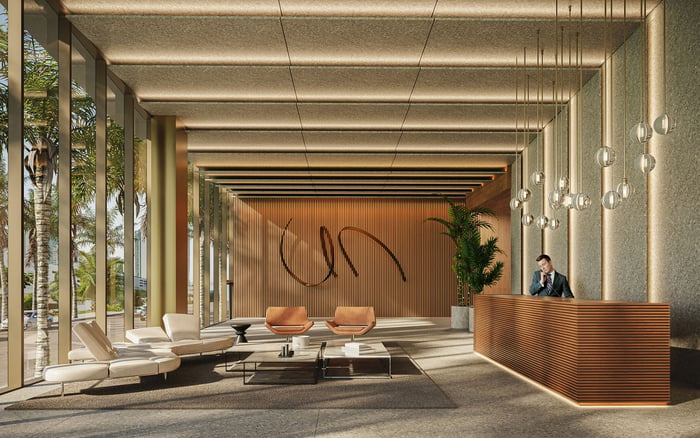
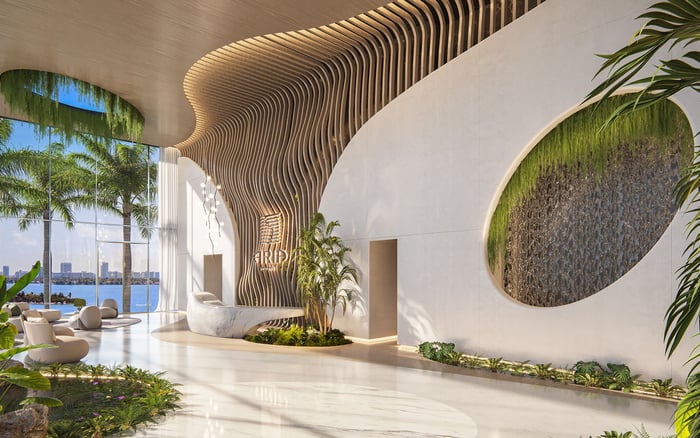
That is why a buyer should examine the building’s threshold with care. How does arrival feel? Is the drop-off calm or congested? Is the lobby designed for discretion or spectacle? Are elevators arranged to preserve privacy? Does the building separate resident movement from service movement in a way that feels polished rather than performative?
A residence like Aria Reserve Miami belongs in the conversation because Edgewater buyers are often comparing not just apartments, but different interpretations of urban waterfront living. The best long-term purchase is the one that aligns with the owner’s actual pattern: early mornings, family visits, work travel, fitness, entertaining, quiet evenings, or all of the above.
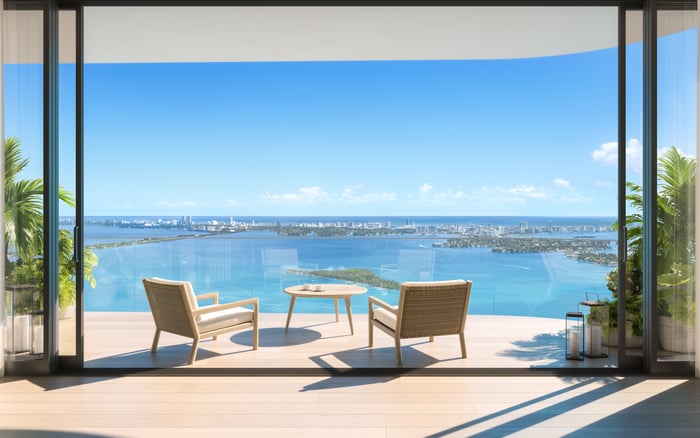
Waterfront living is one of Edgewater’s strongest lifestyle draws, but waterfront ownership should be evaluated with a long horizon. Views and outdoor space can be powerful value drivers, yet the serious buyer looks past the postcard. Building systems, maintenance planning, insurance exposure, access, parking, backup power philosophy, and the durability of exterior materials all deserve attention.
The point is not to make the purchase feel clinical. It is to protect the emotional reason for buying. A wellness-led home cannot function as a sanctuary if the owner is constantly managing avoidable operational issues. Strong long-term ownership comes from a building that treats resilience as part of luxury, not as an afterthought.
This is especially important for buyers considering new residential towers, where presentation can be highly refined. The more polished the sales experience, the more important it becomes to ask practical questions. How will the building age? What spaces require intensive staffing? Which amenities are likely to be used consistently, and which may become expensive theater? A serious purchase separates enduring comfort from temporary drama.
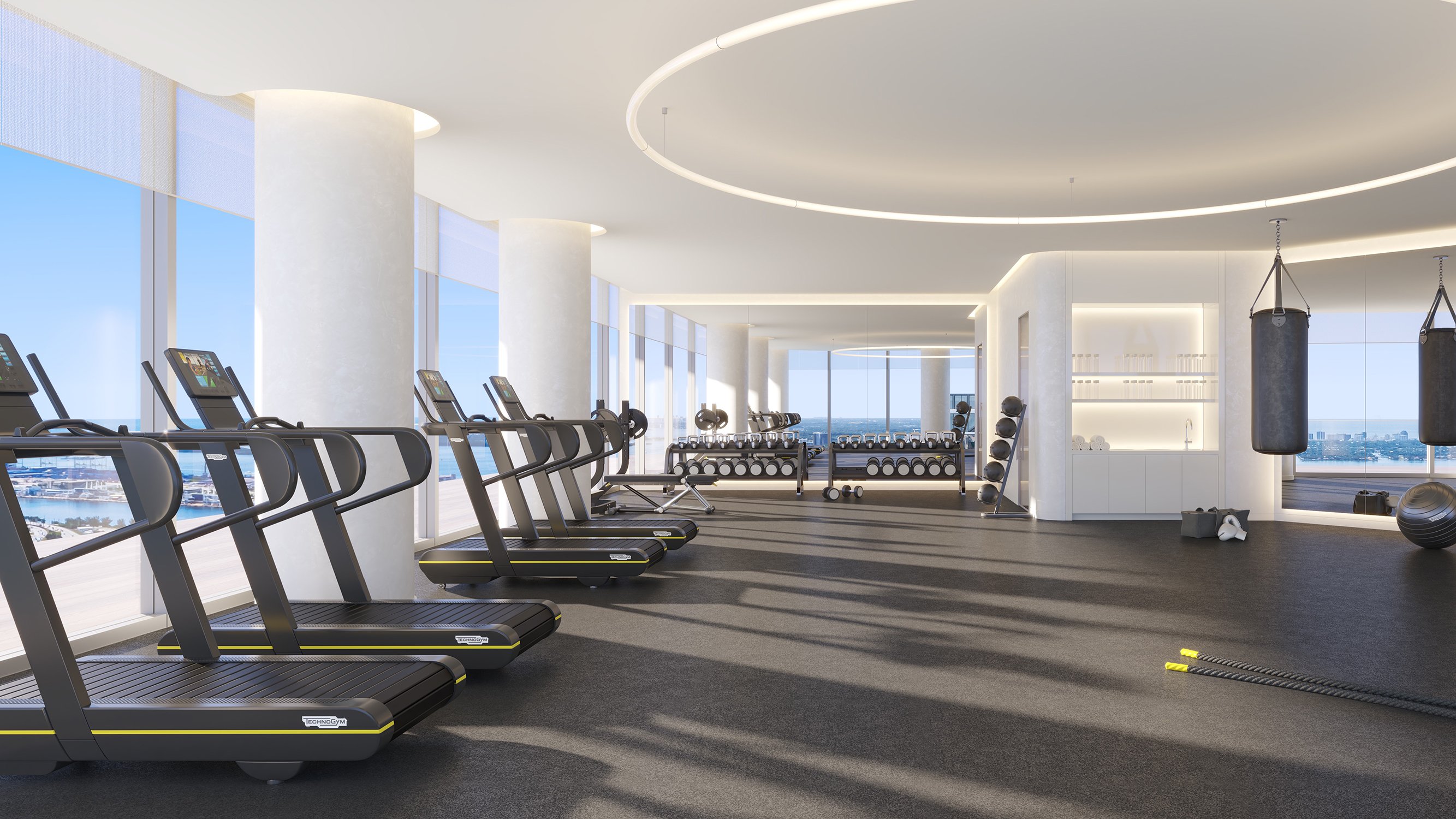
A wellness-led residence succeeds when the staff, rules, programming, and maintenance culture support the promise. A beautiful spa that is difficult to book, a fitness room that feels crowded at peak hours, or outdoor spaces that lack shade and comfort can dilute the concept. The operating model matters as much as the renderings.
Buyers should think about rhythm. The best buildings make healthy routines easy: a morning workout, a quiet swim, a reset after travel, a place to meet a trainer, a calm route from car to residence, and shared areas that feel maintained without feeling over-managed. Wellness is not always a treatment. Sometimes it is the absence of irritation.
For some buyers, a project such as Villa Miami may enter the comparison because the neighborhood’s residential offerings increasingly speak to lifestyle as much as location. The buyer’s task is to identify which lifestyle elements are structural and which are cosmetic.
A wellness-led residence in Edgewater works as an investment when it appeals to more than one future buyer profile. The next owner might be a primary resident, a seasonal user, a relocating executive, a downsizer, or an international buyer seeking a more private Miami base. The residence should not be so specialized that it narrows its resale audience.
That is why over-customization can be a risk. Highly personal finishes, unusual room conversions, or a dependence on one amenity story can make a property feel less adaptable later. A timeless material palette, generous storage, quality kitchen planning, and a coherent flow between indoor and outdoor areas tend to age better than trend-driven gestures.
Monthly carrying costs also deserve sober review. Wellness amenities require staffing, equipment upkeep, climate control, cleaning standards, and consistent management. If the amenity program is ambitious, the buyer should be comfortable not only with today’s costs but also with the likelihood that a high-service building will need to keep investing in its experience.
The most useful way to compare residences is to walk through ordinary days. Imagine returning from the airport late at night. Imagine hosting family for a week. Imagine working from home for three consecutive days. Imagine using the gym at the most popular time, then needing a quiet elevator ride back to the residence. Imagine a stormy afternoon when outdoor spaces are less useful and the private apartment has to carry the entire experience.
This kind of scenario planning reveals whether wellness is truly integrated. It also helps distinguish a residence that photographs well from one that lives well. A buyer considering The Cove Residences Edgewater, for example, should evaluate it in the context of personal routines, household composition, privacy expectations, and tolerance for the energy of the surrounding neighborhood.
In the ultra-premium market, the best long-term decisions are rarely based on one feature. They come from alignment: location, plan, light, view, privacy, service, resilience, costs, and future liquidity. When those pieces reinforce one another, wellness becomes more than a theme. It becomes a practical ownership advantage.
A disciplined Edgewater buyer should begin with the non-negotiables: view preference, bedroom count, privacy, outdoor space, building scale, service level, parking needs, and tolerance for construction or neighborhood change. From there, wellness can be evaluated intelligently. The question becomes not “How many amenities are there?” but “Which amenities will materially improve my life?”
The strongest wellness-led residence is one where the buyer would still want the home even if the amenity language were removed from the presentation. If the floor plan, light, building operations, arrival sequence, and neighborhood fit all stand on their own, the wellness layer can add real depth. If those fundamentals are weak, wellness branding will not rescue the purchase.
Edgewater rewards buyers who are precise. The neighborhood offers a compelling blend of water, skyline, convenience, and residential aspiration, but every building interprets that blend differently. A serious long-term purchase is the one that feels restorative, functions efficiently, and remains legible to future buyers.
What defines a wellness-led residence in Edgewater? It is a residence where health, calm, privacy, movement, and recovery are built into daily life through design, services, and building operations.
Is a wellness building automatically a better long-term purchase? No. It becomes stronger only when the private residence, operating model, and ownership costs support the wellness promise over time.
Should buyers prioritize amenities or floor plan first? Floor plan should come first. Amenities can enhance ownership, but the residence itself carries the daily experience.
Why is Edgewater attractive for wellness-minded buyers? Edgewater can offer a balance of waterfront living, city access, and a residential atmosphere that supports both retreat and connection.
What is the biggest risk in buying around a wellness theme? The main risk is paying for branding rather than durable features such as privacy, light, service quality, resilience, and functional space.
How should a buyer evaluate amenity value? A buyer should ask which spaces will be used weekly and whether the building is staffed and maintained to keep them consistently desirable.
Does waterfront exposure require extra diligence? Yes. Buyers should study building systems, maintenance planning, insurance considerations, access, and exterior durability with care.
Can wellness-led residences appeal to future resale buyers? They can, especially when the residence remains flexible, well-planned, and attractive to several different buyer profiles.
Are branded residences always more wellness-oriented? Not necessarily. Branding may enhance service culture, but the actual residence and operations determine the long-term experience.
What should serious buyers do before choosing a unit? They should test the home against real daily scenarios, from workdays and guests to travel returns and quiet evenings.
For a discreet conversation and a curated building-by-building shortlist, connect with MILLION.
If branded residences are on your mind — as a home or as an allocation — we would be glad to share what we are seeing, privately.
Begin a quiet conversation