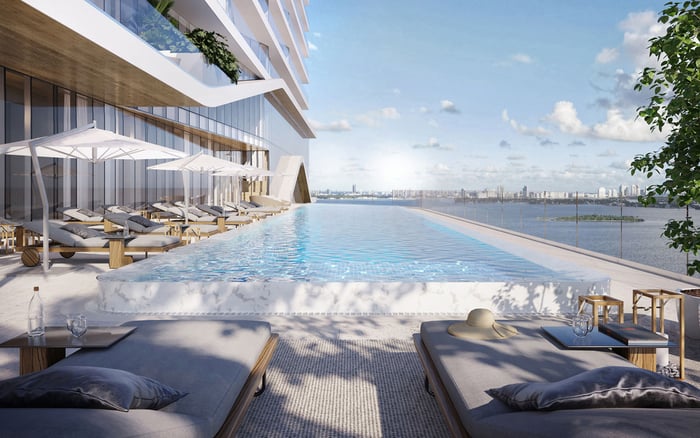
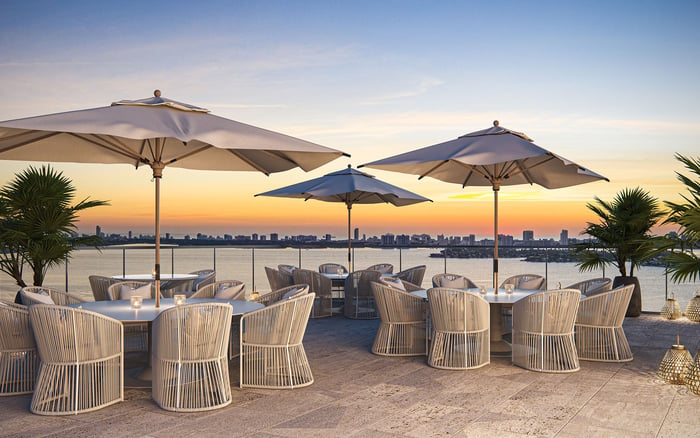
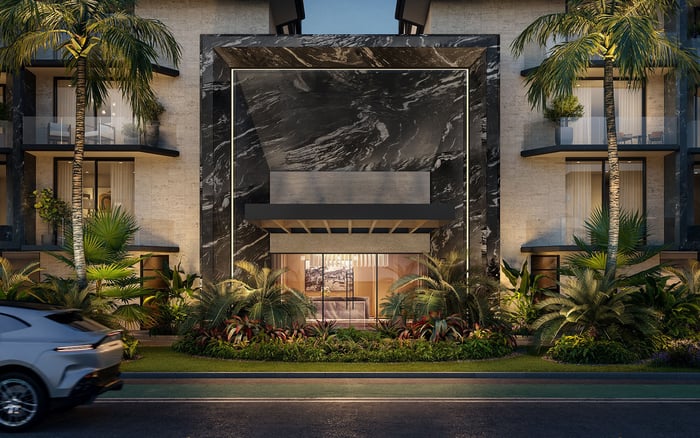
A discreet buyer’s guide to the flood-zone, elevation, insurance, storm-surge, seawall, reserve, and emergency-planning questions that matter before purchasing luxury real estate in Miami’s Edgewater.
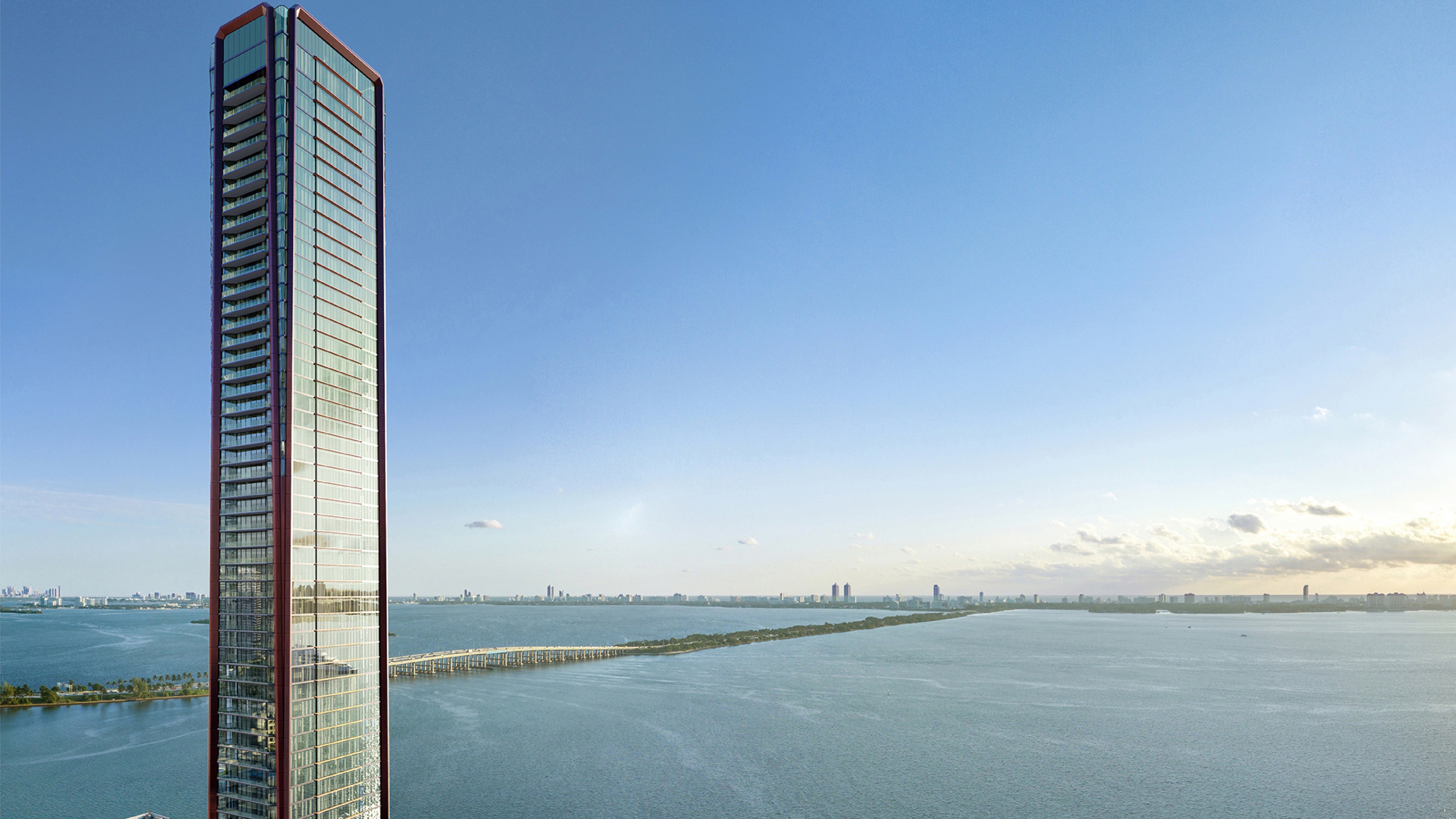
Edgewater’s appeal is inseparable from Biscayne Bay. The same horizon that gives a residence its drama also makes flood-zone diligence central to a luxury acquisition strategy. In this neighborhood, the question is not simply whether a property is “on the water.” It is how the parcel, tower, garage, lobby, critical systems, and access routes perform when water enters the equation.
For MILLION Buyer's Guides readers, the governing principle is precision. Flood exposure is not neighborhood-wide. It is address-specific and parcel-specific. A bayfront tower, an inland-facing residence, a low-floor unit, and an older boutique building can carry materially different risk profiles, even within a short walk of one another.
Begin by asking for the property’s exact flood zone, the applicable FIRM panel, and the base flood elevation. Confirm whether the building or unit is in a Special Flood Hazard Area, since that designation can affect regulatory obligations, financing, and insurance expectations. If a seller, association, or representative answers broadly, keep asking until the response is tied to the actual property.
The Elevation Certificate is one of the most useful documents in the file. It records key elevation data used for floodplain compliance and insurance evaluation. For a luxury condominium, it should not be treated as a formality. It should be reviewed by the buyer’s attorney, insurance broker, and, where appropriate, an inspector or engineer who understands waterfront construction.
Ask whether the lowest occupied floor is above the applicable base flood elevation or design flood elevation. Then look beyond the residence itself. Where are the lobby, garage, amenity decks, storage areas, mailroom, package room, service corridors, and back-of-house spaces? In luxury buildings, daily life often depends on the areas below the private residence. A high-floor home may feel removed from risk, but a flooded garage or disabled elevator system can still compromise use, access, and operating costs.
When evaluating contemporary Edgewater offerings such as Aria Reserve Miami or EDITION Edgewater, buyers should still ask the same technical questions. New design, elevated amenities, and refined branding do not replace document-based due diligence.
Luxury buyers naturally focus on views, ceiling heights, terraces, kitchens, and private amenities. Flood resilience often sits in less glamorous spaces: electrical rooms, HVAC equipment, elevator machinery, generators, fire-safety systems, water pumps, and fuel storage. Ask whether these systems are elevated, flood-protected, or otherwise designed to reduce flood damage.
This is especially important in vertical living. If the residence remains dry but building systems fail, the owner may face disrupted access, limited services, special assessments, or extended repair periods. Ask for emergency operations procedures as well. A serious building plan should address impact glass or shutters where relevant, garage closure protocols, pump testing, generator fuel plans, elevator shutdown procedures, and post-storm reoccupancy rules.
New construction may offer advantages in design standards and systems planning, but it is not a reason to skip the file. The question for buyers considering Lilli Miami Edgewater or The Cove Residences Edgewater is not whether the building appears modern. It is where essential systems are located, how they are protected, and what documentation supports that protection.
For condominium buyers, request the association’s master flood-insurance policy. Review coverage limits, deductibles, exclusions, and whether coverage applies to common areas, garages, amenities, mechanical rooms, and other shared components. A policy that protects only certain building elements may still leave owners exposed indirectly through assessments, repair obligations, or gaps between association and personal coverage.
Then ask an insurance broker for a property-specific flood-insurance estimate. Flood insurance pricing can consider variables such as flood frequency, distance to water, rebuilding cost, and property characteristics. Do not assume that two residences with similar views will produce similar insurance outcomes.
If financing is involved, ask the lender early whether flood insurance will be mandatory for the loan. For cash buyers, the absence of a lender requirement does not mean the absence of risk. It simply shifts the decision to the owner’s risk tolerance and long-term investment plan.
Ask for seller flood disclosures early enough to evaluate them before contingency deadlines become compressed. The key questions include whether there have been prior flood-insurance claims, flood-damage assistance, or known water events tied to the property.
For condominium acquisitions, go further. Ask whether the building has experienced king-tide, tidal, storm-surge, or heavy-rain flooding. Request incident logs, insurance claims history, repair invoices, board minutes, and maintenance records. The goal is not to disqualify every property with a past water event. In coastal South Florida, the more important question is whether the building recognized the issue, repaired it properly, funded the response, and changed procedures where necessary.
Also request the milestone inspection status and any structural reports when applicable. Ask for the association’s Structural Integrity Reserve Study and reserve funding plan as well, since reserve planning for major structural and building-safety components can influence future assessments and ownership costs.
Waterfront property adds another layer of inquiry. Ask for the condition, ownership, maintenance responsibility, and remaining useful life of any seawall, baywalk edge, drainage outfall, or waterfront retaining structure serving the property. A beautiful baywalk can be both an amenity and an infrastructure obligation.
Confirm whether the property lies in a Miami-Dade storm-surge planning zone, and ask how that designation affects hurricane planning, access, and reoccupancy procedures. Storm-surge planning should be reviewed separately from the day-to-day way many buyers think about flood maps. A residence can feel secure on a sunny afternoon and still require a disciplined hurricane plan.
Ask how projected sea-level rise could affect access, garages, seawalls, drainage, and ground-floor uses over your expected holding period. A five-year seasonal use case may be different from a twenty-year family hold. Buyers comparing Villa Miami with other Edgewater residences should examine not only the private home, but also the resilience of arrival, parking, service access, and common-area operations.
Finally, ask whether recent or planned renovations could create additional floodplain-compliance questions. That issue belongs in the legal and engineering conversation before closing, not after a renovation budget is already in motion.
Is every Edgewater property in the same flood zone? No. Flood-zone exposure is address-specific and parcel-specific, so each building and unit should be reviewed individually.
What document should I request first? Ask for the exact flood zone, FIRM panel, base flood elevation, and the building’s Elevation Certificate.
Does a high-floor condo avoid flood risk? Not entirely. The residence may be elevated, but garages, lobbies, elevators, utilities, and access routes can still be affected.
Should I review the condo association’s flood insurance? Yes. Review limits, deductibles, exclusions, and whether common areas, amenities, garages, and mechanical rooms are covered.
Can my lender require flood insurance? It may, depending on the property and loan structure. Ask the lender early so insurance expectations are clear before closing.
What should I ask the seller to disclose? Ask about prior flood-insurance claims, flood-damage assistance, known water events, and any repairs connected to water intrusion.
Why do storm-surge zones matter? They help frame hurricane planning, access, and reoccupancy questions, so they should be reviewed separately from flood-map designations.
What should I ask about building systems? Ask whether electrical, HVAC, elevator, generator, fire-safety, and water-pump systems are elevated or flood-protected.
Do reserves matter for flood exposure? Yes. Reserve studies and funding plans can reveal whether the association is planning for structural, safety, and resilience needs.
What is the best way to shortlist comparable options for touring? Start with location fit, delivery status, and daily lifestyle priorities, then compare stacks and elevations to validate views and privacy.
For a discreet conversation and a curated building-by-building shortlist, connect with MILLION.
If branded residences are on your mind — as a home or as an allocation — we would be glad to share what we are seeing, privately.
Begin a quiet conversation