A discreet buyer’s guide to evaluating staff-entry design, service circulation, privacy, deliveries, household operations, and resale implications in Aventura luxury homes.
In Aventura, luxury is often framed by water views, expansive terraces, resort-style amenities, and proximity to dining, shopping, marinas, and the broader northern Miami coastline. Yet one of the clearest measures of a refined residence is less visible: how people and services move through the property when the owner is not personally coordinating every detail.
Staff-entry design is the architecture of discretion. It determines whether a housekeeper can arrive without crossing a formal living room, whether catering can move efficiently to the kitchen, whether a pet walker has a clear route, and whether repairs can be handled without disturbing guests. For buyers considering Aventura residences, including new-construction offerings and established waterfront homes, this is not a minor convenience. It is the home’s daily operating system.
A thoughtful tour should treat staff circulation with the same seriousness as ceiling heights, primary-suite orientation, and parking. The best questions are often practical because they reveal whether a beautiful home will also live beautifully.
The first question is simple: what happens after someone enters? A separate staff door is useful only if the route beyond it is logical. Ask whether the entry connects naturally to the kitchen, laundry, service elevator, storage, mechanical areas, and secondary hallways. If staff must pass through the foyer, dining area, or bedroom corridor to complete routine tasks, the design may be more symbolic than functional.
In condominiums, the path may begin long before the residence itself. Ask how building access works for housekeepers, chefs, drivers, trainers, dog walkers, and maintenance personnel. Clarify whether service elevators are available, whether deliveries are routed through a loading area, and whether access can be scheduled without relying on the owner’s constant approval.
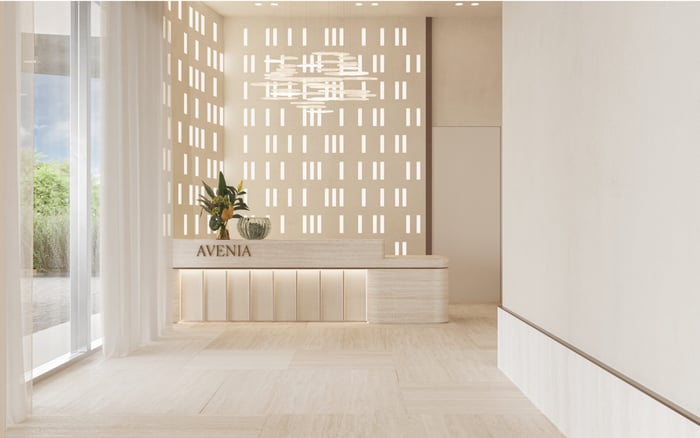
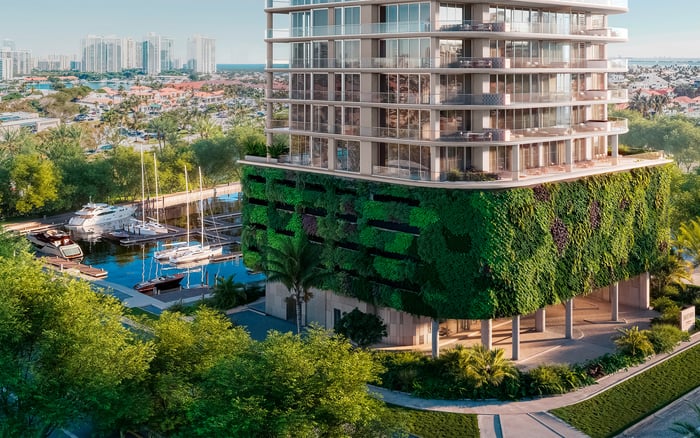
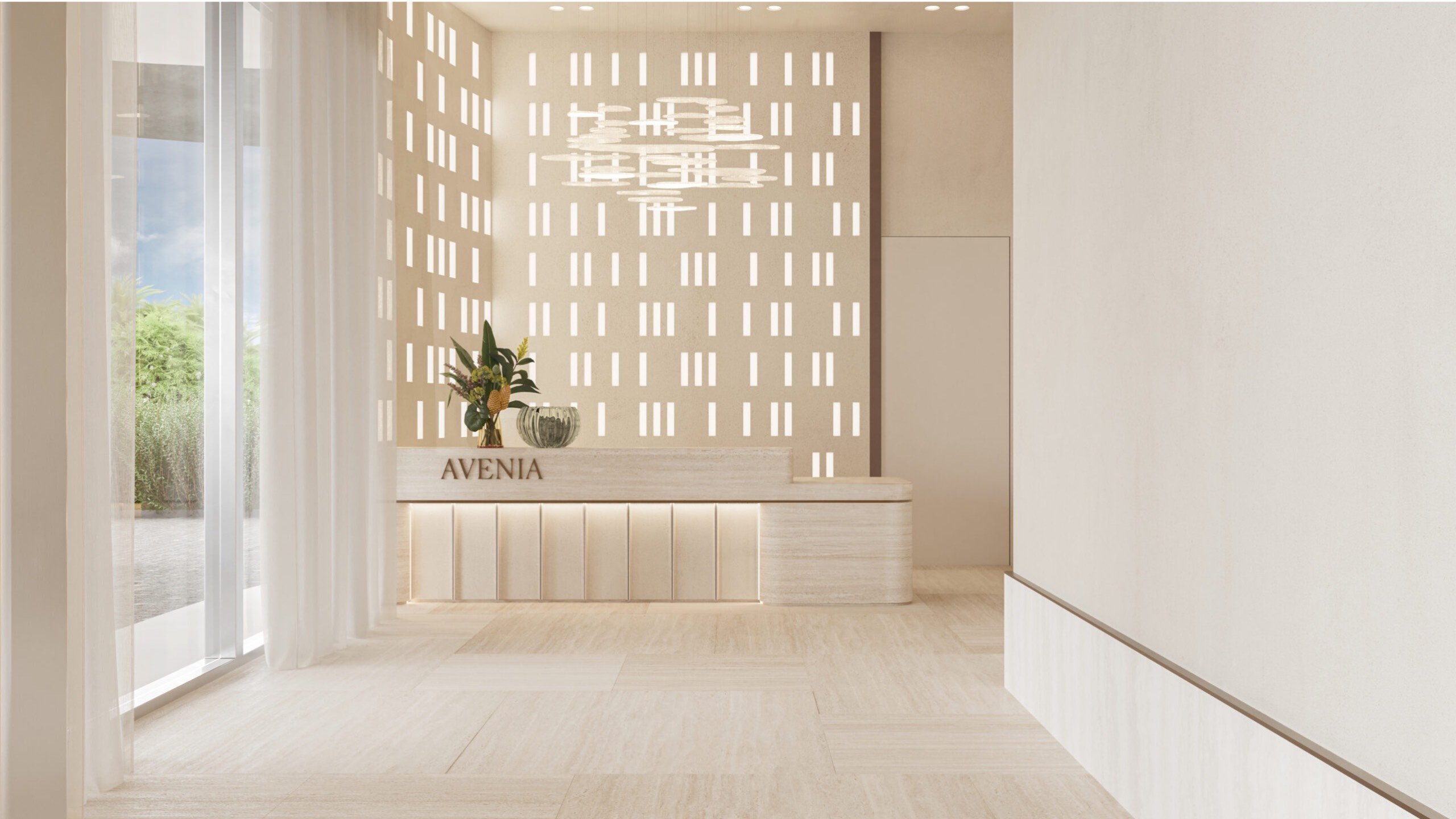
When touring Avenia Aventura or comparing nearby luxury properties, focus less on marketing language and more on sequence: arrival, verification, elevator, corridor, entry, work area, exit. The smoother that sequence feels, the more privately the residence can operate.
Ask who can enter, when they can enter, and how access is documented. Smart-home systems, keypads, fobs, front-desk protocols, and owner permissions can all affect the experience, but the essential question is whether the system supports real household life. A residence with frequent staff, visiting family, or seasonal occupancy needs more than a single elegant front door.
Ask whether the staff entry is visible from primary entertaining spaces. In a well-composed home, service movement should feel quiet and natural. This does not mean hidden in a theatrical sense. It means routine work should not interrupt dinner, conversation, or the arrival of guests.
Ask about acoustic separation. Can you hear the service corridor from the primary suite? Does the laundry area sit against a bedroom wall? Does the back entry close softly and securely? These details become important in a full-time residence, especially when early-morning cleaning, late catering breakdowns, or building maintenance are part of the rhythm.
Ask where items pause. Groceries, dry cleaning, luggage, flowers, parcels, beach gear, and catering trays all need a place to land. A luxury home without back-of-house storage can force everyday clutter into front-of-house rooms. The result is not merely inconvenient. It changes how the home feels.
Aventura buyers often compare condominium living with single-family or townhouse-style privacy. Each format has a different staff-entry standard. In a condominium, the building’s operating rules may matter as much as the residence’s floor plan. In a private home, the driveway, garage, side gate, mudroom, service yard, and kitchen connection become central.
For buyers also looking along the adjacent coastline, projects such as Bentley Residences Sunny Isles and Turnberry Ocean Club Sunny Isles can provide useful comparison points for how vertical luxury buildings handle arrivals, privacy, and separation of public and service movement. The goal is not to copy one model. It is to sharpen your eye.
Design and architecture should be evaluated in motion. Stand at the staff entry and imagine a caterer arriving while guests are seated. Walk from the service point to the kitchen with imaginary grocery bags. Trace the path from a repair visit to the mechanical closet. If the route feels awkward during a quiet showing, it will feel more awkward during a busy weekend.
Staff access is also a security question. Ask how temporary access is granted and revoked. Ask whether entries are monitored, whether building staff can track arrivals, and whether a vendor can reach only the areas they need. A gracious home allows support without surrendering privacy.
Privacy is especially important in residences used seasonally. If an owner is away, trusted personnel may need to water plants, receive deliveries, prepare the home, or coordinate maintenance. The best designs allow this without exposing personal spaces unnecessarily. A strong staff-entry plan can protect art, wardrobes, offices, children’s rooms, and guest suites by directing movement away from them.
Resale is harder to quantify, but sophisticated buyers notice operational clarity. A home that accommodates live-in help, visiting staff, private chefs, estate managers, or frequent entertaining may speak to a broader luxury audience. By contrast, a residence that looks impressive but functions like a conventional apartment can lose appeal once buyers study the details.
Before moving forward, request floor plans and walk them in person. Confirm whether any secondary entry shown on paper is actually usable in daily life. Review building rules for vendors, deliveries, move-ins, renovations, pet care, and after-hours access. Ask whether the association or property manager has restrictions that could affect household staffing.
If you are considering a broader South Florida search, compare the staff-entry logic of Aventura residences with nearby alternatives such as One Park Tower by Turnberry North Miami and Shell Bay by Auberge Hallandale. The most useful insight often comes from contrast: one building may excel at front-of-house drama, another at quiet operational grace.
A refined staff-entry design should answer five questions clearly: who enters, where they go, what they carry, what they can see, and how they leave. If those answers feel composed, the property is more likely to support the level of living its finishes promise.
What is staff-entry design in a luxury residence? It is the planned route for household staff, vendors, deliveries, and service work to enter and move through a home discreetly.
Why does it matter before buying in Aventura? Aventura buyers often value privacy, convenience, and frequent hosting, so service circulation can shape daily comfort as much as the view.
Is a separate staff door always necessary? Not always. What matters is whether the overall access route protects privacy and supports practical household operations.
What should I ask in a condominium showing? Ask about service elevators, vendor registration, delivery routes, after-hours access, and how temporary permissions are controlled.
What should I ask in a single-family home? Review the side entry, garage connection, kitchen access, laundry placement, storage, gates, cameras, and outdoor service areas.
How can I test whether the layout works? Walk the actual route from entry to kitchen, laundry, storage, and mechanical areas while imagining groceries, luggage, or catering trays.
Does staff-entry design affect privacy? Yes. A strong plan limits unnecessary visibility into bedrooms, offices, closets, art areas, and formal entertaining spaces.
Should staff access be part of negotiation? It can inform value, especially if modifications, added storage, access-control upgrades, or building limitations affect usability.
Can staff-entry design influence resale? Sophisticated buyers often notice whether a residence can support chefs, housekeepers, estate managers, and frequent entertaining.
Who should review these details with me? Work with an advisor who understands luxury floor plans, building operations, privacy expectations, and the realities of staffed living.
To compare the best-fit options with clarity, connect with MILLION.
If branded residences are on your mind — as a home or as an allocation — we would be glad to share what we are seeing, privately.
Begin a quiet conversation