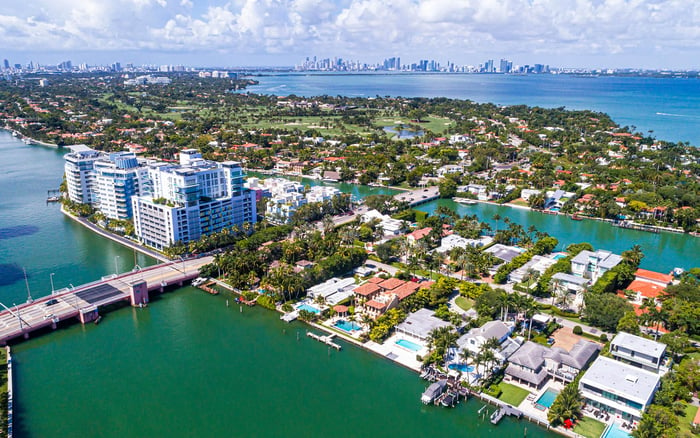
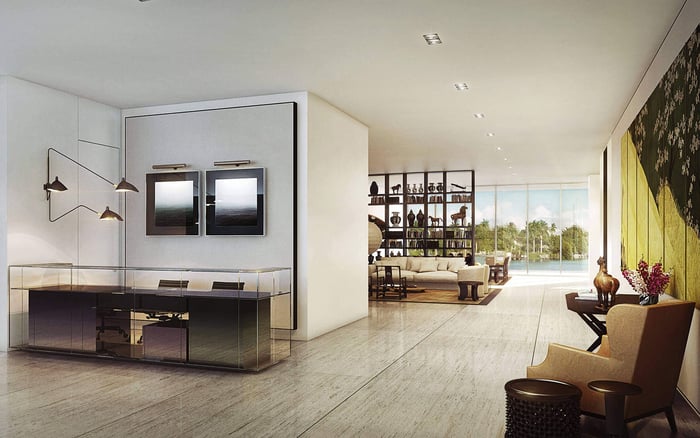
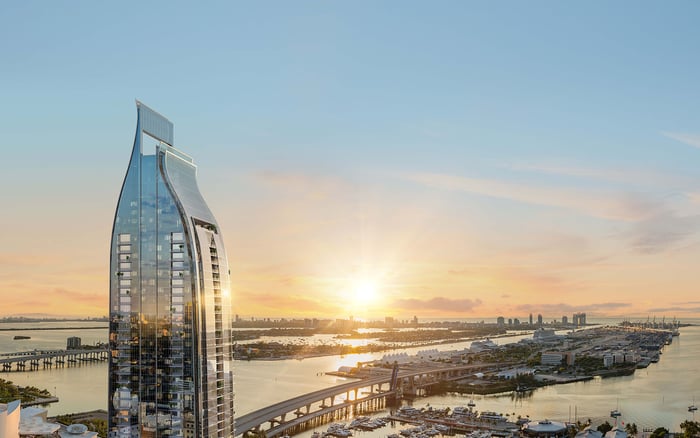
A practical, discreet guide for Miami Beach luxury buyers who want to evaluate delivery-room capacity, hospital access, storm planning, and family-centered residential due diligence before committing to a home.
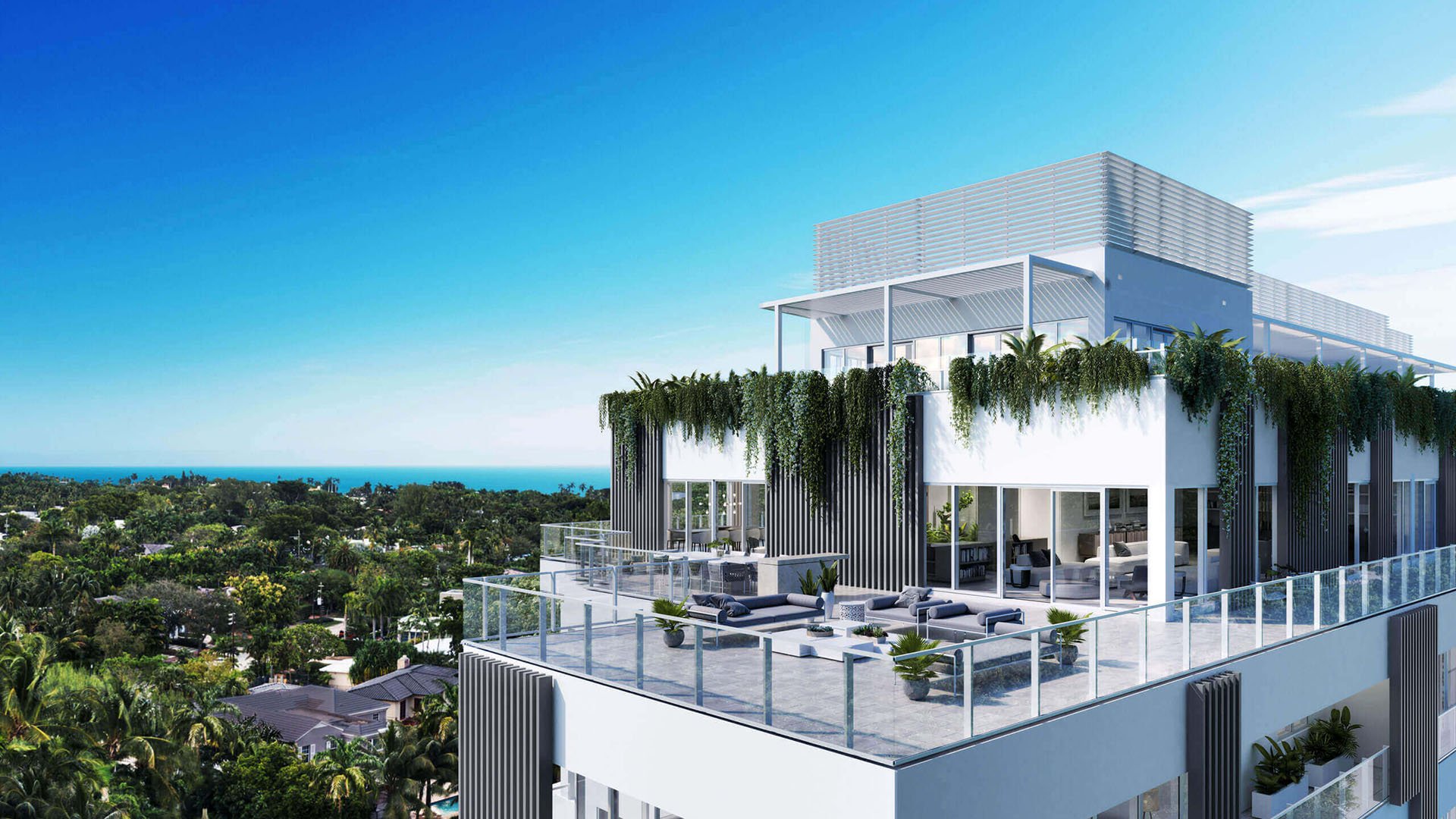
For many Miami Beach buyers, the conversation around a residence begins with light, privacy, water views, architecture, services, and the texture of daily life. Yet for families planning for a child, or for buyers expecting grandchildren and extended family to spend meaningful time in the home, another question belongs beside floor plans and finishes: what happens when maternity care becomes urgent?
Delivery-room capacity is not a glamorous topic, but it is a serious one. In the luxury market, discretion often means anticipating needs before they become visible. A residence may feel serene, impeccably staffed, and ideally located, but a buyer should still understand how quickly a patient can reach preferred maternity care, how that care handles peak demand, and what alternatives exist if the first plan changes.
This is not about turning a real-estate search into a medical consultation. It is about asking sharper questions. The same buyer who reviews elevator redundancy, valet flow, building security, and hurricane protocols should be comfortable asking how birth planning intersects with geography, traffic, staffing, and hospital intake.
Begin with the likely delivery location, not the condominium address. Ask your physician which facilities are realistic for your care plan, then consider the route from the residence at different times of day. A waterfront home may be minutes from dining and the beach, yet the practical route to a delivery unit can feel very different during a storm watch, a holiday weekend, a major event, or an unexpected traffic disruption.
For Miami Beach purchasers considering 57 Ocean Miami Beach, the appeal is closely tied to beachfront calm. That calm should be paired with a clear understanding of routes, parking procedures at the receiving facility, after-hours entry, and who in the household would handle logistics if labor begins at an inconvenient hour.
Ask whether your selected medical team delivers at more than one facility. If so, understand how decisions are made when the preferred location is busy, when a patient needs a higher level of monitoring, or when a scheduled delivery becomes unscheduled. Luxury buyers are accustomed to choice. In maternity planning, choice is valuable only when the hierarchy of options is clear.
Capacity is more than the number of rooms. A buyer should ask how labor rooms, operating rooms, recovery areas, triage spaces, anesthesia availability, and nursery or neonatal support fit together. A delivery room can be available while another crucial component is constrained, so the stronger question is not simply, “Will there be a room?” It is, “How is capacity managed when several patients arrive at once?”
Ask how scheduled deliveries interact with spontaneous labor. Ask whether private rooms are generally available or subject to demand. Ask what happens when a unit is full, who makes transfer decisions, and how quickly those decisions are communicated to the patient’s physician. For high-risk pregnancies, ask whether the intended facility is appropriate for the full range of anticipated needs, including escalation and transfer planning.
This level of questioning is especially relevant for buyers comparing large amenity-driven residences with boutique buildings. The real-estate decision is not determined by the answer, but the answer can influence comfort. A family considering Five Park Miami Beach may be focused on services, design, and lifestyle, while still wanting the practical reassurance that birth logistics have been mapped before move-in.
The path from residence to delivery unit begins inside the building. Ask how the condominium handles emergency access, elevator priority, front-desk communication, valet retrieval, and guest access for medical professionals, family members, or childcare support. In a full-service building, the difference between improvisation and a known protocol can be meaningful.
Consider the residence itself. Is the primary bedroom close to the elevator or at the far end of a large plan? Are there stairs inside the home? Can a family member quickly reach the lobby with a hospital bag, car seat, and documents? Is there a secondary parking solution if valet is delayed? These details may seem minor during a showing, but they become central when minutes feel consequential.
For private, design-forward buyers at The Perigon Miami Beach, the question is not whether the building is refined. It is how refinement translates into action when privacy, urgency, and coordination are all required at once.
Miami Beach buyers already understand that waterfront living requires respect for weather. For expectant families, storm season adds another layer. Ask your care team when they recommend relocating closer to the delivery facility during a serious weather event. Ask which family members should stay with the patient and which should remain at the residence. Ask how prescriptions, records, pediatric contacts, and transportation plans will be handled if the household must adjust quickly.
A strong plan has a primary route, a secondary route, and a threshold for changing plans. That threshold should not be vague. It might involve physician guidance, household comfort, the expected timing of delivery, or the availability of support people. Real-estate buyers cannot control weather or hospital census, but they can reduce uncertainty by deciding in advance when to move from Plan A to Plan B.
This is where a luxury residence should be evaluated as part of a family system. A secure lobby, reliable communications, staffed entry, covered arrival, and well-managed parking are lifestyle features most of the year. During a maternity moment, they become operational features.
Luxury buyers often value confidentiality. Ask how privacy is handled at the medical facility, but also ask how it is handled at home. Who at the building needs to know? Can family members arrive without unnecessary attention? Is there a quiet waiting area for a driver, nurse, or relative? Can household staff access the residence if the owner is away for several days?
At The Ritz-Carlton Residences® Miami Beach, buyers may naturally think in terms of service culture. The same service lens should be applied to sensitive family logistics, including how a building team can support without intruding.
Privacy also requires information discipline. A birth plan should be shared only with the people who need it, and each person should understand their role. One family member may communicate with the physician, another may manage childcare, another may coordinate transportation, and another may handle the residence. The calmer the plan, the more private the experience can remain.
The most sophisticated residential questions are often the least theatrical. Delivery-room capacity is one of them. It does not replace design, views, beach access, or investment discipline. It adds a human layer to each.
Ask your agent to help you think in zones: preferred care location, realistic travel pattern, building operations, family support, and emergency alternatives. Ask your physician the medical questions directly. Ask the building team operational questions before closing, not after. If the answers are vague, keep asking until the plan is legible.
The right Miami Beach residence should support the life you expect to live, including the moments when life is changing quickly. For family-centered buyers, that is the quiet definition of true luxury.
Should delivery-room capacity affect which Miami Beach residence I buy? It should be part of due diligence if pregnancy, grandchildren, or extended family care may be relevant. It rarely decides the purchase alone, but it can refine the shortlist.
What is the most important hospital question to ask? Ask how the facility manages labor and delivery when several patients arrive at once. Capacity is about staffing, triage, recovery, and escalation, not only rooms.
Should I ask my real-estate agent for medical advice? No. Your agent can help assess location and building logistics, while your physician should address medical suitability and delivery planning.
Do luxury condos usually have emergency protocols? Many full-service buildings have procedures for access, elevators, and security. Buyers should ask how those procedures apply to a maternity-related departure.
How should storm season factor into birth planning? Discuss timing, relocation thresholds, transportation, and backup plans with your care team. The goal is to avoid making major decisions under pressure.
Are private rooms guaranteed for delivery recovery? Buyers should not assume that any room type is guaranteed unless it is clearly confirmed by the facility. Availability can depend on demand and care needs.
What building details matter most for expectant families? Elevator reliability, valet flow, lobby access, covered arrival, guest management, and staff communication all deserve attention before closing.
Should I compare more than one delivery facility? Yes, if your physician and care plan allow it. A primary and secondary option can make the overall plan more resilient.
Can a boutique building be better than a large amenity tower for this issue? It depends on operations, access, and the household’s needs. Smaller scale can feel discreet, while larger buildings may offer deeper staffing.
When should these questions be asked during a purchase? Ask before signing or during due diligence, while there is still time to evaluate alternatives. Waiting until move-in can leave gaps in the plan.
If you'd like a private walkthrough and a curated shortlist, connect with MILLION.
If branded residences are on your mind — as a home or as an allocation — we would be glad to share what we are seeing, privately.
Begin a quiet conversation