A practical, discreet guide to assessing massage-room privacy in South Florida luxury condominiums, from acoustics and sightlines to booking protocols and service circulation.
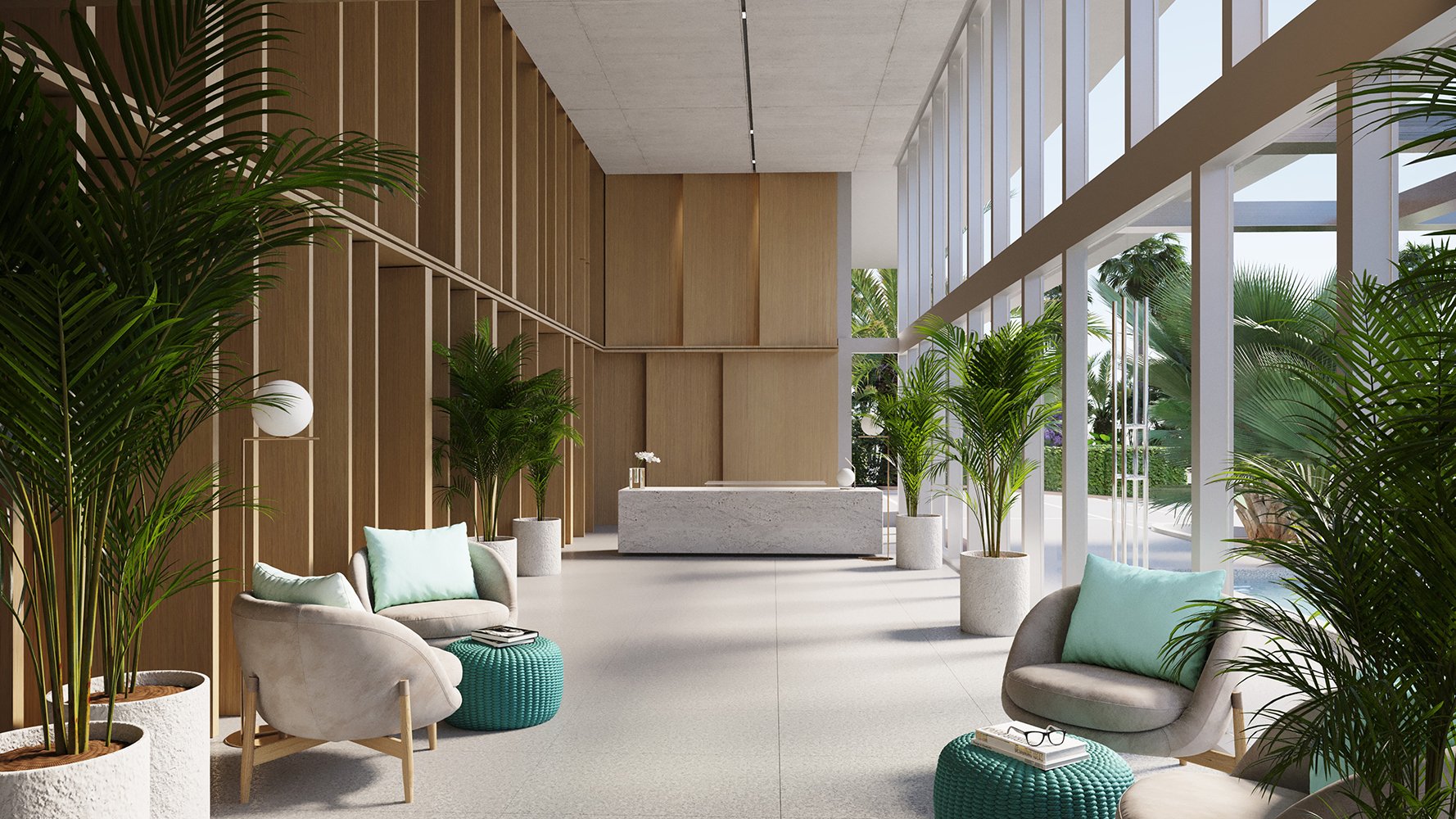
In South Florida’s best buildings, the wellness suite is no longer a secondary amenity tucked beside the fitness center. It is part of the residential experience: a setting where owners expect hotel-level service without hotel-level exposure. For buyers, the massage room has become a revealing test of how seriously a building understands privacy.
A beautiful treatment table, soft lighting, and stone finishes are easy to present on a tour. The more important questions are quieter. Can voices be heard from the corridor? Does the ceiling transmit music or footsteps from above? Is there a direct sightline when the door opens? Are therapists routed through back-of-house paths, or do they cross paths with residents in ways that feel improvised?
The point is not suspicion. It is discretion. Buyers comparing wellness-forward residences such as The Well Bay Harbor Islands and The Well Coconut Grove should look beyond the mere presence of a spa room and evaluate whether the space is designed, operated, and maintained as a genuinely private environment.
The door is the first privacy instrument. A massage room door should feel substantial, close securely, and avoid pronounced gaps at the threshold or frame. Buyers should listen for corridor bleed when the door is closed and note whether conversation outside remains intelligible. A room can look serene and still perform poorly if the entry is acoustically weak.
Pay attention to how the door opens. If it swings directly into a busy hallway, anyone passing by may glimpse the treatment area during arrivals and departures. A small vestibule, angled entry, screen, or offset layout can preserve dignity without making the room feel enclosed. The strongest solutions are often subtle, because privacy should feel effortless rather than defensive.
Hardware matters as well. Soft-closing doors, quiet latches, and controlled access reduce interruptions. Ask whether the room is ever used for other services, storage, or staff circulation. Mixed-use treatment rooms can work, but only if the building manages scheduling and preparation with the same care it gives to finishes.
A daytime tour through an empty amenity level is not enough. Privacy should be assessed when the building is active: elevators moving, fitness equipment in use, music playing, staff circulating, and residents entering adjacent spaces. Buyers should ask to stand inside the massage room while someone speaks in the corridor, opens nearby doors, and uses adjacent amenities.
The concern is not only loud noise. Whispered conversations, phone calls, rolling carts, and HVAC rumble can all compromise the sense of retreat. In a tower environment, sound may travel through ceilings, mechanical pathways, shared walls, or service corridors. If the room borders a gym, pool deck, salon area, elevator lobby, or children’s amenity, the buyer should ask how the building separates those uses.
In dense urban settings such as Brickell, where buildings often layer hospitality, wellness, and entertainment into compact vertical environments, this test becomes especially important. At a property such as St. Regis® Residences Brickell, a buyer should still ask the same practical questions: where is the treatment room positioned, what surrounds it, and how is quiet protected during peak usage?
South Florida design celebrates light, water, and transparency. That aesthetic can be magnificent in residences, lounges, and lobbies, but wellness spaces require a different discipline. A massage room should not depend solely on blinds or frosted film to compensate for a weak layout.
Buyers should walk the approach path and notice what can be seen from elevator landings, reception desks, pool corridors, and outdoor terraces. If the room has glass walls, ask whether they are decorative, functional, or part of a broader privacy strategy. Treatment areas need controlled views, especially when residents may be robed, partially dressed, or transitioning between services.
This is particularly relevant in coastal and resort-style buildings, where amenity spaces often open toward ocean, bay, or garden views. A buyer considering Miami Beach residences such as The Perigon Miami Beach should balance the appeal of luminous design with the basic expectation that wellness remains shielded from casual observation.
Privacy begins before the massage starts. The booking process should limit unnecessary exposure: no public sign-in sheets, no casual verbal confirmation at a crowded desk, and no visible schedule that reveals resident names or treatment times. Digital reservations can be elegant, but only if access is controlled and staff practices are consistent.
Walk the entire journey. Where does the resident wait? Is there a discreet robe or changing area? Can the therapist prepare the room without interrupting the previous appointment? Is there a quiet post-treatment path back to the residence or elevator? Luxury is often measured in these transitions.
The same scrutiny applies to guest therapists. If outside providers are permitted, buyers should ask how they are checked in, escorted, and monitored. If only building-approved providers are allowed, ask how availability, standards, and resident preferences are handled. Either model can be refined, but ambiguity is rarely private.
A well-designed massage room can lose its discretion through weak operations. Buyers should ask who controls access, who cleans between sessions, how maintenance is scheduled, and whether staff can enter during a treatment. The room should have clear protocols for occupied status, service preparation, emergency access, and post-appointment turnover.
The building should also manage noise etiquette around adjacent spaces. A wellness suite beside a social lounge may be workable if hours, music levels, and traffic patterns are coordinated. Without that discipline, even expensive construction can feel compromised.
For new-construction buyers, the best moment to ask these questions is before closing, when drawings, amenity narratives, and management plans can still be reviewed with advisors. For resale buyers, the tour should be more observational: listen, walk, wait, and ask residents or staff how the space actually functions during busy periods.
Some buyers decide that the most private massage room is within the residence itself. Large floor plans, dens, staff suites, or flexible wellness rooms can provide a higher level of control, especially for owners who maintain regular therapy schedules or travel with personal providers.
The in-residence option still needs scrutiny. A treatment room beside an elevator wall, primary bedroom, media room, or mechanical closet may not feel restful. Service access, laundry handling, storage, ventilation, and guest circulation all matter. In towers such as The Ritz-Carlton Residences® Sunny Isles, buyers weighing private wellness space against shared amenities should think about frequency, household privacy, and whether the building’s service culture supports in-home appointments.
The ideal answer may be both: a refined building wellness suite for occasional treatments and a flexible private room for deeply personal routines. What matters is that the buyer recognizes privacy as a performance standard, not a marketing word.
Before committing, ask for a walkthrough of the wellness level during a realistic time of day. Stand inside the massage room with the door closed. Listen for speech, footsteps, music, plumbing, HVAC, and elevator noise. Open the door and study sightlines. Trace the path from elevator to reception, from reception to treatment, and from treatment back home.
Ask whether appointments overlap, whether residents wait in shared areas, and whether staff announce names or treatment types aloud. Confirm how outside therapists are handled, how the room is secured, and how cleaning occurs between sessions. If the answers are vague, request clarification in writing through the appropriate purchase or building-review process.
Above all, trust the physical experience. A private massage room should lower the senses, not make the buyer mentally map every possible intrusion. When the space is right, privacy feels calm, legible, and quietly complete.
Why should buyers evaluate a building’s massage room before purchasing? It reveals how seriously the building treats wellness, staff flow, acoustics, and resident discretion.
What is the first privacy feature to inspect? Start with the door, including its weight, seals, latch noise, and what is visible when it opens.
Can a beautiful massage room still lack privacy? Yes. Elegant finishes do not prevent sound transfer, poor sightlines, or weak booking protocols.
When is the best time to test acoustic privacy? Visit when amenities are active, because an empty tour rarely reflects real building conditions.
Why do glass-heavy buildings need extra scrutiny? Transparency can create unintended views into wellness areas unless layouts are carefully controlled.
Should buyers ask about outside massage therapists? Yes. The policy affects security, scheduling, service access, and the resident’s sense of privacy.
Is an in-residence massage room more private? It can be, provided the room has quiet adjacency, proper circulation, and suitable service support.
What operational details matter most? Access control, occupied-room protocols, cleaning turnover, staff entry rules, and appointment handling.
How should buyers compare shared wellness suites across buildings? Compare the entire resident journey, not only the treatment room’s size or decorative finish.
What is the clearest sign of a well-planned massage room? The space feels calm from arrival to exit, with no obvious exposure, noise, or interruption points.
For a tailored shortlist and next-step guidance, connect with MILLION.
If branded residences are on your mind — as a home or as an allocation — we would be glad to share what we are seeing, privately.
Begin a quiet conversation