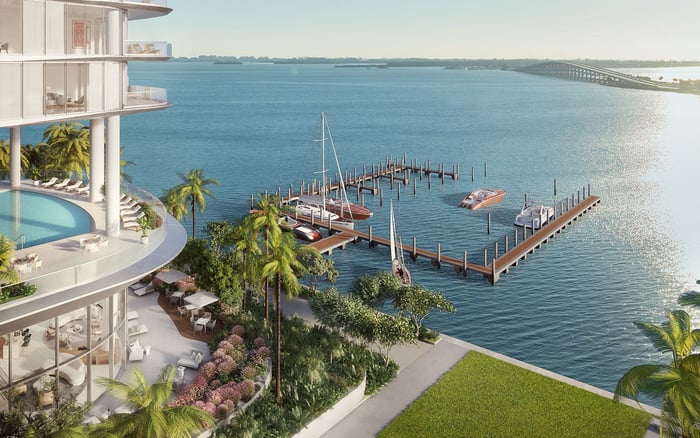
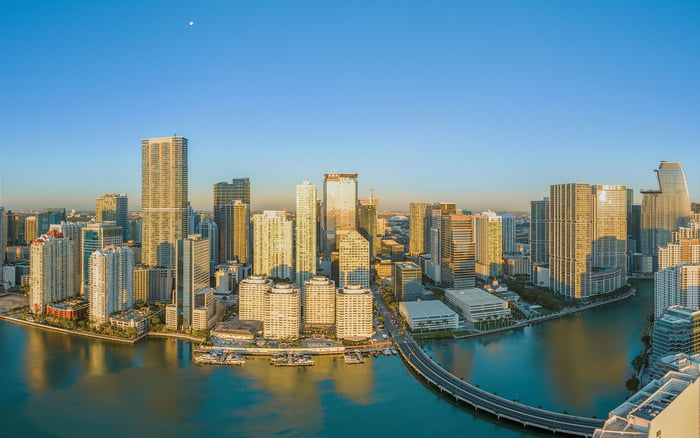
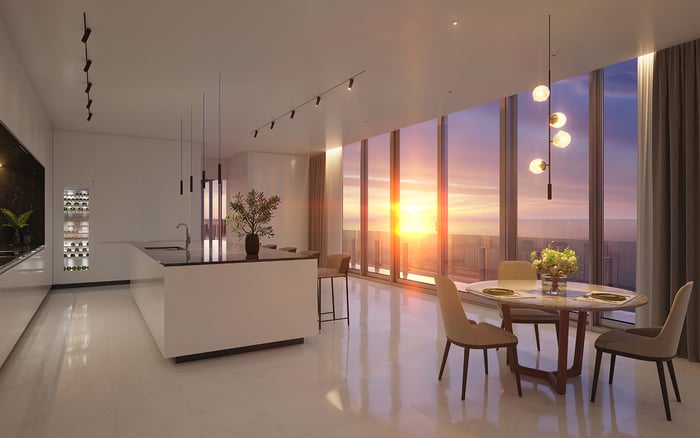
A buyer-focused guide to evaluating view direction, daylight, elevation, and terrace comfort at Waldorf Astoria Residences Downtown Miami without treating outlook or outdoor space as one-size-fits-all.
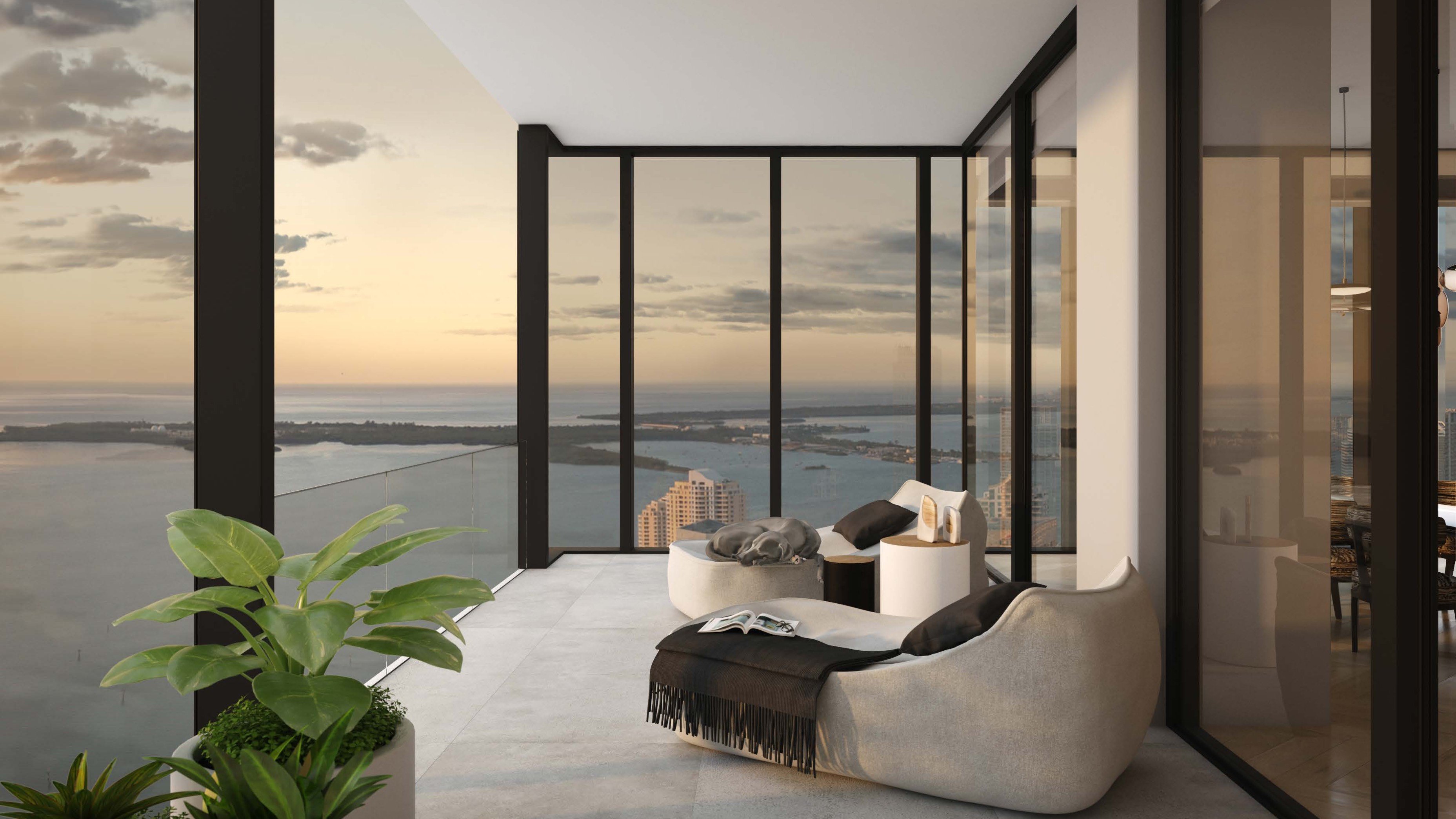
Waldorf Astoria Residences Downtown Miami should be evaluated one residence at a time. In a Downtown Miami high-rise setting, views, light, and terrace usability can vary materially by exposure, elevation, neighboring buildings, outdoor depth, and the way interior rooms connect to exterior space.
The key buyer mistake is treating height as the entire story. A higher floor may feel more open, but daily comfort depends on more than the horizon. Wind, glare, shade, privacy, and furniture placement can decide whether a terrace becomes part of everyday living or remains mostly visual.
For this type of branded residence, the strongest selection process is practical and room-by-room. Buyers should study the living room, primary bedroom, kitchen, terrace access points, and the likely experience at different times of day before ranking one stack above another.
Light is one of the most personal parts of a luxury residence. Some buyers want bright morning energy, while others prefer softer light for art, work, and privacy. In South Florida, sunlight can be beautiful and demanding at the same time, so a buyer should evaluate both the mood and the management of light.
A water-oriented view can feel serene, reflective, and open, but it may also bring periods of glare depending on the angle and time of day. A city-oriented view can feel more dramatic in the evening, especially when surrounding towers become part of the visual composition. Neither condition is automatically superior; the better choice is the one that fits the owner’s routine.
Interior planning matters as much as the exterior outlook. Deep seating areas, bedroom placement, kitchen orientation, and wall space for art can all change how a residence lives with natural light. A floor plan with a slightly less dramatic view may still feel more comfortable if it handles light and circulation better.
Terrace value should not be judged only by whether the view photographs well. The more important question is whether the outdoor area can support real use: morning coffee, reading, quiet calls, small gatherings, or evening dining. That requires enough usable depth, logical furniture zones, and a comfortable relationship to sun and wind.
Buyers should ask how shaded the terrace may feel during the times they expect to use it most. A sunny outdoor space can be appealing for short visits but may become less practical during intense heat. Conversely, a more protected terrace can feel calmer and more usable even if the view is less panoramic.
Privacy is another part of usability. A terrace that looks open in a rendering may feel different if it is visually connected to other residences, amenity areas, or nearby towers. The best outdoor space balances view, privacy, comfort, and proportion.
Lower, middle, and higher elevations can each offer a different version of Downtown Miami living. Lower levels may feel more connected to the surrounding city, with a stronger sense of streetscape, architecture, and movement. That connection can be appealing for buyers who want an urban residence rather than a fully detached sky-home experience.
Middle elevations may offer a balance between openness and connection. These residences can feel removed from immediate street activity while still retaining a strong sense of place. For many buyers, this range is where view, comfort, and daily practicality need especially careful comparison.
Higher elevations may deliver broader outlooks and a more cinematic sense of arrival. The tradeoff is that outdoor comfort can become more sensitive to wind, sun, and exposure. A buyer considering higher floors should pay close attention to terrace dimensions, rail height, furniture feasibility, and whether the outdoor area feels comfortable for the way they actually live.
Downtown Miami buyers often benefit from comparing different architectural and branded-residence experiences before selecting a final stack. Aston Martin Residences Downtown Miami and Casa Bella by B&B Italia Downtown Miami can help frame how buyers think about design identity, urban context, and the relationship between interiors and views.
Cross-shopping Brickell can also be useful for understanding how skyline energy changes the residential experience. Baccarat Residences Brickell and The Residences at 1428 Brickell offer additional context for buyers weighing branded living, vertical views, and the feel of a dense urban corridor.
For the subject tower itself, buyers should return to Waldorf Astoria Residences Downtown Miami with a clear checklist rather than a broad preference for one direction or height. The best selection is usually the residence where exposure, plan, terrace, and lifestyle align.
Before choosing a residence, buyers should review the specific stack, exposure, terrace shape, and room orientation. They should ask how the living spaces receive light, whether the terrace has enough usable area, and how furniture would be arranged without blocking circulation.
It is also important to evaluate comfort during the actual times the owner expects to be home. A terrace used mainly in the morning should be assessed differently from one intended for sunset entertaining. A residence designed around quiet workdays should be judged differently from one intended primarily for hosting.
The most disciplined approach is to separate emotional impact from practical fit. A dramatic view may justify a premium, but only if the residence also works as a home. In the luxury market, the strongest long-term satisfaction often comes from the combination of visual drama and everyday ease.
Branded Residences bring expectations of service, consistency, and lifestyle coordination. Those expectations can enhance the ownership experience, but they do not replace the need for careful residence selection. Even within the same building, different homes can live very differently.
At Waldorf Astoria Residences Downtown Miami, the buyer lens should remain focused on how the residence feels from inside: how the view is framed, how light moves through the rooms, how private the terrace feels, and whether the outdoor space invites regular use. The right choice is not simply the most elevated or the most visually dramatic; it is the one that supports the owner’s daily rhythm.
What should buyers evaluate first at Waldorf Astoria Residences Downtown Miami? Buyers should begin with the specific residence stack, exposure, floor level, and terrace layout rather than relying on a general preference for height or direction.
Does a higher floor automatically mean a better residence? Not always. Higher floors may offer broader outlooks, but comfort, wind, sunlight, privacy, and terrace usability still need careful review.
Why is light such an important part of the decision? Natural light affects mood, glare, art placement, furniture choices, and how comfortable the home feels throughout the day.
How should buyers think about water views versus city views? Water-oriented views may feel calmer and more open, while city-oriented views may feel more energetic and dramatic, especially in the evening.
What makes a terrace genuinely usable? A usable terrace needs practical depth, comfortable exposure, appropriate shade, privacy, and enough space for furniture without blocking movement.
Can a smaller terrace be more valuable than a larger one? Yes. A smaller terrace with better shade, privacy, and proportions may be more useful than a larger outdoor area that feels exposed or difficult to furnish.
Why should buyers compare nearby Downtown Miami projects? Comparing nearby projects helps buyers understand differences in architecture, branding, floor-plan logic, and how each building frames the surrounding city.
Is Brickell relevant when comparing Downtown Miami residences? Yes. Brickell comparisons can help buyers understand how a denser skyline setting changes light, views, and the overall residential mood.
What should buyers ask about terrace furniture? Buyers should ask whether seating, dining, planters, and circulation can all fit comfortably without making the terrace feel cramped.
What is the best way to shortlist comparable options for touring? Start with location fit, delivery status, and daily lifestyle priorities, then compare stacks and elevations to validate views and privacy.
For a confidential assessment and a building-by-building shortlist, connect with MILLION.
If branded residences are on your mind — as a home or as an allocation — we would be glad to share what we are seeing, privately.
Begin a quiet conversation