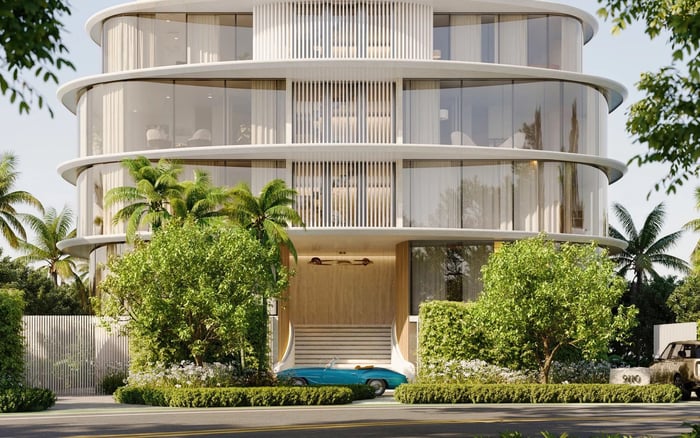
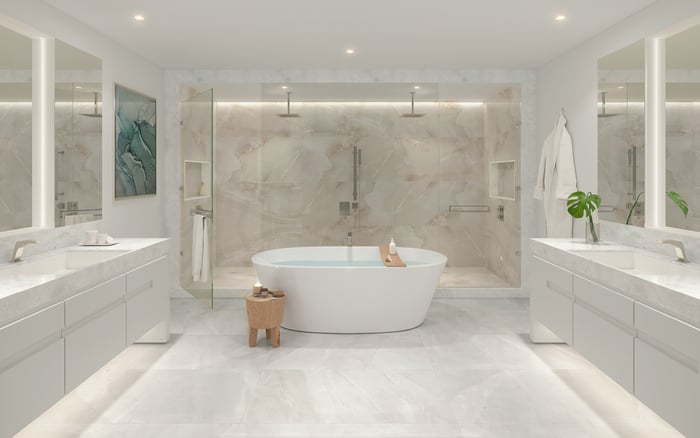
A refined buyer’s guide to evaluating Boca Raton residences through the lens of cultural access, daily rhythm, privacy, service, and ease of ownership.
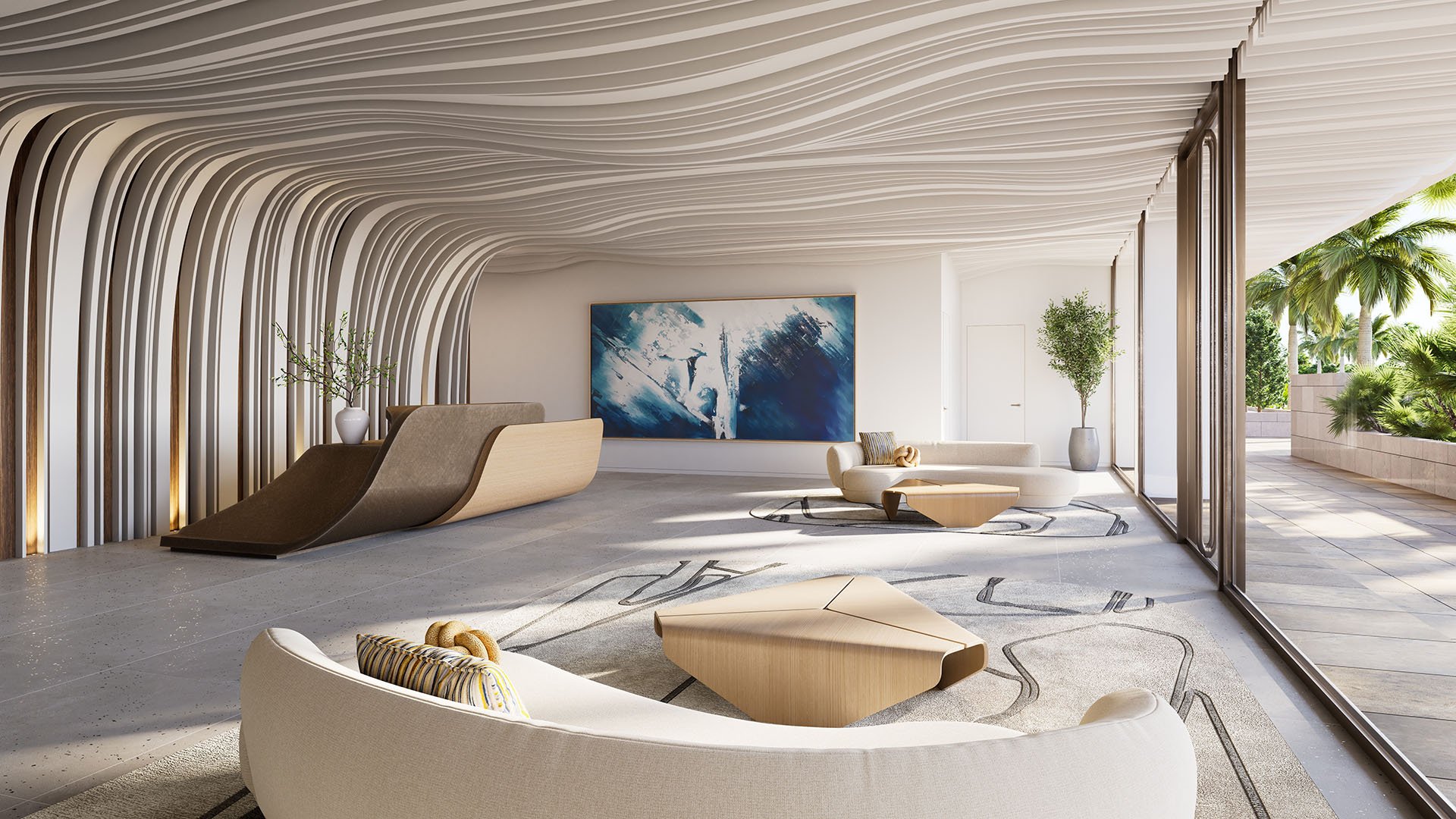
For the Boca Raton buyer who values cultural access, the search begins with a more exacting question. It is not simply, “How close is the residence to everything?” It is, “How easily does this home support the life I intend to live?” For many affluent buyers, that life includes dinners that begin without logistical friction, evenings that can move from private entertaining to a performance or gallery visit, and weekends that balance family, wellness, and discretion.
Cultural access is often mistaken for proximity alone. In practice, it is a layered form of convenience. It includes the quality of arrival, the ease of hosting, the ability to leave home polished and return without complication, and the confidence that a residence will feel composed whether occupied full time, seasonally, or only between travel dates. This is where Boca Raton becomes especially compelling for the luxury buyer. It offers a polished residential environment while allowing buyers to prioritize lifestyle, service, privacy, and daily flow.
This guide is written for the buyer who wants more than square footage. It is for the person comparing how buildings, neighborhoods, and home formats translate into dinners, openings, lectures, performances, charitable events, wellness appointments, and spontaneous evenings out.
Before touring property, define what culture means inside your household. For some buyers, it means dining and social access. For others, it means art, music, philanthropy, design, education, or simply being close enough to refined programming that the calendar feels rich without becoming demanding. The strongest purchase decision begins with this personal hierarchy.
A couple who entertains frequently may value a gracious arrival sequence, generous living areas, and a kitchen that supports catered evenings. A seasonal buyer may care more about lock-and-leave simplicity, building staff, valet efficiency, and the ability to arrive for a long weekend without reactivating the entire household. A collector may prioritize walls, light control, privacy, and secure storage. A family may need cultural access to coexist with school routines, wellness, and multi-generational visits.
The key is to treat culture as a pattern, not an occasional outing. If you imagine yourself attending more events, ask whether the residence makes that easy after a full day. If you imagine hosting, ask whether guests will experience the home as effortless. If you value privacy, ask whether the building allows a public cultural life and a highly private residential one to coexist.
Luxury condominiums can be particularly compelling for buyers who want cultural access without the maintenance profile of a large single-family estate. The advantage is not only amenity. It is operational ease. A well-conceived residence can simplify the transitions around cultural life: parking, greeting guests, receiving deliveries, arranging transportation, and returning home late with minimal friction.
In Boca Raton, projects such as Alina Residences Boca Raton speak to buyers who want a polished residential base with a lifestyle orientation. For a culture-focused buyer, the appeal is less about any single feature and more about reducing the number of decisions required to live well.
For buyers drawn to a more intimate residential experience, Glass House Boca Raton may enter the conversation as part of a broader comparison between privacy, design character, and access. The point is not to chase every amenity. It is to identify the building whose services and spatial language match how you plan to move through Boca Raton socially and culturally.
The most overlooked component of cultural access is service. A residence can be beautifully located, but if daily logistics are awkward, the cultural lifestyle becomes theoretical. Buyers should pay close attention to the first ten minutes of arrival and the final ten minutes before leaving for an evening engagement. These small intervals reveal whether a building supports a refined life or merely photographs well.
Concierge culture, valet rhythm, package handling, guest management, private elevator access where available, and the quiet competence of the staff all matter. For buyers who split time between homes, service becomes even more important. A seasonal residence should not feel like a project every time the owner returns. It should feel ready, calm, and intuitive.
This is where branded or hospitality-informed residences often attract consideration. The Residences at Mandarin Oriental Boca Raton can be relevant for buyers who want a residential environment connected to a broader service sensibility. The best way to evaluate such a property is not only to ask what is available, but to observe how naturally the service culture supports the owner’s actual week.
For cultural-access buyers, the evening test is simple. Imagine leaving home at 6:30 p.m. for dinner, continuing to a cultural or social engagement, then returning later in the evening. Does the residence make that sequence feel elegant? Is departure simple? Is the return secure and discreet? Are guests greeted well? Can a car service, valet, or private vehicle move through the property without confusion?
Walkability can be valuable, but it should be judged with nuance. Not every buyer wants to walk to everything, and not every cultural evening begins on foot. The higher standard is optionality. A strong location gives the owner more ways to move through the day: a short drive when dressed formally, a walk when the weather and occasion suit it, and an easy return when the evening runs late.
Buyers should also consider the psychological distance between home and the places they expect to frequent. A destination may be technically nearby yet feel inconvenient because of parking, traffic flow, or a cumbersome building exit. Conversely, a residence that is slightly more removed can perform better if its arrival sequence and service are seamless.
Some Boca Raton buyers will naturally gravitate toward single-family homes. The appeal is clear: privacy, scale, outdoor space, and the ability to create a highly personal environment. For collectors, philanthropists, and frequent hosts, a private home can become a cultural setting in itself. The home is not merely a place to return to after an event. It can be the event.
The tradeoff is operational responsibility. A single-family residence may require more coordination around staffing, maintenance, security, and preparation. For some buyers, that control is desirable. For others, it becomes the very friction they hoped to leave behind.
Condominiums and full-service residences offer a different proposition. They compress the logistics of ownership and often make cultural participation easier for buyers who travel frequently or prefer a lighter domestic footprint. A project such as Mr. C Residences Boca Raton may be part of that discussion for those comparing hospitality cues, residence scale, and the ease of using the home as a base for a social calendar.
Neither format is inherently superior. The right answer depends on whether your cultural life is primarily private, public, spontaneous, hosted, seasonal, or all of the above.
A culture-focused buyer should tour with a different checklist. Ask how guests arrive. Ask where they wait. Ask how deliveries are handled before a dinner at home. Ask whether the residence has the storage needed for formalwear, art, wine, luggage, sporting equipment, or seasonal items. Ask how staff and vendors access the property. Ask what the building feels like on a busy evening, not only during a quiet daytime tour.
Inside the residence, look for flexible entertaining space, acoustic comfort, intuitive lighting, and private bedroom separation. The best cultural homes allow the owner to host beautifully without sacrificing the quiet of private rooms. Terraces, views, and open living areas can be powerful, but they should support the way you actually gather.
Do not underestimate parking and vertical circulation. Elevators, valet, guest parking, and the route from lobby to residence often shape the experience more than marketing language suggests. Cultural access is won or lost in these transitions.
Cultural access is a lifestyle decision, but it should be evaluated with disciplined buyer logic. The most enduring homes are not merely close to attractions. They are adaptable to changes in schedule, family structure, travel patterns, and entertaining style. They can serve a quiet weekday morning and a formal Saturday evening with equal composure.
In Boca Raton, the buyer who chooses well will focus on fit. That means looking past generalized prestige and asking whether the residence protects time, supports privacy, elevates hosting, and makes the city’s cultural life feel closer because the home itself is easier to live from.
What does cultural access mean for a Boca Raton buyer? It means choosing a residence that supports dining, arts, philanthropy, wellness, and social life with minimal daily friction.
Is walkability the most important factor? Not always. Optionality matters more, including easy driving, valet, guest arrival, and the ability to move through the evening gracefully.
Are condominiums better than single-family homes for cultural access? They can be, especially for buyers who want service, security, and lock-and-leave ease. Single-family homes may suit buyers who host privately at scale.
What should seasonal buyers prioritize? Seasonal buyers should focus on service, maintenance simplicity, secure arrival, and a residence that feels ready each time they return.
How important is building staff? Very important. Staff can determine whether entertaining, deliveries, transportation, and guest management feel seamless or cumbersome.
Should collectors evaluate residences differently? Yes. Collectors should consider wall space, light control, privacy, storage, and how art or design pieces will live within the residence.
What is the evening test? It is a practical exercise that imagines leaving for dinner, attending an event, and returning home to see whether the residence supports the full sequence.
Can a quieter address still offer cultural access? Yes. A quieter address can work beautifully if movement, service, and arrival are efficient enough to keep the cultural calendar convenient.
How should buyers compare luxury projects? Compare the lived experience, not only amenities. Arrival, privacy, staff rhythm, storage, and hosting flow often reveal the stronger fit.
What is the best way to shortlist comparable options for touring? Start with location fit, delivery status, and daily lifestyle priorities, then compare stacks and elevations to validate views and privacy.
For a confidential assessment and a building-by-building shortlist, connect with MILLION.
If branded residences are on your mind — as a home or as an allocation — we would be glad to share what we are seeing, privately.
Begin a quiet conversation