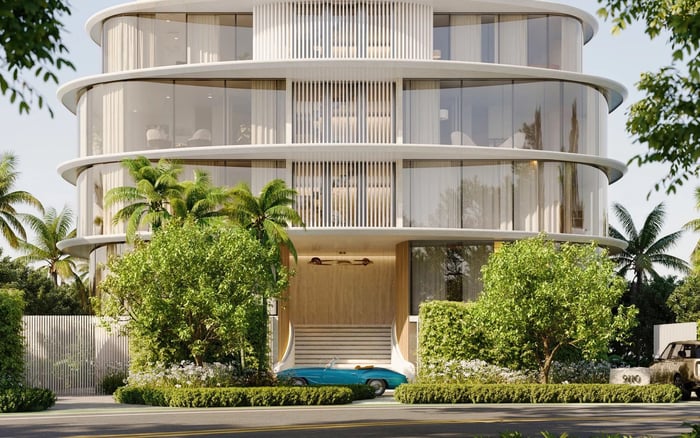
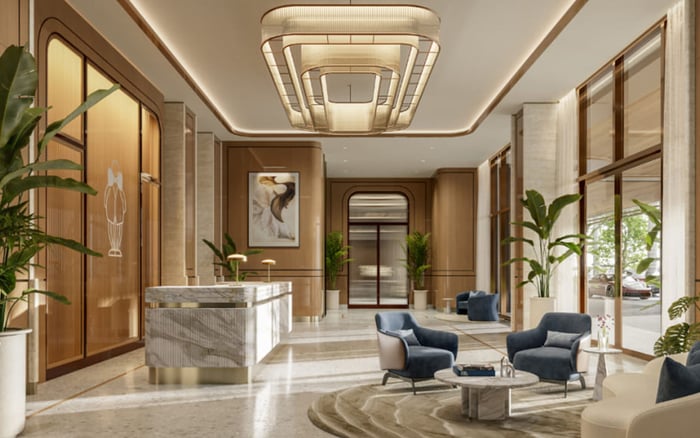
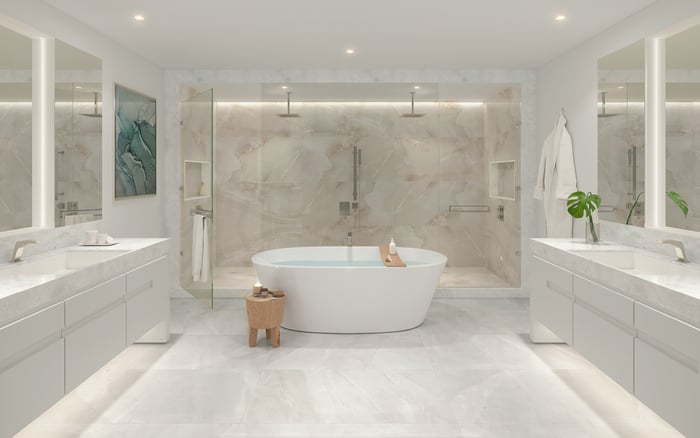
Glass House Boca Raton deserves attention from full-time and near-full-time luxury condo buyers because its appeal is best measured through building culture, daily livability, operational predictability, and a residential Boca Raton rhythm rather than finishes alone.
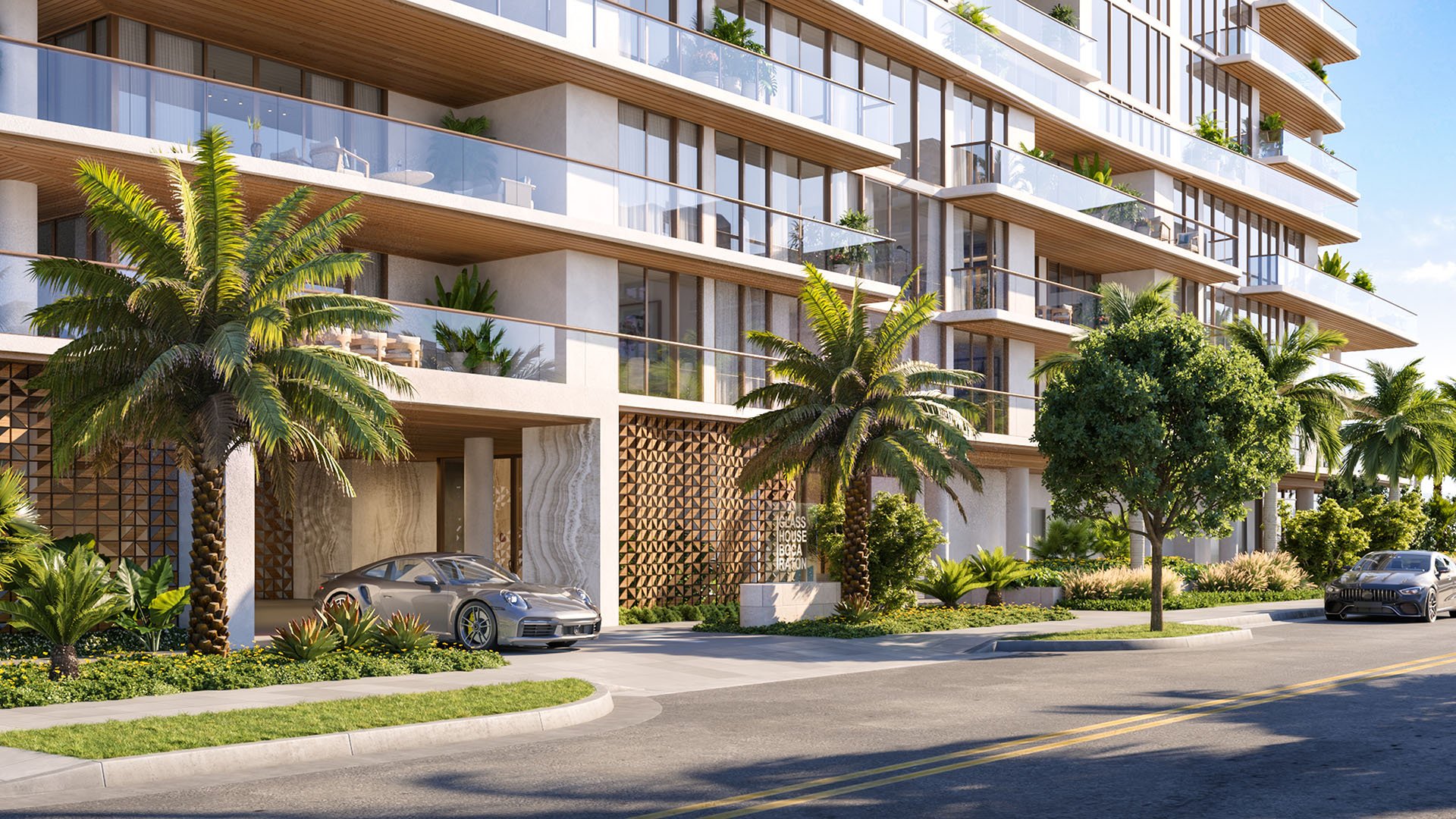
For the full-time luxury condominium buyer, the most meaningful question is rarely limited to surface beauty. Finishes matter. Architecture matters. Views, terraces, arrival sequences, and amenity design all shape desire. Yet a buyer planning to live in a residence for most of the year has a more exacting standard: will the building feel composed, useful, private, and neighborly on an ordinary Tuesday in August as much as it does during a polished winter showing?
That is the lens that makes Glass House Boca Raton worth serious attention. Its strongest case is not simply that it belongs in the Boca Raton luxury condominium conversation. It is that Glass House Boca Raton belongs on the shortlist for buyers prioritizing a building culture suited to primary-home life.
Building culture is the daily operating system of a condominium. It is the resident mix, the tone of service, the rhythm of arrivals and departures, the way common areas are used, the degree of privacy residents feel, and whether the property seems genuinely inhabited beyond peak season. For a buyer leaving behind a single-family home, or choosing Boca Raton as a more permanent South Florida base, those softer factors can become the defining luxuries.
Seasonal buyers often judge a building by how it performs during concentrated windows of use. Full-time and near-full-time residents need more. They need predictable operations, consistent service, neighbor stability, and practical day-to-day livability. A building can be spectacular and still feel wrong if it is dominated by short stays, frequent absences, or a resident pattern that makes the property feel only intermittently alive.
For that reason, Glass House Boca Raton should be evaluated against more transient luxury projects, investor-oriented buildings, and seasonal-use coastal towers. The question is not which model is objectively better. The question is which model supports the life the buyer actually intends to live.
A full-time resident will care about how easily work-from-home routines fit into the building, whether privacy feels protected, whether amenity spaces are comfortable rather than performative, and whether staff interactions feel consistent. These are not secondary considerations. They are the architecture of daily ease.
Within Boca Raton, buyers may naturally compare Glass House with other notable residential options such as Alina Residences Boca Raton, The Residences at Mandarin Oriental Boca Raton, and Mr. C Residences Boca Raton. The point of that comparison should not be a simple amenity count. It should be a careful reading of how each building is likely to feel when life becomes routine.
Boca Raton is central to the thesis. The city appeals to many buyers who want South Florida luxury without reducing the home to a resort-only asset. Boca Raton can support school-year routines, club life, dining patterns, professional schedules, health regimens, and a steadier cadence of occupancy. For the right buyer, that rhythm is the advantage.
This is where Glass House Boca Raton can stand apart as a residential-feeling condominium option. The appeal is operational and social as much as architectural. Buyers looking for a primary home in the sky should ask whether a property has the capacity to feel settled, not merely impressive.
That distinction matters in a market where luxury language can blur very different ownership experiences. A tower built around episodic use can be excellent for the buyer who wants a seasonal pied-a-terre. A more residential-feeling environment may be better for the buyer who expects to know the building, use it regularly, and rely on it as the center of life.
For MILLION Buyer's Guides readers, the relevant question is not whether Glass House Boca Raton is luxurious. The more precise question is whether its culture aligns with daily life, and whether that culture will remain appealing after the first season of ownership.
A sophisticated buyer should treat building culture as part of formal due diligence. Governance deserves attention because rules, enforcement, and long-term stewardship shape the experience as much as design. Resident mix matters because a building with committed occupants tends to feel different from one with high turnover. Amenity usability matters because impressive spaces have limited value if they are uncomfortable, overprogrammed, or poorly aligned with daily needs.
Buyers should also consider how active the building feels outside peak season. A property that maintains a calm but lived-in presence year-round will suit a different lifestyle than one that feels brilliant in winter and muted for long stretches thereafter. Neither is wrong, but the mismatch can be costly in quality-of-life terms.
The Boutique side of Boca Raton luxury is especially relevant here. Smaller-feeling, more residential experiences often attract buyers who want discretion and continuity. In any New-construction conversation, it is easy to be seduced by renderings and finishes. The harder and more valuable question is how the building will behave once residents move through it every day.
Lifestyle is not an accessory to the purchase. It is the purchase. Glass House Boca Raton belongs on the shortlist because it invites buyers to think beyond the brochure and toward the lived experience of the address.
The case for Glass House Boca Raton is strongest for buyers who define luxury as consistency, privacy, and social comfort. These buyers are not only shopping for a residence. They are choosing a daily environment and, in many cases, replacing the autonomy of a private home with the shared framework of a condominium.
That transition can be elegant when the building culture is right. It can also be frustrating when operations feel unpredictable or the resident base feels too transient. Glass House Boca Raton deserves consideration because its appeal is framed around a more residential condominium environment, one that may better suit full-time and near-full-time life in Boca Raton.
For buyers who prioritize full-time livability, the best shortlist is not the longest one. It is the one that separates spectacle from suitability.
Why does building culture matter for Glass House Boca Raton? Building culture affects privacy, service consistency, neighbor stability, and how comfortable the property feels during ordinary daily life.
Is Glass House Boca Raton mainly for full-time residents? It is especially relevant for full-time or near-full-time buyers seeking a luxury condominium that functions as a primary home.
How should buyers compare Glass House Boca Raton with seasonal towers? They should compare resident patterns, operational predictability, and whether the building feels active and stable outside peak season.
What makes Boca Raton important to the thesis? Boca Raton can support year-round residential routines, making it appealing to buyers who want more than a resort-style seasonal base.
Should amenities be the main deciding factor? Amenities matter, but full-time buyers should also test whether those spaces are usable, comfortable, and aligned with daily habits.
What due diligence is most important for a full-time buyer? Governance, resident mix, amenity usability, privacy, and year-round building activity should all be part of the review.
Is Glass House Boca Raton an investment-focused discussion? This angle is more about livability than investment, especially for buyers prioritizing a stable residential environment.
How does work-from-home life factor into the decision? Full-time residents should consider quiet, privacy, service flow, and whether the building supports a productive daily rhythm.
What is the biggest risk of choosing the wrong building culture? A buyer may own a beautiful residence that feels mismatched with how they actually live most of the year.
Who should place Glass House Boca Raton on the shortlist? Buyers seeking Boca Raton luxury with a more residential-feeling culture should give it close consideration.
For a confidential assessment and a building-by-building shortlist, connect with MILLION.
If branded residences are on your mind — as a home or as an allocation — we would be glad to share what we are seeing, privately.
Begin a quiet conversation