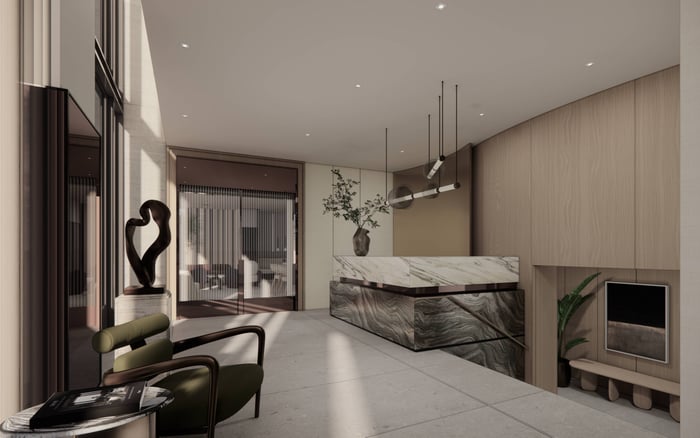
A discreet buyer’s guide for New York families considering Bay Harbor Islands, with practical advice on lifestyle fit, condo selection, school planning, building culture, and due diligence.

For New York families, the South Florida search often begins with a question less about square footage than rhythm. Can a home feel calm after dense city life, remain sophisticated, and support children, guests, work, wellness, and privacy without feeling isolated? Bay Harbor Islands enters that conversation because it offers a quieter residential tone within reach of the region’s broader social, cultural, and retail circuit.
The right buyer approaches the area with discipline. This is not a market to judge by terrace views or lobby photography alone. Families relocating from Manhattan, Brooklyn, or Westchester should translate their existing routines into a Florida version: school runs, after-school activities, airport patterns, grandparents’ visits, weekend beach time, and the simple daily question of where everyone puts their things.
Search teams may shorthand the neighborhood, but the real decision is more nuanced. A family is choosing a building culture, an association structure, a level of service, and a long-term daily setting.
New York buyers tend to arrive with a sophisticated understanding of buildings. They know the difference between prestige and performance. They have lived with boards, elevators, doormen, renovations, assessments, and the hidden value of a well-run property. That experience is useful, but South Florida introduces a different set of considerations.
Outdoor space becomes more central. A terrace is not merely decorative; it is part of the living plan. Parking, storage, package handling, guest access, pet policies, and service entries deserve early attention. Families moving from townhouses or larger prewar apartments should also think carefully about ceiling heights, bedroom separation, closet depth, and the acoustics of family life inside a concrete high-rise or boutique waterfront building.
The emotional shift matters as much as the practical one. New York families often want ease without losing elegance. In Bay Harbor Islands, that can mean a residence that feels composed rather than performative, with enough privacy to make weekday life manageable and enough polish to host comfortably.
Bay Harbor Islands has an inventory personality that rewards close comparison. Some buyers will prefer the intimacy of a boutique building, where fewer residences may create a more personal atmosphere. Others will gravitate toward newer amenity programs that place wellness, design, and hospitality closer to the center of daily life.
For buyers who want a contemporary, design-forward entry point, Alana Bay Harbor Islands belongs in the conversation as part of the area’s boutique new-development landscape. Families should look beyond renderings and ask how the floor plan will function on an ordinary Tuesday: where backpacks land, where a nanny or visiting relative might stay, and whether the living room can handle both homework and entertaining.
Water-oriented buyers may study La Baia North Bay Harbor Islands for a different expression of the same family brief. In any waterfront or water-view search, the premium should be measured through daily use, not simply the view line. Morning light, balcony depth, privacy from neighboring properties, and how children use outdoor space all matter.
For families relocating from New York, school planning usually drives timing. Even when a buyer is committed to South Florida, the move often depends on admissions calendars, testing, interviews, childcare transitions, and the social confidence of each child. Real estate should support that transition, not complicate it.
Before choosing between two otherwise attractive residences, map a typical week. Where is school? Where are sports, tutoring, music, religious life, medical appointments, and family dinners? Does one parent commute daily while the other works from home? Will grandparents spend a season in residence? The best home is the one that absorbs those answers elegantly.
Families should also decide whether they want a building with many children, a quieter adult tone, or something in between. A pool can be an amenity, but it is also a social setting. Elevators, corridors, valet patterns, and lobby etiquette all shape family comfort.
The appeal of new development is clear: fresh design, current amenities, modern systems, and a sense of arrival. Yet family buyers should compare that appeal with the predictability of an established condominium. A resale building may offer a more observable association culture, while new construction may better align with a buyer’s design standards and desire for a clean start.
A property such as Onda Bay Harbor can draw attention from buyers who want a refined contemporary setting. The due diligence remains practical: review layouts, delivery assumptions, building rules, monthly carrying costs, parking allocation, storage, guest policies, and the long-term fit of the amenity mix.
Established buildings can also be compelling, particularly when a buyer values immediate occupancy and a known residential rhythm. Bay Harbor Towers gives families another way to evaluate the area, especially if the priority is to understand how a completed building lives day to day.
The most expensive mistake is falling for the wrong version of convenience. A residence may photograph beautifully, yet fail the family test because storage is thin, bedrooms are too exposed to entertaining areas, parking is inconvenient, or the building’s rules do not match daily needs.
Before contract, buyers should review association documents, financials, insurance posture, renovation rules, leasing policies, pet restrictions, move-in procedures, and any capital planning that may affect future ownership. None of this is glamorous, but it is where long-term comfort is protected.
The wellness category also deserves precision. A building such as The Well Bay Harbor Islands may appeal to buyers who want health and restoration woven into the residential experience. Families should still separate brand language from daily utility: Will the amenities be used often? Do they reduce friction? Do they support the household’s actual habits?
A New York family should avoid treating Bay Harbor Islands as a vacation purchase unless the home is truly a second residence. Primary relocations require firmer answers. Timing, school entry, financing, liquidity events, furniture lead times, and renovation tolerance should all be aligned before negotiations begin.
The strongest buyers know their non-negotiables and their flex points. A slightly smaller residence with a better floor plan may outperform a larger one with wasted circulation. A quieter building may be preferable to a more dramatic amenity package. A less theatrical view may still deliver a better family life.
Above all, the search should remain discreet and comparative. Bay Harbor Islands rewards buyers who understand that luxury is not volume. It is a home that works beautifully when no one is watching.
Is Bay Harbor Islands a good fit for families relocating from New York? It can be a strong fit for families seeking a quieter South Florida setting with refined residential options. The best match depends on schools, commute habits, space needs, and building culture.
Should families prioritize new construction or resale condos? New construction may offer current design and amenities, while resale buildings can provide more observable day-to-day patterns. The right choice depends on timing, certainty, and lifestyle fit.
What should New York buyers compare first? Start with floor plan efficiency, storage, parking, outdoor space, building rules, and association quality. These practical details often matter more than decorative finishes.
How important is outdoor space for relocating families? Outdoor space can become a central part of daily life in South Florida. Buyers should consider depth, privacy, shade, safety, and how often the terrace will truly be used.
Do building amenities matter for children? Yes, but only if they match the family’s real routine. Pools, fitness areas, lounges, and wellness spaces should be evaluated for usability, not just presentation.
What due diligence is most important before contract? Review association documents, financials, insurance, renovation rules, leasing policies, pet rules, and move-in procedures. These items shape the ownership experience.
How should families think about school timing? Real estate timing should follow the school and childcare plan. Admissions calendars, interviews, and transition needs can influence when to buy and when to move.
Is a water view always worth the premium? Not always. The value depends on privacy, light, balcony function, floor plan quality, and how the view contributes to daily family life.
What is the biggest mistake relocating buyers make? The biggest mistake is choosing a residence for its image before testing how it supports everyday routines. Family luxury must work under real weekday conditions.
When should buyers engage local guidance? Serious buyers should engage guidance before touring so the search is strategic and efficient. A focused brief helps compare buildings with discipline.
For a discreet conversation and a curated building-by-building shortlist, connect with MILLION.
If branded residences are on your mind — as a home or as an allocation — we would be glad to share what we are seeing, privately.
Begin a quiet conversation