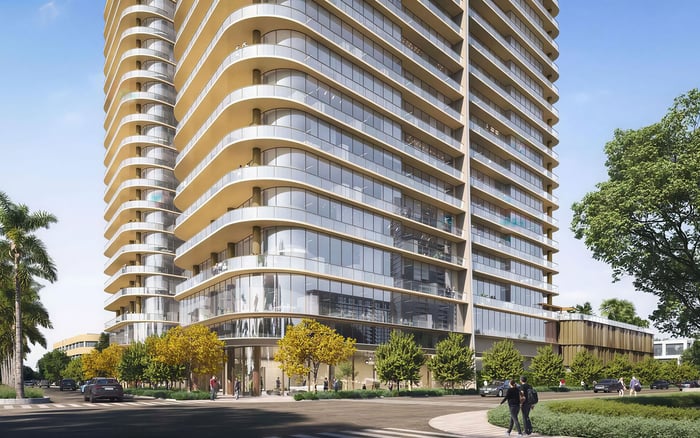
A buyer-focused look at long-term livability for Villa Miami and Delano Residences & Hotel Miami, emphasizing neighborhood context, construction profile, branded-service governance, climate exposure and daily quality of life.
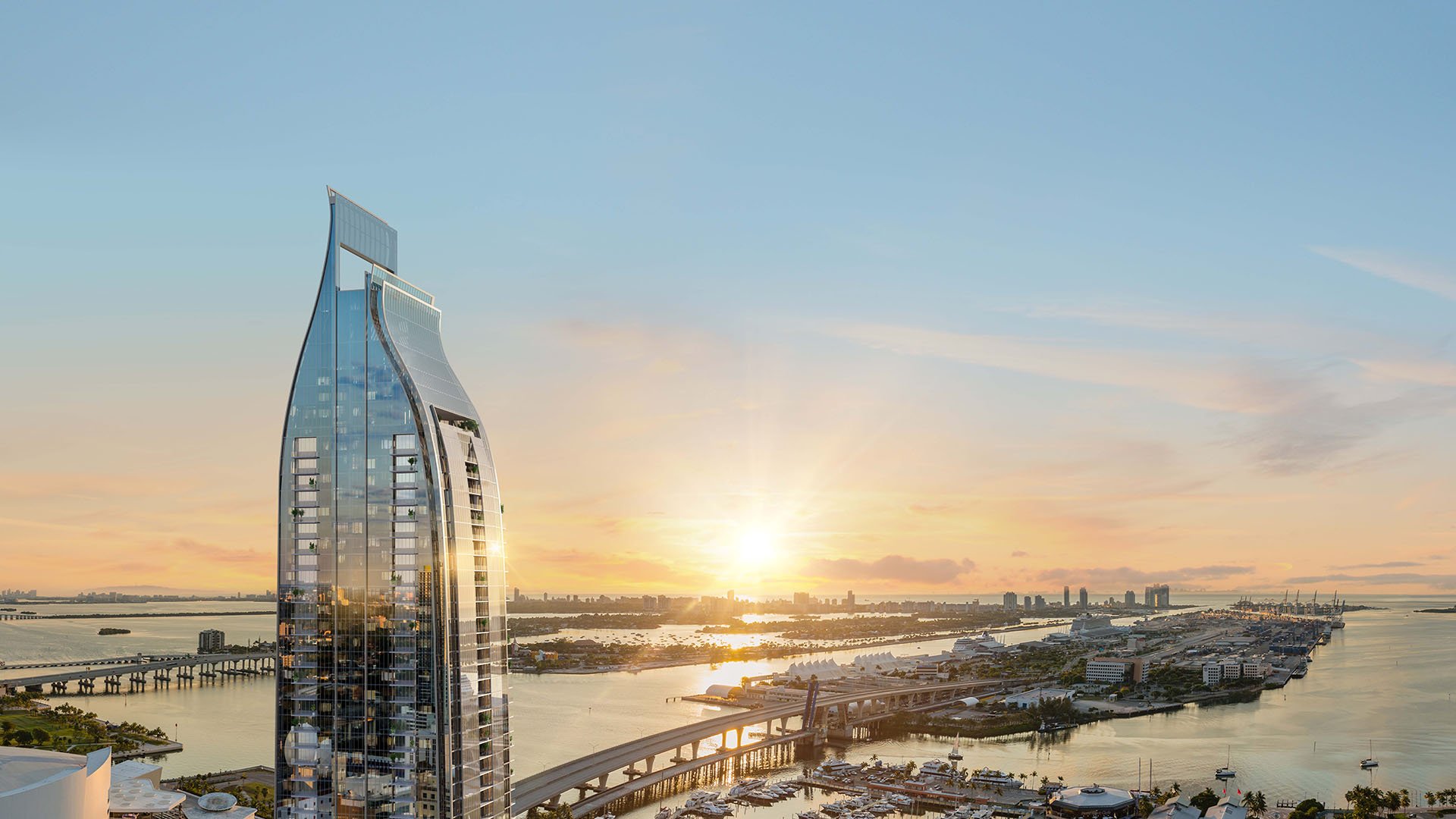
For ultra-prime buyers, the question is no longer whether Miami can deliver spectacle. It can. The more consequential question is whether a residence can support a serious life over years, not weekends. That is the lens through which Villa Miami and Delano Residences & Hotel Miami should be examined.
The distinction matters. A beautiful lobby, a celebrated brand and a cinematic pool deck may help a buyer fall in love with a property. They do not answer the daily questions that emerge after closing: how private the building feels on a Tuesday morning, how elevators perform during peak service hours, how predictable monthly costs are, how noise moves through the neighborhood and whether the ownership structure remains aligned with residential quiet over time.
Villa Miami is positioned for buyers considering Miami as a real or quasi-primary residence, not merely a vacation-use asset. That gives the project a more exacting standard. Long-term livability requires discipline. It asks buyers to weigh convenience, neighborhood character, building systems and governance with the same seriousness usually reserved for views, interiors and brand prestige.
Villa Miami sits in Edgewater, a bayfront Miami neighborhood that should be evaluated differently from a tourism-heavy beachfront hotel district. Edgewater has its own rhythm: more urban than resort, more residential in feel than transient beachfront corridors and increasingly central to the way buyers think about Miami as a daily-use city rather than a seasonal escape.
The project is described as a ground-up luxury tower rather than a conversion of an older hospitality asset. For long-horizon ownership, that construction profile is not a cosmetic footnote. Newer residential towers may offer different resilience, systems, operational planning and maintenance profiles than older converted buildings. Buyers should not assume newness resolves every issue, but they should recognize why contemporary construction can matter when evaluating storm preparedness, mechanical systems, façade maintenance and the long arc of building costs.
Villa Miami’s livability pitch centers on privacy, contemporary construction and a lower-density residential feel, while also being framed as a service-rich branded residence with hotel-level lifestyle expectations. That combination is attractive, but it deserves close reading. The best version of the product is not a hotel masquerading as a home. It is a private residence that borrows service intelligence from hospitality without allowing transience to define the residential experience.
A buyer studying Edgewater may also compare nearby options such as EDITION Edgewater or Aria Reserve Miami to understand how different buildings translate bayfront living into everyday routines. The point is not simply which tower has the most dramatic amenity deck. It is which one can feel composed, secure and useful through repeated daily life.
Delano Residences & Hotel Miami enters the conversation with a different kind of buyer question. Whenever a residence includes a hotel component or is presented through a hotel-residence framework, ownership analysis must go beyond design and service language. Buyers should distinguish between a residence that offers hotel-style service and a hotel-residence structure where ownership may be affected by hospitality operations.
That distinction is critical. It influences access, governance, shared facilities, cost allocation and the daily atmosphere of the property. A branded residence can be serene and residential. A hotel-oriented environment can also be vibrant and highly serviced. Neither is inherently superior, but they are not the same lifestyle. A buyer planning to live in Miami for extended periods should understand how residents and hotel guests interact, which amenities are private, which are shared, and how operational priorities are balanced when the building is busy.
For Delano, the right posture is precision. Review the condominium documents, service agreements, rules on transient use, maintenance responsibilities and any hotel-related operating obligations. Ask who controls the shared spaces, how reserves are planned and whether service standards depend on third-party management arrangements that can change over time. The glamour of hospitality is compelling, but long-term owners should know exactly what they are buying.
Luxury real estate in Miami often sells through emotion, but it is lived through logistics. Buyers intending to spend substantial time in the city should weigh everyday quality-of-life factors as heavily as design, branding and prestige. That includes traffic patterns, grocery access, restaurant cadence, school or office proximity when relevant, pet logistics, valet efficiency, garage circulation, delivery handling and how the surrounding streets feel at different hours.
Noise is equally important. A bayfront view can be magnificent, yet a long-term owner will also care about construction activity, nearby nightlife, roadway sound, event traffic and the broader evolution of the urban fabric over 10 to 20 years. Edgewater’s continued growth may enhance services and value, but it also requires buyers to think carefully about density, construction cycles and future neighborhood character.
This is where comparison shopping becomes useful. A buyer drawn to Edgewater may also consider the tempo of Brickell, where projects such as The Residences at 1428 Brickell sit within a more intensely urban business district. Others may prefer a less vertical residential enclave or a waterfront corridor with fewer daily visitors. The correct choice depends less on status and more on the buyer’s real calendar.
In buyer shorthand, these decisions often touch New-construction, Investment, Second-home and Condo-hotel considerations at once. The mistake is treating those labels as marketing categories. In practice, each one has consequences for use, financing, operating costs, privacy and resale liquidity.
South Florida rewards beauty and demands due diligence. Any long-term buyer should study climate exposure, flood risk, storm resilience and likely insurance or maintenance-cost pressures before treating a property as a permanent base. This is not a reason to avoid Miami. It is a reason to buy with maturity.
For a ground-up tower such as Villa Miami, buyers should ask detailed questions about building systems, emergency power, water-intrusion protocols, façade maintenance planning, mechanical equipment placement and reserve philosophy. For any hotel-residence structure, buyers should also ask how shared facilities are protected, repaired and funded after a major weather event. The issue is not only whether a building can withstand a storm. It is how quickly and predictably it can return to normal life afterward.
Insurance and maintenance costs also deserve sober attention. In branded luxury buildings, service expectations can be high, and high service requires staffing, management, replacement cycles and reserves. Governance, shared facilities and maintenance-cost trajectory are central issues for long-term ownership. A graceful building with unclear cost discipline can become less graceful over time.
Villa Miami appears strongest for a buyer who wants a service-rich, bayfront, residential-first Miami base in Edgewater, with the advantages and responsibilities that come with contemporary construction and a branded lifestyle model. Its long-term appeal rests on whether it can preserve privacy, operational smoothness and residential calm as the neighborhood continues to evolve.
Delano Residences & Hotel Miami should be approached with equal interest and a different checklist. The buyer should focus on the relationship between residences, hotel operations, shared amenities, governance and cost obligations. If those elements are clearly structured and aligned with the owner’s lifestyle, the hospitality layer may be an asset. If not, it may become a source of friction.
The most sophisticated buyers will not reduce the decision to brand versus brand. They will ask which address can support the life they actually intend to live in Miami, including ordinary mornings, storm weeks, family visits, remote workdays, quiet evenings and eventual resale. In that sense, long-term livability is not separate from luxury. It is the highest expression of it.
Is Villa Miami intended only for seasonal use? Villa Miami is positioned for buyers considering Miami as a real or quasi-primary residence, not only a vacation property.
Why does Edgewater matter for Villa Miami buyers? Edgewater is a bayfront Miami neighborhood with a different daily rhythm than tourism-heavy beachfront hotel districts.
Why is ground-up construction important? Contemporary construction may offer different systems, resilience planning and maintenance profiles than older converted assets.
Should buyers treat hotel-style service as the same thing as hotel ownership? No. A residence with hotel-level service can differ materially from a hotel-residence structure tied to hospitality operations.
What should Delano buyers review first? They should review ownership documents, shared-facility rules, governance, operating obligations and the relationship between residents and hotel functions.
Are branded residences always better for long-term living? Not automatically. Branding can elevate service and design, but governance, privacy and cost control determine daily livability.
What neighborhood factors matter most over time? Traffic, noise, services, access, construction activity and the surrounding urban fabric can shape the ownership experience.
How should climate risk be handled in due diligence? Buyers should examine flood exposure, storm resilience, emergency systems, insurance pressure and long-term maintenance planning.
Can a second home become a primary Miami base? Yes, but buyers should evaluate the property as a daily residence before relying on occasional-use assumptions.
What is the core takeaway for luxury buyers? Choose the building whose operations, neighborhood and ownership structure match the life you plan to live, not just the image you admire.
To compare the best-fit options with clarity, connect with MILLION.
If branded residences are on your mind — as a home or as an allocation — we would be glad to share what we are seeing, privately.
Begin a quiet conversation