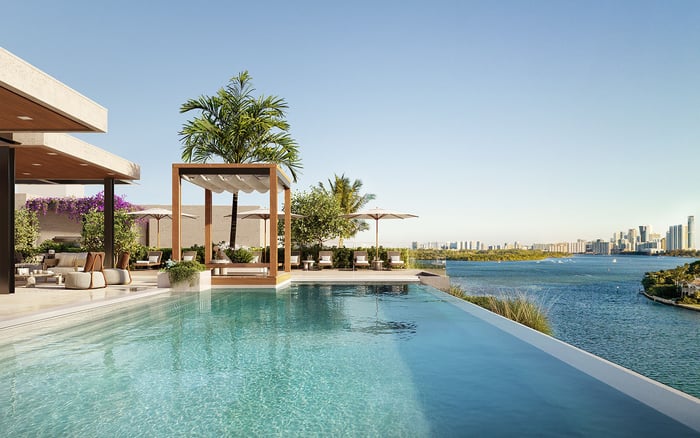
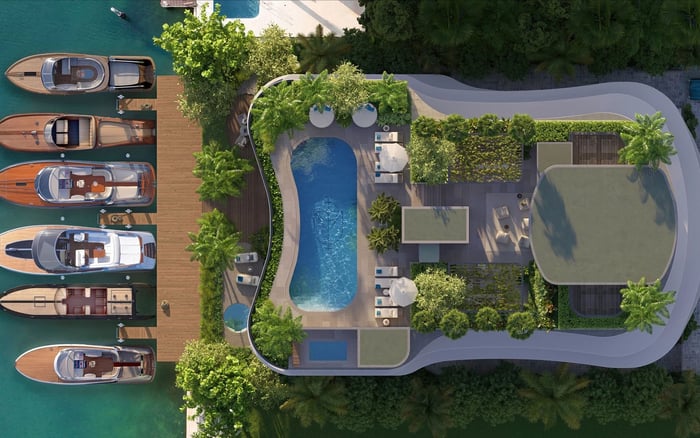
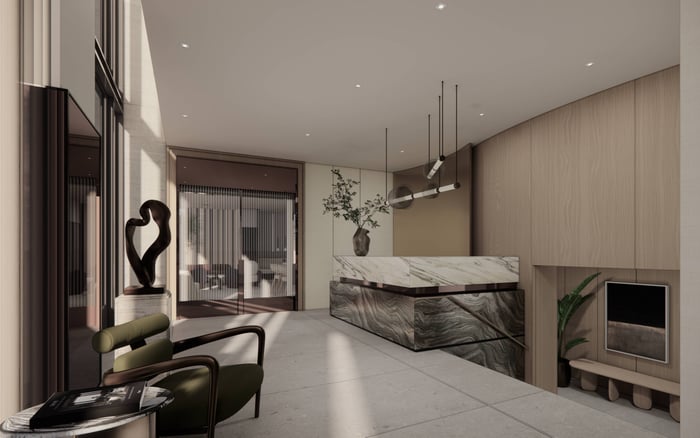
A buyer-oriented look at Bay Harbor Islands as a discreet, polished South Florida setting for young families weighing condominium living, daily routines, privacy, and long-term residential fit.
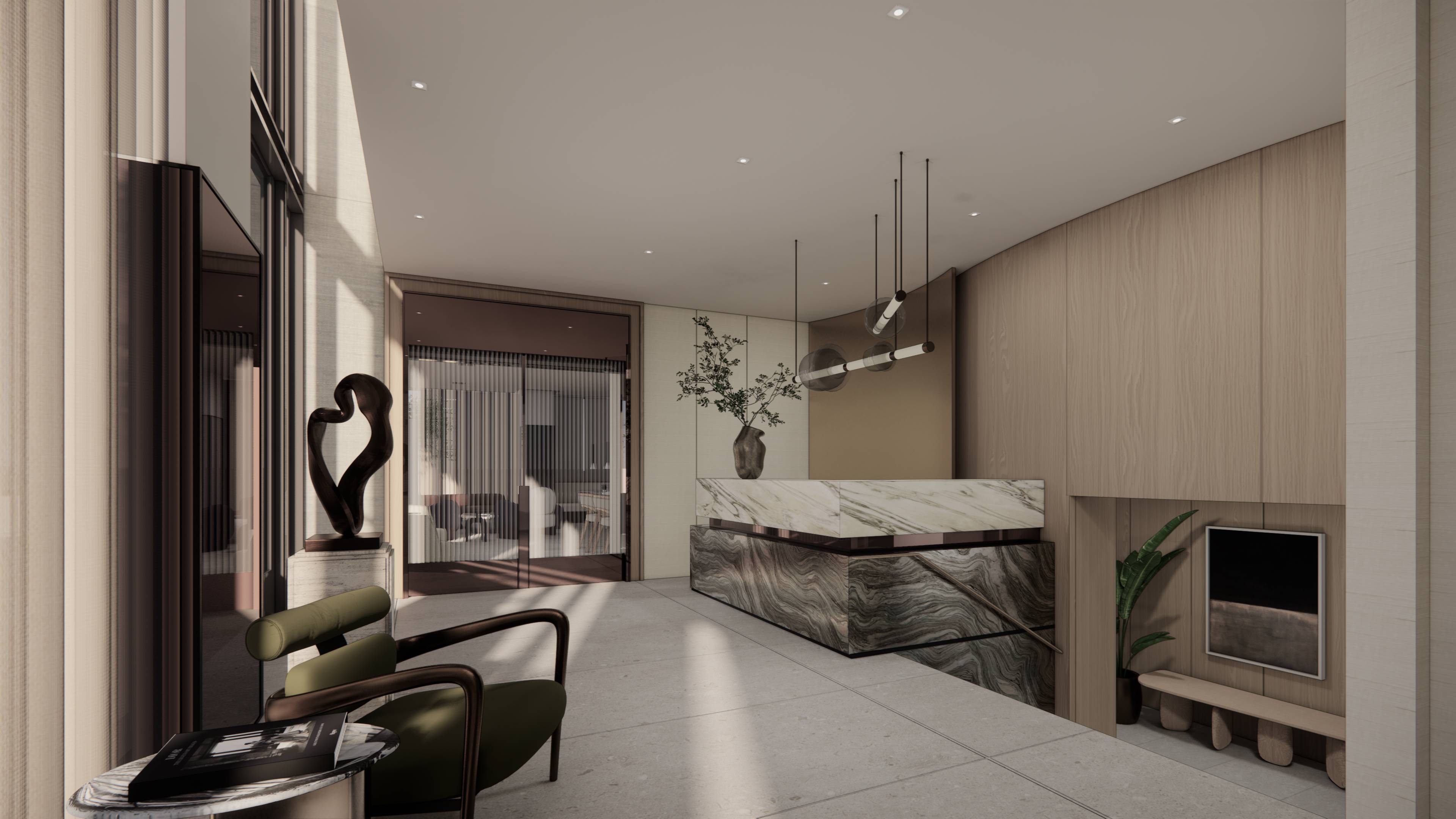
For young families, luxury in South Florida is not always measured by height, spectacle, or the most visible address. Increasingly, it is measured by the ease of a school-morning exit, the grace of arriving home after dinner, the privacy of the lobby, and the ability to live beautifully without turning every day into an occasion. Bay Harbor Islands speaks to that more composed version of luxury.
Its appeal is not that it competes with louder coastal markets. Its value lies in being more measured. A Bay Harbor search is rarely about maximalism for its own sake. It is about whether a residence can support family life with polish: enough room for children to grow, enough calm for parents to work and reset, and enough proximity to South Florida’s pleasures without surrendering the private texture of home.
That distinction matters for buyers who are beyond the purely aspirational stage of the search. They are not only asking what looks impressive in a rendering or during a first showing. They are asking how the building will feel at 7:30 in the morning, on a rainy afternoon, during visiting grandparents’ week, and five years into ownership.
Young families often assume that more amenities automatically mean more livability. Sometimes they do. But in a refined residential context, a smaller or more boutique environment can be just as compelling, particularly when the goal is serenity rather than constant activation.
Boutique living can create a more intimate rhythm. Parents may value a quieter arrival sequence, less anonymous common areas, and a building culture that feels residential rather than transient. In this sense, projects such as Alana Bay Harbor Islands can enter the conversation not simply as real estate, but as part of a broader lifestyle question: does the building support a daily routine with discretion?
For families, the right scale is also emotional. A residence should feel manageable, not like a hotel to be navigated. Children benefit from predictability, and parents benefit from fewer frictions. That can make the lobby, parking experience, elevator flow, package handling, pet policies, and visitor procedures just as important as the finishes inside the residence.
The most thoughtful family buyers tend to look past the first layer of luxury. They notice how a stroller moves through the entry. They consider whether a second bedroom can become a flexible playroom or study. They imagine where sports gear, beach bags, luggage, and seasonal items will live. They understand that elegance is only truly elegant when it functions.
A young family should read a floor plan differently than a seasonal owner or a single professional. The question is not only whether the residence photographs well. The question is whether it can absorb the patterns of family life without losing its sophistication.
Storage is one of the clearest indicators. A beautiful residence with insufficient storage can become visually compromised within months. Families need places for everyday items that do not belong in view, from scooters and backpacks to extra linens and pantry overflow. The more serene the architecture, the more important hidden utility becomes.
Bedroom separation is another priority. Parents may want privacy from children’s rooms, but not so much distance that nighttime routines feel impractical. A den, media room, or secondary living area can be valuable when children are young, and even more useful as they grow older and need quiet space for study or guests.
Outdoor space should also be evaluated through a practical lens. A terrace may be an aesthetic asset, but parents will consider shade, supervision, furniture placement, and how the space works during different parts of the day. The most successful family residences allow outdoor living to become part of the home’s rhythm rather than a decorative extra.
Within Bay Harbor Islands, residences such as Bay Harbor Towers are best considered through this family-centered reading: not only what the home offers on paper, but how each room, threshold, and shared space supports a calmer domestic life.
One of the reasons Bay Harbor Islands can serve young families well is that it allows buyers to participate in the South Florida lifestyle while choosing a more restrained base. For many parents, that balance is the point. They want access to culture, dining, beaches, boating, wellness, schools, and extended family networks, but they do not necessarily want their primary residence to feel like a public stage.
This is where the neighborhood’s understated character becomes useful. It can appeal to buyers who appreciate proximity but prize separation. A young family may want to be near the energy of greater Miami, yet return to a home environment where the architecture, service, and street-level experience feel composed.
That composure is especially relevant for families moving from larger metropolitan markets. They may be accustomed to service, design, and convenience, but they often arrive in South Florida seeking more light, more outdoor time, and a gentler cadence. The most refined choice is not always the most famous one. It is the one that best reconciles ambition with domestic peace.
Projects such as La Baia North Bay Harbor Islands can be viewed within that framework. The conversation is less about chasing a label and more about evaluating whether a residence can become the family’s operating base: a place polished enough for entertaining and grounded enough for everyday life.
For young families, comparing residences should begin with lifestyle mapping rather than price alone. Buyers should outline the weekday routine, the weekend routine, and the occasional routine: school runs, work-from-home days, visiting relatives, children’s activities, holidays, and travel. A home that performs well across those scenarios is more valuable than one that excels only during a showing.
The building’s amenity set should be interpreted with similar discipline. A pool is meaningful if it will actually be used. Wellness areas matter when they help parents maintain a routine. Social spaces are valuable when they allow casual gathering without overwhelming the building’s residential tone. Family buyers should resist being distracted by features that look impressive but do not align with how they live.
It is also wise to compare the psychological feel of each property. Some residences feel glamorous but demanding. Others feel quiet but perhaps too minimal. The best Bay Harbor Islands fit often sits between those poles, with architecture and services that feel special without requiring performance from the people who live there.
In that context, Onda Bay Harbor may appeal to buyers studying waterfront-oriented living, while The Well Bay Harbor Islands can be evaluated by families who place particular importance on wellness as part of the home environment. The point is not to choose the most talked-about building. It is to choose the one that matches the family’s private priorities.
Finally, buyers should consider adaptability. A young family’s needs evolve quickly. A nursery becomes a child’s room. A play area becomes a study space. A guest suite may become essential as relatives visit more frequently. A refined South Florida base should be able to change with the family without forcing an early move.
The strongest family purchase is rarely impulsive. It is considered, practical, and quietly aspirational. Bay Harbor Islands can serve that buyer because it invites a more nuanced conversation about what home should do. It is not only a place to own. It is a place from which to live well.
For parents, that means weighing privacy, mobility, building culture, and interior flexibility with the same seriousness as design. It means understanding that a beautiful lobby cannot compensate for poor daily flow, and that an impressive view cannot replace a functional kitchen, thoughtful storage, or a comfortable second living zone.
A refined base should make family life smoother, not merely more photogenic. It should allow children to feel at home and parents to feel restored. It should be elegant enough for South Florida’s social life and calm enough for bedtime routines, early flights, homework, and ordinary Tuesdays.
That is the promise Bay Harbor Islands can hold for the right young family: a composed address in a dynamic region, with the possibility of living beautifully without being consumed by the noise around it.
Is Bay Harbor Islands a good fit for young families? It can be, especially for buyers who value a quieter residential setting, polished design, and practical daily flow over a more conspicuous lifestyle.
What should family buyers prioritize first? Start with routine: school timing, work patterns, storage needs, guest visits, and how children will use the residence every day.
Are boutique buildings better for families? Not automatically, but boutique scale can appeal to families who prefer privacy, calmer common areas, and a more residential atmosphere.
How important is storage in a luxury condo? Very important. Family life brings equipment, supplies, toys, luggage, and seasonal items that need discreet, well-planned places to live.
Should young families focus on amenities? Yes, but only amenities that support actual routines. A smaller set of useful amenities can be more valuable than a larger set that goes unused.
What makes a floor plan family-friendly? Flexible rooms, thoughtful bedroom placement, practical kitchen flow, outdoor usability, and strong storage all contribute to long-term comfort.
Is wellness a meaningful factor for parents? It can be when wellness spaces help parents maintain consistent routines without adding travel time or complexity to the day.
How should buyers compare Bay Harbor Islands with other areas? Compare lifestyle first. The right choice depends on whether a family wants discretion, access, calm, and a residence that feels easy to inhabit.
Can a condo work as a long-term family home? Yes, if the residence has enough flexibility to adapt as children grow and family needs change over time.
What is the most refined way to approach the search? Treat the purchase as a lifestyle decision, not only a property decision, and evaluate how gracefully each option supports family life.
To compare the best-fit options with clarity, connect with MILLION.
If branded residences are on your mind — as a home or as an allocation — we would be glad to share what we are seeing, privately.
Begin a quiet conversation