A buyer-focused examination of how winter demand may shape daily life at Four Seasons Residences Coconut Grove, with emphasis on service capacity, dining access, privacy, guests, and the documents owners should review before purchasing.
For a seasonal owner, the most consequential luxury may not be a finish, view, or amenity. It may be dependable access when the building is at its busiest. Four Seasons Residences Coconut Grove is positioned as deeded condominium ownership supported by Four Seasons hospitality services, combining private homes with a hotel-style ecosystem of services and amenities.
That proposition becomes especially relevant when more owners, families, and guests may be seeking the same dining tables, spa appointments, housekeeping windows, and concierge attention. Available project information establishes the intended service framework, but it does not specify owner-priority rules, response standards, guest limits, seasonal charges, or reservation protocols. Buyers should therefore treat peak-demand performance as a matter for documentary review, not assumption.
For clients evaluating branded residences as a second-home purchase, winter usability deserves the same scrutiny as floor plans and carrying costs. The central question is straightforward: does the operating structure preserve residential ease when demand is concentrated?
Housekeeping and concierge assistance are planned elements of the residential model. Their practical value, however, will depend on how requests are scheduled, which services are included, which incur an additional fee, and whether a priority system applies during busy periods.
A buyer should request the most current condominium documents, management agreements, service menus, and fee schedules. Points to clarify include advance-booking windows, cancellation terms, after-hours support, escalation procedures, and whether service levels differ for owners, occupants, and guests. If staffing allocations or response times are material to the purchase decision, they should be confirmed in controlling documents rather than inferred from the brand.
This diligence is relevant across Coconut Grove's expanding residential field. Buyers comparing the hospitality orientation here with Mr. C Tigertail Coconut Grove should focus less on broad labels and more on the operational rights attached to ownership. Service becomes meaningful when the rules are clear, repeatable, and aligned with an owner's pattern of use.
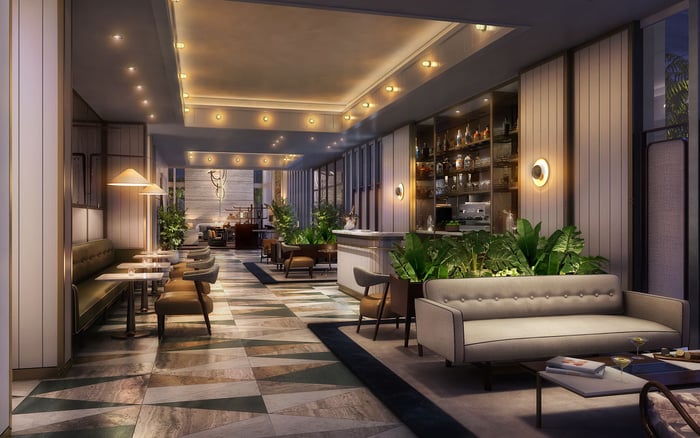
Food-and-beverage options are expected within the amenity program, adding convenience and a social dimension to residential life. During peak periods, access can become more consequential, particularly for owners who entertain frequently or arrive with limited notice.
Before committing, buyers should ask whether residents receive preferred reservation windows, whether tables can be arranged through the residential concierge, and how private events affect ordinary access. They should also establish whether guests may dine without an owner present, whether minimum spends or cancellation fees may apply, and which charges flow directly to the residence account.
None of these policies should be presumed. The project's intended dining offering is established; the mechanics of seasonal access remain to be verified. That distinction is essential for an owner who regards in-building dining as part of everyday life rather than an occasional amenity.
The residential concept emphasizes privacy and controlled access alongside hospitality. Private residential areas are expected to be distinct from public or semi-public hospitality spaces, with dedicated residential circulation and concierge functions intended to preserve a private-home atmosphere.
Those design intentions should be measured against actual guest procedures. Buyers may wish to confirm registration requirements, host-presence rules, limits on amenity use, vehicle and arrival protocols, and whether overnight guests are treated differently from day visitors. The same scrutiny applies to household staff, vendors, wellness practitioners, and other recurring invitees.
In a building with curated social spaces, spa facilities, and fitness facilities, access rules shape both convenience and discretion. A useful comparison with Park Grove Coconut Grove is not simply which amenities exist, but how residential circulation and visitor permissions define the experience of coming home.
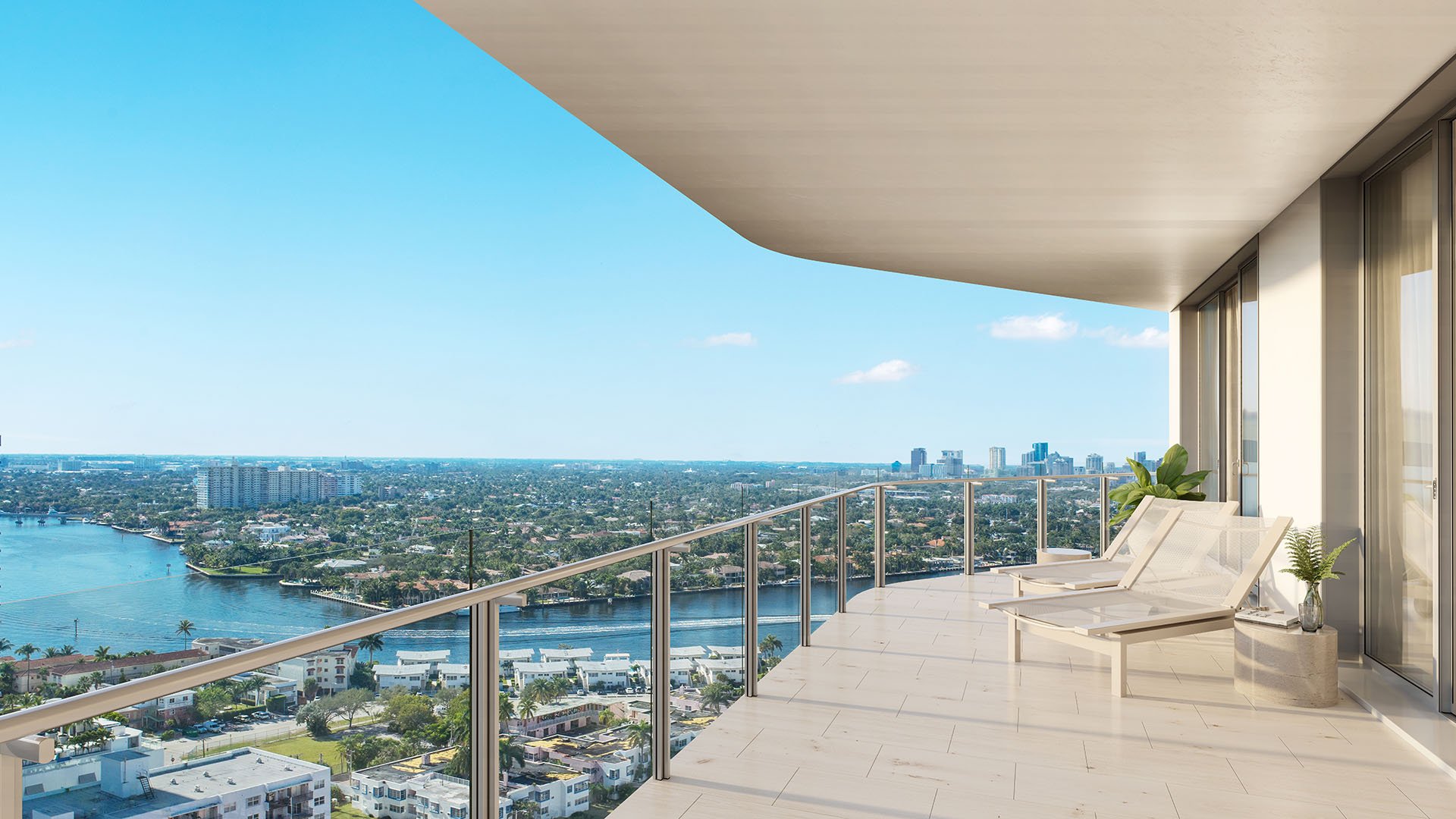
The development is positioned for panoramic Biscayne Bay views and proximity to waterfront parks, nearby marinas, and the village center. This setting gives owners options beyond the building, reducing reliance on any single amenity during high-demand periods. The broader waterfront context also supports a rhythm that moves easily among residence, marina, park, and neighborhood dining.
Still, location does not replace operational clarity. Owners planning boating days, family stays, or frequent entertaining should understand how concierge coordination intersects with building access and guest authorization. Those considering Vita at Grove Isle alongside Grove alternatives can apply the same lens: privacy, service scope, amenity access, and the ease of moving between home and the waterfront.
Before purchasing, ask for written answers on service inclusions, reservation windows, owner priority, guest permissions, amenity capacity, account charging, and seasonal fees. Review whether management policies can change, who approves those changes, and how owners are notified.
Also distinguish anticipated physical features from confirmed plans. Separate entrances, elevator arrangements, staffing allocations, and residential zoning should be verified in final documents. The objective is not to eliminate flexibility from a hospitality operation, but to understand where discretion resides and which owner protections are binding.
At Four Seasons Residences Coconut Grove, the appeal lies in pairing a private residence with an extensive service environment. For winter owners, value will be measured by how elegantly that environment performs when it matters most.
Is Four Seasons Residences Coconut Grove a condominium? The ownership model is described as deeded condominium ownership supported by Four Seasons hospitality services.
Are housekeeping services planned? Yes. Housekeeping is identified as part of the planned residential support, though its scope, frequency, fees, and booking terms should be confirmed.
Will owners have concierge assistance? Concierge assistance is part of the hospitality-oriented model. Buyers should verify hours, included services, response standards, and peak-period procedures.
Are dining options expected within the development? Food-and-beverage options are expected within the amenity program. Reservation priority, guest privileges, charges, and event-related restrictions require documentary confirmation.
Do owners receive priority during peak demand? Owner-priority rules have not been established in the available project details. Buyers should review the condominium documents and management agreements.
Can residents bring guests into amenity areas? The residential concept includes controlled access, but specific guest limits and amenity permissions should be verified before purchase.
Are spa and fitness facilities planned? Yes. Both spa and fitness facilities are identified within the anticipated lifestyle offering, subject to final operating rules.
How is residential privacy intended to be protected? Private residential areas are expected to be distinct from public or semi-public hospitality spaces, supported by dedicated residential circulation and concierge functions.
Does the location offer access beyond the building? The Coconut Grove setting provides proximity to waterfront parks, marinas, and the village center, alongside the project's Biscayne Bay outlook.
What should a winter buyer review first? Start with the governing documents, management agreements, service menus, fee schedules, guest rules, and reservation policies that define actual owner access.
When you're ready to tour or underwrite the options, connect with MILLION.
If branded residences are on your mind — as a home or as an allocation — we would be glad to share what we are seeing, privately.
Begin a quiet conversation