Capital is mobile, and South Florida has become a favored landing zone for ultra-high-net-worth households, including principals connected to hedge funds and private investment platforms. In Palm Beach and adjacent West Palm Beach, that influx is less about a single headline and more about how buyers underwrite lifestyle, privacy, and long-term optionality. The result can be a faster decision cycle, higher standards for turnkey quality, and renewed attention to security, services, and proximity to air access. Here is how to read the shift with a disciplined luxury lens.
Palm Beach has always operated on discretion, lineage, and a level of scarcity that is carefully protected. What feels different today is pace. As ultra-high-net-worth households tied to hedge funds and private investment platforms choose South Florida as a primary base, they often arrive with a distinct operating rhythm: compressed decision windows, a preference for simplicity, and a clear bias toward homes that protect time as much as they protect capital.
This shift is not only about a change of address. It is a reallocation of attention, travel patterns, and decision-making bandwidth. Even when a buyer keeps multiple residences, Palm Beach can become the anchor for day-to-day life, school calendars, and recurring social commitments. That distinction matters because a primary-residence buyer underwrites differently than a purely seasonal buyer. Primary logic rewards walkability, year-round livability, reliable building operations, and frictionless access to the routines that make South Florida feel effortless.
At the same time, Palm Beach remains a small, closely held market where supply is inherently constrained. Limited new inventory, high standards, and the reality that many owners do not need to sell can turn incremental demand into outsized pressure, particularly at the top where the buyer pool is thin but decisive. For sellers, the current backdrop can translate into a stronger negotiating posture when a property is delivered with the right finish and a clean, low-friction path to closing. For buyers, it raises the opportunity cost of waiting for the perfect listing to appear on a public feed.
It is easy to turn “hedge fund buyer” into a caricature. In reality, this cohort spans ages, family structures, and aesthetics. The recurring throughline is not taste, but process. These buyers are used to making high-stakes decisions under uncertainty, and they gravitate toward clarity.
In luxury real estate, clarity looks like transparent ownership, straightforward rules and disclosures, predictable operating standards, and a property that presents exactly as it lives. A residence that photographs beautifully but feels compromised in person often fails quickly. By contrast, a home or condominium that is coherent, well maintained, and easy to secure can win even when it is not the largest or most dramatic option.
Privacy is another consistent requirement, but not as a vague lifestyle slogan. For many high-profile households, privacy is operational. It can be driven by a home’s siting, landscaping, and sightlines. It can also come down to how a building manages access, how staff carry themselves, and how predictably service is delivered. Buyers who live publicly often want a home that allows them to live quietly.
Finally, many of these households view real estate through both lifestyle and investment frameworks. They do not necessarily expect a residence to behave like a trade, but they tend to care about liquidity signals, replacement-cost logic, and the reputational trajectory of a street, a building, or a micro-neighborhood. In Palm Beach, where perception and provenance are real forms of value, those signals can weigh heavily.
In ultra-premium markets, supply is not simply a count of active listings. Supply is the number of truly acceptable options at a given moment. When incoming wealth is willing to pay for turnkey quality, the effective inventory of “safe choices” compresses quickly.
That compression tends to create three downstream effects.
First, the best homes and best-positioned units can move faster than the broader market. Within the same season, you may see a clear bifurcation: A-level inventory draws immediate attention, while B-level inventory lingers, even if both are “luxury” under a basic definition. Condition, layout, and ease of ownership become differentiators, not minor details.
Second, negotiation becomes less about price alone and more about certainty. Clean terms, a seller who can close smoothly, and a property that reduces future project management become forms of value. Buyers with demanding professional schedules often price renovation risk as a real cost, even when they can easily afford it. In practice, the premium is paid to avoid open-ended decisions.
Third, narrative matters more. Palm Beach is a market where restraint, condition, and provenance carry weight. When a listing is positioned as a complete lifestyle solution, it can outperform. When it is positioned as “an opportunity,” many buyers interpret that as work, coordination, and delay. In this tier, time is not a footnote. It is part of the purchase price.
Palm-beach and West-palm-beach are often described as separate worlds. For many relocating households, they function as one lifestyle map with different strengths and different tradeoffs.
Palm-beach tends to capture buyers who want the most established social fabric, the most finite sense of land, and a daily environment that feels intentionally insulated from noise. It is a place where the intangible premium is frequently the point. Buyers who value tradition, discretion, and a highly edited setting may view Palm-beach as the inevitable choice.
West-palm-beach, by contrast, can appeal to households that want energy, convenience, and a broader menu of building typologies, including newer development. It can be particularly compelling for buyers who want a primary base with an urban cadence, easier access to offices, and neighborhoods that support year-round life without relying on a seasonal calendar.
For families, the decision often comes down to where the day actually happens. Where do you want to walk, dine, train, and see friends without making every errand feel like an expedition? That answer may point to West-palm-beach even when the emotional brand of Palm-beach carries stronger pull.
For some principals and partners, the choice is sequential. They begin in a high-service condominium to simplify the transition, then later trade into a single-family home once they are confident about micro-locations, seasonal patterns, and the rhythm they want. In South Florida, those lived-in preferences can take time to clarify, even for sophisticated buyers.
Wealth migration buyers frequently arrive with limited patience for friction. That shifts what “best in class” means in practice.
Turnkey is not just new finishes. It is systems that work, a layout that flows, and a property that does not immediately demand a major decision tree. If a buyer must choose between “beautiful but complicated” and “beautiful and calm,” calm often wins. The aesthetic may still be elevated, but the experience needs to be easy.
Operational simplicity matters at the building level as well. Buyers in this cohort often ask questions that sound more like diligence than small talk: How does management communicate? How are staff trained? What is the culture of the building? Do residents value privacy and discretion, or does the property function as a scene? These answers can be decisive, especially for buyers who travel frequently and need confidence that the home is managed to a consistent standard when they are away.
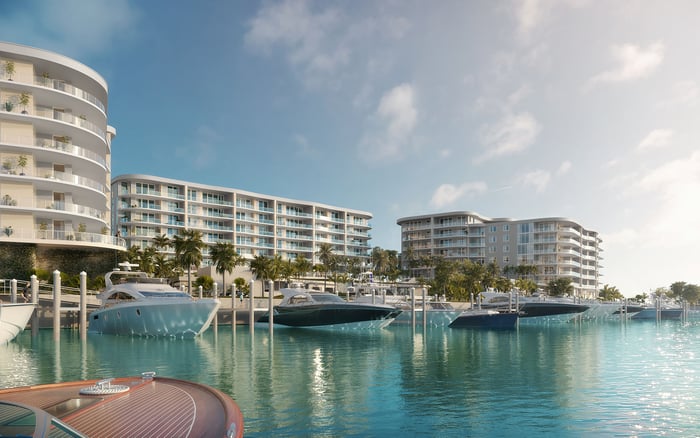
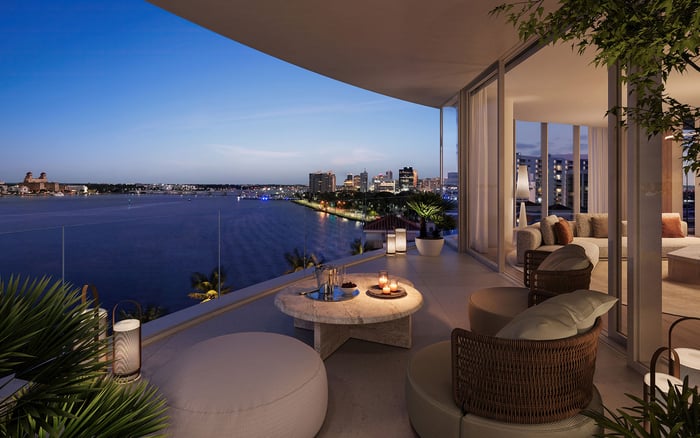
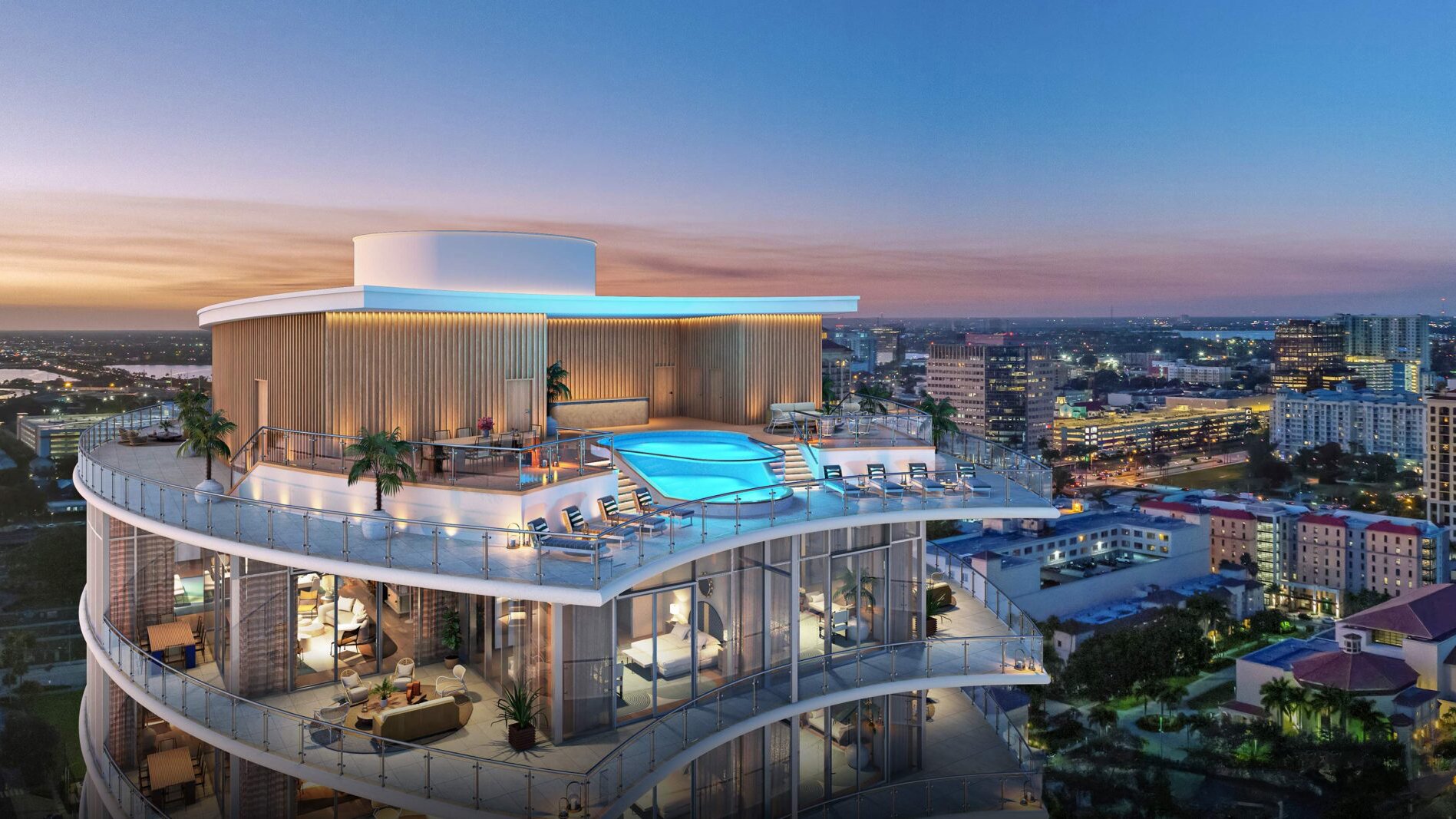
For a neutral reference point on new residential living in West Palm Beach, explore Alba West Palm Beach. Use it to calibrate what contemporary convenience can look like in this part of South Florida, then compare that baseline to the lifestyle texture you want in Palm-beach.
Palm Beach has an aesthetic tradition, and it is resilient. Still, the preferences of incoming buyers can nudge the market in subtle, durable ways.
One shift is an emphasis on wellness and performance, delivered quietly. Many buyers are less interested in theatrical rooms and more interested in spaces that feel restorative. Support for training, recovery, and focused work can matter as much as formal entertaining, especially when the home is a true primary base.
Another shift is the renewed value of flexible rooms. A home office is not a trend when decision makers live in it daily. It becomes part of the home’s core program. In a market like Palm Beach, the most compelling properties deliver flexibility without sacrificing elegance or creating spaces that feel improvised.
There is also a sharper sensitivity to acoustics and privacy planning. Buyers who spend their days in high-stakes conversations can be unusually attentive to sound separation, guest circulation, and how a home protects personal space. The result is not a rejection of Palm Beach style, but a refinement of how that style supports modern living.
For sellers, a market shaped by wealth migration can be favorable, but it is not automatic. This buyer cohort is discerning, and it responds to professionalism.
Presentation begins with alignment. If a home is a renovation project, it should be marketed as such, with a price and posture that make sense for the work implied. If it is turnkey, it should be staged, maintained, and documented to reflect that promise. A mismatch between marketing and reality can be costly because these buyers often decide quickly when they perceive inconsistency.
Discretion is equally important. Many high-profile households value privacy throughout the shopping process, not only after closing. Thoughtful showing protocols, controlled photography, and strong agent-to-agent practice can increase the probability of a clean transaction. In Palm Beach, discretion is not an accessory. It is part of the luxury product.
Confidence also comes from preparation. A seller who can anticipate questions about operating costs, building governance, and property history feels easier to buy from, even when the buyer is represented. In the luxury tier, “easy” is a premium feature, and it is often what separates a smooth close from a dragged-out negotiation.
For buyers, the headline temptation is to chase what others are chasing. In Palm-beach, that approach can lead to overpaying for the wrong kind of asset, or buying a home that does not support daily life.
A more effective framework starts with two questions.
First, what is your ideal day in South Florida? Not your ideal weekend, but your ideal Tuesday. Do you want quiet mornings and a protected rhythm, or do you want the stimulation of an urban cadence? Are you walk-oriented, beach-oriented, or club-oriented? Your answer should guide you toward the right side of the Palm-beach and West-palm-beach spectrum.
Second, what kind of complexity are you truly willing to manage? Many buyers say they are open to renovation. Fewer are once they encounter the real demands of design decisions, contractor schedules, and unpredictable timelines. If your career already consumes your attention, a turnkey home is not indulgence. It is alignment.
From there, underwrite the asset with disciplined humility. Even sophisticated investors can be surprised by building culture, neighbor dynamics, and the way seasonal patterns change a neighborhood’s feel. Spend time on the ground. Walk at different hours. Listen for noise. Ask how the street behaves in peak season versus quieter months. In a place as nuanced as Palm-beach, these sensory details often matter more than a spreadsheet.
When high-income households concentrate in a small geography, real estate is only one chapter of the story. A broader service ecosystem tends to expand around them, and that growth can influence residential demand in two directions.
On one hand, it can increase the appeal of locations that sit close to the best services, from dining and fitness to home maintenance and household staffing. Buyers who value time often prioritize convenience and reliability, not just beauty. In South Florida, the ability to keep routines tight can become a decisive factor.
On the other hand, it raises expectations. Buildings and communities that deliver seamless service become more attractive relative to those that feel informal or inconsistent. This is another reason West-palm-beach can gain depth in the luxury conversation, particularly for buyers who want a contemporary, high-service lifestyle without the operational burdens that can come with a single-family estate.
No one can responsibly promise where pricing will go without evaluating a specific property, its condition, and its competitive set. Still, buyers and sellers can watch for qualitative signals that often accompany wealth migration.
Watch for more off-market conversations. In privacy-driven markets, some of the best opportunities never hit the broad public feed, and serious buyers often need a strategy that accounts for that reality.
Watch for faster decision cycles on fully dialed-in product. When a home is priced and presented as a complete solution, it can attract immediate attention.
Watch for segmentation. The very best properties can behave differently than “luxury” inventory that requires work, even when the overall market narrative sounds uniform.
Most of all, watch your own use case. Palm-beach is not a commodity market, and the right residence is the one that supports your life with minimal friction and maximum pleasure.
How do relocating finance professionals typically choose between Palm-beach and West-palm-beach? Relocating buyers usually start by mapping daily life, not brand perception. If the priority is a protected, tradition-forward setting with a highly edited social fabric, Palm-beach often fits. If the priority is energy, convenience, and a broader set of building options that support year-round routines, West-palm-beach may align more naturally.
What should buyers prioritize if they want a low-maintenance luxury lifestyle? Prioritize operational certainty: consistent building management, professional staff, and rules that are straightforward in practice. At the residence level, focus on layout, working systems, and a condition that does not force immediate decisions. In this tier, the most “luxurious” feature is often the absence of friction.
How can sellers position a Palm-beach home to appeal to privacy-minded buyers? Match the marketing posture to the reality of the home, and keep the presentation disciplined. Use thoughtful showing protocols, limit unnecessary exposure, and be prepared to answer diligence-style questions about operations, costs, and governance. A clean, professional process signals that the home will be easy to own.
When should I consider an off-market search in Palm-beach through MILLION Luxury? Consider it when your priority is discretion, when public inventory does not reflect the quality you want, or when timing matters and you cannot wait for a perfect listing to appear. In Palm-beach, privacy and access are part of the market structure, not an exception.
If branded residences are on your mind — as a home or as an allocation — we would be glad to share what we are seeing, privately.
Begin a quiet conversation