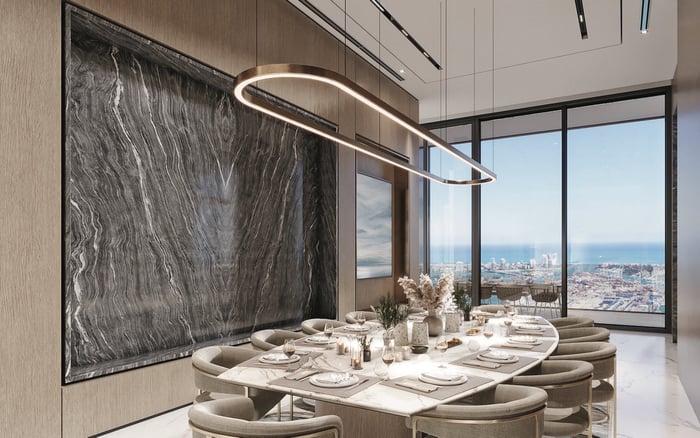
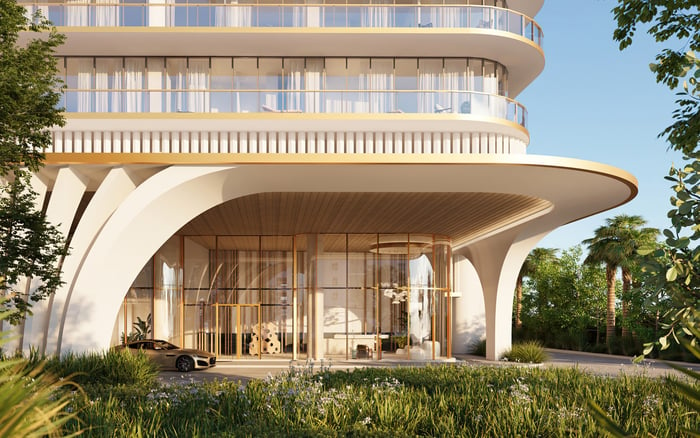
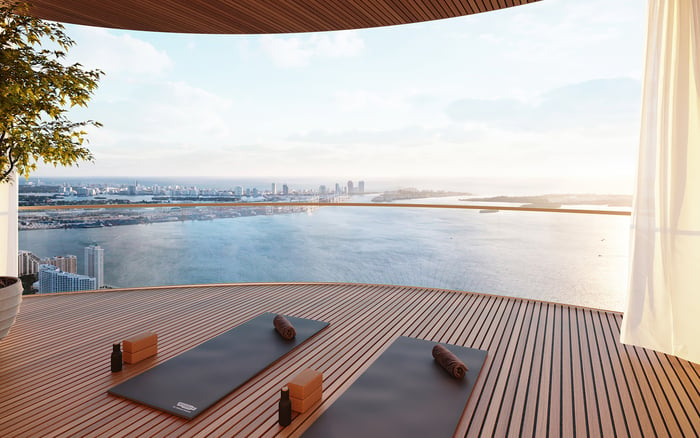
Miami’s skyline is increasingly defined by super-tall ambition, especially in Brickell and Downtown where vertical living has become a signature of status and convenience. Yet height is never just a design choice. It reshapes everything from foundations and logistics to elevator strategy, façade performance, and the day-to-day experience of privacy, noise, and views. For luxury buyers, understanding what changes as a tower rises can clarify value, risk, and lifestyle fit, particularly in New-construction where specs and delivery can evolve.
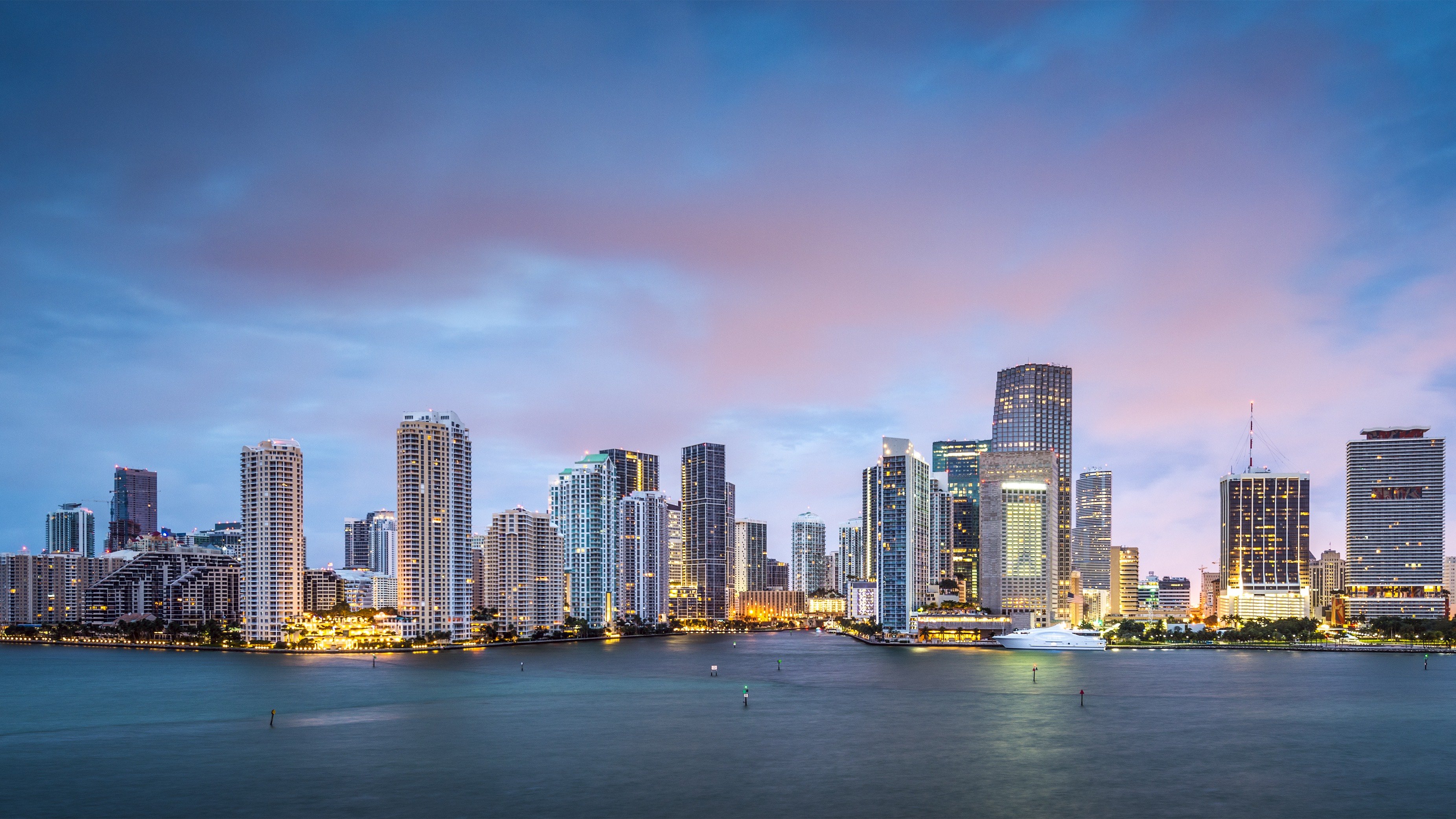
In South Florida, the most sought-after addresses often share one advantage that is immediately felt: elevation. Above the palms, traffic, and street-level activity, a residence can read less like an apartment and more like a private aerie, defined by long sightlines, cleaner light, and a sense of separation that is difficult to replicate in low-rise living.
That appeal is especially concentrated in Brickell and Downtown, where the city’s energy is part of the purchase. Buyers are not simply selecting a home, they are selecting adjacency to finance, dining, culture, waterfront promenades, and the broader Miami rhythm. In that context, going higher can translate to a different tier of calm, privacy, and perceived prestige, without giving up proximity.
Still, towers do not become icons by accident. As a project climbs, every design choice ripples through cost, schedule, maintenance, and day-to-day comfort. The same architectural move that creates a breathtaking living room can complicate construction sequencing. The same glass that frames Biscayne Bay can raise performance expectations at the window line. Sophisticated buyers gain leverage by understanding this cause-and-effect relationship.
For a neutral point of reference within this conversation, explore Waldorf Astoria Residences Downtown Miami.
When a tower competes for the top of the skyline, height becomes a multiplier. Complexity does not rise in a straight line; it stacks. What appears, from afar, as a clean silhouette is often a dense network of structural, mechanical, and operational decisions that have to work in concert.
At street level, a tall building must solve basic urban problems with discretion: arrivals, curb management, security, resident privacy, and service access. Higher up, the tower must behave like a refined machine, moving people efficiently, keeping interiors quiet, controlling temperature and humidity, and presenting an exterior that looks composed year after year.
Above a certain scale, small decisions become full systems. A stairwell is not only a code requirement, it is a vertical shaft that can influence layouts and adjacency. A mechanical strategy is not just a back-of-house concern; it can shape ceiling heights, noise levels, and how air is distributed. A façade detail is not purely aesthetic; it can determine comfort near glazing, and how the building ages in sun and salt air.
In a market where high floors are a defining luxury cue, buyers should ask not only, “What is the view?” but also, “What did the building have to become in order to deliver it?”
At extreme heights, towers contend with forces that are easy to underestimate from the sidewalk. Wind exposure and building movement become real considerations, and design teams typically address them through structural systems, damping strategies, and careful massing choices. Those decisions can influence how a floor plan feels, where walls land, and how the perimeter is experienced.
For the buyer, the practical takeaway is straightforward: the uppermost portion of a tower can feel different from the middle or lower bands. The sensation of height is part of the appeal, but comfort expectations rise with it. Some residents enjoy the subtle reminder that they are living in the sky. Others prefer the steadier familiarity of floors that still capture the horizon without leaning into the drama.
Vertical density also depends on vertical transportation. Elevator planning, grouping, and destination control can be the difference between a serene arrival and daily friction. In true luxury, the elevator experience is not only about speed. It is about privacy, predictability, and a feeling of control, especially during peak windows when many residents are arriving home at once.
In coastal South Florida, the ground conditions beneath a site shape how the building begins. Foundations, waterproofing, and below-grade work can be among the most demanding phases of a project, and they are often the least visible once a tower is complete.
This is where discretion and diligence matter. A spectacular model residence can pull attention toward finishes and views while overlooking questions that protect long-term value. How is the building managing water intrusion risk over decades? How are garages ventilated and protected? Where is critical equipment located, and how is it accessed for maintenance? These answers can differ significantly by tower and by site.
Luxury purchasers do not need to become engineers. They do, however, benefit from recognizing that a tower’s most important work may be happening behind walls and below grade. In new construction, confirm specifics directly with the development team, the condominium documents, and qualified third-party advisors.
In Miami, the façade is part of the lifestyle. It governs how much light enters, how quiet the residence feels, and how the building reads from the water. In tall towers, it also becomes a primary performance system, one that must handle sun exposure, coastal moisture, and day-to-day use without losing its composure.
Salt air and heat are relentless. Materials, coatings, seals, and balcony detailing influence how the exterior ages and how often it needs aesthetic refresh. Without getting lost in technical language, buyers can still evaluate intent by looking for clear priorities: Does the design incorporate shade and overhangs? Does it emphasize floor-to-ceiling glazing? Are outdoor spaces protected and usable across a range of weather?
The best towers make these decisions feel effortless. They deliver the drama of glass while protecting comfort. They offer outdoor living without creating constant anxiety about upkeep. When a building achieves that balance, it tends to maintain stature in a market that continually introduces the next new silhouette.
Super-tall construction is a choreography of cranes, concrete, deliveries, inspections, staging, and neighborhood coordination. As a building rises, the jobsite typically becomes more constrained, not less. Crews, materials, and equipment must move vertically across multiple active work zones while maintaining safety and protecting finished areas.
This has two practical implications for buyers. First, timelines can be fluid. Even well-capitalized projects can encounter sequencing challenges, supply variability, or inspection pacing that affects delivery. Second, fit and finish can reflect the discipline of the process. A building that manages quality control at scale tends to show it in the details: aligned reveals, consistent paint, quiet doors, and clean transitions between materials.
If you are purchasing early, ask how the developer approaches mockups, approvals, and punch-list management. At the upper end of the market, the differentiator is not whether a tower can reach the skyline, but whether it can deliver consistency once it gets there.
The rewards of living high are real, which is why demand persists. For many buyers, the lifestyle shift is immediate: more light, broader horizons, and an everyday sense of distance from the city while still being in the center of it.
Beyond aesthetics, altitude can change how a home is used. Entertaining feels more ceremonial when guests step into a room framed by water and sky. Time at home can feel more restorative when the view creates a visual pause between you and the street. In neighborhoods like Brickell and Downtown, that contrast can be the point.
At the same time, the best outcomes come from matching expectations to reality. The perks are most satisfying when the building’s operational decisions, from elevators to acoustics, are aligned with the lifestyle being sold.
A high residence can change how a day begins and ends. Morning light can feel theatrical. Weather becomes a live tableau. Even routine activities like cooking or answering email can feel elevated when the horizon is part of the room.
Buyers should remember that “view” is not a single concept. It is orientation, glazing, balcony depth, and the way neighboring parcels may evolve. A dramatic perspective today may see its context shift over time. In fast-changing districts like Downtown, that possibility is part of the value proposition, but it should still be acknowledged during due diligence.
Also consider the lived experience of light. Strong daylight can be a luxury, but it also interacts with finishes, window treatments, and comfort near glazing. A well-designed tower anticipates this and makes the sunny side of the building as livable as it is beautiful.
Many luxury buyers want access without exposure. High-rise living can provide that balance: you can be moments from Miami’s most energetic streets while still feeling removed from the crowd. For part-time residents, this separation often becomes a form of security, not only physical but also lifestyle predictability.
This is one reason Brickell remains a consistent magnet for global buyers. It offers a city rhythm with a residential vocabulary. The most successful high-rise homes here operate like private clubs with front doors, where residents can step into the neighborhood when they want to, and retreat when they do not.
Privacy is also a product of planning. Layouts, elevator strategies, and arrival sequences all determine whether a tower feels discreet or busy. In luxury, the goal is rarely isolation. It is control over when and how you interact with the building and its public-facing spaces.
Higher floors often feel quieter, but that is not guaranteed. Calm depends on glazing quality, mechanical design, and the tower’s relationship to surrounding roads, venues, and flight paths. Altitude helps, but it does not solve everything on its own.
When touring, focus on what you can perceive. Listen to the room when doors close. Stand near windows and note how exterior noise filters in. Pay attention to how the air-conditioning registers feel, and whether the space maintains comfort without feeling drafty or overly dry.
A true luxury tower performs like a high-end hotel suite, even in peak South Florida humidity. The difference is not only what you see; it is what you do not notice.
The same qualities that make tall towers compelling can introduce lifestyle compromises. The goal is not to discourage height, but to purchase with clarity. In Miami, where vertical living is often marketed as effortless, it is worth understanding what effort has been engineered into the experience, and where friction can still appear.
Trade-offs tend to show up in predictable places: elevators, outdoor usability, and the ongoing stewardship required to operate a vertical resort. None of these are inherently negative. They simply belong in the decision alongside the view and the finishes.
Buyers who evaluate the trade-offs early are usually the ones who remain happiest long after the novelty of height becomes normal.
In a single-family home, you control your departure and arrival. In a tower, your day can be shaped by elevator rhythms. The most refined buildings reduce this through planning, staffing, and clear service separation. Even so, it is wise to consider the patterns that will define daily life.
Ask practical questions. How many residences share a bank? How is access managed for guests and contractors? How are move-ins handled? Where do service deliveries go? These details influence the difference between a calm building and one that feels perpetually in motion.
Luxury is not only about speed. It is about reliability and privacy, especially at the times you will feel most strongly: mornings, evenings, and weekends.
A balcony in the sky can be exhilarating. It can also be more weather-sensitive than a terrace tucked behind landscaping or dune protection. Wind exposure can affect how often outdoor furniture is used, and it can shape whether dining outside feels comfortable on a given day.
The best projects anticipate this with thoughtful balcony geometry and protected outdoor rooms, creating spaces that feel usable rather than symbolic. When outdoor living is central to your lifestyle, compare the tower experience to other options across Miami Beach and Coconut Grove, where lower-rise waterfront living can sometimes offer a different kind of indoor-outdoor ease.
In all cases, evaluate outdoor space the same way you evaluate interiors: by imagining how you will actually use it, not just how it photographs.
Tall towers require sophisticated maintenance. Elevators, façade access, mechanical systems, and life safety infrastructure demand ongoing stewardship. This is not a deterrent; it is the reality of operating a vertical resort in a coastal environment.
For buyers, the key variable is governance. Ask how the building plans for long-term capital needs, how reserves are approached, and how service standards are enforced. In prestige buildings, association culture is part of the asset. A well-run tower can preserve calm, quality, and value in a way that is felt year after year.
Maintenance should not be viewed only as a cost. It is the mechanism by which a tower stays elegant as it ages.
Luxury buyers often tour a residence and fall for the immediate aesthetic: ceiling height, stone selection, and the way the view frames itself at sunset. Those are valid signals, but they are not the full diligence. The best purchases are made with a wider lens that includes operations, service design, and the building’s ability to deliver the lifestyle being promised.
Approach the evaluation as you would any significant asset. Look for systems, not just moments. A tower that is exceptional on day one but inconsistent in daily operations rarely feels like luxury for long.
If you are considering new construction, remember that specifications and delivery details can evolve. Confirm what is included, what is optional, and what is subject to change, using the documents and the development team as the source.
The first three minutes matter. Evaluate the drop-off, the lobby, and the transition to private elevators. Notice how residents and guests are routed, and whether the building manages security without broadcasting it.
A truly elite tower feels calm at the curb. It anticipates congestion and resolves it quietly. It does not rely on spectacle to communicate prestige; it relies on order.
Arrival also sets the tone for privacy. If the lobby feels like a public venue, the rest of the building can inherit that energy. If it feels controlled, the residence often does as well.
In very tall buildings, perimeter glazing can dominate the experience. The best residences still provide functional wall space for art, furniture, and storage. Floor plans should support both daily living and entertaining without forcing awkward compromises.
Pay attention to bedroom privacy, kitchen ventilation, and laundry placement. Consider how circulation works when you have guests. A view can be extraordinary, but if the plan is inefficient, you will feel it every day.
Also think about how the unit relates to the building’s systems. Locations near elevators, trash rooms, or mechanical areas can change the sound and feel of a home, regardless of floor height.
Luxury is often invisible orchestration. Ask where packages go, how contractors enter, how valet is handled, and how service deliveries are separated from resident arrivals. If you have pets, ask how the building supports them in a way that is convenient and discreet.
These questions are not minor. They are the difference between a home that feels frictionless and one that feels like a constant negotiation with logistics.
If you are buying in an evolving district, ask how the building is positioned for the next decade, not just the next season. In Miami’s luxury market, stature is built through consistency.
South Florida’s appeal is not only its design culture. It is the way coastal living intersects with global capital and year-round activity. That is why the conversation about “Miami’s tallest towers” is not simply architectural. It is a lifestyle decision, and for many buyers, an asset-allocation decision.
Downtown and Brickell continue to attract buyers who want a lock-and-leave home with a cosmopolitan pulse. At the same time, many ultra-high-net-worth households maintain a coastal or golf lifestyle elsewhere in the region, using a high-rise residence as a city anchor rather than a single, all-purpose home.
In this context, height can function as a brand signal. It communicates rarity, ambition, and a willingness to build at the edge of what is possible. Prestige is strongest, however, when it is supported by operational excellence and long-term stewardship.
In luxury real estate, superlatives are common. “Tallest,” “iconic,” and “landmark” can be meaningful, but they should be treated as starting points for questions, not endpoints.
If a project is presented as singular, ask what makes it singular in day-to-day terms: the arrival experience, the privacy model, glazing quality, service culture, the durability of finishes, and the strength of association management. These are the variables that influence enjoyment and resale resilience.
When you evaluate a tower with this lens, you can appreciate the romance of height while still purchasing with discipline.
What should I ask about elevator privacy and peak-time wait? Ask how many residences share your elevator bank, whether there is destination control, and how service traffic is separated from resident traffic. Also ask how move-ins and deliveries are scheduled, since those are often the moments when wait times and privacy issues become most noticeable.
How can I evaluate whether high-floor living will feel comfortable for me? Tour at different times of day if possible and pay attention to sensation as well as view. Notice any perceived movement, the sound level near glazing, and how the air-conditioning feels. If you prefer a more grounded experience, consider comparing the upper floors to a mid-height band within the same building.
In new construction, which documents should I review before committing? Review the condominium documents and any materials that define what is included, what is optional, and what can change prior to delivery. For clarity, confirm key items in writing with the development team and consult qualified third-party advisors for interpretation when needed.
How do Brickell and Downtown high-rise lifestyles differ in practice? Both offer walkable, vertical living, but the day-to-day feel can differ based on street activity, surrounding development, and the mix of residential and commercial uses nearby. Tour the immediate blocks around the building, not just the unit, to confirm the rhythm matches your lifestyle.
For discreet guidance on evaluating vertical living in South Florida, connect with MILLION Luxury.
If branded residences are on your mind — as a home or as an allocation — we would be glad to share what we are seeing, privately.
Begin a quiet conversation