How to assess the real value of a branded residence when the brand itself has multiple service models
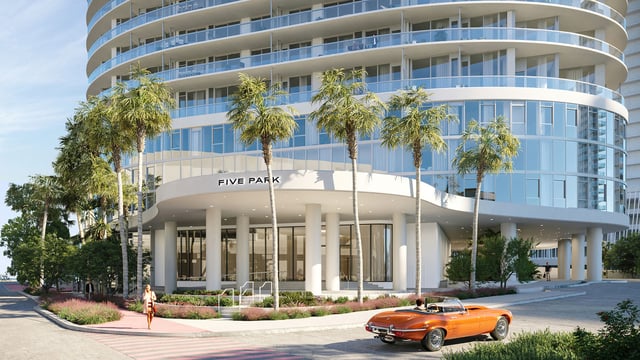
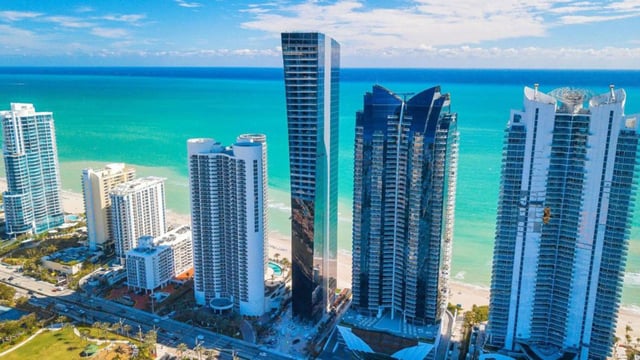
A branded residence is not automatically a single asset class. When one brand appears across fully serviced hotel residences, lighter lifestyle offerings, and more private residential formats, buyers should value the operating model as carefully as the architecture, location, and finish level.

How to compare guest-bedroom placement when privacy matters as much as sleeping capacity
A luxury buyer’s framework for evaluating guest-bedroom placement, balancing seclusion, acoustics, circulation, and real sleeping capacity rather than relying on bedroom count alone.

How a private members club can reshape the value of a luxury residence in West Palm Beach or Miami
In South Florida’s ultra-luxury market, private club access can materially influence how a residence is perceived, priced, and traded. In West Palm Beach and Miami, the most coveted homes increasingly sell not only on architecture and location, but on whether ownership opens the door to an established social world, protected privacy, and a curated lifestyle that feels immediately complete.

How global buyers should think about privacy, LLC structure, and staff logistics in condo ownership
A discreet South Florida condo purchase often begins with an LLC, but sophisticated buyers know privacy, tax treatment, compliance, and staff operations must be planned together. This guide explains where an LLC helps, where it does not, and why building rules can matter as much as the legal structure itself.

The best way to compare sunset prestige versus sunrise calm on South Florida waterfronts
A refined buyer’s guide to evaluating the emotional and practical differences between sunset-facing and sunrise-facing South Florida waterfront homes, with a focus on light, mood, privacy, and daily living.
What makes a luxury building genuinely pet-friendly for full-time residents
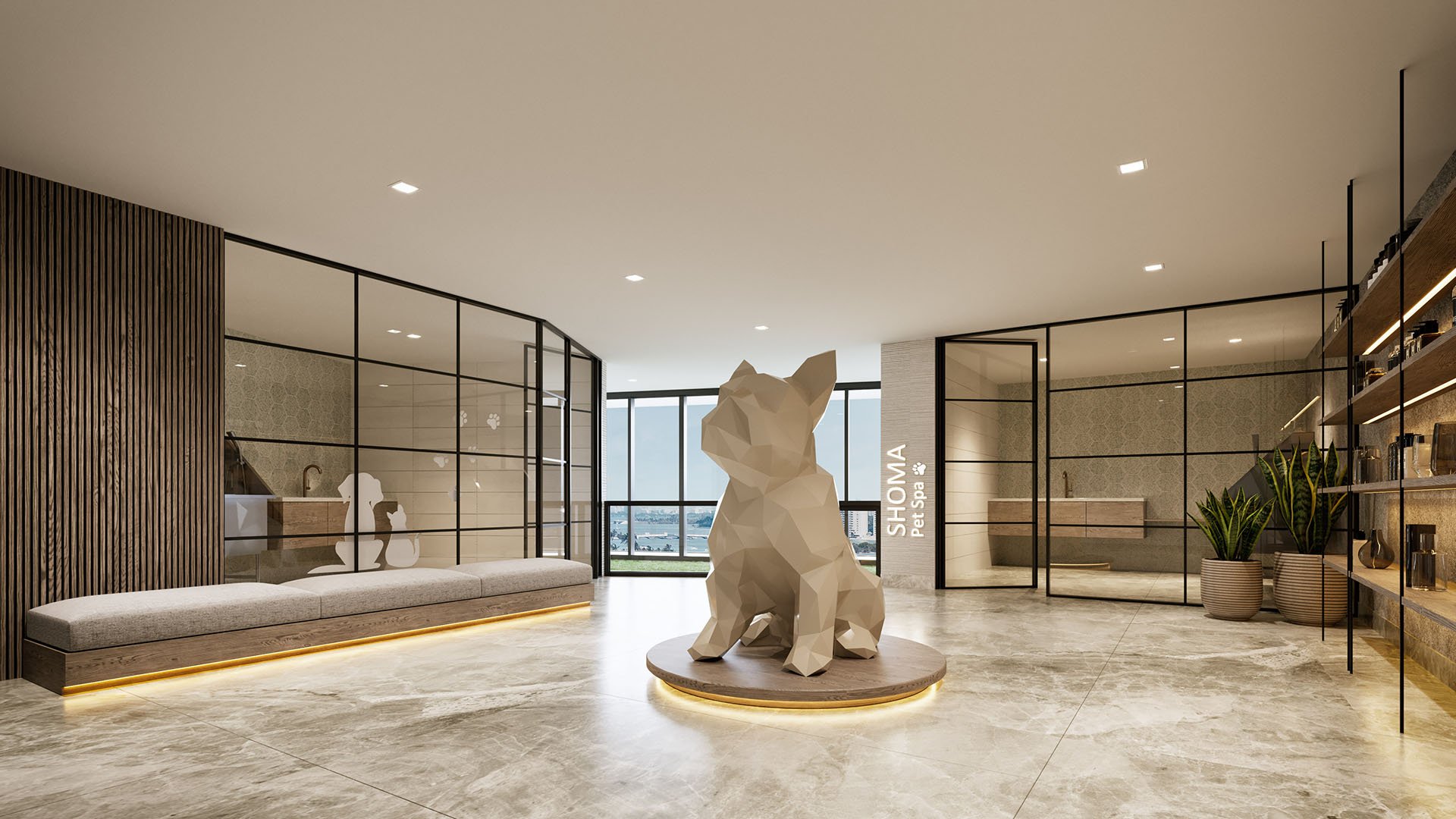
For full-time residents, genuine pet-friendliness in a luxury building is measured less by permission and more by infrastructure, climate responsiveness, service depth, and policy clarity. In South Florida, the best buildings treat pets as part of everyday residential life with relief areas, wash stations, shaded or cooled spaces, trusted service coordination, and rules that reduce friction for everyone in the building.