A buyer-oriented comparison of three South Florida luxury residences through family amenities, teen spaces, guest hosting, and 2026 due diligence priorities.
For South Florida luxury buyers, family living now requires a more exacting conversation than whether a building offers a pool, beach service, or children’s room. In 2026, the sharper question is how a residence performs when older children want independence, grandparents arrive for an extended stay, classmates gather after school, and extended family expects an effortless oceanfront routine.
That is why 2000 Ocean Hallandale Beach, Setai Residences Miami Beach, and The Estates at Acqualina Sunny Isles are best viewed through a due-diligence lens rather than a generic amenity checklist. Each reflects a distinct operating philosophy: private residential calm, hotel-integrated hospitality, and a more expansive family-oriented resort-campus model. Oceanfront ownership along this corridor can appear similar from the outside, yet function very differently once a household uses the building week after week.
The goal is not to declare one universally superior choice. It is to identify which building aligns with how a particular household hosts, supervises, entertains, and grows.
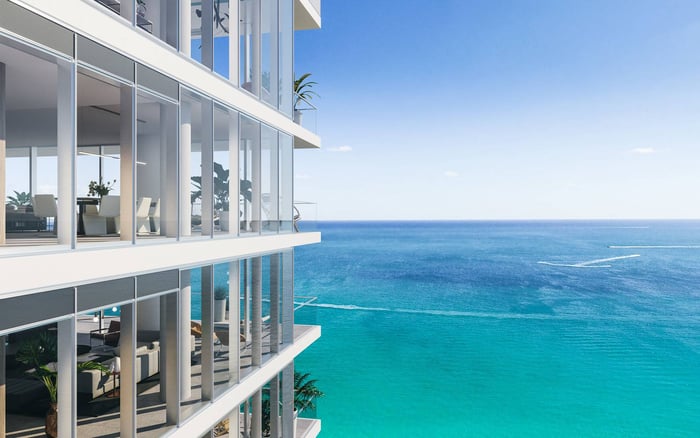
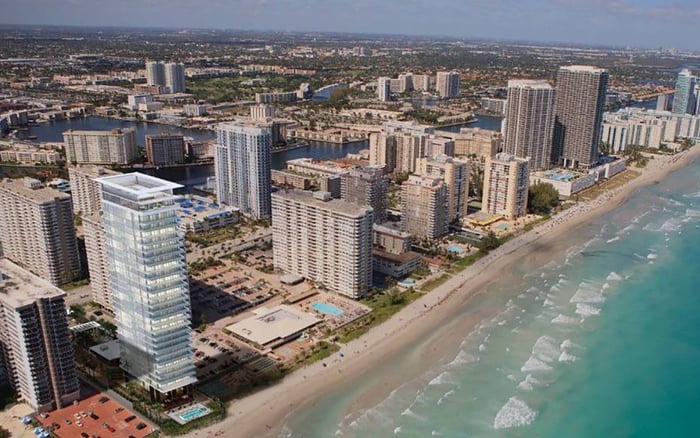
2000 Ocean is best understood as a boutique, low-density oceanfront tower in Hallandale Beach for buyers who value privacy, calm, and architectural restraint over the energy of a large resort campus. Boutique does not mean casual or under-amenitized; it means the lifestyle is quieter, more controlled, and less dependent on youth programming or a constant social calendar.
For families, that distinction matters. A teenager at 2000 Ocean may enjoy a refined residential setting, beach proximity, and the broader South Florida lifestyle, but the building is not positioned in this comparison as a teen-club ecosystem. Its family-use profile is more discreet: fewer moving parts, fewer crowds, and a stronger emphasis on private home life.
Setai Residences Miami Beach occupies a different category. It is hotel-integrated, urban, and hospitality-driven, with an ownership model that differs from a purely residential tower. Its appeal is less about dedicated teen lounges and more about service, location, and guest support. For families who entertain visiting relatives, adult children, or friends who want the convenience of a hospitality environment, that structure can be meaningful.
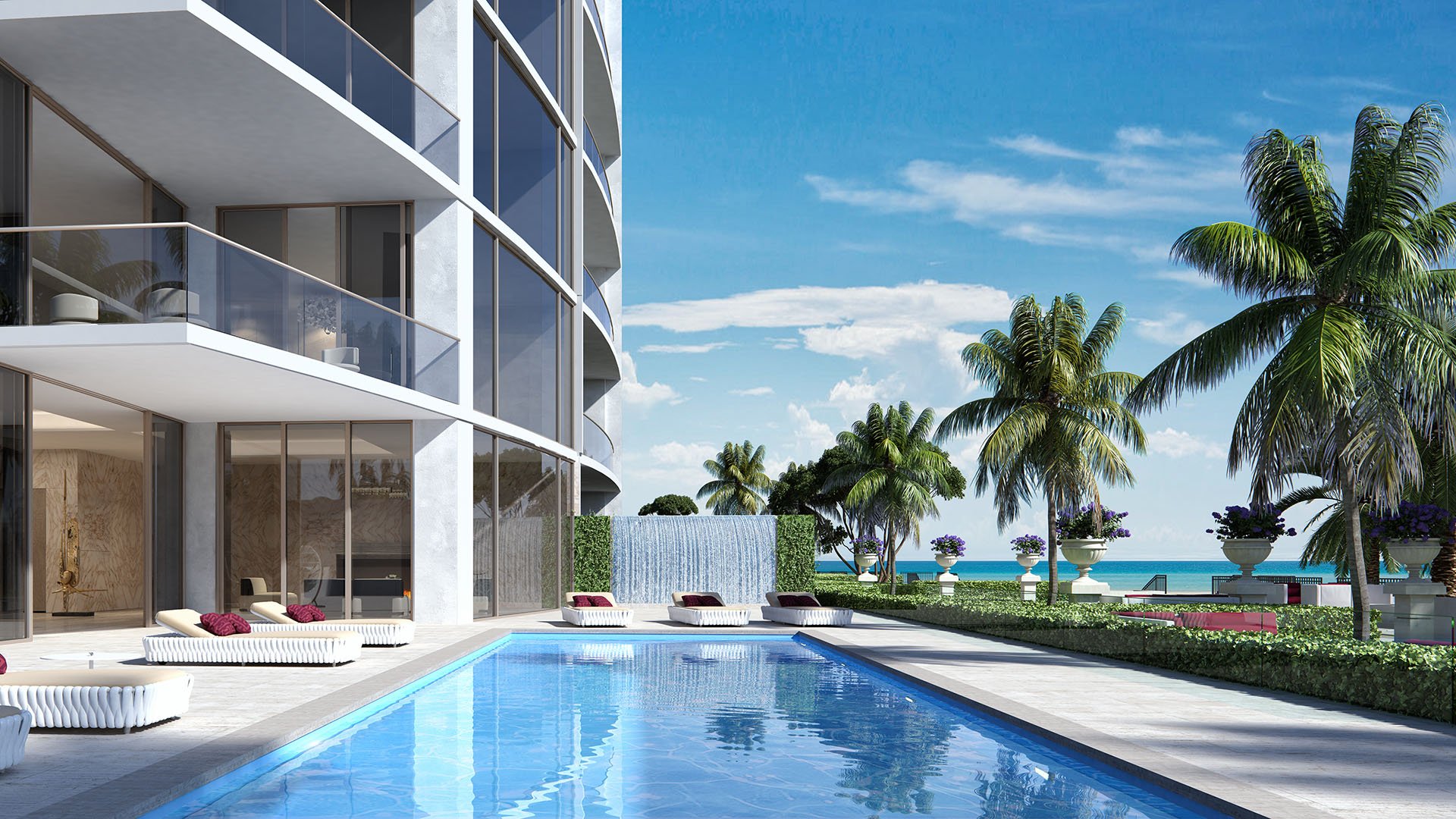
The Estates at Acqualina Sunny Isles is the clearest family-campus proposition among the three. In practical terms, it is the option most aligned with families seeking an onsite world rather than relying chiefly on neighborhood or hotel infrastructure.
Teen use is where these three properties separate most clearly. Families often tour beautifully finished buildings and ask the same adult-oriented questions: spa, gym, dining, beach, valet. For teenagers, the more useful questions are different. Where can they go without feeling supervised every second? Can they meet peers onsite? Is there active recreation? Is the environment social enough to keep them engaged, yet controlled enough for parents to feel comfortable?
At 2000 Ocean, the answer leans toward privacy and independence beyond the building rather than built-in teen infrastructure. The amenity program is refined and intimate, suiting buyers who want a serene primary residence or second home. For a teenager who already has school, clubs, sports, or a wider Miami-Dade and Broward social network, that may work well. For a family expecting the building itself to supply daily teen activity, it is a tradeoff to examine carefully.
At The Setai, the teen question is less about youth-specific programming and more about whether the hospitality environment supports the family’s rhythms. Older children may appreciate Miami Beach energy, resort service, and an adult-oriented setting, but the property is not defined here primarily by teen lounges or youth programming. Parents should view it as a sophisticated urban resort-residence model, not as a purpose-built teenage social campus.
At The Estates at Acqualina, the calculus changes. Its positioning is more directly aligned with active family use. For multigenerational households, that can create a stronger sense of containment: recreation, socialization, and daily variety are more likely to exist within the property’s own ecosystem.
Guest accommodation is one of the most misunderstood topics in luxury condominium due diligence. Buyers often use the phrase “guest suite” loosely, but buildings handle visiting family in very different ways. Some rely on owner layouts, some on hotel integration, and some on association rules governing access, privileges, registration, fees, and length of stay.
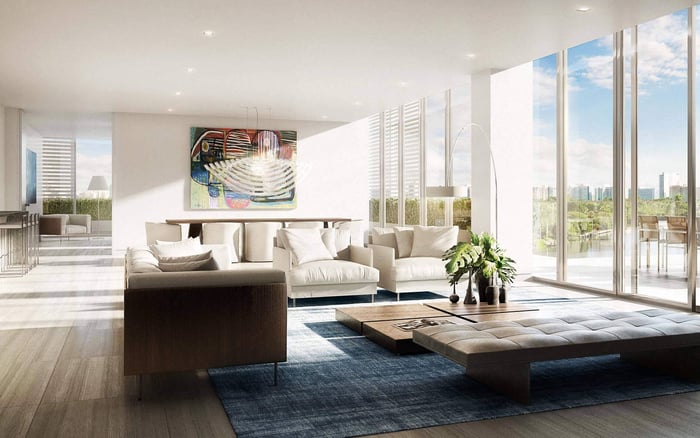
For 2000 Ocean, the core model is strictly residential. That can be attractive for owners who want privacy and a calmer building culture, but it places more importance on the residence itself. Buyers should examine whether the floor plan can comfortably absorb grandparents, adult children, nannies, or visiting friends without compromising daily life. They should also review current procedures for overnight visitors, service-provider access, parking, amenity use, and beach or pool privileges.
For The Setai, the hotel-residence structure is the key distinction. It creates a different hosting model from a building that depends only on owner layouts or association-controlled guest protocols. That does not eliminate the need for due diligence. Families should still verify current rules on guest access, hotel services, amenity use, billing, and how visiting relatives are treated when the owner is in residence or away.
For The Estates at Acqualina, the self-contained resort-campus appeal can be powerful for extended family gatherings, but the same caution applies. A rich amenity environment does not automatically answer questions about who may use what, under which conditions, and with what supervision. Buyers should confirm current policies for guests, teens, caregivers, instructors, and short-term visiting family before treating the amenity campus as fully transferable to every visitor.
The best family tour is staged around real life. Visit when your household would actually use the building. If your teenager wants independence after school, tour late afternoon. If grandparents visit in season, ask how arrival, parking, elevator access, pool seating, and guest registration would work at peak periods. If you expect a nanny, tutor, coach, or driver to come and go, ask how access is handled.
Ask direct, practical questions. Are teens permitted to use certain amenities without an adult? Are there age rules for fitness, spa, pool, or lounge areas? Are guest privileges different for relatives staying in the unit versus friends visiting for the day? Are there limits on the number of guests at the pool or beach? Are reservations required for certain amenities? These details often matter more than the square footage of a lounge.
The comparison also depends on personality. A privacy-oriented family may prefer 2000 Ocean precisely because it is not built around constant activity. A hospitality-oriented buyer may find The Setai’s service model more useful for relatives and older children visiting Miami Beach. A family seeking the deepest onsite ecosystem may gravitate to The Estates at Acqualina, especially if teenagers and younger children need daily recreational options close to home.
For a design-led household that values quiet, low density, and a more residential rhythm, 2000 Ocean is the most understated fit. It suits families that do not need the building to function as a youth club and are comfortable using the broader Hallandale Beach and South Florida ecosystem for teen life.
For a buyer who wants an urban, hospitality-driven setting with a distinctive guest-accommodation advantage, The Setai is the more natural comparison point. Its strength is not that it is purpose-built for teenagers, but that its hotel-integrated structure can support visiting friends and relatives in ways that purely residential properties may not.
For a multigenerational household that wants a full amenity world onsite, The Estates at Acqualina is the most family-centric of the three. Its scale and family-oriented positioning make it the strongest match for buyers who want recreation, social life, and family logistics handled within the property environment.
The right answer is therefore not the longest amenity list. It is the building whose rules, culture, and operating model match the household’s real patterns.
Which property is most family-centric among the three? The Estates at Acqualina is positioned in this comparison as the strongest family-campus option for children, teens, and multigenerational use.
Is 2000 Ocean a good choice for families with teenagers? Yes, for families that prioritize privacy, calm, and design. It is less suited to buyers who require dedicated teen lounges or substantial youth programming onsite.
What is The Setai’s main family advantage? The Setai’s advantage is its hotel-integrated structure, which can create a more flexible hospitality model for visiting relatives, friends, and older children.
Should buyers assume any of these buildings has formal guest suites? No. Guest-suite access, overnight visitor procedures, fees, and booking rules should be verified through current building documents and management.
Which option is best for a quiet second home? 2000 Ocean is the most privacy-oriented and boutique in feel, making it a strong candidate for buyers seeking a calm residential retreat.
Which property best supports active teen social life onsite? The Estates at Acqualina is the clearest fit for families prioritizing teen-oriented amenities, recreation, and a more self-contained social environment.
Is The Setai designed around teen amenities? It is more adult- and resort-oriented than youth-program-heavy. Families should evaluate how its hospitality model supports older children and guests.
What should families ask before purchasing? Ask about guest registration, amenity privileges, teen supervision, caregiver access, pool rules, spa access, parking, and seasonal visitor procedures.
Do neighborhood amenities matter in this comparison? Yes. At 2000 Ocean especially, teens may rely more on the broader Hallandale Beach and South Florida ecosystem than on dedicated onsite teen spaces.
What is the simplest way to compare the three? Think of 2000 Ocean as private and residential, The Setai as hotel-integrated and service-led, and The Estates at Acqualina as the fullest family campus.
When you're ready to tour or underwrite the options, connect with MILLION.
If branded residences are on your mind — as a home or as an allocation — we would be glad to share what we are seeing, privately.
Begin a quiet conversation