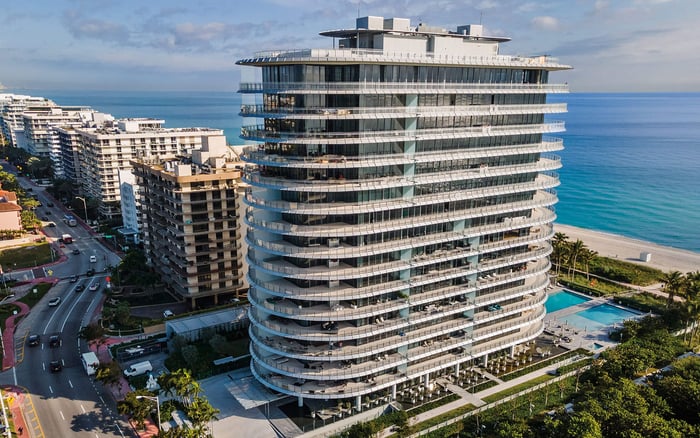
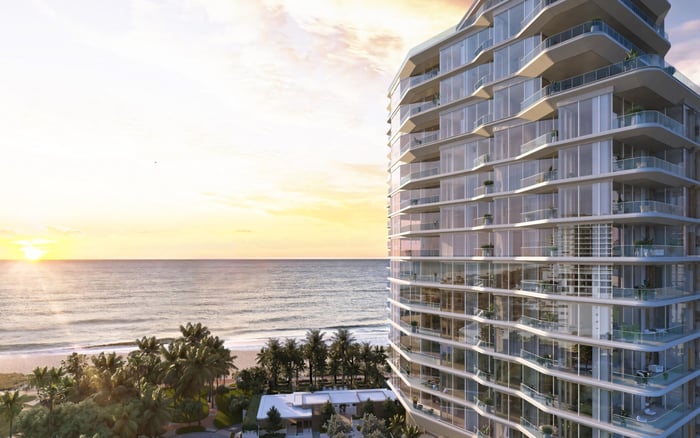
A practical buyer guide to evaluating Eighty Seven Park through the lens of recurring household service providers, from trainers and tutors to private chefs.
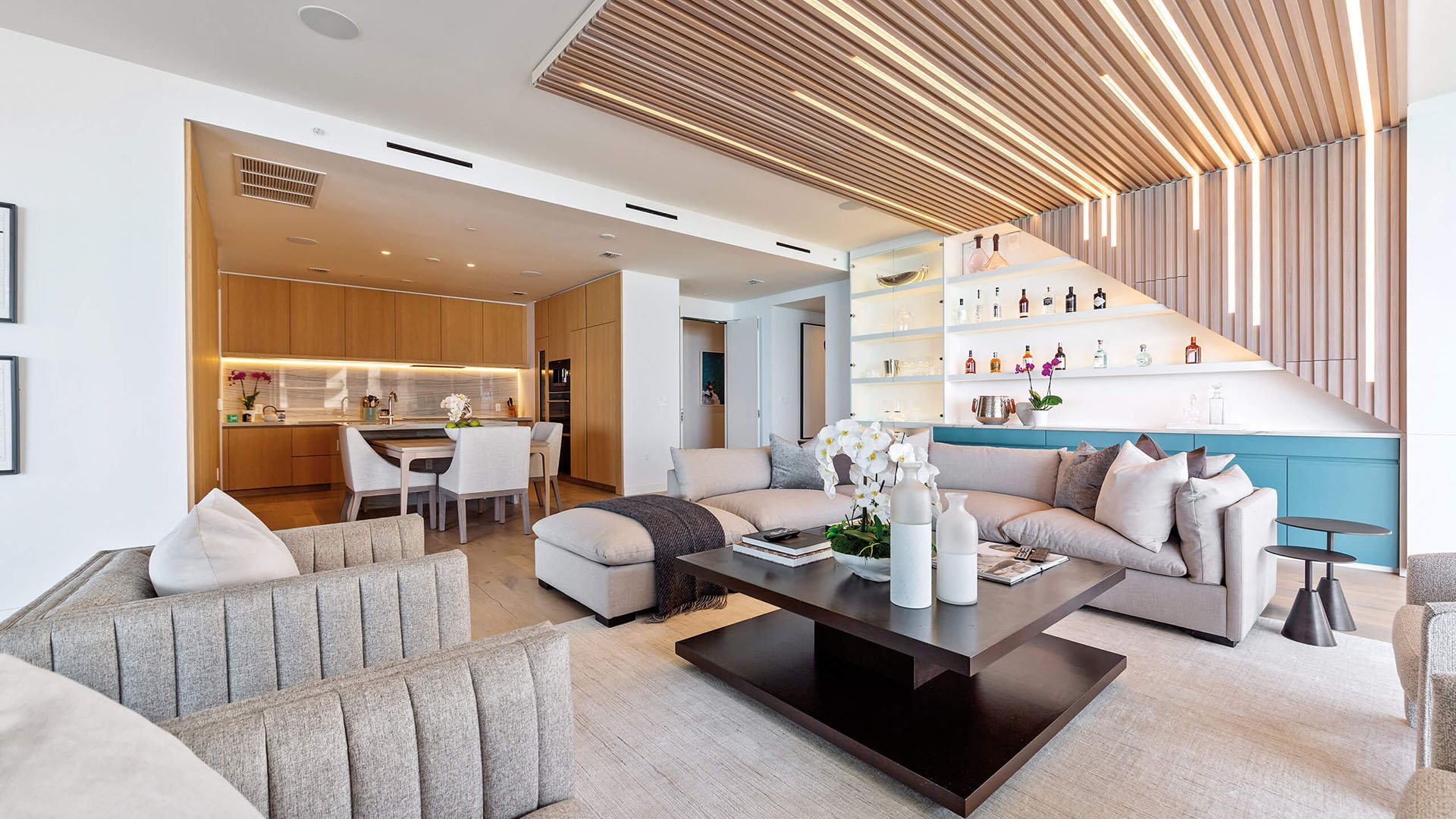
Eighty Seven Park Surfside belongs to a category of South Florida residence where the purchase decision is not limited to finishes, exposure, or a preferred floor plan. For households that rely on recurring personal support, the more practical question is whether the building can accommodate the rhythm of daily service without making the home feel administratively complicated.
That question matters for buyers who expect regular visits from trainers, tutors, private chefs, household managers, drivers, or other approved providers. A residence may feel refined during a showing, but daily ownership depends on how smoothly people arrive, are authorized, move through the property, and coordinate with the household.
For this buyer profile, the right due diligence is operational. Before contract, a purchaser should understand how the association, front desk, valet, security, and management team handle recurring professionals. The goal is not to bypass building rules. It is to confirm that the rules are clear, reasonable, and compatible with the way the household actually lives.
A personal trainer, tutor, or private chef is not the same as a casual social guest. Each provider may have a repeat schedule, a defined purpose, and a need for predictable entry. If the process is vague, the owner may end up managing permissions, arrival calls, and coordination more often than expected.
Buyers should evaluate four broad areas: access approval, circulation, amenity permissions, and staff coordination. These items may sound procedural, yet they determine whether a residence feels calm or complicated once the household is in motion.
This is especially relevant for families, seasonal residents, and high-privacy owners who want support to happen quietly. A building that is visually impressive but operationally unclear may not be the best fit for a household with frequent outside professionals.
Private trainers create one of the clearest tests of compatibility. Some residents prefer sessions inside the residence, while others want a trainer to accompany them in fitness or wellness areas if building rules allow it. Those two scenarios can be treated very differently by an association.
Before purchasing, buyers should ask whether outside trainers are permitted, whether they must be registered in advance, and whether any documentation is required. They should also ask whether a trainer may access amenities with a resident or whether sessions must remain inside the private residence.
The preferred outcome is predictability. A resident should not need to renegotiate basic access each week. If recurring approval is available, the buyer should understand how it works, how it is updated, and what happens if the trainer arrives while the owner is delayed.
Tutors raise a different set of issues because their work often ties into family schedules. A tutoring appointment may occur after school, during busy arrival windows, or while parents are managing other household needs. In that context, efficiency and discretion are both important.
A buyer should ask how recurring educational professionals are entered into the building’s access process. It is also sensible to ask who may authorize entry, how schedule changes are handled, and whether the building has a practical method for confirming repeat visits without unnecessary delay.
The best fit is a residence where the family routine remains calm. Tutoring should not become a weekly access problem, and building procedures should support security without turning each visit into a new administrative event.
Private chefs are often the most revealing service-provider category because they may involve several moving parts. A chef may arrive with supplies, coordinate food deliveries, work for several hours inside the residence, and depart with equipment or remaining items.
Buyers should verify delivery procedures, vendor arrival rules, elevator expectations, and any time-of-day limitations that may apply. They should also ask whether the association distinguishes between occasional entertaining and recurring professional cooking support.
These questions are not about creating exceptions. They are about confirming whether the building’s normal procedures align with the household’s needs. For a buyer who entertains or maintains a structured dining routine, clarity on chef access can be as important as the kitchen itself.
At the luxury level, buyers often focus first on visible features. For a service-heavy household, the invisible systems may matter just as much: visitor authorization, valet coordination, front desk communication, security judgment, package handling, delivery procedures, and elevator routing.
A polished operation does not need to feel theatrical. It should feel composed. Providers should know where to go, staff should understand the approved process, and the resident should not have to explain the same arrangement repeatedly.
This is why operational fit deserves the same attention as design. If a buyer plans to use recurring providers, the building’s rules and culture should be reviewed before emotional commitment overtakes practical evaluation.
Before contract, buyers should request the current association documents and ask management or the appropriate representative direct questions about service-provider logistics. The most useful questions are specific: how is a recurring vendor approved, what identification is required, which areas may be accessed, and what happens when plans change?
It is also helpful to test real scenarios. If a trainer arrives before the owner returns, what is the process? If a tutor’s schedule changes on the same day, how is entry confirmed? If a chef coordinates grocery delivery, who receives the items and how are they routed?
These details protect the ownership experience. A buyer who understands them in advance is better positioned to determine whether Eighty Seven Park Surfside fits the household’s daily rhythm, not just its design preferences.
Why does this topic matter for Eighty Seven Park Surfside buyers? Buyers with recurring service providers need to know whether the building’s procedures support their household routine before they commit.
Should a buyer confirm trainer access before contract? Yes. Trainer access may involve registration, amenity permissions, insurance expectations, or limits on where sessions can occur.
Can outside trainers automatically use building amenities? Buyers should not assume that. Amenity access for outside professionals should be verified through the current building rules.
What should families ask about tutors? Families should ask how recurring tutors are approved, how schedule changes are handled, and who may authorize entry.
Why are private chefs a more complex use case? Private chefs may involve deliveries, equipment, longer in-residence work periods, and coordination with staff or household members.
What documents should buyers review? Buyers should review the current association documents and any available rules covering visitors, vendors, deliveries, amenities, and access procedures.
Is staff coordination part of luxury due diligence? Yes. Front desk, valet, management, and security procedures can directly affect how discreet and convenient recurring service feels.
Should buyers rely on assumptions from a showing? No. A showing may not reveal how repeat providers are handled during everyday ownership.
What is the main operational risk for service-heavy households? The main risk is discovering after purchase that routine providers create delays, extra approvals, or unclear responsibilities.
What is the best way to shortlist comparable options for touring? Start with location fit, delivery status, and daily lifestyle priorities, then compare stacks and elevations to validate views and privacy.
If you'd like a private walkthrough and a curated shortlist, connect with MILLION.
If branded residences are on your mind — as a home or as an allocation — we would be glad to share what we are seeing, privately.
Begin a quiet conversation