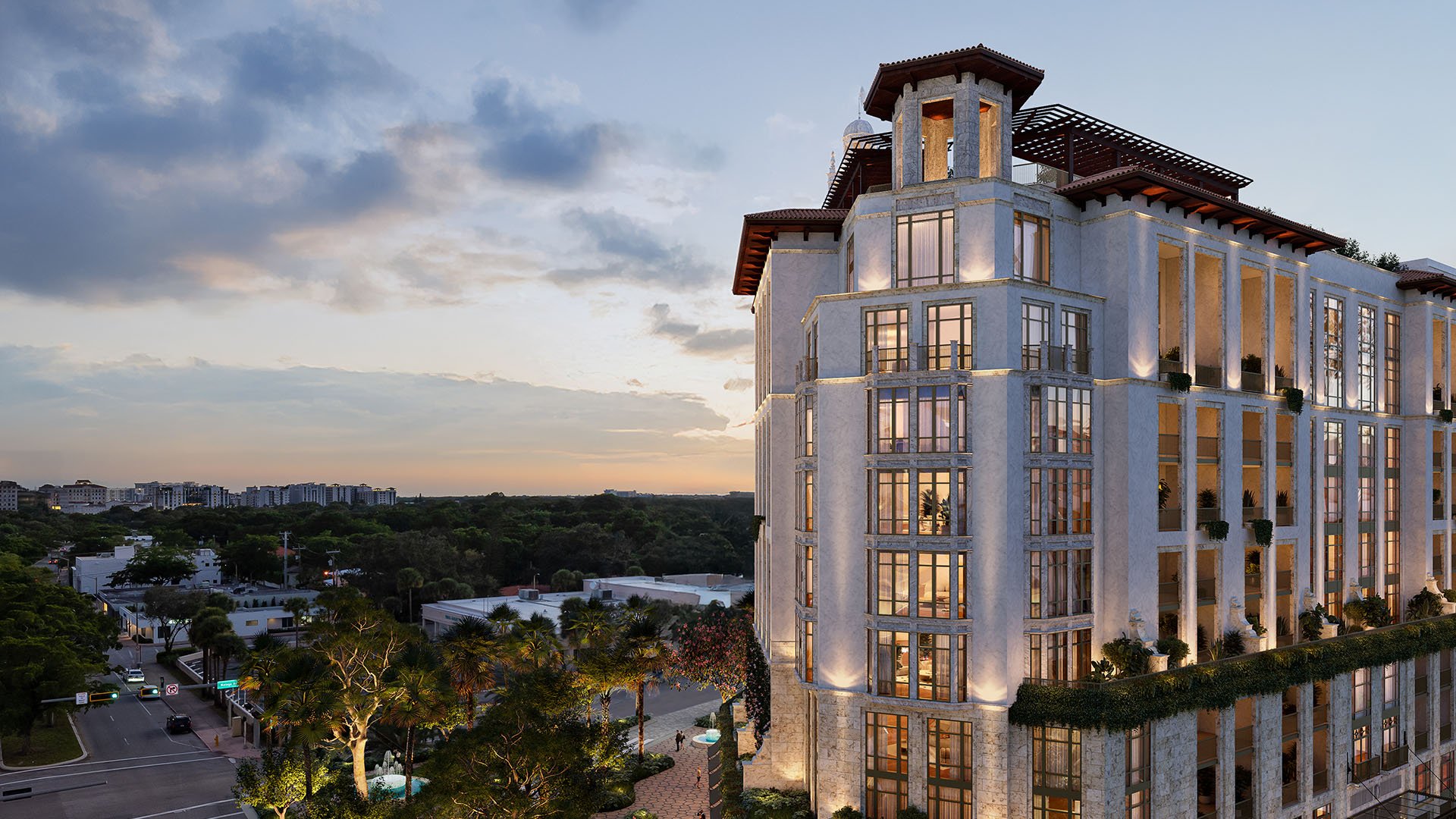
Navigating Private School Waitlists and Commute Logistics: The Village at Coral Gables vs. Ponce Park Coral Gables
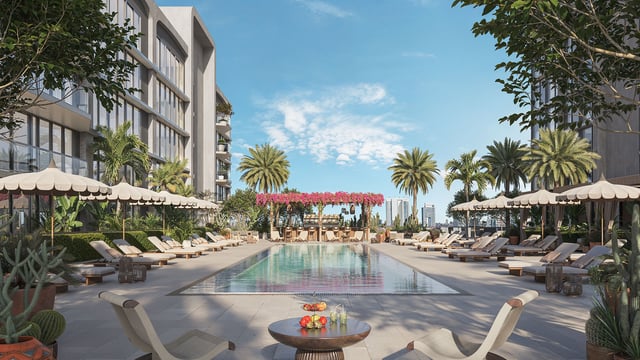
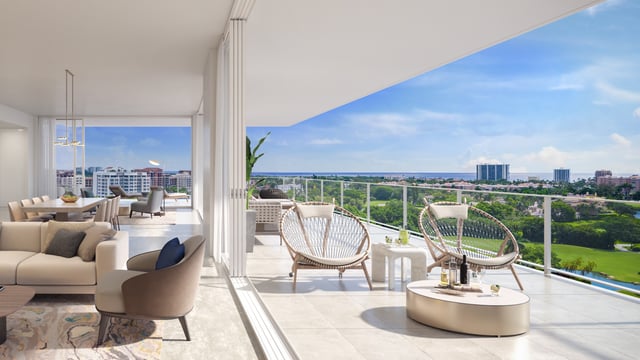
For Coral Gables buyers, the luxury conversation often turns practical the moment children enter the picture. The question is not simply which building feels more refined. It is which address makes school life workable: admissions timelines, daily drop-off patterns, after-school activities, and the commute reality that quietly governs family time. This guide frames Coral Gables living through two lenses: the near-term mechanics of private-school waitlists, and the long-term ease of moving through the city. We compare decision-making considerations for **The Village at Coral Gables** and **Ponce Park Coral Gables**, then expand the view to nearby lifestyle anchors that can further reduce friction for families balancing demanding schedules.
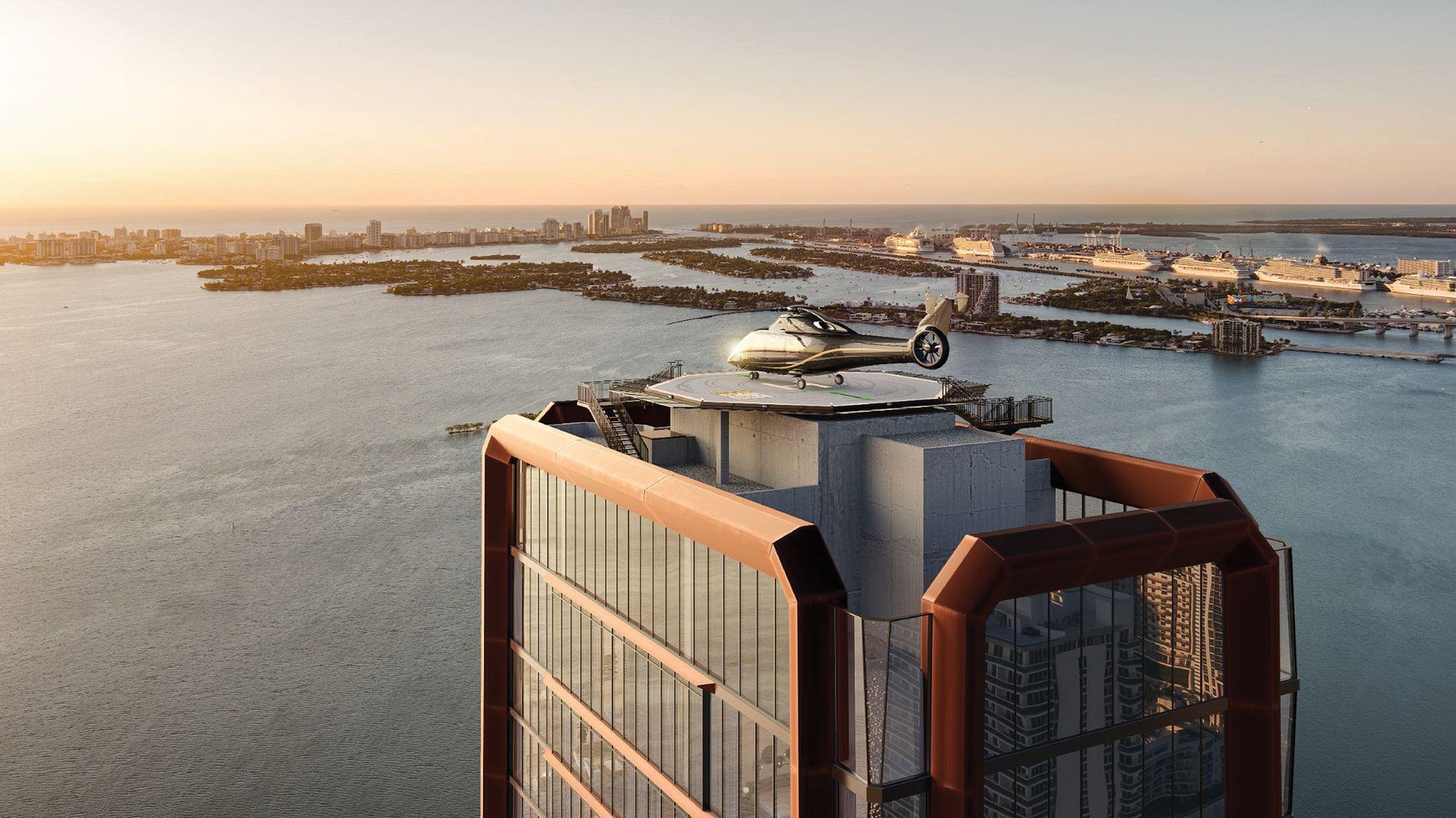
Best Addresses for Immediate Access to Private Aviation and Helipads
For South Florida buyers who treat time as the ultimate amenity, proximity to private aviation and helicopter operations is not a perk, it is a planning principle. This guide maps the region’s most flight-forward residential enclaves, with practical criteria to evaluate airports, helipads, and door-to-door reality on the ground.
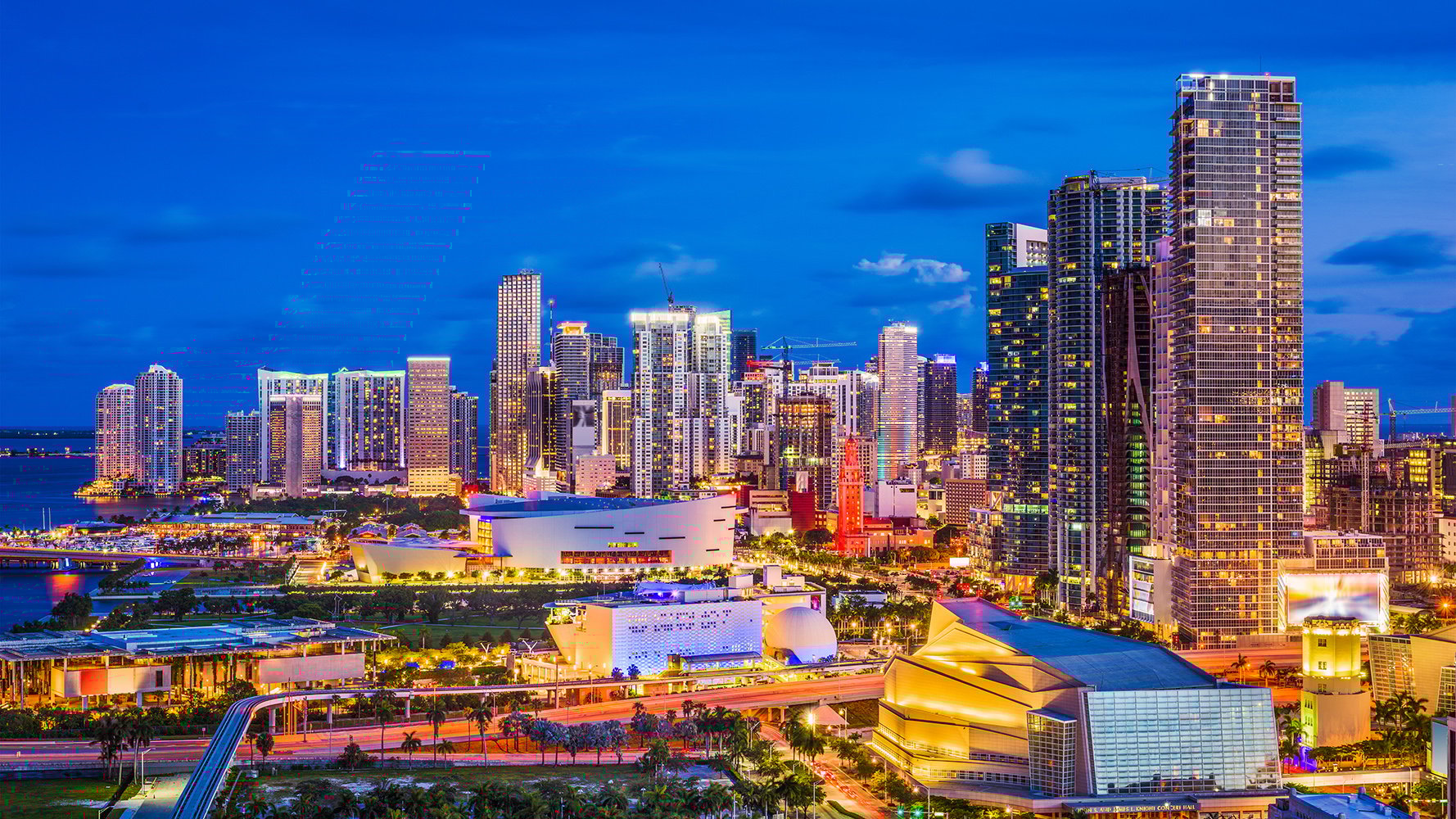
The Downtown Miami Supertall Era: Living Above 1000 Feet
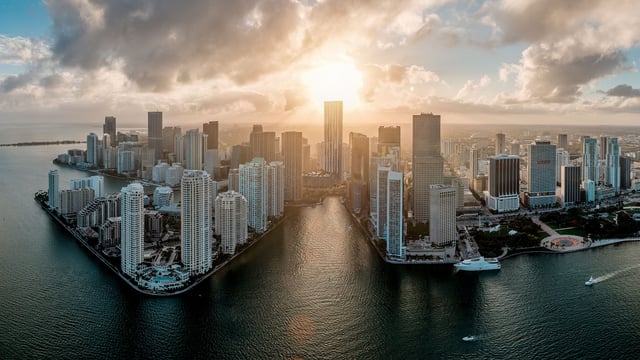
Downtown Miami is entering a new vertical chapter, with supertall proposals and branded residential towers reshaping what “city living” means in South Florida. For buyers, the appeal is not simply height, but the lifestyle that height enables: privacy, panoramic water views, curated amenities, and a front-row position to Miami’s most walkable, culture-forward core. This editorial frames what living above 1,000 feet can deliver, what it demands in day-to-day practicality, and which nearby luxury projects best express the new standard.

Best Wellness-Focused Towers in Miami: The Rise of Medical-Grade Amenities
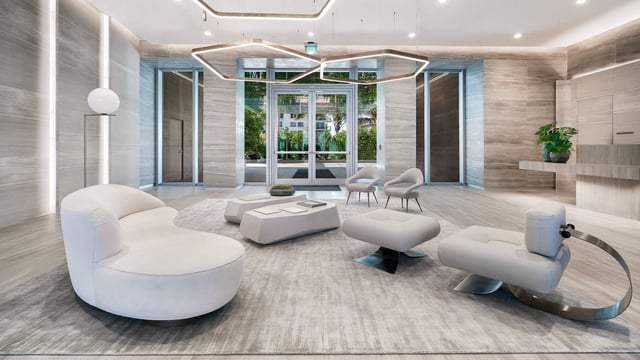
Miami’s luxury skyline is being rewritten around health as a daily operating system, not a weekend indulgence. Today’s most coveted towers treat recovery, performance, air and water quality, and privacy as core design inputs, borrowing cues from hospitality, longevity clinics, and elite training culture. For buyers, the question is no longer whether a building has a spa, but whether the wellness stack is coherent, measurable, and serviceable at scale. This editorial frames what “medical-grade” means in a residential context, then spotlights a curated ranking of the tower archetypes currently defining the category. Finally, it translates amenities into due diligence: what to verify, what to underwrite, and what actually changes day-to-day life.
The Design District Ascension: Fashion Branded Real Estate Hub
Miami’s Design District has evolved from a day trip into a lifestyle address, and luxury buyers are responding. As fashion houses and hospitality operators lend their codes of service, materiality, and brand discipline to residential development, a new category of ownership emerges: homes that behave like private members’ clubs, with the privacy of a residence and the choreography of a flagship boutique. For South Florida, the implications extend well beyond a single neighborhood. Brand-led residences are re-shaping buyer expectations for staffing, finishes, amenity curation, and even resale storytelling across Brickell, Miami Beach, Bal Harbour, and beyond. The result is a market where identity and experience can matter as much as views, square footage, and floor height. This is the Design District ascension: a shift from shopping destination to branded real estate hub, and a blueprint for how the luxury consumer wants to live in Miami now.
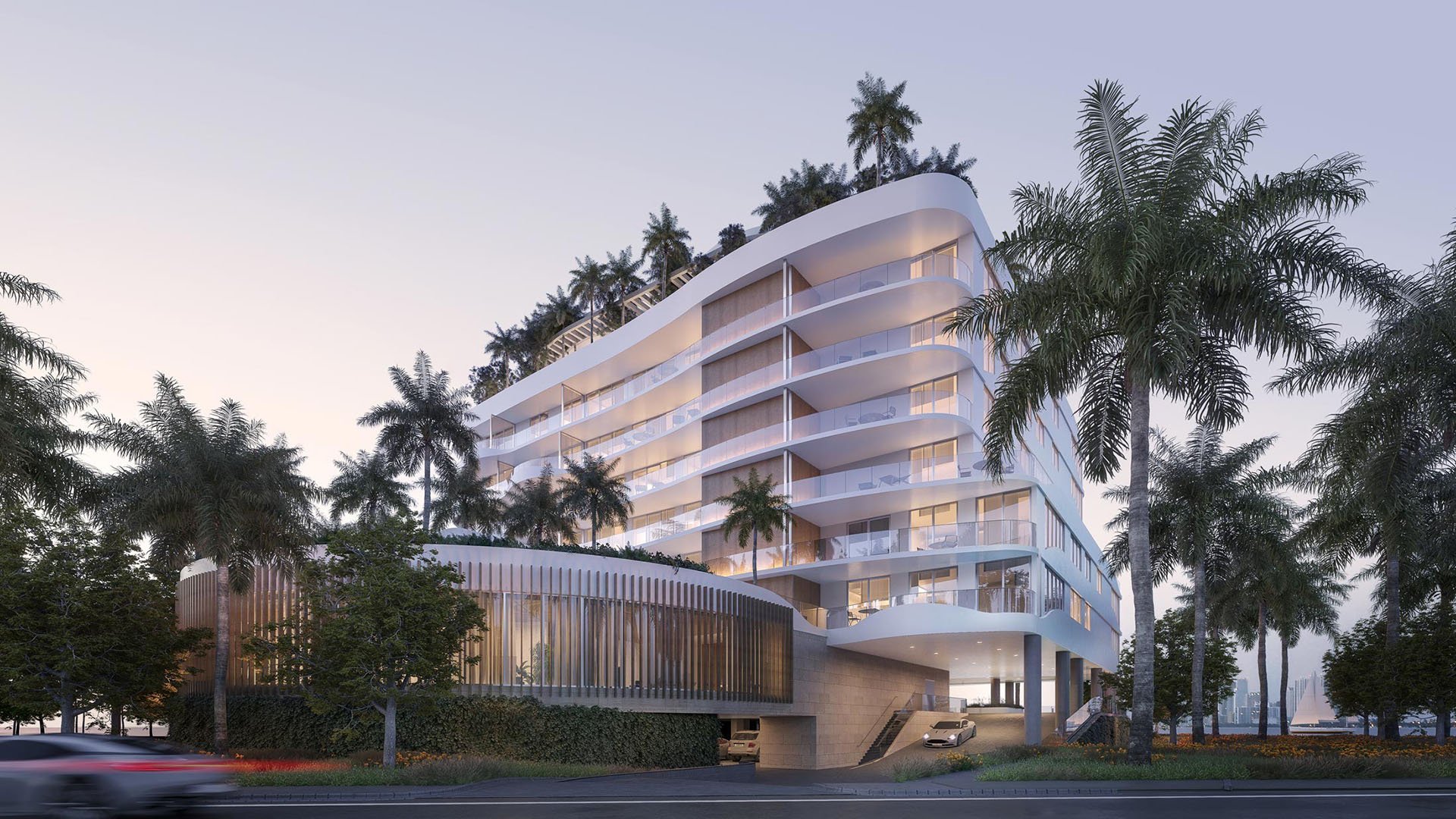
The Bay Harbor Islands Revival: Kobi Karp Architecture Redefining the Grid
Bay Harbor Islands has long been defined by a calm, rational grid: short blocks, water views that arrive in glimpses, and a scale that historically favored privacy over spectacle. Today, that same grid is being reinterpreted through contemporary architecture that treats constraints as a design brief, not a limitation. Within this context, Kobi Karp Architecture has become shorthand for a particular South Florida sensibility: disciplined massing, clean lines, and a resort-grade approach to arrival, amenity, and indoor-outdoor living. For luxury buyers, the conversation is less about reinvention for its own sake and more about what the next chapter of Bay-harbor can deliver. How does a new building sit among established streets? Can it elevate daily life without overwhelming the neighborhood? And in a market where Bal-harbour and Miami-beach remain immediate neighbors, what does “quiet luxury” look like when expressed in concrete, glass, stone, and shade? This is the revival: a move from purely utilitarian waterfront living toward a curated residential experience, one that respects the grid while upgrading everything that happens inside it.