A discreet buyer’s guide to evaluating full-service tower living in Wynwood as a long-term real estate decision, with emphasis on amenities, governance, privacy, and enduring daily utility.
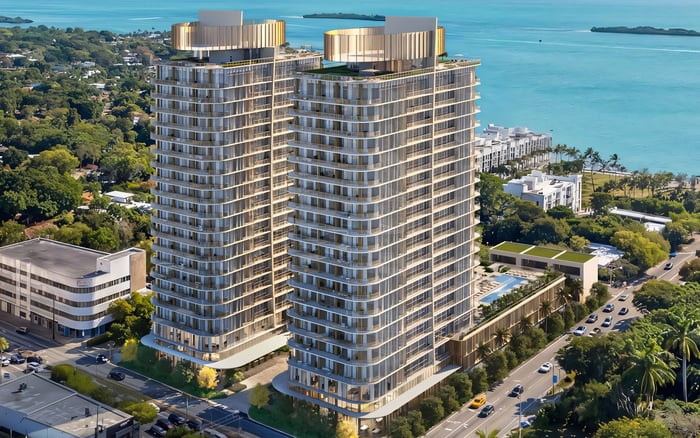
A full-service tower in Wynwood must do more than participate in the neighborhood’s visual energy. For a serious long-term purchase, it has to translate that energy into a calm, livable, well-managed residential environment. The distinction matters. A buyer is not simply selecting a fashionable address; the buyer is choosing a daily operating system for privacy, arrival, service, wellness, security, guests, pets, packages, parking, and future resale.
Wynwood rewards confidence, but it also demands discipline. The most compelling tower is not necessarily the loudest building or the one with the longest amenity list. It is the one that understands what a sophisticated owner will still value five, seven, or ten years after closing. That usually means proportion, utility, operational clarity, and a service culture that feels intuitive rather than theatrical.
The practical vocabulary may be Wynwood, Investment, New-construction, Pool, Terrace, and Long-term-rentals, but the real question is how those elements behave over time. A private Pool is not a luxury if it feels crowded. A Terrace is not meaningful if it is ornamental. Long-term-rentals may support flexibility, but only if the building’s rules preserve residential dignity. In this segment, the best purchase is the one that keeps its composure.
Full-service living has become a common phrase in Miami, but buyers should distinguish genuine residential service from decorative hospitality language. The test is simple: does the building reduce friction without making home feel public? A serious tower should have a considered arrival sequence, responsive front-of-house staffing, discreet security, efficient package management, and common spaces that are pleasant to use on ordinary weekdays, not only during a sales presentation.
In Wynwood, where the street life can be animated, the transition from neighborhood to residence is especially important. The lobby should feel like a threshold, not a continuation of the sidewalk. Elevators should support privacy. Amenity spaces should be placed and programmed so residents can actually use them without feeling as though they are on display.
A buyer evaluating Frida Kahlo Wynwood Residences should ask the same questions that apply to any serious urban tower: where residents enter, how guests are handled, how the building manages deliveries, and whether the amenity plan supports real life or merely a brochure.
The amenity race can be seductive. Yet for long-term ownership, excess often becomes cost, complexity, and underuse. The strongest full-service buildings tend to edit amenities around daily patterns: fitness, water, outdoor air, work, hosting, pet needs, storage, and practical wellness. A buyer should look less at the number of spaces and more at whether each one has a clear purpose.
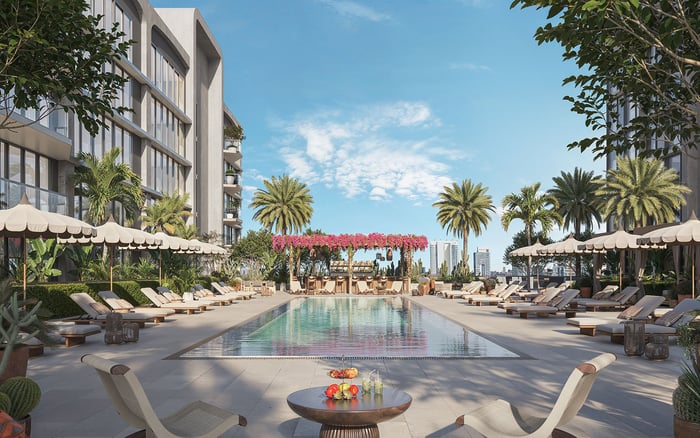
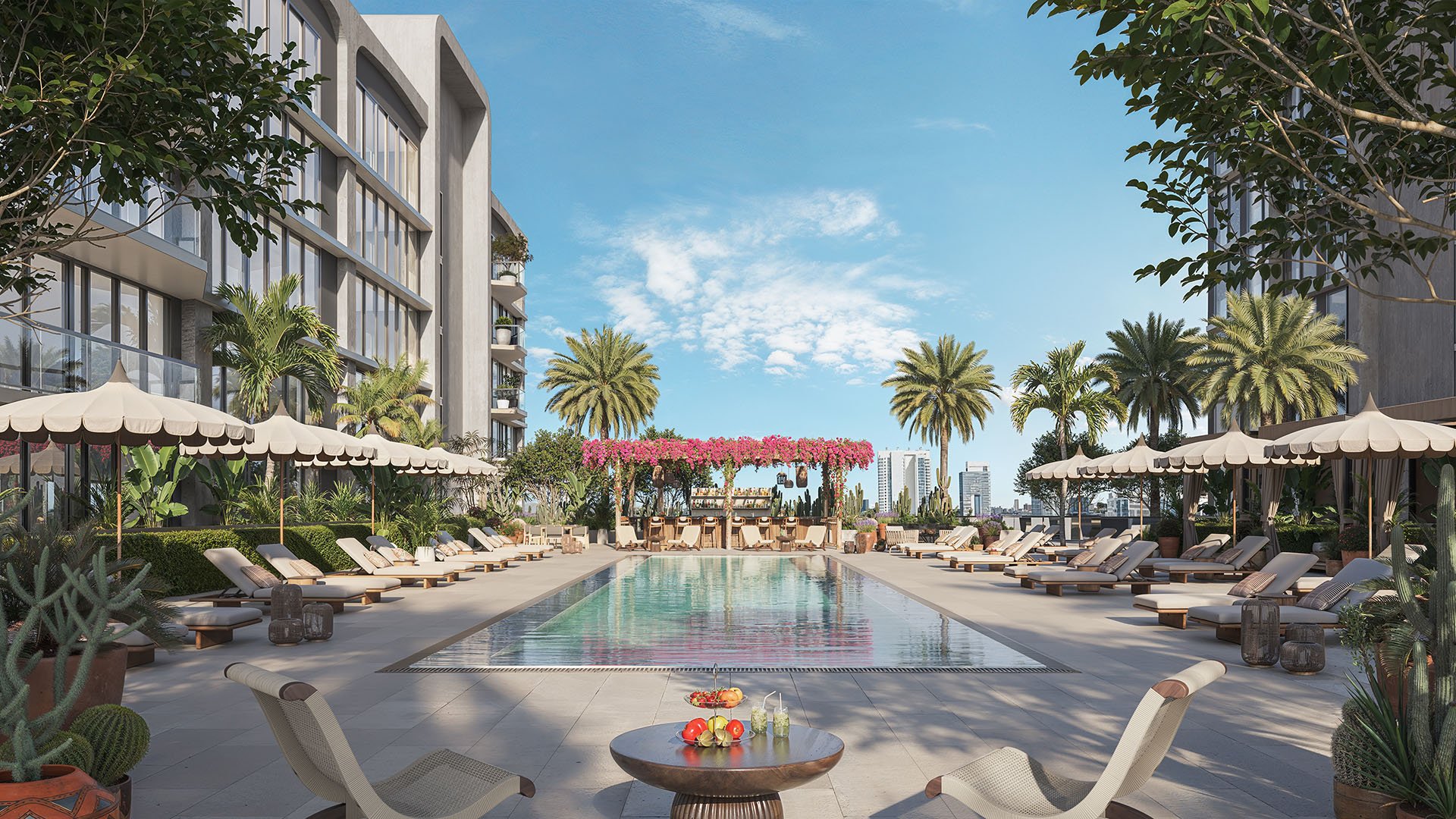
A rooftop can be valuable if it gives residents a graceful place to pause, swim, read, or receive friends. A coworking room can be useful if it is quiet, wired, and comfortable for a real call. A gym can be meaningful if it supports daily training rather than visual impact alone. In a neighborhood associated with creativity and movement, restraint can be the true luxury.
This is where nearby comparisons help. A buyer looking at Miami Design Residences Midtown Miami or Kempinski Residences Miami Design District is not only comparing locations. The deeper comparison is how each building organizes service, design, privacy, and convenience for an owner who expects the residence to work during every season of life.
Amenities attract attention, but the residence itself carries the long-term value. In a full-service tower, a serious buyer should begin with plan quality: entry sequence, ceiling feel, natural light, storage, kitchen placement, bedroom separation, outdoor space, and the relationship between entertaining and privacy. A unit that photographs well may not live well.
Wynwood buyers should be especially attentive to the balance between urban outlook and interior calm. Views matter, but so do acoustics, window systems, room depth, and the ability to furnish without compromise. A well-planned residence allows art, books, clothing, work, cooking, and hosting to coexist elegantly. That is what makes a purchase feel mature rather than impulsive.
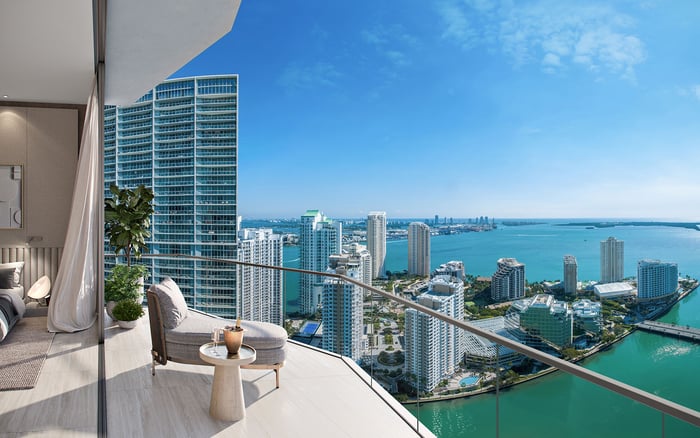
Outdoor space should also be judged carefully. A usable terrace is large enough and shaped well enough to serve a purpose. It should not be treated as a symbolic ledge. In Miami, the indoor-outdoor rhythm remains one of the core pleasures of ownership, but only when the architecture gives the owner a real outdoor room.
A full-service tower can remain desirable only if it is governed well. Buyers often focus on finishes and amenities, then underweight rules, reserves, maintenance culture, rental policy, and the tone of the association or building management. Over time, those details determine whether the property feels protected or diluted.
For long-term owners, building rules are not a nuisance. They are a value-preservation tool. Sensible rental parameters, clear pet policies, orderly move-in procedures, and consistent standards for common areas all support a more stable residential environment. The goal is not rigidity; it is predictability.
This is particularly relevant in urban neighborhoods where demand can come from several buyer types: primary residents, pied-a-terre owners, investors, and relocating professionals. A serious tower must accommodate flexibility without becoming transient in character. The best buildings understand that service and governance are inseparable.
Wynwood’s appeal is strongest when a buyer can use the neighborhood naturally, not only occasionally. For a full-service tower to work as a long-term purchase, the address should support everyday rituals: morning coffee, fitness, dining, errands, access to other parts of Miami, and a sense of connection without constant dependence on the car.
The buyer should also think beyond the immediate block. A Wynwood purchase often sits within a broader urban triangle that may include Midtown, the Design District, Edgewater, Downtown, and Brickell, depending on the owner’s lifestyle. That wider context matters because long-term value is often shaped by how easily the residence connects to work, culture, friends, schools, airports, marinas, and beaches.
For that reason, it is useful to compare Wynwood with adjacent urban options such as EDITION Edgewater, where the waterfront-adjacent lifestyle creates a different daily cadence, or 2200 Brickell, where the appeal is tied to a more established financial and residential core. The right answer is personal, but the comparison sharpens the buyer’s priorities.
The strongest Wynwood tower purchase will usually pass five tests. First, the building must make arrival feel controlled and private. Second, the residence must have a plan that will remain desirable even as finishes age. Third, amenities must be useful enough to justify their operating cost. Fourth, governance must protect the residential experience. Fifth, the location must support weekday life, not only social energy.
A buyer should also be honest about time horizon. If the intention is long-term ownership, trend should be secondary to durability. The best purchase is one that can adapt as the owner’s life changes: more remote work, more entertaining, a different family pattern, seasonal use, or eventual resale. In that sense, a full-service tower in Wynwood works when it behaves less like a concept and more like a well-run private address.
Is Wynwood appropriate for a long-term luxury condo purchase? It can be, provided the building offers strong service, privacy, governance, and a residence that functions well beyond the neighborhood’s immediate energy.
What matters most in a full-service Wynwood tower? The most important factors are arrival, staff quality, security, amenity usefulness, floor plan strength, and long-term building management.
Should buyers prioritize amenities or the actual residence? The residence should come first. Amenities enhance ownership, but the floor plan, light, storage, and privacy carry the daily value.
Are rental rules important for long-term value? Yes. Clear rental policies can help preserve the residential tone of the building and reduce the feeling of transient occupancy.
What makes a terrace valuable in Wynwood? A terrace is valuable when it is usable as an outdoor room, with enough depth and proportion for seating, dining, or quiet retreat.
How should buyers compare Wynwood with Brickell or Edgewater? Buyers should compare daily routines, commute patterns, privacy expectations, views, service style, and neighborhood rhythm rather than relying on image alone.
Is new construction always better for a long-term purchase? Not automatically. New construction can be appealing, but execution, governance, layout, and operating discipline are more important than newness alone.
What should investors watch most closely? Investors should look at rules, carrying costs, likely resident profile, unit usability, and whether the building can remain attractive over time.
Does a full-service tower need branded hospitality to feel luxurious? No. True luxury can come from discretion, consistency, privacy, and intelligent service rather than overt branding.
What is the simplest sign of a serious Wynwood tower? It feels calm, organized, and livable on an ordinary day, not just impressive during a first tour.
For a tailored shortlist and next-step guidance, connect with MILLION.
If branded residences are on your mind — as a home or as an allocation — we would be glad to share what we are seeing, privately.
Begin a quiet conversation