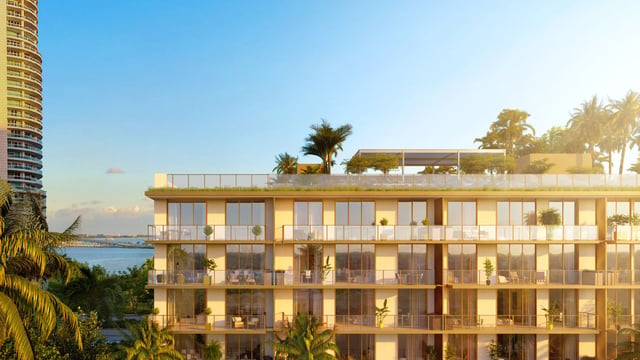
Trading Places: Why Some Wealthy Buyers Move from Condos to Mansions and Vice Versa
In 2026, South Florida’s affluent buyers are increasingly reassessing the classic luxury condo proposition. New structural and reserve requirements, tighter condo financing, and governance scrutiny have changed the math for certain buildings, while trophy single-family demand remains resilient. The result is a more fluid, two-way market: some owners exit condos for privacy and control, while others embrace hotel-served, lock-and-leave residences that deliver turnkey living without the operational burden of a large estate.

Owning a Historic Estate in Palm Beach: Charm, Prestige, and Renovation Challenges
Palm Beach’s most coveted addresses often come with something beyond acreage: architectural lineage. For the modern luxury buyer, that lineage can be an asset, a responsibility, and a set of rules that quietly shape timelines, design decisions, and long-term ownership costs. From Addison Mizner’s Mediterranean Revival influence to today’s preservation frameworks, historic ownership in Palm Beach and West Palm Beach rewards a certain kind of client: the one who values authenticity, plans proactively, and treats renovation as both design and diplomacy. This is the discreet playbook.

Post-Surfside Condo Safety: What Luxury Buyers Should Know About Inspections and Maintenance
After Surfside, Florida rewired condominium ownership with milestone inspections and Structural Integrity Reserve Studies (SIRS). For luxury buyers, diligence now means reading engineering scope, reserve logic, insurance structure, and assessment authority with the same care as views and finishes. This playbook explains the rules in plain English, highlights the documents that matter in a contract window, and frames how to price risk and opportunity in South Florida’s premium condo corridors.

Full-Floor Living: The Rise of Buying Entire Floors to Create Mega-Residences in Miami
South Florida’s luxury condo market is increasingly defined by scale: adjacent residences and full-floor purchases that are combined into singular “mega-homes” with the services, security, and lock-and-leave ease of premier towers. From Fisher Island to Surfside and Bal Harbour, ultra-high-net-worth buyers are treating vertical living like a bespoke build, shaping layouts early in construction or commissioning complex integrations after closing. The result is a new category of trophy property where privacy, discretion, and hospitality-level operations matter as much as square footage.

Myth vs. Reality: Debunking Common Myths About South Florida Luxury Real Estate
Miami’s luxury market gets labeled a bubble, yet its structure looks materially different from the leverage-led cycle many buyers remember. Today, cash-heavy closings, deeper ultra-luxury demand, and migration-driven fundamentals have become stabilizers. At the same time, ownership costs are shifting, especially for condos navigating milestone inspections, special assessments, and insurance complexity. For sophisticated buyers, the question is less “Is it a bubble?” and more “Where is risk hiding, and how do you price it?”

Pricing the Priceless: How Ultra-Luxury Homes Are Valued When Comparable Sales Don’t Exist
In South Florida’s uppermost tier, the “typical” appraisal playbook breaks down fast. When a home’s view corridor, waterfront orientation, architecture, provenance, and materials create a one-of-one asset, the sales comparison approach still matters, but it cannot do the job alone. A credible valuation becomes a disciplined synthesis: wider and older market evidence, bracketing to frame a range, cost logic as support, and careful disclosure of assumptions and limitations. For buyers, sellers, and lenders, understanding what changes in a no-comps scenario can prevent surprises and sharpen negotiation leverage.