Living in Surfside vs Bal Harbour: Low-Density Privacy vs Retail Grandeur
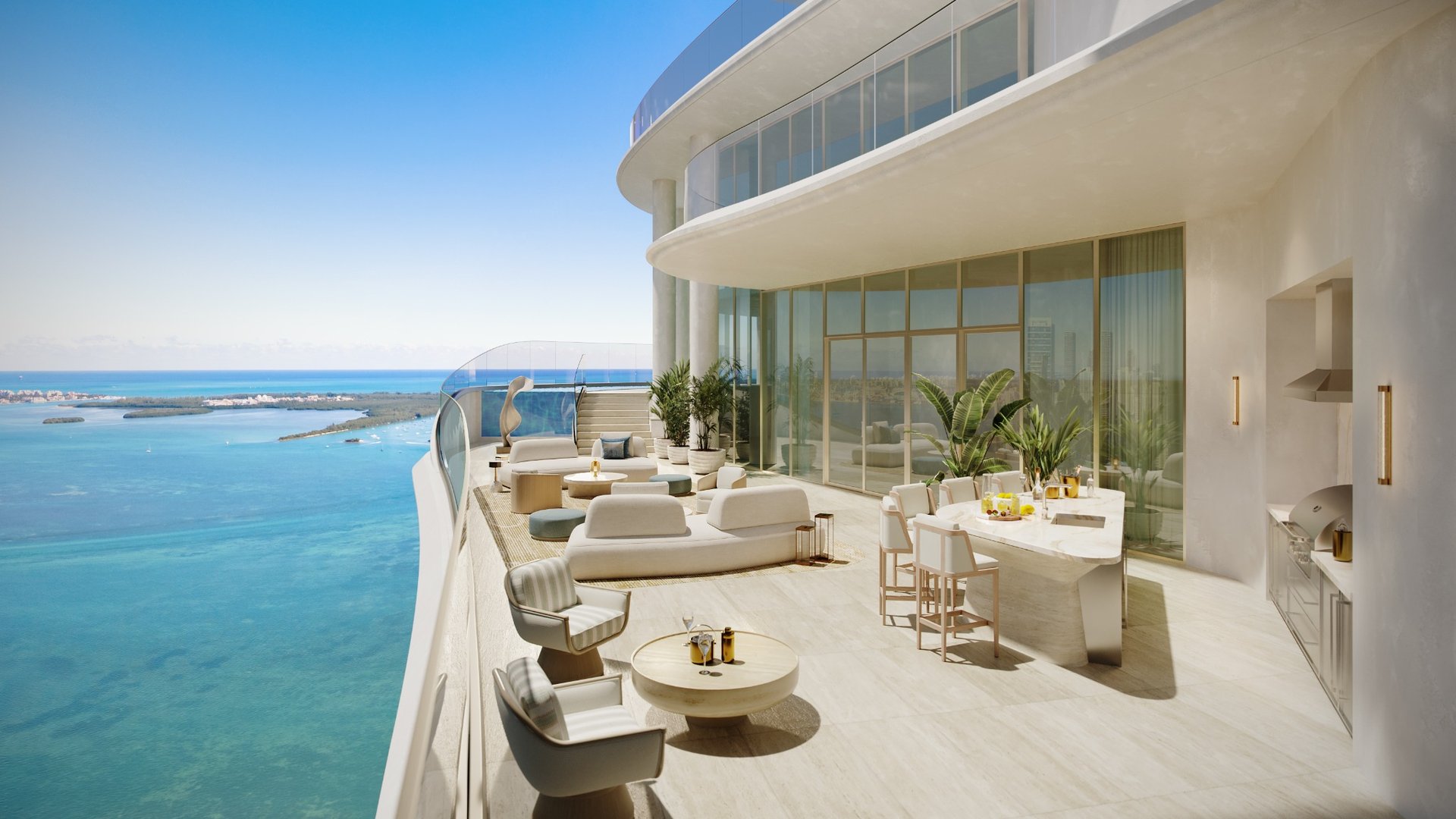
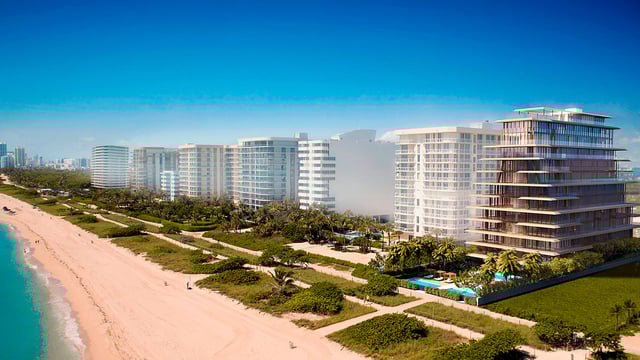
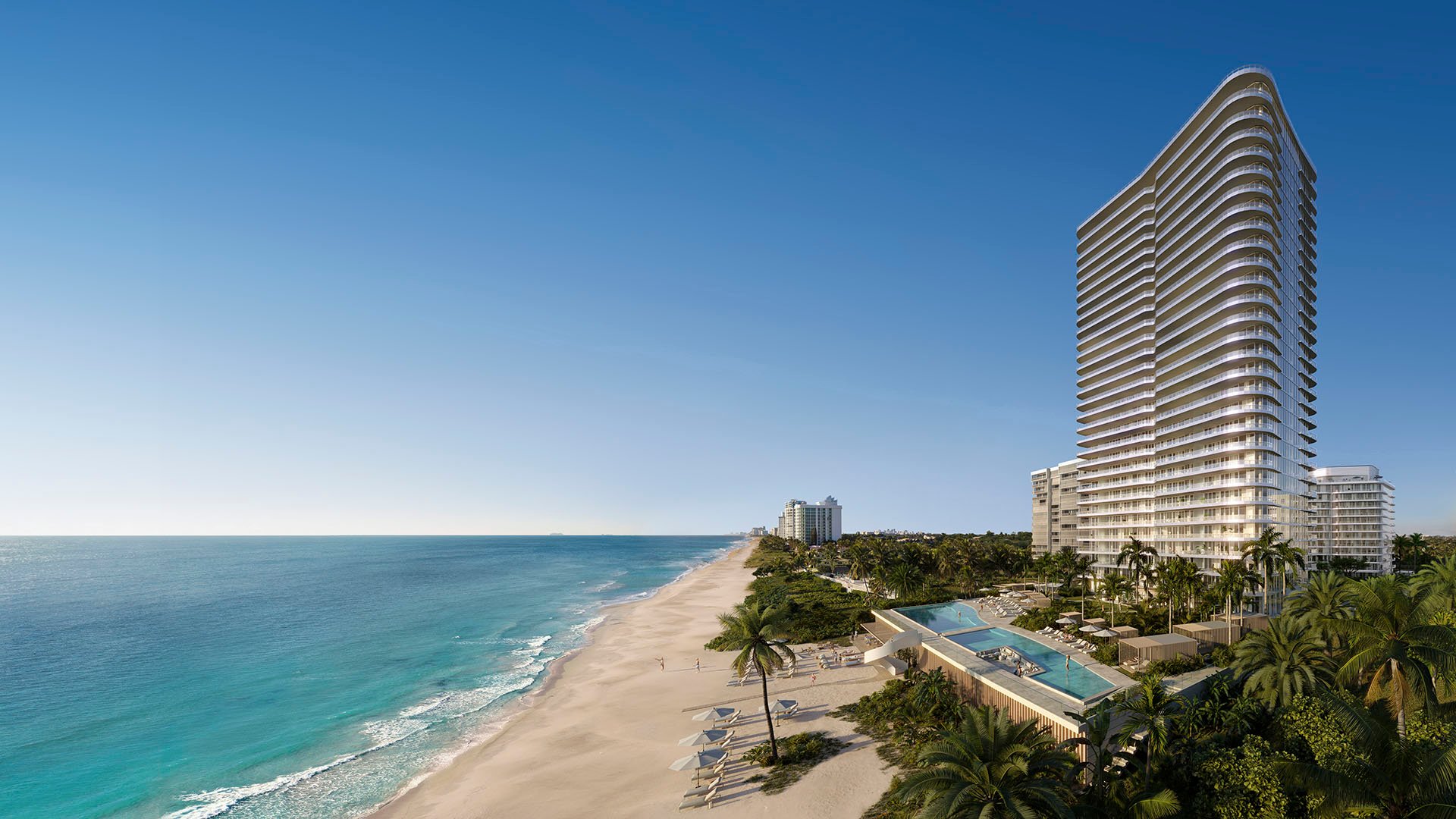
Surfside and Bal Harbour sit side by side on Miami Beach’s northern edge, yet they deliver two distinct versions of oceanfront luxury. Surfside favors quiet residential streets, an intimate shoreline, and a small-town cadence that appeals to buyers who prize discretion over spectacle. Bal Harbour, by contrast, layers beachfront living with a polished, international retail and hospitality atmosphere, where arriving home can feel like stepping into a curated resort district. For high-net-worth buyers, the decision is rarely about distance, but about daily texture: how often you want to be recognized, how quickly you want to disappear, and whether your neighborhood’s center of gravity is a tranquil beach walk or a high-design shopping promenade. This MILLION Luxury comparison outlines the lifestyle differences that matter most, from density and privacy to walkability, service expectations, and the long-term “feel” of each market.

The Reality of Sea Level Rise Mitigation in New Waterfront Construction
In South Florida, sea level rise has shifted from abstract climate discourse to a practical design constraint that touches everything from garage entries to mechanical rooms, landscaping, insurance, and long-term resale. For buyers evaluating new waterfront construction, the most valuable questions are rarely about whether a building is “resilient,” but how resilience is executed, maintained, and governed over decades. This MILLION Luxury editorial outlines what mitigation can realistically accomplish in new waterfront product, what it cannot, and how to read a development’s design decisions with an owner’s eye. The goal is not alarmism. It is clarity: understanding where engineering ends and stewardship begins, and why the most future-ready waterfront homes pair elevated, hardened infrastructure with disciplined operations and conservative expectations.

Evaluating the Impact of Neighborhood Walk Scores on Long-Term Value
Walkability is no longer a lifestyle footnote in South Florida; for many buyers it is a proxy for how a neighborhood will age, densify, and hold its premium. But “Walk Score” style metrics can be misunderstood at the luxury tier, where discretion, privacy, and a curated daily loop often matter more than sheer retail density. The right approach is to treat walkability as a risk filter and a value amplifier, then verify it on the ground: shade, crossings, noise, and the quality of the walkable destinations.

How to Navigate Appraisal Gaps in the South Florida Trophy Market
In South Florida’s trophy tier, appraisal is often less a verdict than a negotiation tool. When a contract price outruns the appraised value, the “gap” can threaten timelines, leverage, and privacy unless it is anticipated and structured for. This MILLION Luxury guide explains why gaps happen more frequently at the top end, how they impact financing and renegotiation, and which contract and underwriting strategies help sophisticated buyers close cleanly without overexposing cash or conceding unnecessary terms.

The Impact of Rising Insurance Premiums on High-Net-Worth Buyers
Rising insurance premiums are reshaping how affluent buyers underwrite South Florida real estate, influencing everything from offer strategy to product preference. For high-net-worth purchasers, the issue is rarely affordability; it is about friction, predictability, and the long-term optics of carrying costs across a portfolio.

Assessing EV Charging Infrastructure and Private Garages at The Delmore Surfside
A buyer-oriented look at what EV readiness and private parking typically mean for day-to-day living at a Surfside trophy address, with practical questions to ask before you sign.