Surfside and Bal Harbour sit side by side on Miami Beach’s northern edge, yet they deliver two distinct versions of oceanfront luxury. Surfside favors quiet residential streets, an intimate shoreline, and a small-town cadence that appeals to buyers who prize discretion over spectacle. Bal Harbour, by contrast, layers beachfront living with a polished, international retail and hospitality atmosphere, where arriving home can feel like stepping into a curated resort district. For high-net-worth buyers, the decision is rarely about distance, but about daily texture: how often you want to be recognized, how quickly you want to disappear, and whether your neighborhood’s center of gravity is a tranquil beach walk or a high-design shopping promenade. This MILLION Luxury comparison outlines the lifestyle differences that matter most, from density and privacy to walkability, service expectations, and the long-term “feel” of each market.
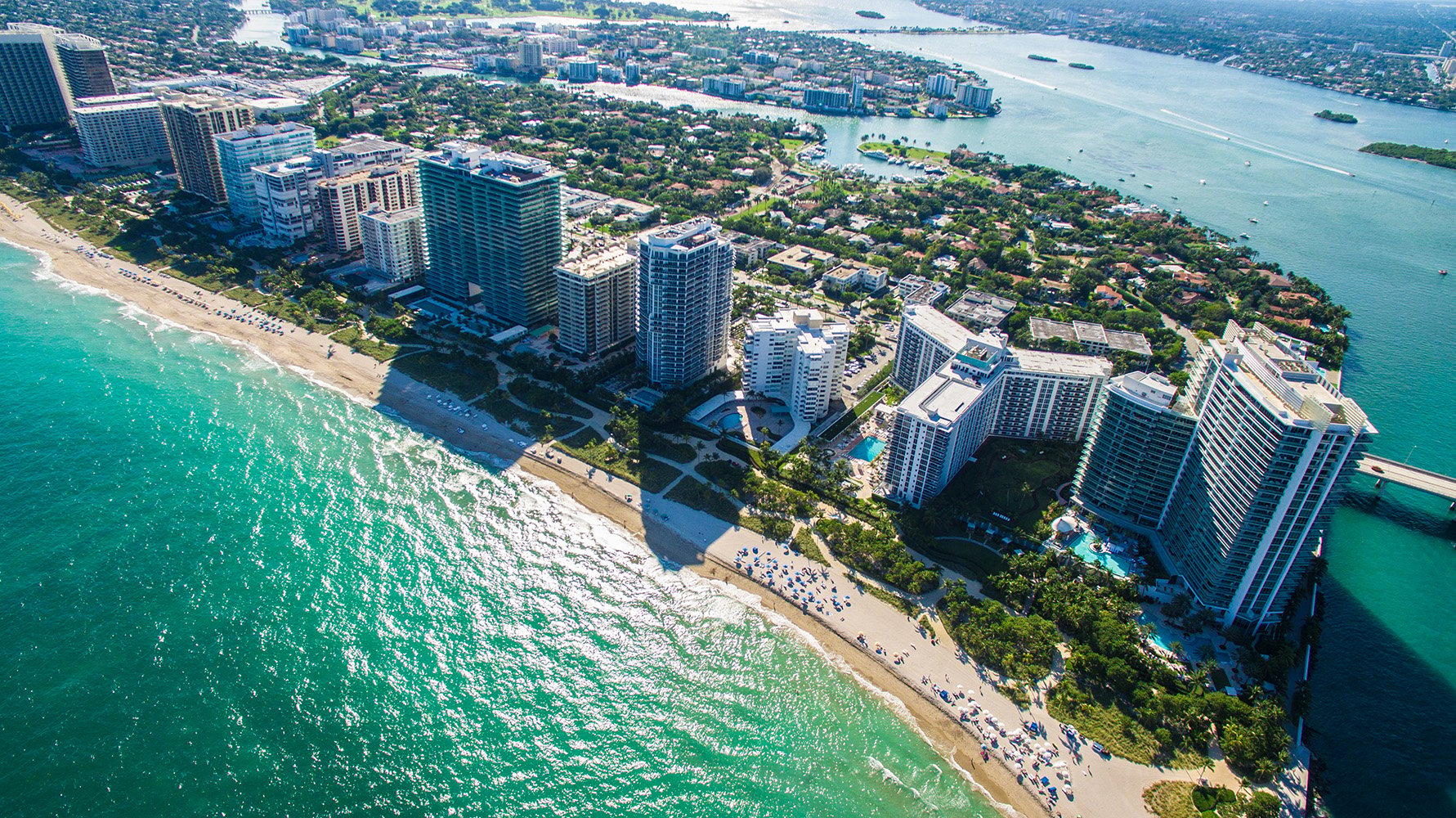
Surfside and Bal Harbour share the same slim oceanfront footprint, yet they operate on different social contracts. Surfside is intentionally residential: fewer cues of nightlife, a softer street rhythm, and a sense that home is the centerpiece-everything else orbits around it. Bal Harbour, by contrast, feels hospitality-forward and deliberately composed, where the public realm is part of the allure and the neighborhood’s identity is shaped by a refined, international visitor presence.
For luxury buyers, the difference is immediately practical. In Surfside, anonymity comes easily; it’s simple to settle into a low-profile routine. In Bal Harbour, visibility isn’t required, but it’s more readily available. If you prefer an address where elevated dining, shopping, and resort-level polish sit within your daily radius, Bal Harbour aligns naturally.
Privacy isn’t only about gates and security-it’s also about how often you cross paths with others and how consistent your day-to-day surroundings feel. Surfside’s edge is its low-density breathing room, the kind of place where an early walk can feel like a personal ritual instead of a shared event.
Bal Harbour’s privacy tends to be more managed than incidental. Discretion is supported by service culture and established luxury norms, but the public realm is generally more active and visibly polished. If your ideal is a quiet block where neighbors recognize your dog before they recognize you, Surfside holds the natural advantage. If your ideal is arriving to a lobby where your preferences are anticipated and the outside world feels curated, Bal Harbour can read as the more complete luxury ecosystem.
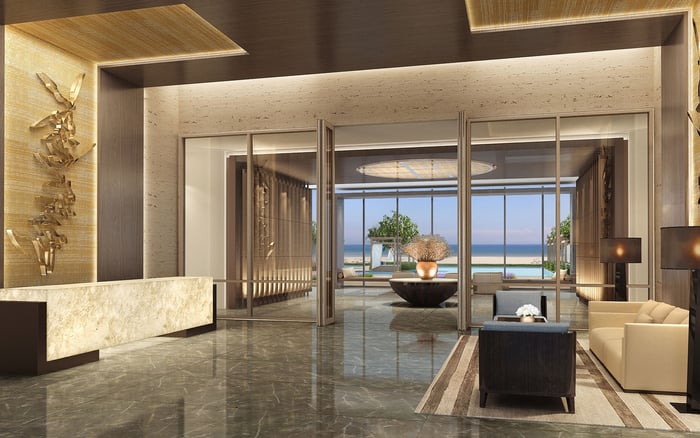
In either location, buyers seeking boutique scale and a less crowded building experience often gravitate toward new, or newer-feeling, inventory with intentional amenity design. In Surfside, Ocean House Surfside is frequently discussed in that context as a way to pair ocean adjacency with a private, residential tone.
Both towns are organized around the ocean. The difference is how the beach integrates into daily life. In Surfside, the shoreline tends to feel local and routine-driven-well suited to owners who treat the beach as a daily extension of home. In Bal Harbour, the oceanfront experience often reads as more destination-oriented, even for residents. The setting lends itself to lounging, hosting, and leisure that pairs naturally with a resort-grade environment.
If your priority is an unhurried, early-morning beach rhythm followed by a quiet return home, Surfside delivers. If you like the idea that a beach day can move seamlessly into an upscale lunch, a retail stop, and a polished evening-without leaving the neighborhood-Bal Harbour is built for that.
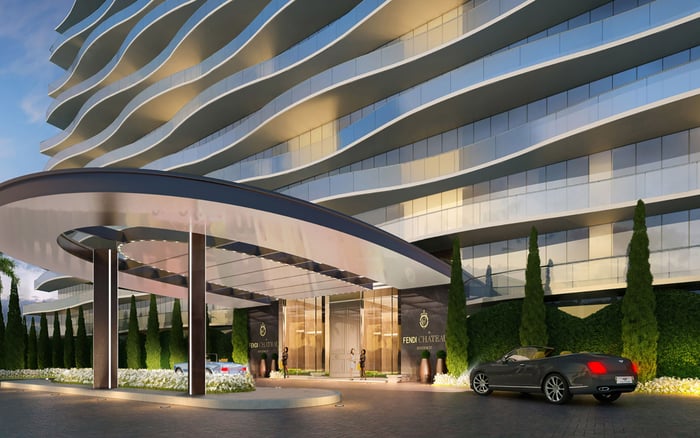
For buyers who want Surfside’s quiet prestige with a branded, design-forward point of view, Fendi Château Residences Surfside is one of the names that regularly comes up in conversations about modern oceanfront living with a strong sense of identity.
Bal Harbour’s defining advantage is that retail and lifestyle sit at the center of the neighborhood’s gravity. Even if you rarely shop, you may value what a luxury retail district brings to everyday life: an immaculate streetscape, elevated dining expectations, and a steady cadence of high-touch service.
Surfside can feel like a deliberate retreat from that intensity. Dining and shopping remain close, but they don’t dominate the neighborhood’s self-image. The lifestyle reads more private and residential-and that, in itself, can be the luxury. Practically, this influences how often you entertain outside the home, how far you’re willing to go for a “special” evening, and whether you want your neighborhood to feel like a sanctuary or a stage.
For those who want Bal Harbour’s prestige paired with a newer residential narrative, Rivage Bal Harbour is a relevant reference point in the area’s current luxury conversation.
Surfside tends to attract buyers who prioritize calm, privacy, and a home that protects time. The aesthetic often leans clean, modern, and boutique, with a premium on quiet finishes and controlled common areas. Bal Harbour often draws buyers who enjoy a more internationally recognizable luxury environment, where arrivals, amenities, and service are part of the lifestyle story.
This isn’t absolute. Many Bal Harbour residents live quietly, and many Surfside residents maintain active social calendars. The difference is what each neighborhood makes effortless. Surfside makes it easy to opt out; Bal Harbour makes it easy to opt in.
Surfside’s modern luxury identity is also shaped by statements like Arte Surfside, where design-forward living is positioned as intimate and highly curated rather than high-volume.
For many ultra-premium buyers, the real question isn’t whether something is close-it’s whether it’s frictionless. Surfside and Bal Harbour both offer proximity to Miami Beach and the broader Miami orbit, but they differ in how quickly the neighborhood itself shifts from private to public.
Surfside tends to feel like you’re “home” sooner. Streets are quieter, and the atmosphere moves away from commercial energy. Bal Harbour, because of its retail-resort identity, can feel as though the public realm stays present deeper into the day. If your schedule involves frequent arrivals and departures and you prefer minimal interaction, Surfside may feel more naturally aligned. If your routine includes lunch meetings, polished social settings, or a preference for doing more without leaving the immediate area, Bal Harbour has the edge.
With limited verified quantitative data provided here, the most useful lens is qualitative: you’re buying a lifestyle thesis.
Surfside’s thesis is low-density privacy. Its long-term appeal rests on remaining a refuge that still feels connected to Miami’s cultural center of gravity. That kind of quiet prestige can be durable-especially for second-home buyers, or anyone who uses Miami as a seasonal base and wants a home environment that simplifies life.
Bal Harbour’s thesis is integrated luxury. The draw is a complete, polished ecosystem where the neighborhood carries global recognition and a strong service orientation. For some owners, that supports long-term value by delivering an effortless lifestyle and a consistently elevated experience, even as broader market cycles shift.
In short: Surfside can feel like an insider’s choice. Bal Harbour can feel like a flagship address.
Choose Surfside if:
You want a neighborhood anchored in residential calm, where quiet is the default. You prefer understated routines, value discretion, and like the idea that your best amenity is the ability to disappear.
Choose Bal Harbour if:
You want the convenience and polish of a luxury district, where retail, dining, and resort sensibilities are part of everyday life. You like a setting that feels curated and international, with a higher likelihood that the outside world remains elegantly present.
Is Surfside generally quieter than Bal Harbour? Yes. Surfside’s daily rhythm tends to read more residential and low-key.
Does Bal Harbour feel more like a resort environment? Often, yes. The neighborhood’s luxury retail and hospitality energy shapes the overall vibe.
Which is better for buyers who value privacy most? Surfside typically fits privacy-first buyers who prefer fewer public distractions.
Which area is more walkable for shopping and dining? Bal Harbour usually delivers a more immediate, high-end walk-to experience.
Are there boutique luxury condo options in Surfside? Yes. Buildings like Ocean House Surfside reflect that boutique, residential tone.
Are branded, design-forward residences part of Surfside’s appeal? Yes. Examples like Fendi Château Residences Surfside and Arte Surfside are part of the conversation.
Is new luxury development relevant in Bal Harbour today? Yes. Rivage Bal Harbour is one current reference point.
Which neighborhood is better for a second home? Both can work, but Surfside often appeals to buyers who want a quieter, reset-focused base.
Which neighborhood is better for entertaining out of the house? Bal Harbour tends to make that easier thanks to its polished, amenity-rich environment.
Can you live in one and enjoy the other easily? Yes. They’re adjacent, so residents commonly move between them for different needs.
If you'd like a private walkthrough and a curated shortlist, connect with MILLION Luxury.
If branded residences are on your mind — as a home or as an allocation — we would be glad to share what we are seeing, privately.
Begin a quiet conversation