A buyer-oriented look at what EV readiness and private parking typically mean for day-to-day living at a Surfside trophy address, with practical questions to ask before you sign.
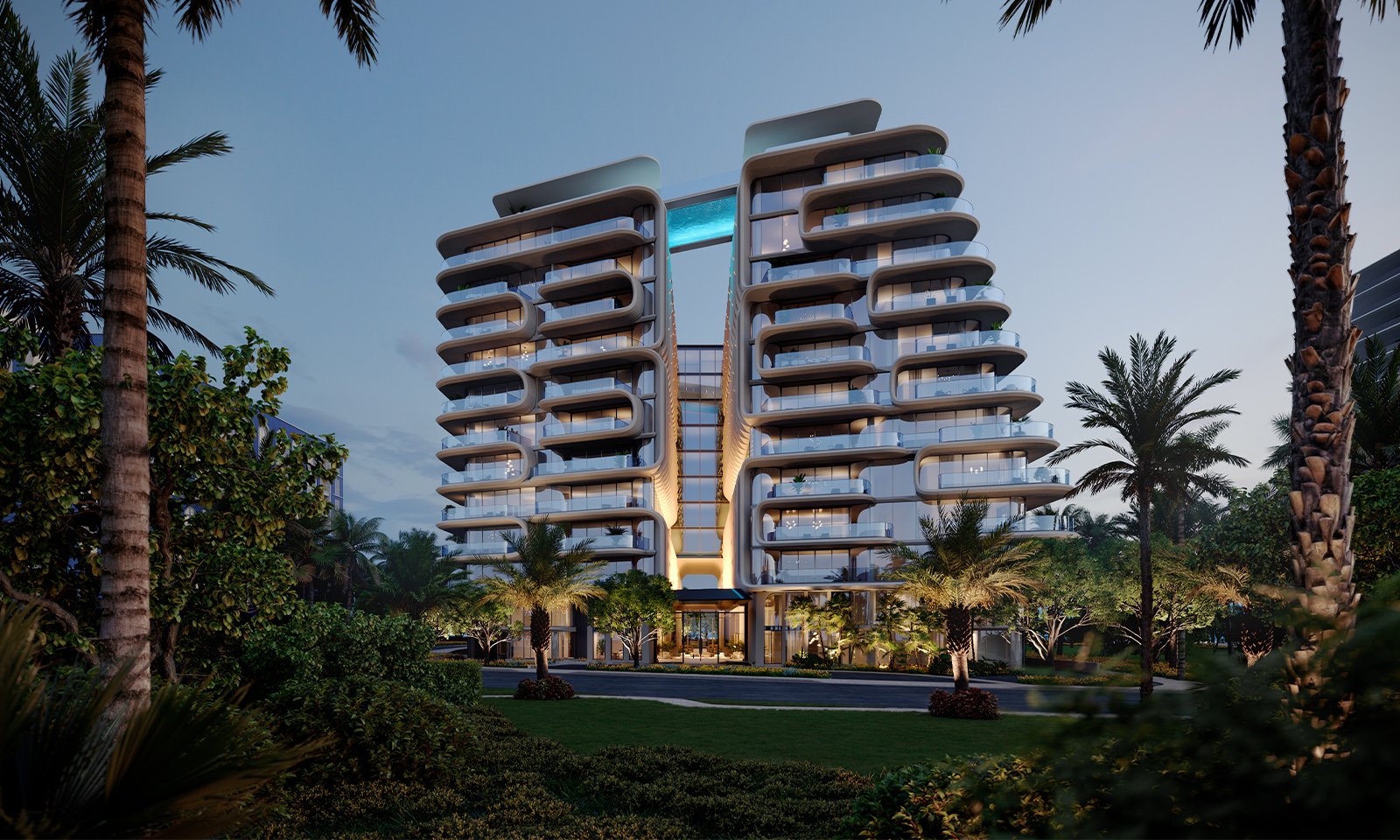
In 2026, “parking included” is no longer a throwaway line for South Florida’s top-tier buyers. In a market defined by discretion, security, and frictionless arrivals, the garage has become an extension of the residence-and EV charging has shifted from perk to expectation.
That shift is especially pronounced in Surfside, where the lifestyle leans toward walkability, privacy, and easy access to the broader Miami Beach corridor. For a buyer evaluating The Delmore Surfside, the key question isn’t simply whether the building “has chargers.” It’s whether the electrical design, parking configuration, and management rules will keep charging genuinely convenient for the next decade-while preserving the calm, controlled feel that defines ultra-premium ownership.
Because EV and garage specifications can vary by residence type and may evolve through pre-construction and delivery, this assessment focuses on what sophisticated buyers should verify, how to interpret what you’re told, and which details tend to matter most at resale.
“EV-ready” is one of the most overused phrases in new development. In practice, it can describe anything from a conduit stubbed to a parking space to a fully installed Level 2 charger with dedicated metering and management support.
For an ultra-luxury buyer, the baseline is simple: the ability to install and use Level 2 charging with the same ease as plugging in a phone. That typically comes down to five points:
Ask how charging load is planned across the garage, and whether capacity is reserved per residence, per space, or shared.
Even if a charger isn’t installed at delivery, you want a clear pathway to a standard 240V Level 2 setup-plus the ability to choose reputable hardware rather than being locked into a single vendor.
The most owner-friendly solutions offer direct metering to the residence or a transparent submetering program that’s easy to audit.
Some buildings restrict installation timing, contractor access, or charger appearance. Rules can be reasonable-but they should be consistent, predictable, and aligned with luxury service.
Charging needs can increase over time. The strongest buildings plan for that reality by designing for expandability, not a one-and-done install.
None of this requires theatrics. It requires documentation. If you’re told “it can be done,” your job is to translate that into written scope: what’s included, what’s optional, who pays, and how approvals work.
A private garage isn’t only about parking. It’s about control-and what that control feels like: a calmer arrival sequence, less exposure in common areas, and a routine that doesn’t depend on valet queues or shared-space congestion.
At this tier, private garages also shape how owners actually live. A secure, private environment makes it easier to keep beach gear, a stroller, sports equipment, or seasonal items close at hand-without turning the residence into a staging area. That matters even more for second-home owners who want the home to feel “reset” each time they arrive.
From a security standpoint, evaluate the garage the way you evaluate the lobby: layered access, monitored entry points, and a management culture that treats parking as a core part of the resident experience-not an afterthought.
Private garages and EV charging also work best together. A private environment often streamlines approvals, reduces friction around shared infrastructure, and creates a natural location for a dedicated charger.
Treat EV charging and garage terms like any other material feature. The strongest approach is a short, precise set of requests-made early enough that the answers can shape your contract and any design selections.
Ask for:
Confirm whether spaces are deeded, assigned, or licensed-and whether parking transfers with the residence at resale.
Review the process for requesting installation, expected timelines, any approved equipment list, and standard costs.
Is the charger owner property? Is it maintained by the association? Are there ongoing software fees?
If a load-sharing system is used, ask how it prioritizes charging, whether it throttles at peak times, and what happens as utilization rises.
Confirm whether you can use your preferred electrician or whether the building requires a designated vendor.
Well-run luxury buildings tend to be crisp here. Vagueness isn’t automatically a deal-breaker-but it is a prompt to build stronger protections into your agreement.
Ultra-premium buyers often focus on architecture and amenities, then discover that daily life is shaped by smaller operational details. EV charging and private garages are exactly that type of detail.
Use a simple “arrival to outlet” test:
How many steps from car to elevator-and how private is that path?
Is there a clear, practical place to plug in without repositioning the vehicle?
If you return late, is the lighting flattering and the environment quiet?
If you host a driver or house manager, is access structured without becoming burdensome?
This is also where comparisons help. In the broader Surfside and Bal Harbour orbit, parking and arrival experiences vary widely by building era and design philosophy. For example, buyers considering established coastal product may weigh the entry sequence and back-of-house logistics at Ocean House Surfside, while also looking at newer, design-forward options nearby like Arte Surfside. The goal isn’t to declare a winner-it’s to define what “effortless” means for you.
EV adoption trends and luxury buyer expectations point to charging convenience becoming what air conditioning became in earlier decades: not an “upgrade,” but baseline. As that baseline tightens, value will increasingly accrue to buildings that deliver three things:
Buyers pay more for a known, documented setup.
Systems that can absorb rising utilization without drama.
Clear rules, transparent billing, and minimal friction.
Private garages can amplify that value. They tend to present well in photos, read well to buyers, and remove lifestyle objections that can slow a transaction.
If you plan to hold long-term, consider how association governance may evolve. A building with a well-defined EV policy today is better positioned to manage future requests-additional chargers, faster charging preferences, and updated safety standards. In practice, that governance maturity can matter as much as hardware.
Surfside attracts a specific buyer: someone who wants beachfront proximity without the constant intensity of larger resort zones-and who values discretion as a lifestyle feature. That buyer often keeps a vehicle even when daily errands are walkable, because mobility in South Florida still rewards flexibility.
As you compare submarkets, pay attention to what EV infrastructure and parking design signal about a building’s intended audience. In Miami Beach proper, the conversation can lean toward valet-heavy experiences and higher turnover in certain pockets, while trophy residential product tends to prioritize owner control. For those cross-shopping south, it can be useful to contrast the parking culture at The Perigon Miami Beach with what you want in Surfside.
Similarly, in Brickell, the luxury equation often emphasizes vertical living, high-touch services, and tech-forward features. Buyers who split time between a coastal home and an urban base may evaluate how EV readiness is presented in buildings like 2200 Brickell-then bring those expectations back to Surfside when deciding what should be standard.
The takeaway: EV charging is no longer a niche request, and private garages are no longer purely about convenience. In Surfside, they’re part of the brand of living.
When you’re evaluating The Delmore Surfside specifically, keep the tone of your due diligence calm and exact. The goal is to remove ambiguity.
Focus on these deal-critical items:
Deeded versus assigned, and transferability.
Conduit, panel capacity, and a defined pathway to Level 2.
Metered to your residence or submetered with a clear tariff.
Who signs off, the expected timeline, and contractor rules.
Policies that keep shared areas orderly and quiet.
When the answers are strong, the payoff is a real lifestyle advantage-the kind you feel every time you come home.
Does The Delmore Surfside include EV charging for every residence? Confirm the exact inclusion in your purchase documents, as EV provisions can vary by residence and parking assignment.
What is the ideal charging setup for a luxury condo garage? A dedicated Level 2 connection with clear metering and an association policy that supports maintenance and upgrades.
Is a private garage better than valet parking for EV owners? Often yes, because it reduces reliance on third-party handling and makes nightly charging routine and predictable.
Can an association limit which chargers owners install? Yes. Many do for safety and aesthetics; the key is whether the approved options meet your needs.
How do buildings usually bill for electricity used by EV chargers? Best practice is direct metering or transparent submetering so costs track actual usage.
Will load-sharing make charging slower? It can during peak periods. Ask how the system allocates power as more residents charge simultaneously.
What should I ask about parking transfer at resale? Verify whether parking rights transfer automatically with the unit and whether any EV equipment conveys.
Are EV chargers considered owner property or association property? It depends on the building. Ensure ownership, maintenance, and replacement responsibilities are written.
Does EV readiness affect resale value in Surfside? Increasingly, yes. Buyers tend to reward homes with clear, convenient charging and secure parking.
What is the simplest way to protect myself during purchase? Put parking and EV charging terms in writing, including costs, timing, and the approval process.
For a discreet conversation and a curated building-by-building shortlist, connect with MILLION Luxury.
If branded residences are on your mind — as a home or as an allocation — we would be glad to share what we are seeing, privately.
Begin a quiet conversation