The Impact Of Autonomous Vehicle Charging Infrastructure On Luxury Condominium Value
Autonomous vehicles are not yet a default reality in South Florida luxury living, but the supporting ecosystem is already influencing how sophisticated buyers assess condominium value. The most durable premium is likely to accrue to buildings that treat charging, curb management, and power capacity as core infrastructure, rather than as a cosmetic amenity. For developers and associations, the decision is less about predicting a single technology winner and more about underwriting flexibility: electrical headroom, conduit pathways, software-ready metering, and a garage and drop-off that can evolve from valet-driven to self-parking and, eventually, self-charging. For owners, the question becomes whether the building’s physical plant can keep pace without disruptive special assessments. Below, MILLION Luxury outlines the value drivers, the risk factors, and the design and governance signals that tend to separate future-forward residences from buildings that will have to retrofit under pressure.
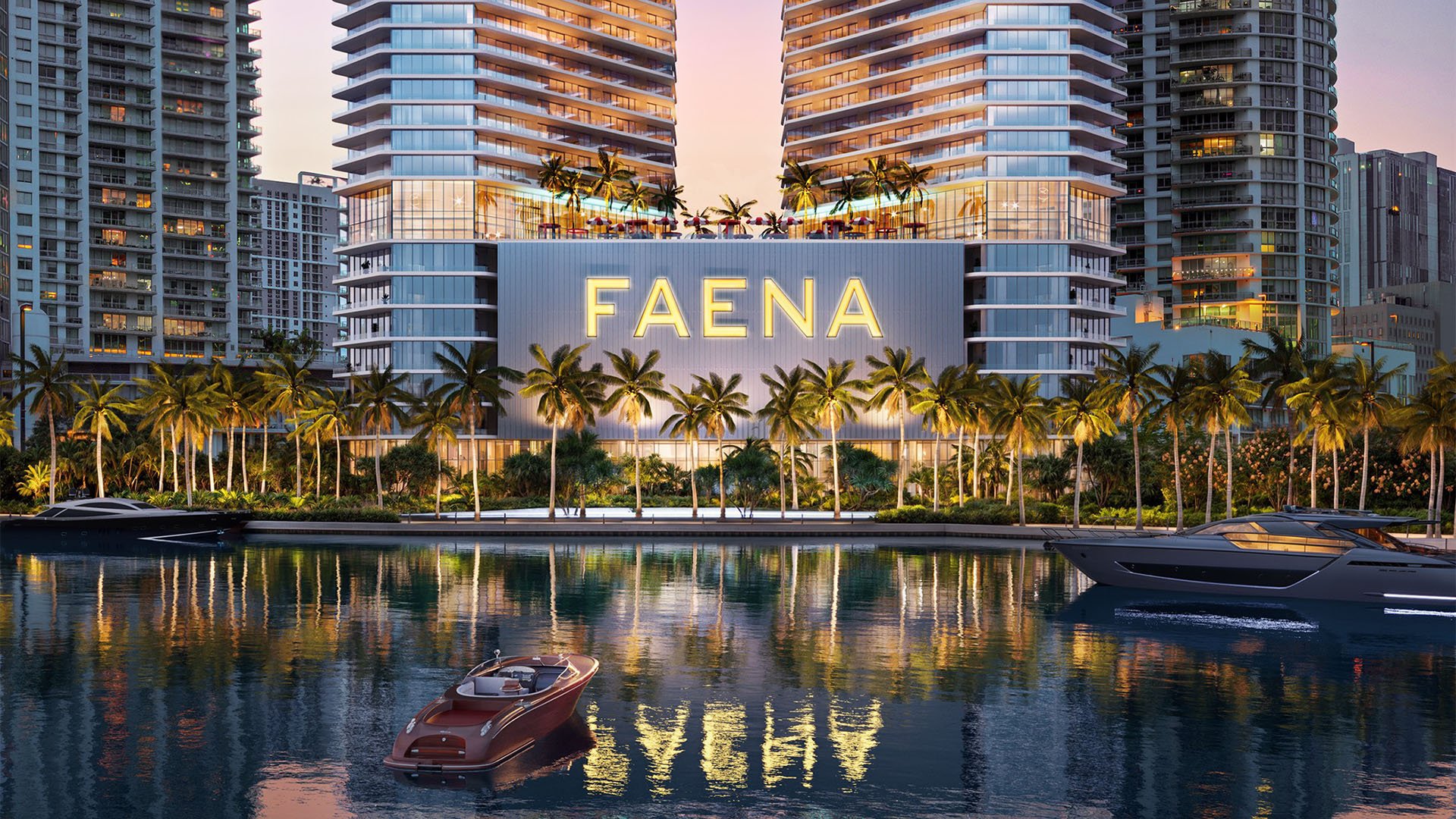
Evaluating The Appeal Of Ground Floor Retail Integration In Downtown Miami High Rises
Ground-floor retail is no longer a simple convenience in Downtown Miami towers; it is a value driver that shapes arrival, privacy, walkability, and long-term resilience. This MILLION Luxury editorial evaluates when retail enhances a residential experience, when it compromises it, and what sophisticated buyers should underwrite before committing capital.
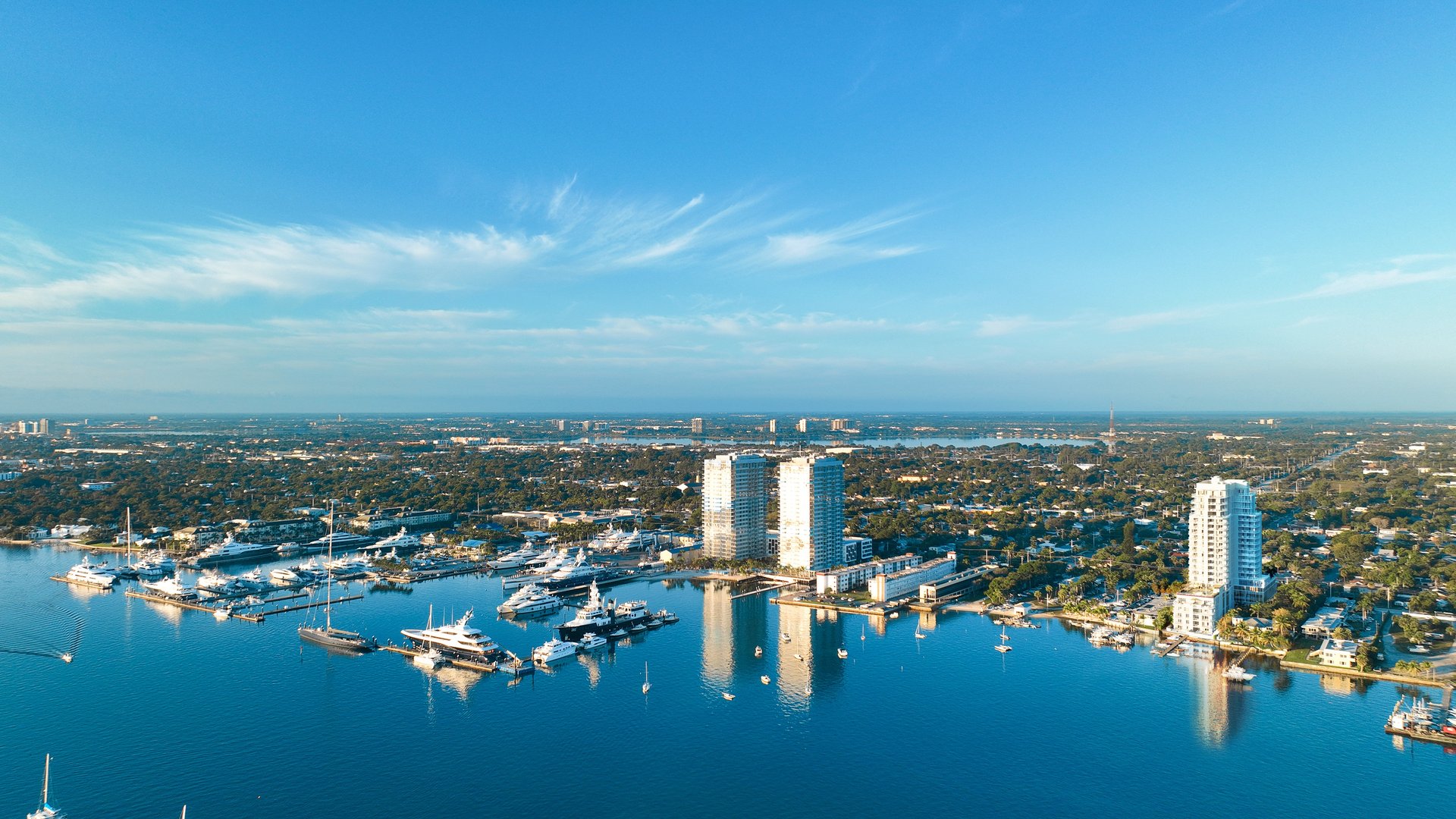
Evaluating The Intracoastal Sunrise Vistas At Alba West Palm Beach Against Forté on Flagler West Palm Beach
For buyers shopping new-construction waterfront living in West Palm Beach, the most meaningful comparison is not marketing language, but morning light, view corridors, and daily circulation from elevator to shoreline. This MILLION Luxury editorial evaluates the Intracoastal-facing sunrise experience at Alba West Palm Beach versus Forté on Flagler, with a focus on orientation, privacy, arrival, and lifestyle fit. Because publicly disclosed specifics in the provided materials are limited, this analysis stays buyer-oriented and grounded in what can be observed and underwritten without assuming floor counts, unit mixes, or amenity inventories. The goal is simple: help you choose the building whose sunrise, water relationship, and neighborhood rhythm matches how you actually live.
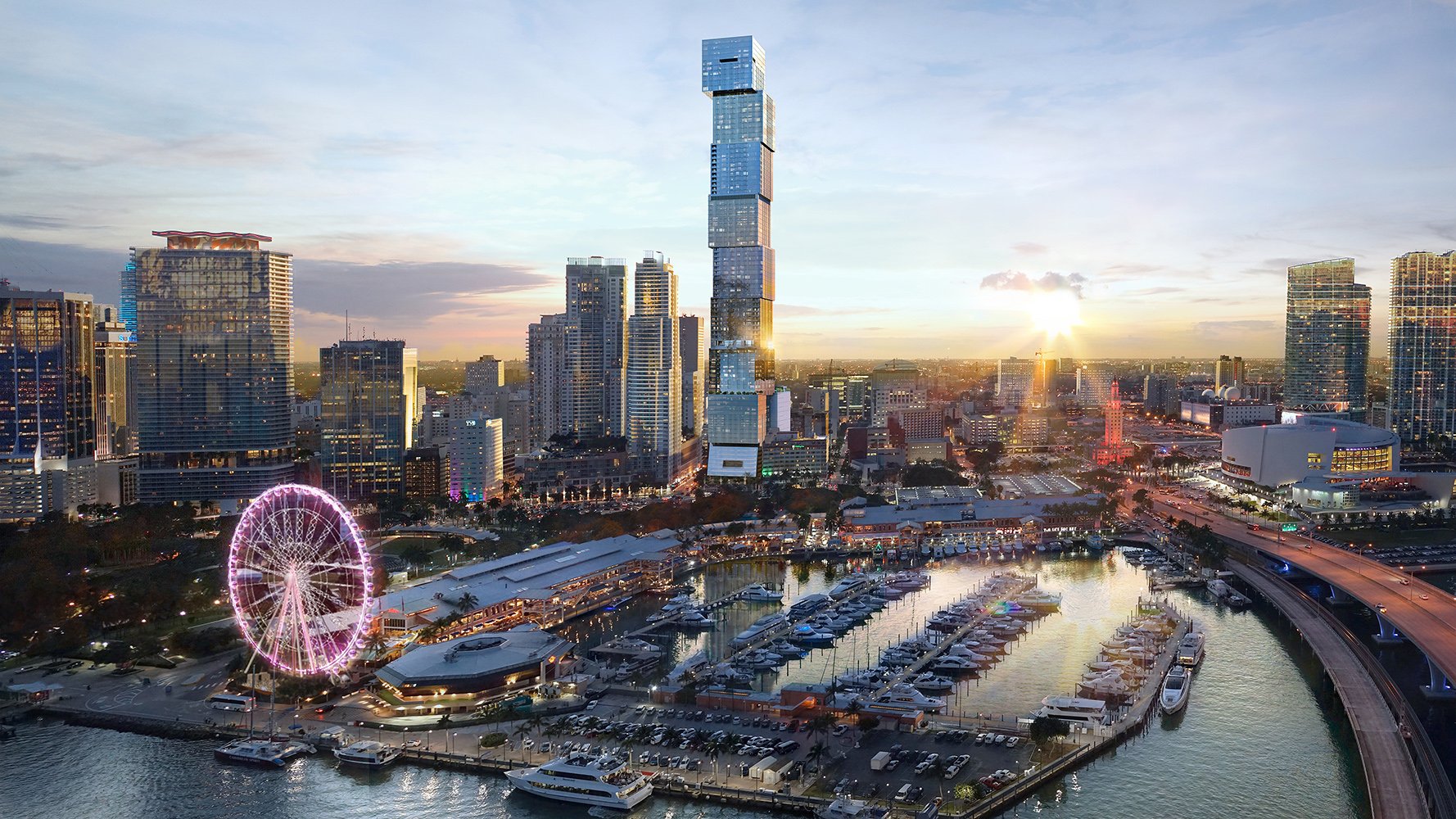
Mega-Tower Living: Pros and Cons of Residing in Miami’s Tallest Luxury Buildings
A buyer-oriented playbook for evaluating South Florida’s newest luxury high-rises, from branded mega-towers to boutique coastal buildings, with a focus on costs, engineering, governance, and everyday livability.
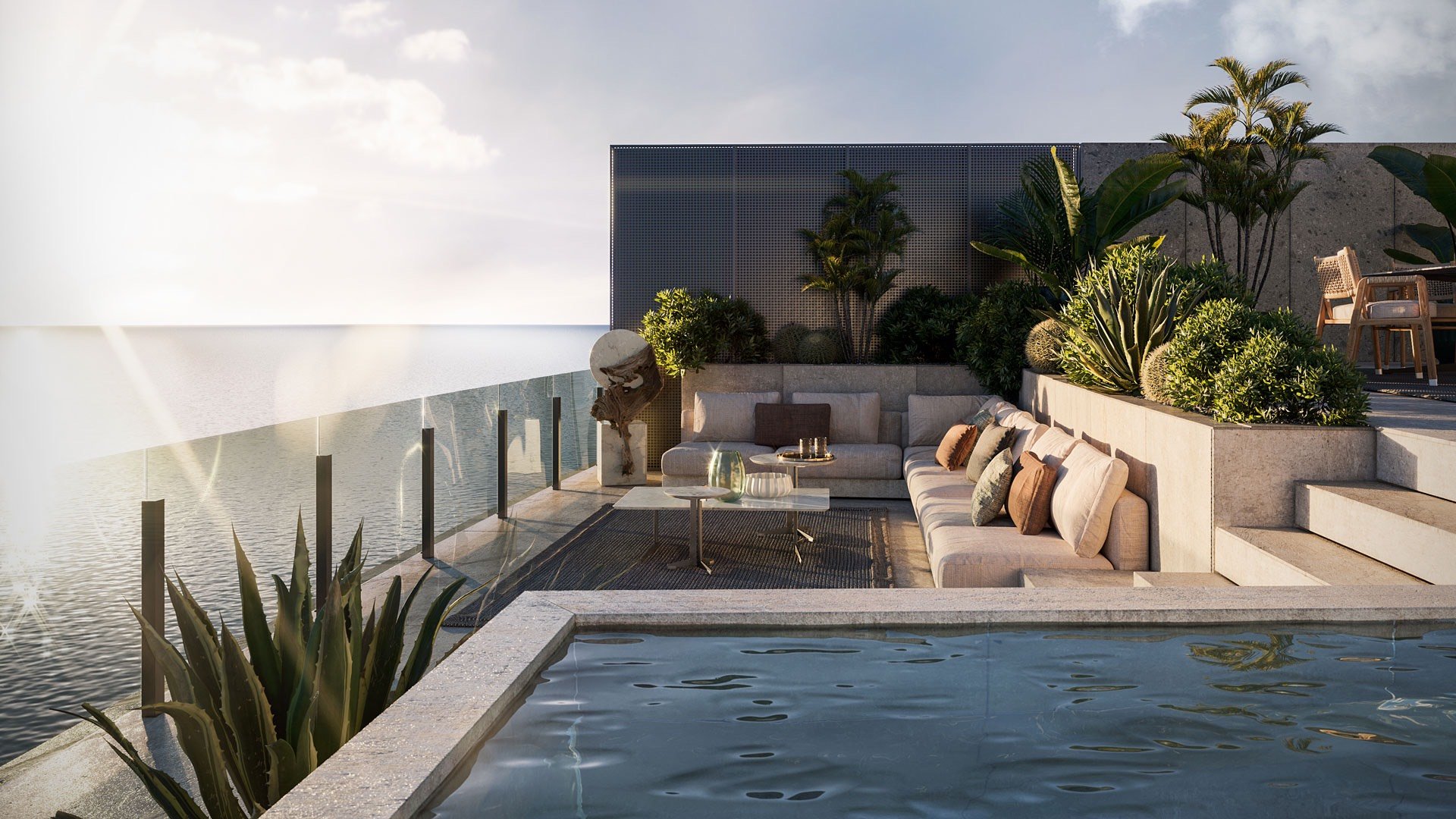
Ultra-Modern vs. Classic: Do Contemporary Upgrades or Timeless Features Add More Value?
In South Florida luxury real estate, the most defensible value is rarely about spectacle. It is about scarcity, integrity, and upgrades that strengthen livability without narrowing the future buyer pool. Historic character can command a meaningful premium, while smart, storm-minded improvements and timeless finishes often outperform flashy, highly personalized spending. This guide outlines where ROI tends to concentrate and how to make high-design decisions that still read as broadly valuable at resale.
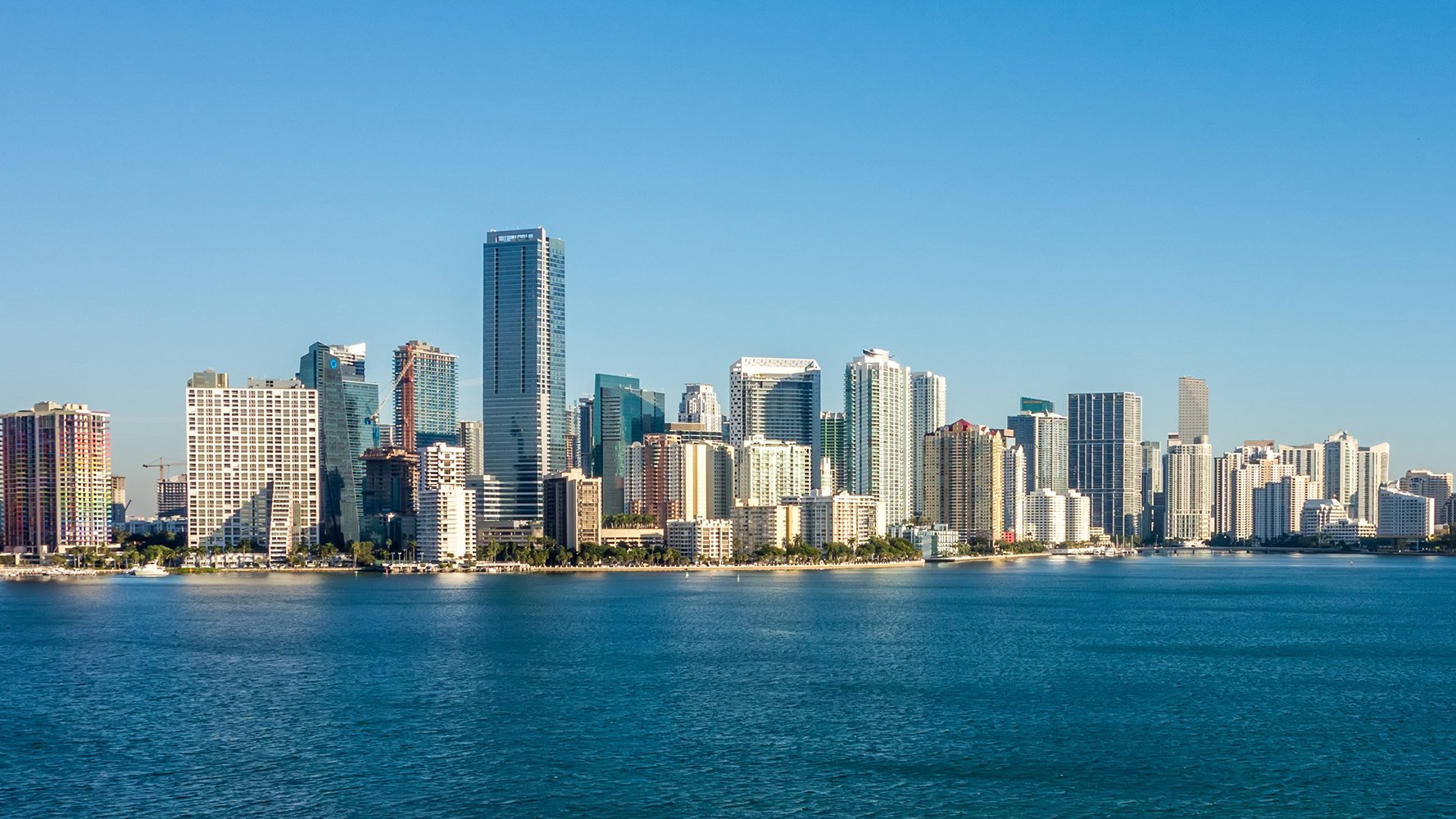
Downtown Miami’s Evolution: From Office Hub to Luxury Residential Hotspot
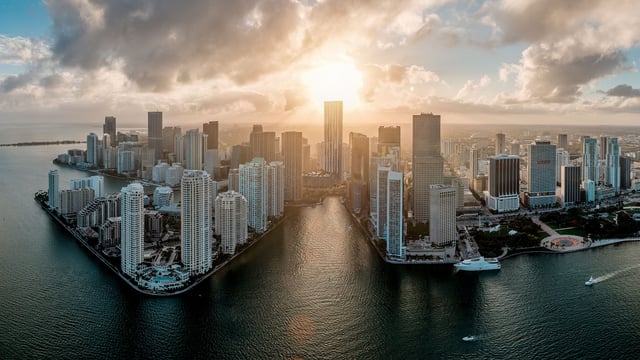
Downtown Miami is entering a new chapter where the skyline is no longer a backdrop, but a product. A surge of branded residential towers, district-scale mixed-use investment, and waterfront public-realm improvements is reshaping how affluent buyers evaluate value, lifestyle, and long-term resilience in the urban core. At the same time, softer pricing signals in the broader resale market and a “flight to quality” dynamic in offices point to a more selective moment: buyers are rewarding best-in-class buildings, locations, and execution. For MILLION Luxury clients, the opportunity is not simply to pick a view. It is to understand which parts of Downtown are becoming truly walkable, which corridors are layering culture and hospitality into daily life, and which projects signal the next three to five years of momentum.