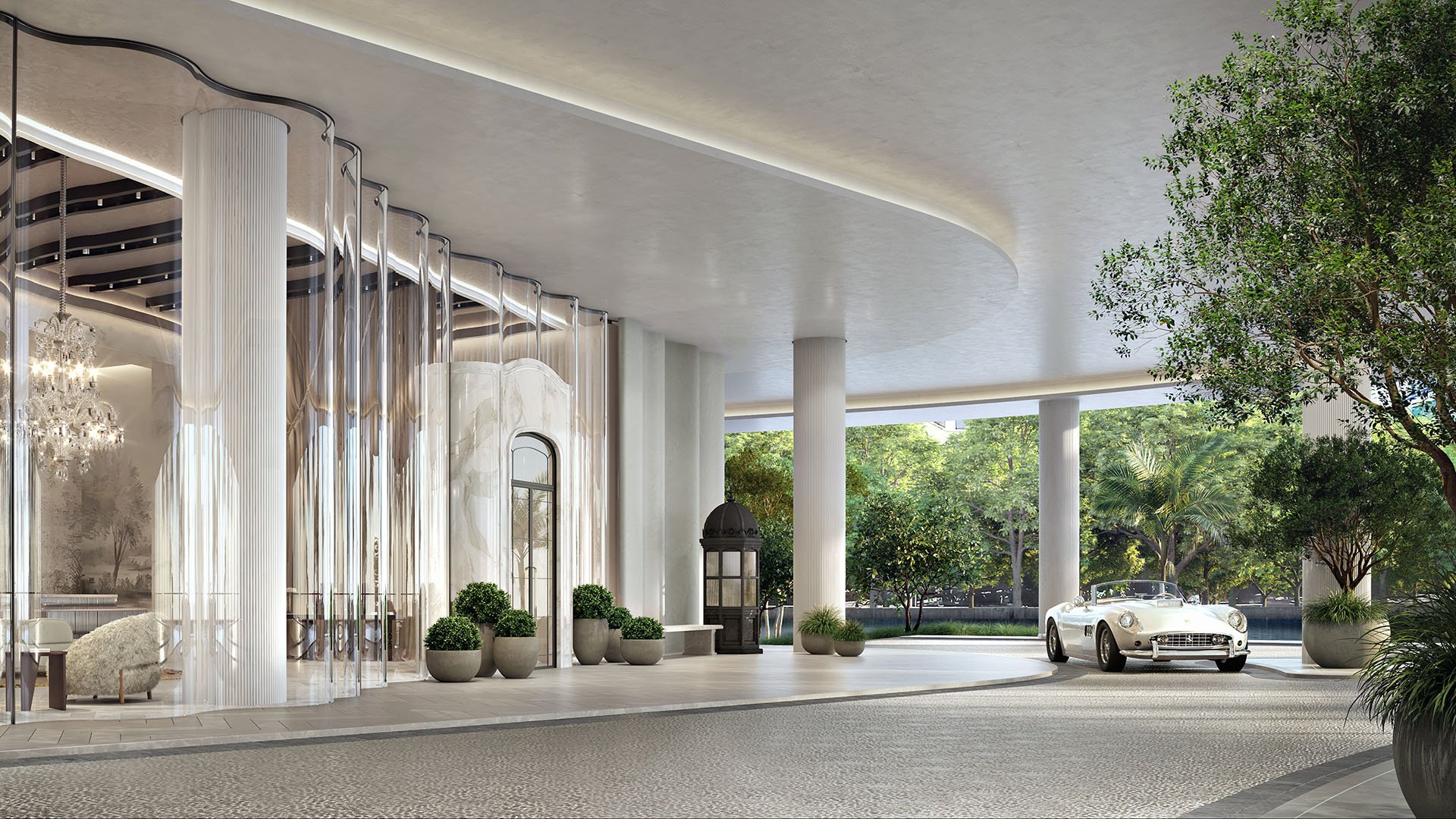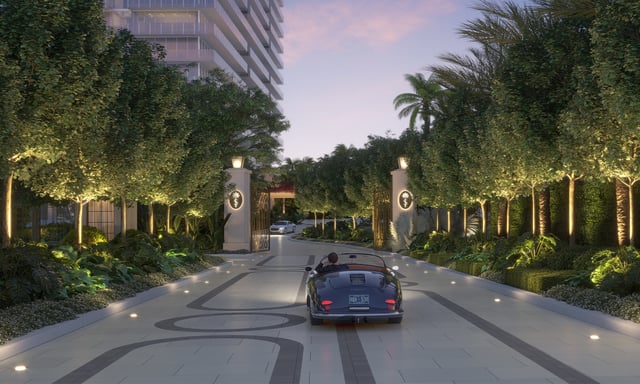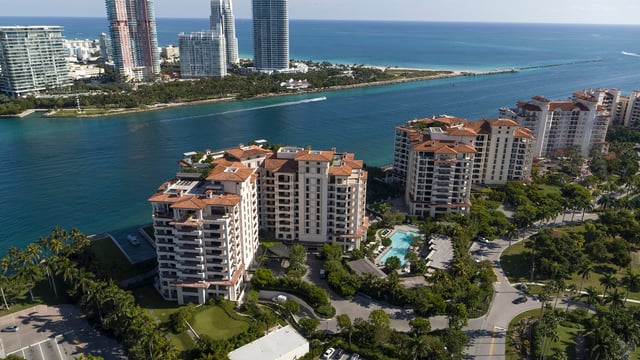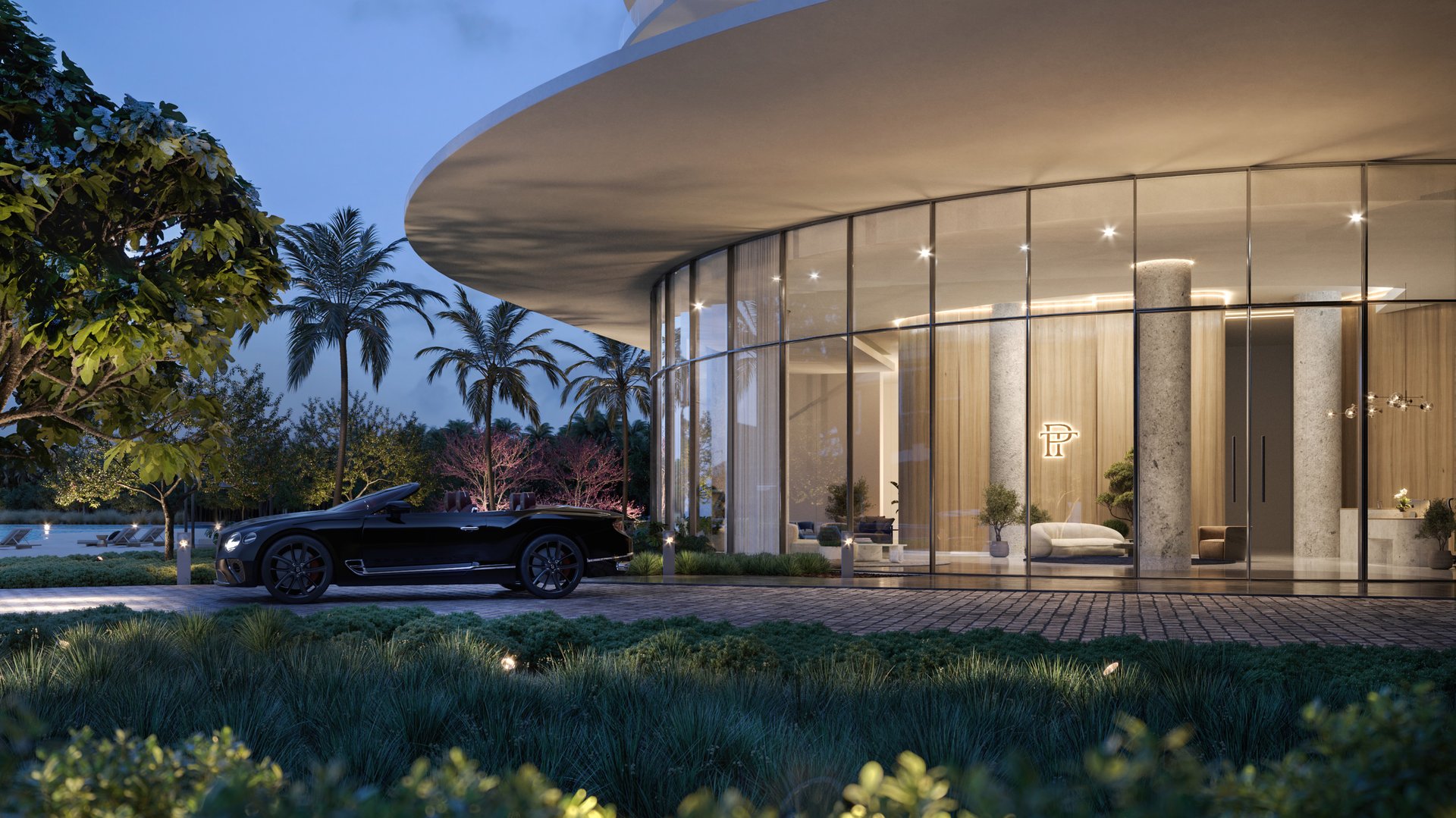
Evaluating the Elegance of Oceanfront Drop Offs at The Perigon Miami Beach Against Rivage Bal Harbour
A buyer-oriented comparison of arrival, valet flow, privacy, and curb appeal at two ultra-luxury oceanfront addresses, with practical criteria for judging drop-off elegance in Miami Beach and Bal Harbour.

The Importance of Saltwater Pools for Skin Health and Maintenance at The Well Bay Harbor Islands
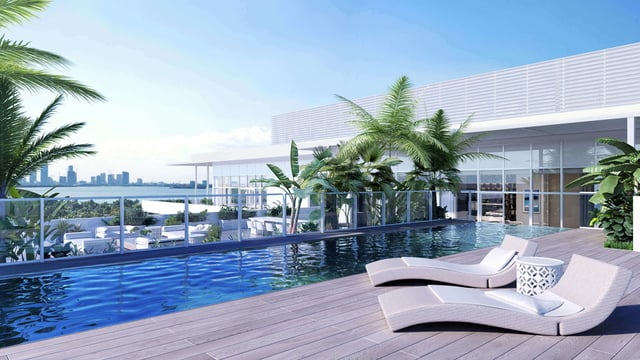
Saltwater pools have become a quiet marker of wellness-forward luxury in South Florida, pairing a softer swim experience with a maintenance profile that can be more predictable when managed correctly. For buyers evaluating amenity packages, the distinction is not simply “salt versus chlorine,” but how water chemistry is controlled, how surfaces are protected, and how daily routines can be simplified without compromising skin comfort. At The Well Bay Harbor Islands, the conversation resonates because the broader market is increasingly aligning lifestyle, longevity, and design. Understanding what saltwater systems do, what they do not do, and what best practices look like helps residents protect their skin, safeguard finishes, and preserve that resort-level feel season after season.

Assessing the Quality of Dornbracht Fixtures and Hardware at Rivage Bal Harbour
A buyer-oriented, design-literate guide to evaluating Dornbracht fixtures and hardware in a Rivage Bal Harbour residence, from materials and engineering to maintenance, warranties, and resale impact.

The Bay Harbor Islands Revival: Kobi Karp Architecture Redefining the Grid
Bay Harbor Islands has long been defined by a calm, rational grid: short blocks, water views that arrive in glimpses, and a scale that historically favored privacy over spectacle. Today, that same grid is being reinterpreted through contemporary architecture that treats constraints as a design brief, not a limitation. Within this context, Kobi Karp Architecture has become shorthand for a particular South Florida sensibility: disciplined massing, clean lines, and a resort-grade approach to arrival, amenity, and indoor-outdoor living. For luxury buyers, the conversation is less about reinvention for its own sake and more about what the next chapter of Bay-harbor can deliver. How does a new building sit among established streets? Can it elevate daily life without overwhelming the neighborhood? And in a market where Bal-harbour and Miami-beach remain immediate neighbors, what does “quiet luxury” look like when expressed in concrete, glass, stone, and shade? This is the revival: a move from purely utilitarian waterfront living toward a curated residential experience, one that respects the grid while upgrading everything that happens inside it.

Living in Surfside vs Bal Harbour: Low-Density Privacy vs Retail Grandeur
Surfside and Bal Harbour sit side by side on Miami Beach’s northern edge, yet they deliver two distinct versions of oceanfront luxury. Surfside favors quiet residential streets, an intimate shoreline, and a small-town cadence that appeals to buyers who prize discretion over spectacle. Bal Harbour, by contrast, layers beachfront living with a polished, international retail and hospitality atmosphere, where arriving home can feel like stepping into a curated resort district. For high-net-worth buyers, the decision is rarely about distance, but about daily texture: how often you want to be recognized, how quickly you want to disappear, and whether your neighborhood’s center of gravity is a tranquil beach walk or a high-design shopping promenade. This MILLION Luxury comparison outlines the lifestyle differences that matter most, from density and privacy to walkability, service expectations, and the long-term “feel” of each market.

Assessing EV Charging Infrastructure and Private Garages at The Delmore Surfside
A buyer-oriented look at what EV readiness and private parking typically mean for day-to-day living at a Surfside trophy address, with practical questions to ask before you sign.