The Impact of Rising Insurance Premiums on High-Net-Worth Buyers
Rising insurance premiums are reshaping how affluent buyers underwrite South Florida real estate, influencing everything from offer strategy to product preference. For high-net-worth purchasers, the issue is rarely affordability; it is about friction, predictability, and the long-term optics of carrying costs across a portfolio.

Assessing Private Elevator Vestibules and Security Protocols at Pagani Residences
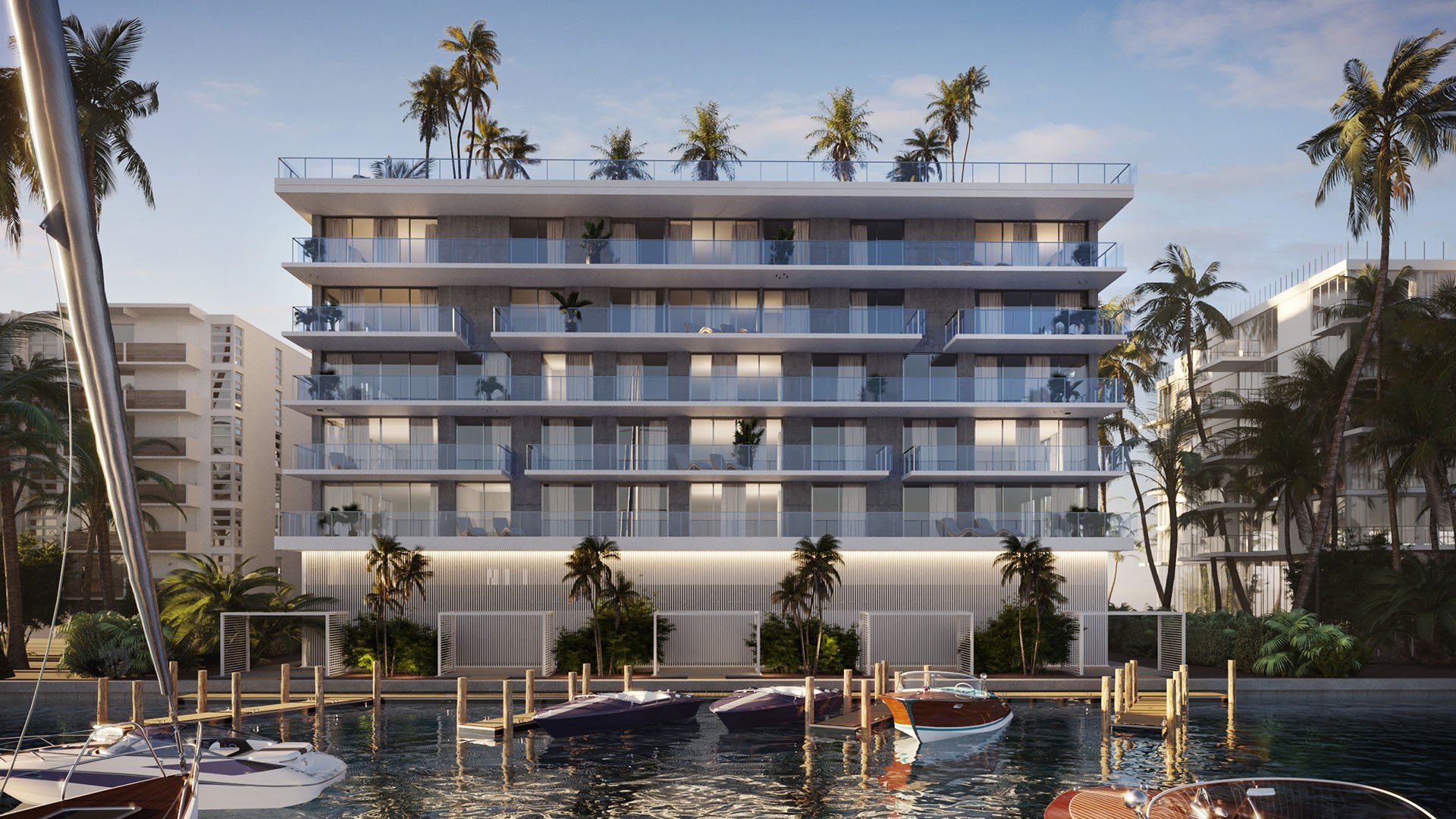
In ultra-prime South Florida, privacy is not a feature you add after the fact. It is designed into the arrival sequence: curb to lobby, lobby to elevator, elevator to residence. At Pagani Residences in North Bay Village, buyer interest often centers on how effectively a private elevator vestibule can separate a home from the shared building ecosystem, and what protocols must exist behind the scenes to make that separation meaningful. This MILLION Luxury editorial breaks down what a private elevator vestibule does well, where the real vulnerabilities tend to hide, and which questions sophisticated buyers should ask when evaluating access control, staffing, vendor management, and daily operational discipline. Because project-specific security details are intentionally not fully public, the focus here is on the architecture of discretion: layered barriers, predictable procedures, and a resident-first culture that keeps convenience high without turning the building into a fortress.

The Truth About Condo Association Reserves Post-Surfside Legislation
Post-Surfside reserve reforms have changed how Florida condo owners pay for long-term building obligations. For luxury buyers, reserves are now a frontline due-diligence item that can meaningfully affect monthly costs, resale liquidity, and negotiating leverage. This guide explains what reserves are, why they matter more today, and how to interpret a building’s financial posture with a buyer’s lens.

Assessing the Viability of Bitcoin and Cryptocurrency in Ultra-Luxury Closings
Crypto can be part of an ultra-luxury purchase, but it is rarely a literal “wallet-to-seller” closing. In South Florida, the most viable path is treating digital assets as a source of funds that are converted to U.S. dollars well before closing, with disciplined documentation, tax planning, and bankability. The real question for buyers and sellers is not whether crypto is real wealth, but whether it can clear compliance, timing, and title requirements without introducing avoidable volatility or reputational risk.

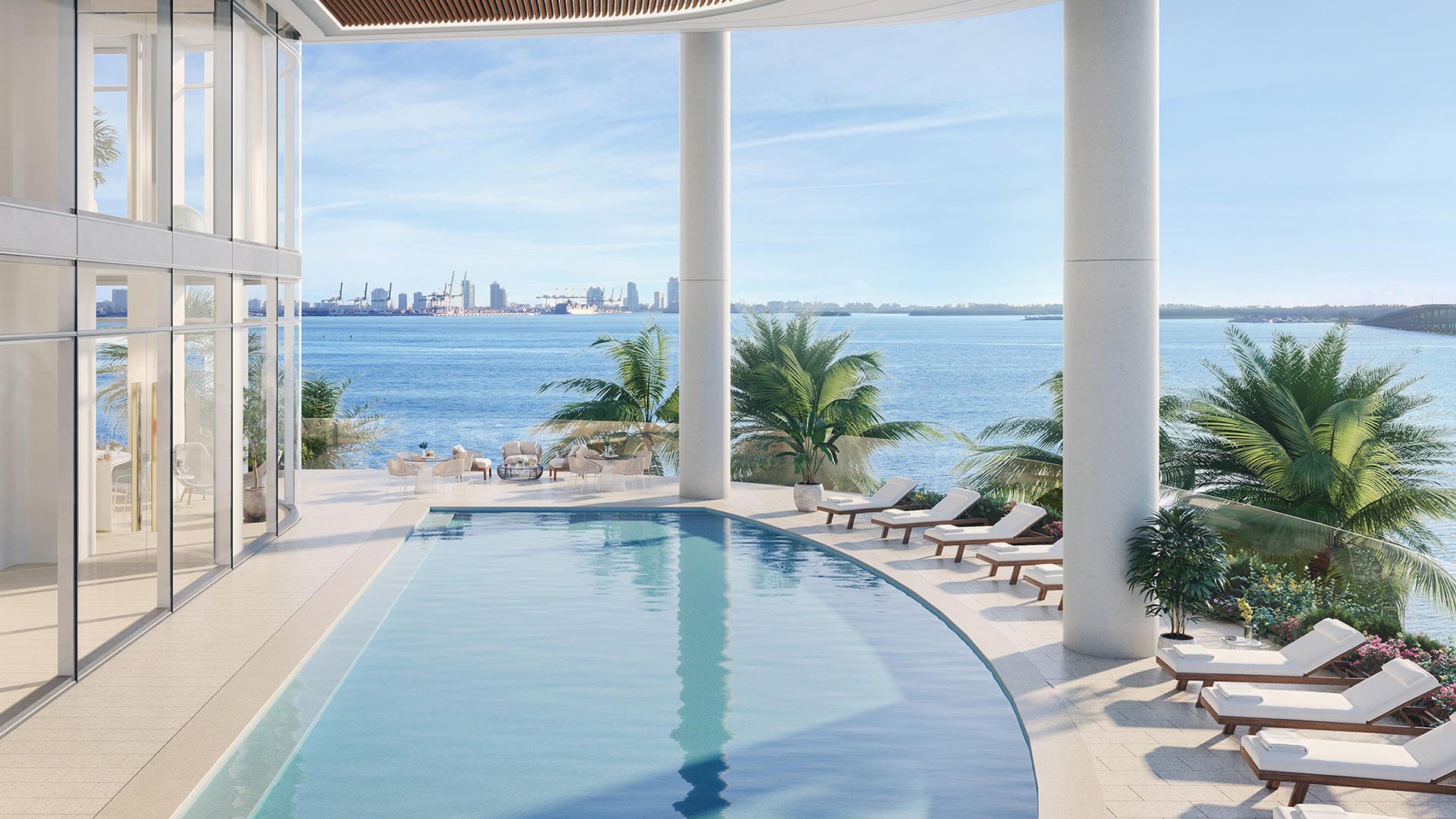
How to Evaluate Wind Resistance and Fortified Construction in Oceanfront Condos
A discreet, buyer-oriented framework for assessing how an oceanfront condominium is engineered to perform in high-wind events, and how to verify it through documents, details, and due diligence.

The Premium on East-Facing Exposure: Maximizing Morning Light at Miami Tropic Residences
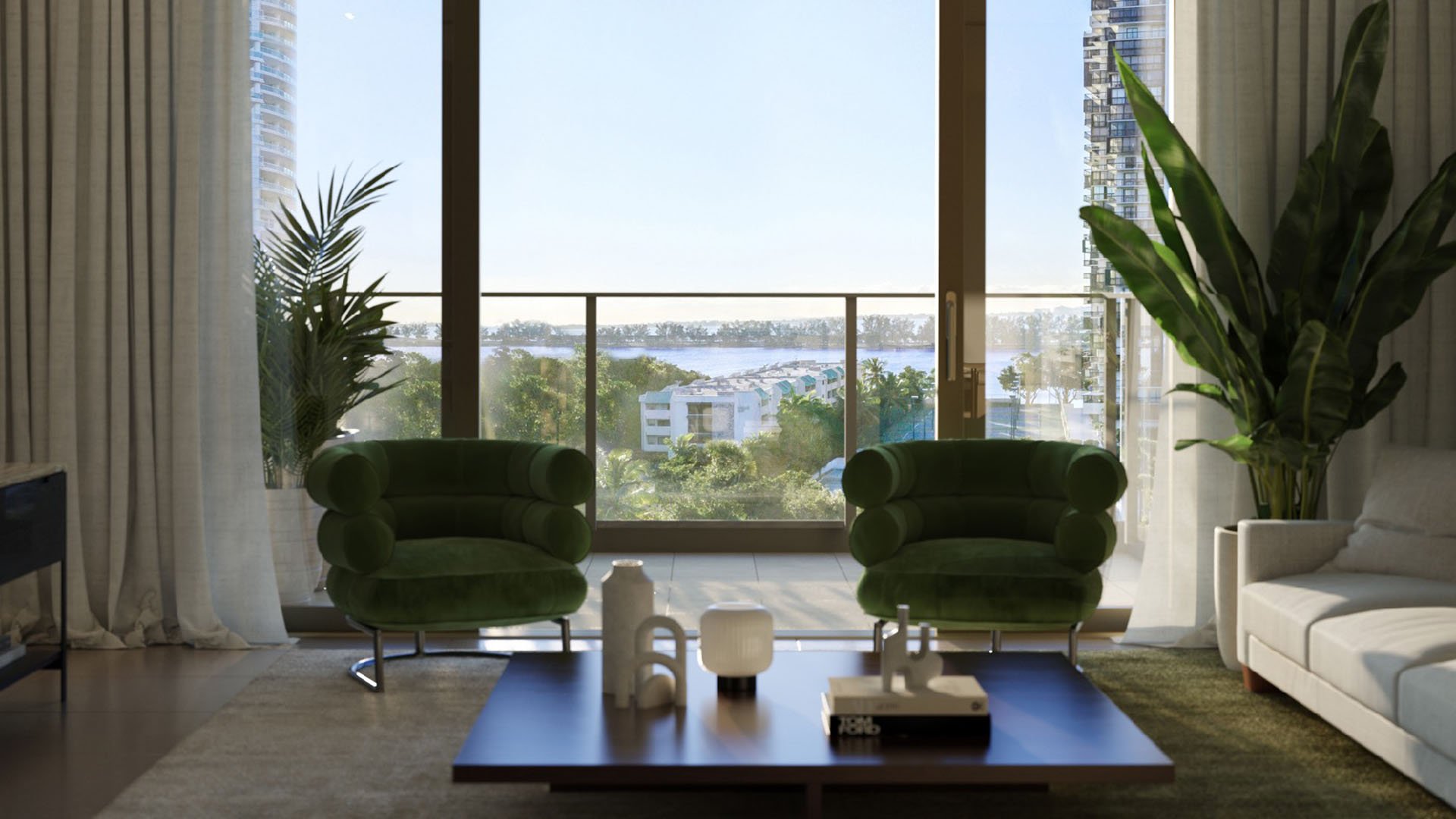
East-facing exposure in South Florida is not a superstition. It is a practical, design-forward preference shaped by heat, glare, circadian rhythm, and the way Miami living actually unfolds: coffee, workouts, terraces, and early meetings that happen before the afternoon sun turns aggressive. For buyers evaluating Miami Tropic Residences, morning light becomes a lens to judge floor plan performance, balcony comfort, artwork placement, and long-term livability. This editorial breaks down how east-facing light behaves in Miami’s latitude, what it means for interiors and energy load, and how to evaluate view corridors and privacy without overpaying for a compass point alone.