A discreet buyer’s framework for evaluating jewelry safe placement across South Florida oceanfront, bayfront, and city residences, with attention to flood exposure, storm surge, corrosion, burglary risk, and insurance-grade safe specifications.
For South Florida buyers, jewelry safe placement should begin before the decorator studies the primary suite. A safe holding watches, gemstones, heirlooms, and private documents is not simply a cabinet concealed behind millwork. It is a fixed security decision shaped by water, wind, access, power, corrosion, and the way a residence functions when the city is under stress.
The first comparison is parcel-specific flood exposure. A residence may be marketed as oceanfront, bayfront, or urban, but the more disciplined question is how water could reach the building and which parts of the property are most vulnerable. Barrier-island, direct oceanfront, bayfront, canal, and low-lying city addresses can each require flood-aware planning, even when the lifestyle narratives feel very different.
In practice, the comparison may span oceanfront condominiums, Brickell towers, Miami Beach barrier-island residences, Sunny Isles high-rises, Bay Harbor waterfront buildings, and waterview city addresses. The label matters less than the building’s elevation, surge exposure, access strategy, and security culture.
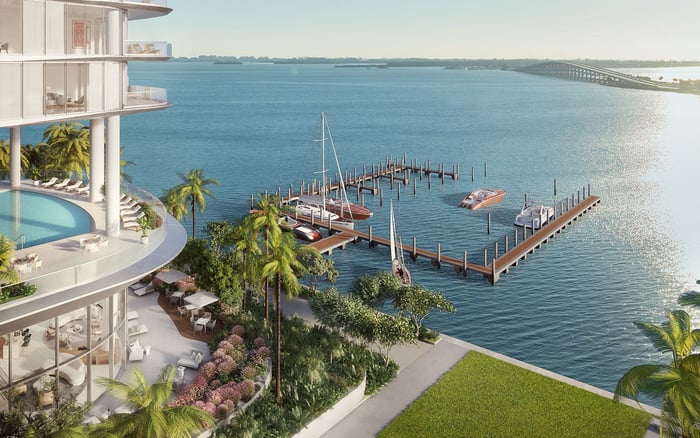
Oceanfront residences often give collectors the psychological advantage of height. A high-floor condominium can reduce direct ground-level exposure for valuables, especially when the safe is located well above vulnerable lower spaces. Yet the building itself remains within a coastal risk environment, so buyers should review flood exposure, storm-surge considerations, emergency power expectations, elevator strategy, and how residents regain access after a severe weather event.
The safe should not be treated as a freestanding luxury object. It should be integrated with the building’s broader resilience profile and the practical realities of wind, water, access, and security along the coast. For a serious jewelry collection, the question is not only whether the safe can resist burglary. It is whether the home remains accessible, conditioned, powered, and secure when waterfront systems are tested.
Salt air adds another layer. Ocean air can contribute to corrosion, so oceanfront placement should account for humidity control, sealed internal storage, and protection for watch movements, clasps, settings, and papers. A safe in a glamorous dressing room may still require discreet environmental management if the residence is opened frequently to terraces, sea air, and seasonal humidity.
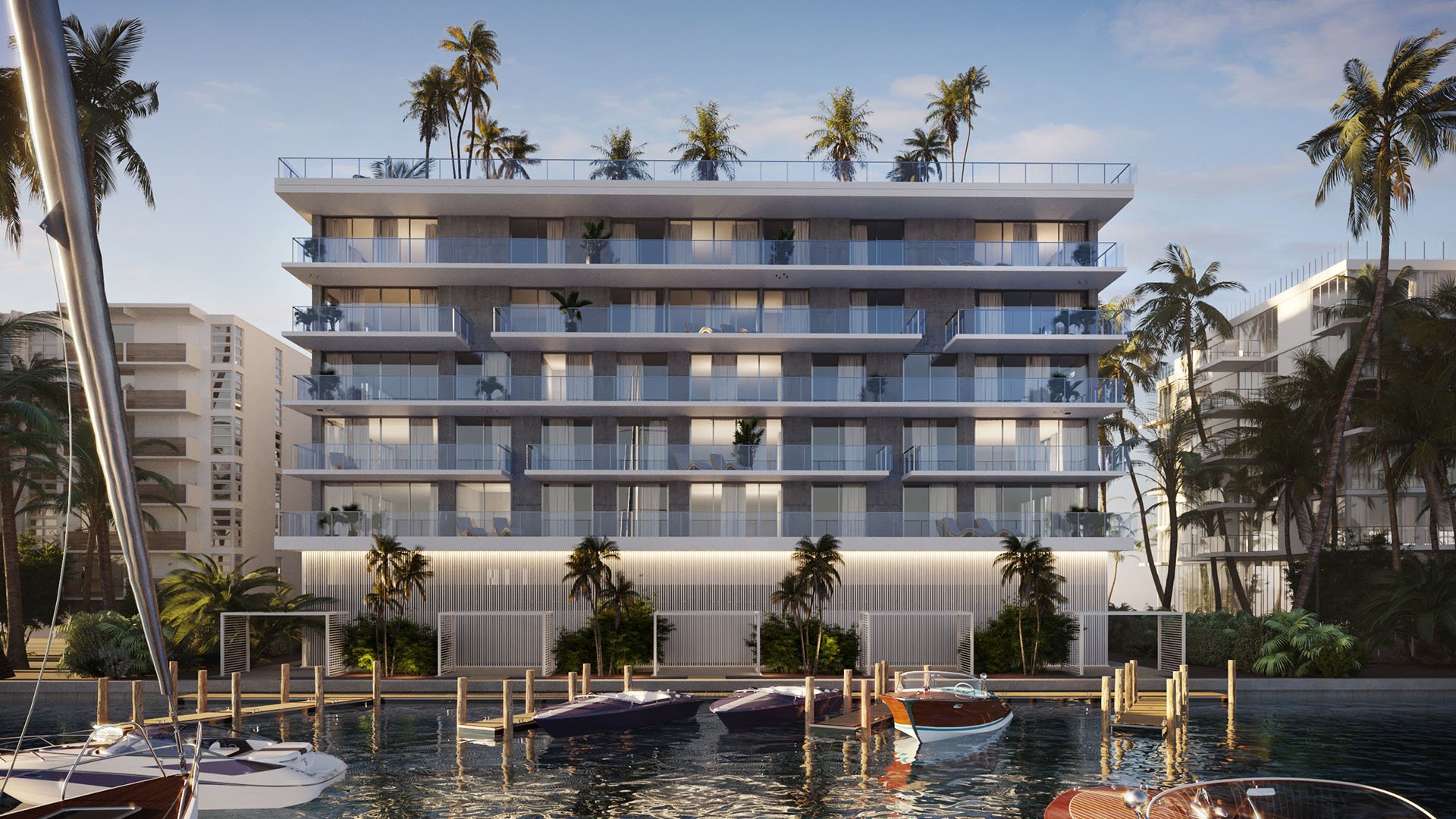
Bayfront homes and condominiums can feel calmer than direct oceanfront addresses, but storm surge remains central to the analysis. Bays, canals, inlets, and connected waterways can experience abnormal water rise during a storm. Lower-level storage rooms, garage-adjacent spaces, service corridors, and ground-floor owner suites therefore deserve special caution.
For bayfront buyers, the preferred safe location is usually one that balances elevation with concealment and structural feasibility. A beautiful waterfront primary suite is not automatically the right location if it sits low in the building or depends on vulnerable access points. Conversely, a higher interior room may offer better water separation but weaker daily discretion if staff, vendors, or guests pass nearby.
The best comparison asks three questions at once. How could surge reach the property? Who can reach the safe during ordinary life? And what happens to climate control and alarm systems if power is interrupted? Bayfront placement is not about fear. It is about refusing to let a serene view obscure the mechanics of water risk.
City and non-waterfront residences may reduce direct wave-action exposure, but they are not automatically outside flood risk. Inland parcels can still require flood review depending on elevation, drainage, and surrounding conditions. A buyer comparing a city penthouse with a waterfront residence should still check site conditions before deciding that interior placement alone solves the problem.
The city comparison often shifts toward access control. Publicly available crime-information tools can help buyers compare burglary and theft patterns near potential residences. In a full-service tower, the issue may be less about a forced entry from the street and more about circulation: valet areas, service elevators, housekeeping access, contractors, package rooms, and the number of people who can infer when an owner is away.
A concealed safe may be appropriate in one city residence, while another may call for heavier anchoring, additional alarm coverage, or a location away from predictable dressing-room layouts. Privacy is a form of security. The fewer people who understand where high-value items are kept, the stronger the placement strategy becomes.
Luxury buyers often ask whether a safe is “good enough,” but that question has two separate parts. Burglary resistance and fire resistance are not the same evaluation. A safe may be strong against forced access while offering a different level of protection for records, documents, or delicate contents under fire conditions.
Insurers and security consultants may care about the safe’s burglary rating, the collection value, alarm integration, anchoring, concealment, and whether the safe is appropriate for jewelry rather than general storage. They may also distinguish between jewelry worn regularly and pieces kept primarily for estate, investment, or sentimental purposes. Placement should anticipate those conversations before closing, not after the collection is moved in.
Heavy equipment also belongs in the building-risk conversation. In South Florida, hurricane resilience, flood exposure, and structural conditions all sit around the same table. Before installation, buyers should confirm that the proposed location can accept the safe, that anchoring is permissible, and that the placement will not create a future problem during repairs, renovations, or emergency access.
First, compare water. Identify whether the property has meaningful flood exposure, whether it faces coastal wave action, whether storm surge could affect access, and whether the proposed safe location is elevated above vulnerable spaces. Oceanfront high-rise living may improve the room-level equation, but the building-wide risk still matters.
Second, compare access. Review crime patterns, building entry points, staff circulation, guest protocols, and how often vendors enter the residence. A city tower with rigorous access control may be superior to a waterfront home with too many predictable routines, or the reverse may be true depending on the property.
Third, compare specifications. Confirm burglary and fire considerations separately, discuss insurance requirements, plan humidity control for coastal air, and coordinate safe weight, anchoring, alarms, and concealment with qualified professionals. The result should feel effortless in daily life and rigorous under scrutiny.
Should I choose a safe location before choosing the residence? You should compare safe placement while evaluating the residence, because flood exposure, access control, and building systems can change the best location.
Is an oceanfront high-floor condo automatically safest for jewelry? Not automatically. Height can reduce direct ground-level exposure, but building surge risk, access after storms, emergency power, and salt-air management still matter.
Are bayfront homes less risky than oceanfront homes? They may feel more sheltered, but storm surge can still affect bays and connected waterways, so lower-level storage deserves careful review.
Can a city residence still require flood review? Yes. Inland and non-waterfront parcels can still have site-specific water concerns depending on elevation, drainage, and surrounding conditions.
Should burglary resistance and fire protection be reviewed separately? Yes. Burglary resistance and fire protection address different forms of risk and should not be treated as interchangeable.
Why does salt air matter for jewelry safe placement? Salt in ocean air can contribute to corrosion, so coastal residences should consider humidity control, sealed storage, and sensitive watch or jewelry components.
What role does crime information play in placement? It helps buyers compare burglary and theft patterns, then decide whether concealment, anchoring, alarms, or access protocols should be strengthened.
Is the primary closet the best place for a jewelry safe? Sometimes, but it can also be predictable. The best location balances privacy, elevation, structural feasibility, alarm integration, and daily convenience.
Should a safe be anchored in a condominium? Anchoring can be important, but it should be reviewed against building rules, structural conditions, and installation permissions before work begins.
What is the best way to shortlist comparable options for touring? Start with location fit, delivery status, and daily lifestyle priorities, then compare stacks and elevations to validate views and privacy.
For a tailored shortlist and next-step guidance, connect with MILLION.
If branded residences are on your mind — as a home or as an allocation — we would be glad to share what we are seeing, privately.
Begin a quiet conversation