A buyer-focused guide to interpreting busy high-season amenities in South Florida luxury condominiums, separating proof of demand from operational weakness.
In South Florida luxury real estate, high-season amenity crowding is often treated as a flaw. A buyer arrives for a private showing and finds a full pool deck, a wait at valet, a lively fitness room, and a beach club that feels more social than serene. The instinct is to discount the experience. Yet in the right building, under the right conditions, visible demand can become one of the clearest resale signals available.
The distinction is subtle. Crowding is not automatically positive. It can expose undersized amenities, weak staffing, poor reservation systems, or a building whose promises exceed its operations. But when a property absorbs peak use with composure, the crowd becomes evidence. It shows that owners and guests actually use the spaces, that the lifestyle imagery is not theoretical, and that the building has energy during the months when South Florida is most closely judged.
For a second-home buyer, that matters. A residence that feels alive in season may be easier to understand, easier to explain, and easier to resell than one whose amenities look perfect only because no one is there.
The first resale advantage is demand visibility. Empty amenities can photograph beautifully, but they do not prove attachment. A full morning fitness studio, a busy children’s room during school breaks, or an active waterfront lounge can indicate that owners see the building as part of their routine, not merely as a place to store capital.
That attachment can support future buyer confidence. A prospective purchaser is not only buying a unit. They are buying the belief that others with similar standards will continue to value the same address, the same services, and the same daily conveniences. In this sense, responsible high-season crowding can operate as a live demonstration of market acceptance.
The strongest version is not chaotic. It is choreographed. Staff recognize residents. Towels are replenished before anyone asks. Elevators move steadily. Outdoor seating turns over without tension. The building feels occupied, but not overwhelmed. That is the difference between popularity and strain.
A serious buyer should treat high season as a stress test. The goal is not to avoid every sign of use. The goal is to determine whether the building’s service culture can carry the load.
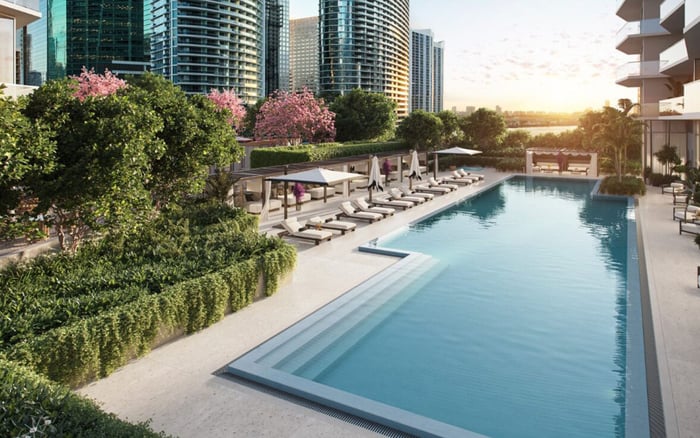
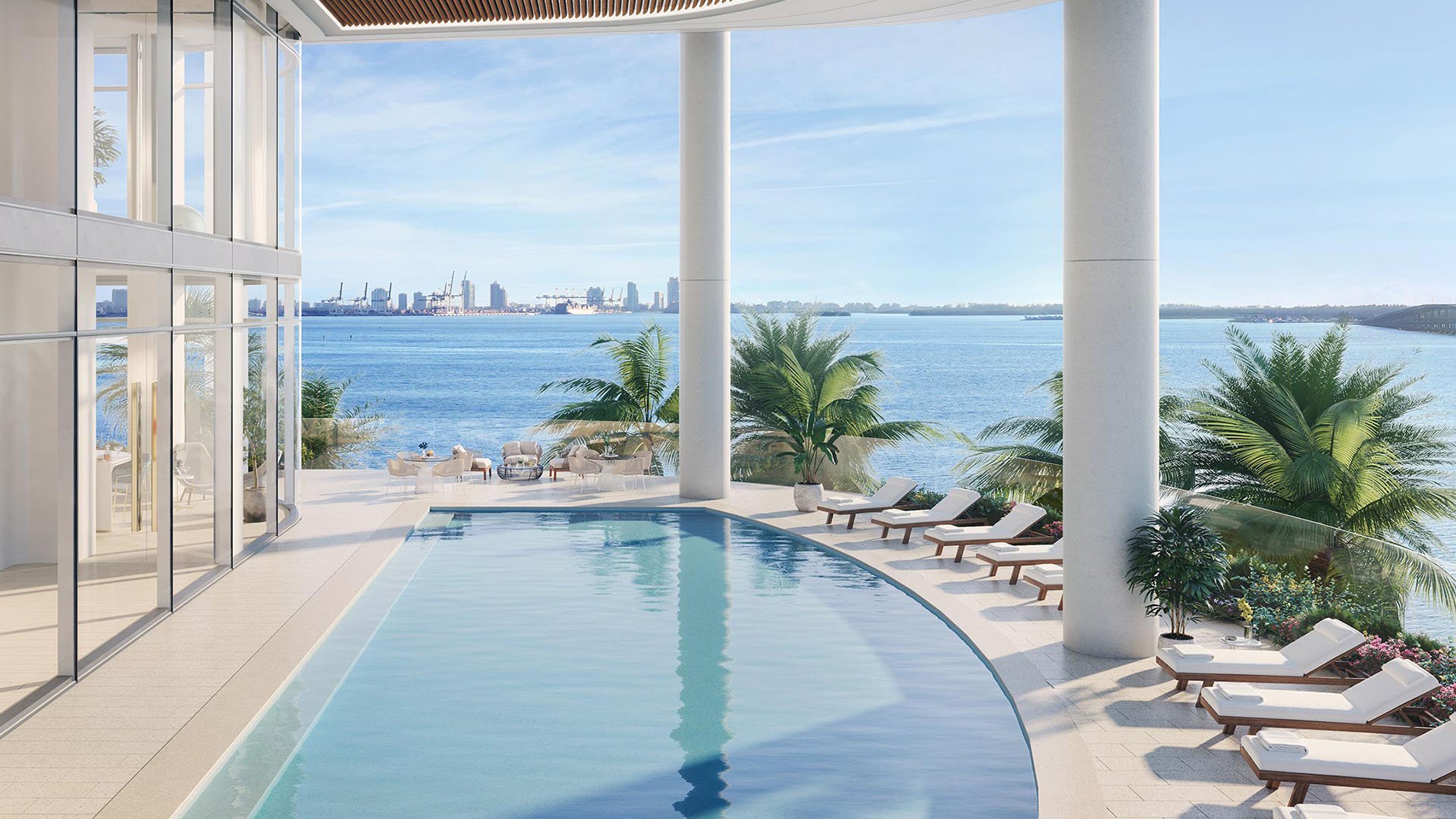
Start with the pool. A busy deck can be positive if seating is well managed, circulation feels intuitive, and service remains attentive. It becomes a concern when residents appear to compete for basics, when staff seem reactive, or when the space depends on informal rules that only long-time owners understand.
Valet and arrival areas deserve equal attention. In luxury buildings, the arrival sequence is part of the value proposition. A short wait at peak time may be acceptable if communication is polished. A confused queue, blocked entry, or inconsistent greeting can signal deeper operational weakness.
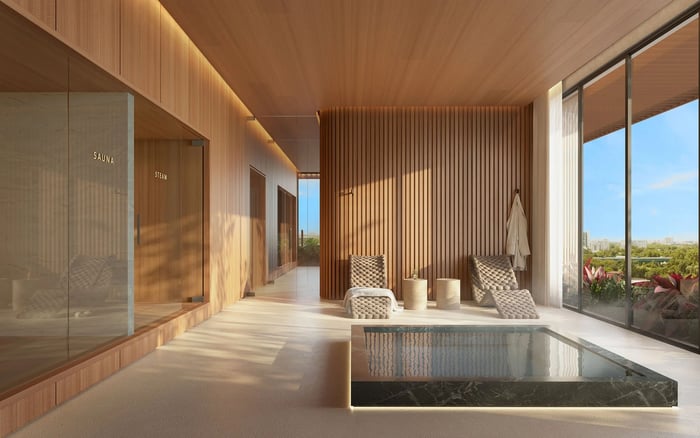
Fitness and wellness spaces offer another clue. If equipment is occupied but the room is clean, ventilated, and well supervised, activity supports the lifestyle story. If the experience feels cramped, noisy, or improvised, the amenity may have been designed for marketing rather than actual resident use.
Finally, observe tone. Do residents seem relaxed, or are they visibly guarding access? The emotional temperature of an amenity floor can be more revealing than the headcount.
Not every submarket interprets crowding the same way. In Brickell, a lively amenity experience may align with the urban rhythm buyers expect. Social terraces, wellness spaces, and hospitality-style common areas often function as an extension of the city below. A quiet building can be appealing, but too little energy may raise questions for buyers who want convenience and connection.
In Miami Beach, the calculus often turns on access, service, and privacy. A busy beach program may be attractive if it feels effortless. Buyers will forgive activity when staff preserve comfort, views, and order. They will be less forgiving when outdoor amenities feel like a public resort without the corresponding level of control.
In Sunny Isles, where many buyers evaluate towers through the lens of waterfront living and seasonal family use, high-season occupancy can reinforce the idea of a complete vertical community. The key is whether the building’s amenity scale matches the lifestyle being sold. Oceanfront desirability is strongest when the beach, pool, spa, and arrival sequence work together rather than compete for attention.
Aventura introduces another layer: convenience. Buyers may value activity if it confirms that the building serves daily life well. In this setting, crowding near social rooms or fitness spaces can be positive when parking, access, and staff response remain smooth.
Sellers should not apologize for a building that performs well under high-season pressure. They should present the activity as proof of lived value. The message is not, “It is crowded.” The message is, “This is when the building shows its strength.”
That framing works best with precision. A seller can highlight practical advantages: staffed areas, reservation discipline, resident familiarity, and the way different amenity zones handle simultaneous use. The stronger the operations, the more comfortable a buyer becomes with the idea that seasonal demand is an asset.
Photography and showings should also be timed with intention. Empty sunrise images may be elegant, but they should be balanced with an understanding of how the property feels at real peak moments. For resale, buyer confidence often comes from seeing both beauty and function.
The most persuasive buildings do not hide their high-season identity. They refine it. They make busy days feel curated rather than crowded.
There are moments when high-season amenity pressure should reduce enthusiasm. If crowding creates tension between residents, if access feels uncertain, or if staff appear unable to manage predictable demand, the issue is not popularity. It is misalignment.
Watch for repeated friction around the same areas. A single busy afternoon is not decisive. A pattern of bottlenecks can be. The central question is whether management appears to have a system. Luxury buyers do not expect emptiness at all times. They do expect competence.
Also consider whether the amenity mix fits the building’s unit composition and buyer profile. A property with many seasonal users may need more flexible outdoor space, stronger guest protocols, and a clearer approach to family use. A building that courts privacy-oriented buyers must handle activity with greater discretion.
In the end, the resale advantage belongs to buildings that make high season feel inevitable and well prepared for. Crowding is valuable only when it confirms desirability without compromising comfort.
Can crowded amenities really help resale? Yes, if the crowding shows strong resident use while service, comfort, and access remain well managed.
When is amenity crowding a negative sign? It becomes negative when it creates recurring friction, long waits, unclear rules, or a sense that staff are overwhelmed.
Should buyers tour during high season? Yes. High season can reveal how a building performs under real demand, which is difficult to judge on a quiet day.
Is a busy pool deck always a resale advantage? No. It is helpful only when seating, service, circulation, and resident tone still feel controlled and comfortable.
Does this apply more to condos than single-family homes? Yes. Amenity performance is especially important in condominiums because shared services are central to value.
How should sellers discuss high-season activity? Sellers should frame it as evidence of demand and lifestyle depth, while emphasizing management quality and resident experience.
Are quiet buildings safer resale choices? Not always. Quiet can suggest privacy, but it can also make it harder for buyers to sense community or lifestyle momentum.
What should buyers watch at valet? Buyers should observe communication, order, staff confidence, and whether arrival feels polished even when demand is high.
Do area expectations change the interpretation? Yes. Urban, beachfront, and family-oriented markets each define acceptable activity differently.
What is the best way to shortlist comparable options for touring? Start with location fit, delivery status, and daily lifestyle priorities, then compare stacks and elevations to validate views and privacy.
When you're ready to tour or underwrite the options, connect with MILLION.
If branded residences are on your mind — as a home or as an allocation — we would be glad to share what we are seeing, privately.
Begin a quiet conversation