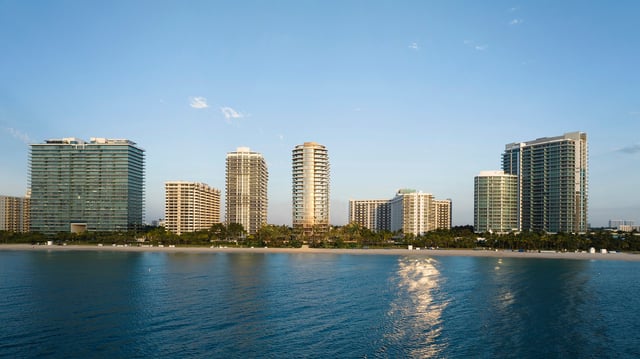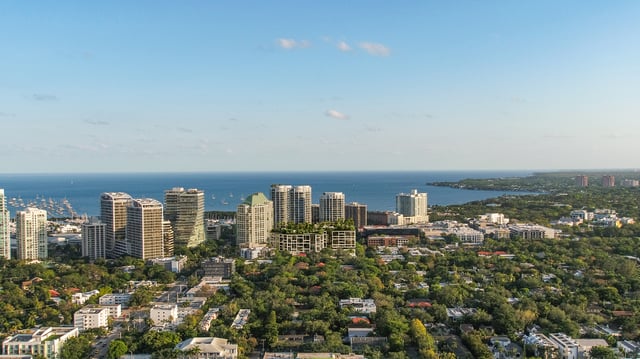
Inside Opus Coconut Grove: how the residence works when guests arrive for weeks
A buyer-oriented look at how Opus Coconut Grove can function for multi-week guests, balancing hotel-style service, serviced-apartment practicality, and private-residence discretion in Coconut Grove.

How resale restrictions can change the real cost of a South Florida staff-ready residence
A discreet buyer’s guide to understanding how resale, leasing, transfer, and approval restrictions can alter the practical cost of owning a staff-ready residence in South Florida.
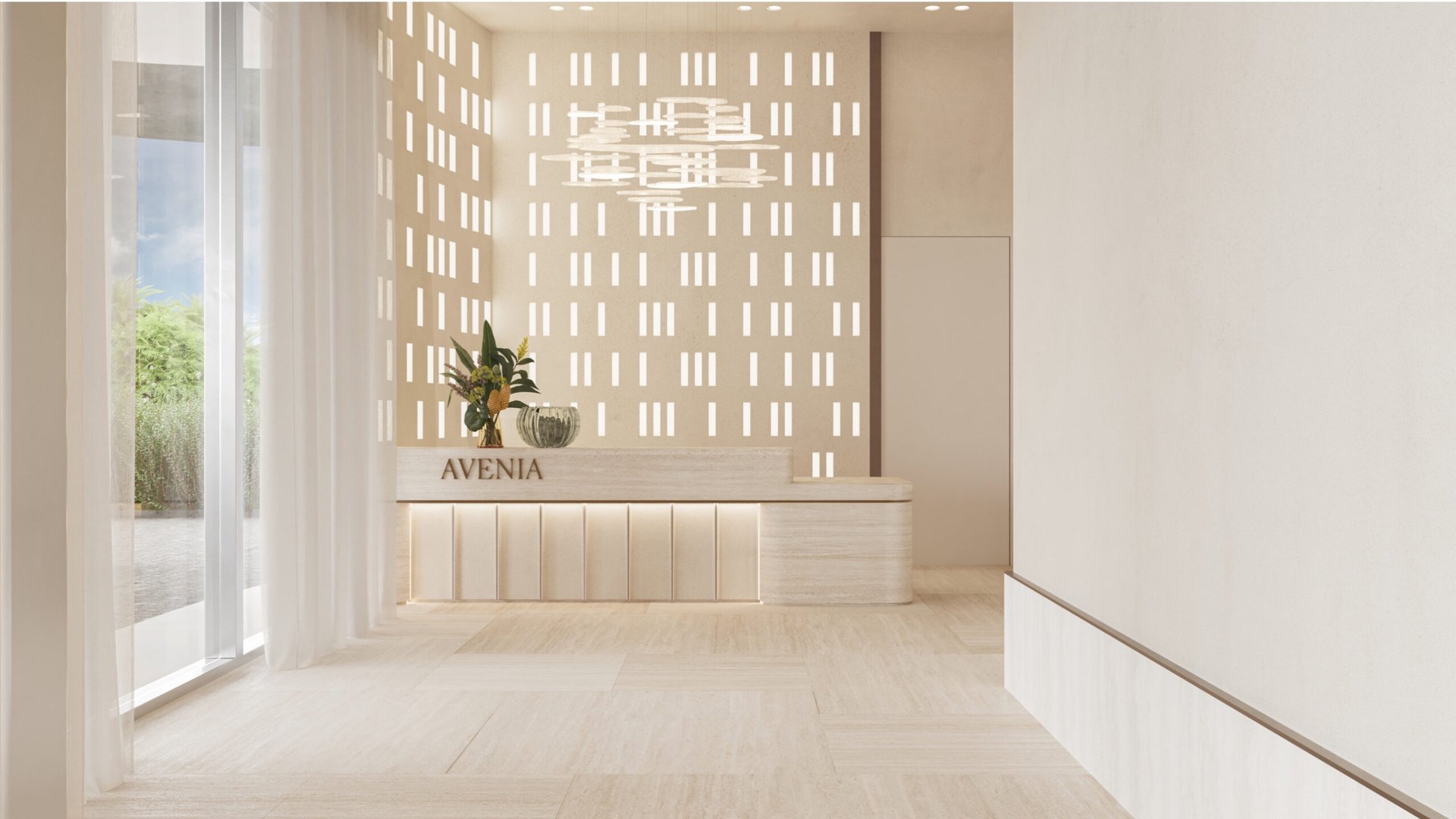
Why Aventura can work for European buyers when the building operations are right
Aventura can be a compelling South Florida base for European buyers when the condominium is operated with discipline, transparency, and genuine remote-ownership support.

What makes a full-service tower in Wynwood work as a serious long-term purchase
A discreet buyer’s guide to evaluating full-service tower living in Wynwood as a long-term real estate decision, with emphasis on amenities, governance, privacy, and enduring daily utility.

How questions around primary-residence conversion influence the decision to buy in Fort Lauderdale
For luxury buyers, the possibility of converting a Fort Lauderdale property into a primary residence changes the entire purchase lens. The decision becomes less about occasional escape and more about daily rhythm, advisory planning, privacy, service, and long-term suitability.

Why seasonal owners should understand condo document review before signing in South Florida
A discreet guide for seasonal South Florida condo buyers on reviewing association documents, rental language, governance, budgets, reserves, and lifestyle rules before signing.