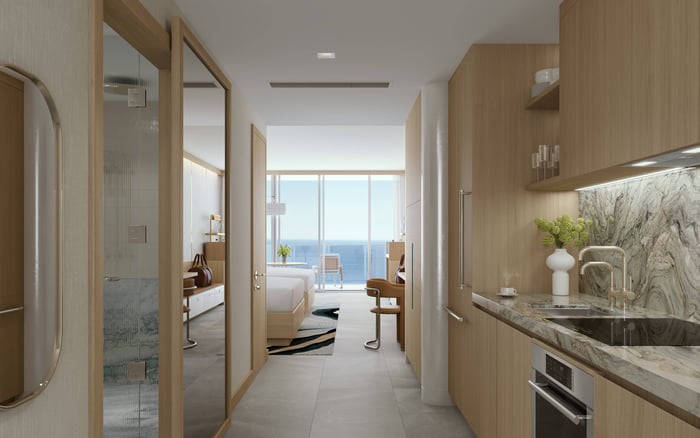
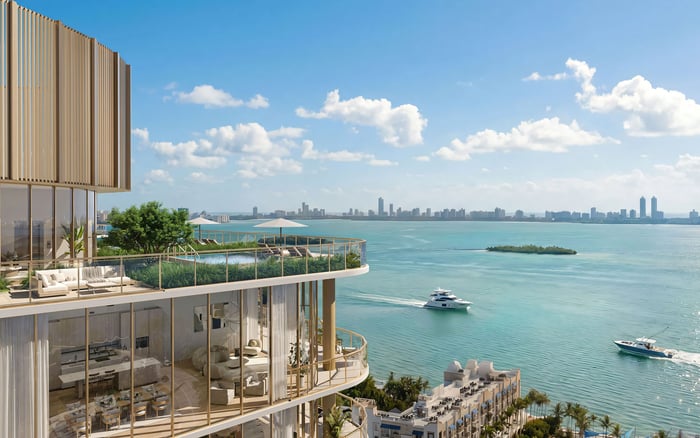
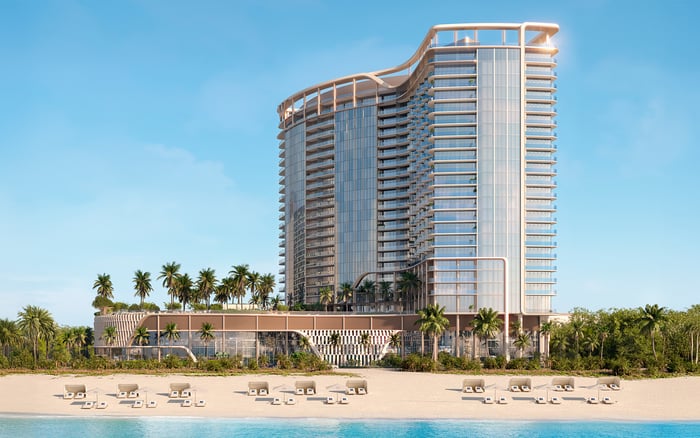
Two branded beachfront addresses, two philosophies: W’s high-energy social programming versus Waldorf Astoria’s quiet, service-forward ritual. For buyers weighing Pompano-beach as a primary home, second-home, or investment foothold, the real differentiator is not the logo on the keycard, but how each brand curates time, privacy, and daily friction. This editorial breaks down the lifestyle curation models, the resident experience you can expect in each, and how to match the concept to your personal operating system.
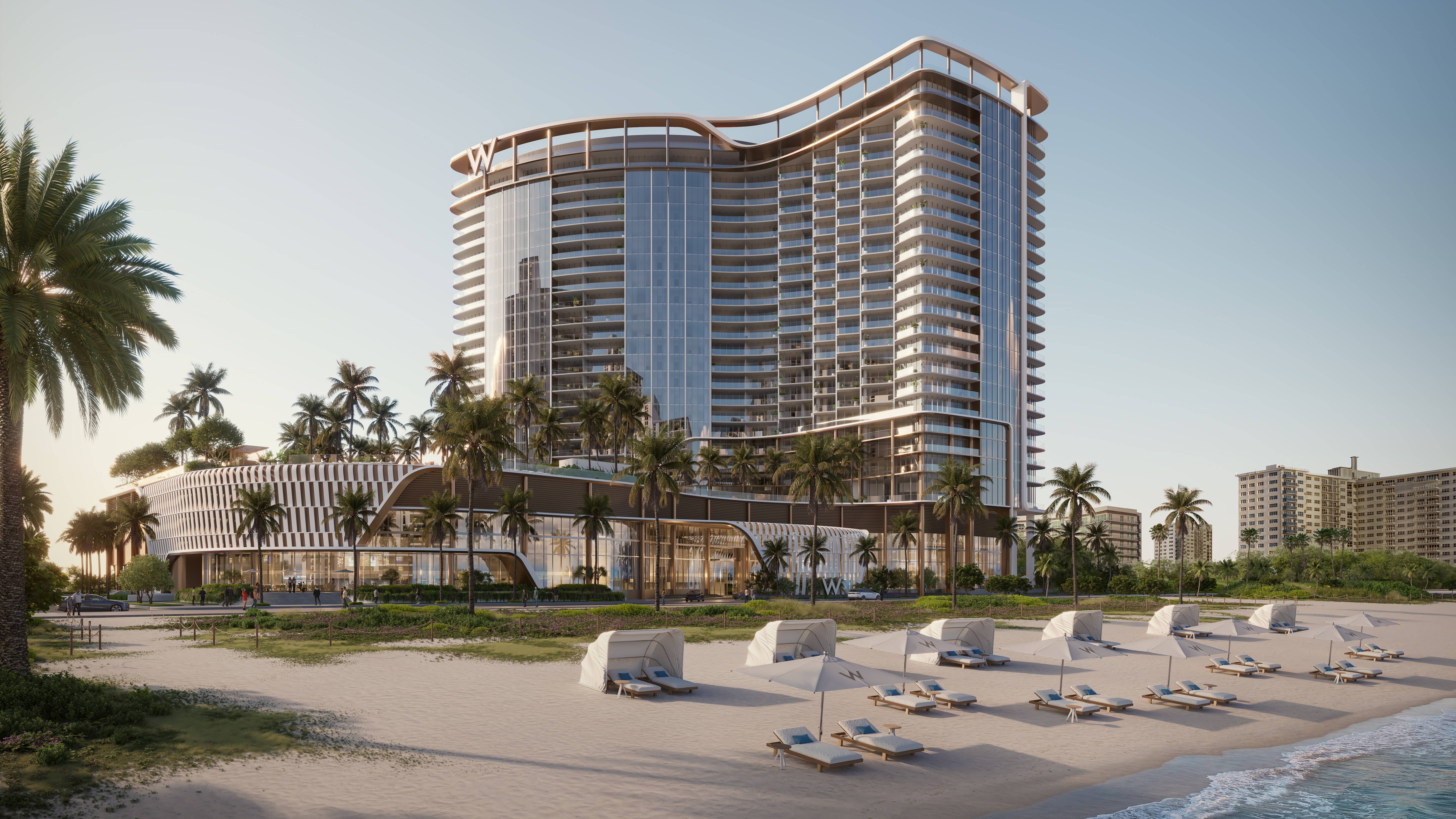
When two oceanfront brands enter the same conversation, it is tempting to compare amenities like a checklist: pool, spa, gym, club room. In luxury, the true dividing line is rarely the inventory. It is the operating philosophy behind the doors-the tone of the lobby and the cadence of the week.
In Pompano-beach, the contrast between W Pompano Beach Hotel & Residences and Waldorf Astoria Residences Pompano Beach is best understood as two distinct lifestyle curation models.
One model is built around energy: programmed moments, social gravity, and the sense that something is always in motion-even when you are not the one hosting. The other is built around ease: fewer interruptions, quieter touchpoints, and a service culture designed to anticipate rather than announce itself.
For the ultra-premium buyer, the right choice is the one that matches how you live when nobody is watching.
Luxury is not a single wavelength. For some, it is access: a social scene, a signature dining experience, and the feeling of being plugged into a larger lifestyle ecosystem. For others, it is control: predictable calm, privacy by default, and an environment that protects focus.
W tends to express luxury through atmosphere. The brand identity is often associated with design-forward spaces, a lively social current, and a hospitality posture that invites interaction. If you want your building to feel like a destination, this is the archetype.
Waldorf Astoria tends to express luxury through ritual and restraint. The implied promise is continuity: arrivals handled smoothly, requests resolved quietly, and public spaces that feel composed rather than performative. If you want your residence to feel insulated from the day, this is the archetype.
Neither is objectively “more” luxurious. They are simply optimized for different clients.
The W curation model is built for owners who prefer momentum. It favors an extroverted form of convenience: you can step into the building’s orbit and immediately pick up a night out, a weekend plan, or a spontaneous meet-up-without having to manufacture it yourself.
What that can look like in practice:
A lobby and pool culture that reads active, with a higher likelihood of curated events and rotating moments.
A hospitality cadence that is comfortable with movement: guests visiting, friends coming through, and a social calendar that can shift quickly.
A design language that invites use and photos, with a feeling of “being in it” rather than hovering at the edge.
For buyers who entertain, the value is not only having a beautiful setting. It is having a setting that does some of the social work for you.
That said, an energy-first model is not for everyone. If you are sensitive to sound, prefer fewer public interactions, or want the building to feel like a private club rather than a stylish hotel, you may find yourself wanting a different tempo.
Waldorf Astoria’s curation model is best understood as friction removal. The objective is not to create buzz; it is to protect quiet. The ideal resident experience is one where service is present but not loud, and the day carries fewer points of negotiation.
What that can look like in practice:
Arrival and departure that feel orchestrated, not observed.
Common areas that function as decompression zones, not social theaters.
An expectation of consistent standards: the same answer, the same tone, the same outcome-even as the season shifts.
For buyers using Pompano-beach as a second-home, this model can be especially compelling. When your time in Florida is limited, you want the home to activate smoothly, without a learning curve on each visit.
The potential trade-off is that this style of luxury can feel understated to buyers who want visible energy. If you want your building to feel like a scene, a quieter model can feel too contained.
A precise way to choose is to audit your own weekly patterns.
Choose the W-style model if you:
Prefer to host rather than hide.
Enjoy a building with social gravity and visible motion.
Want your residence to feel like a destination for visiting friends.
Choose the Waldorf-style model if you:
Prefer predictability, privacy, and a low-friction routine.
Treat your home as a reset space and protect quiet.
Value service that is discreet and consistent over time.
If your life oscillates between high-social weeks and high-focus weeks, be honest about how often each mode occurs. A building’s baseline personality is difficult to override. It tends to shape your habits, not just mirror them.
Pompano-beach is increasingly competing for attention within Broward and the northward expansion of oceanfront luxury. As inventory grows, the premium for a “name” becomes less about recognition and more about the lived operating system: how it feels day to day, what your guests infer the moment they enter, and how ownership integrates with your schedule.
For buyers also comparing along the coast, it can help to calibrate what other branded experiences feel like. In a different Pompano-beach expression of fashion-driven curation, Armani Casa Residences Pompano Beach suggests a more design-signature lens, where aesthetic discipline becomes part of the lifestyle proposition. If your decision-making is design-led, that kind of north star can clarify whether you want atmosphere, ritual, or brand-coded minimalism.
Similarly, if you are triangulating Broward’s broader oceanfront ecosystem, The Ritz-Carlton Residences® Pompano Beach can serve as a reference point for a classic service posture that is neither overtly social nor aggressively quiet, often living in the middle of the spectrum.
Even without getting into numbers, ownership intent changes how you should evaluate lifestyle curation.
Primary residence: You live with the building every day, including weekdays and off-peak months. A high-energy environment can feel invigorating-but it can also read as if you never fully exit “public life.” A calmer model can age well for daily living, especially if you work from home or keep early hours.
Second-home: The best second-home is the one that turns on instantly. The Waldorf Astoria approach often aligns with this, but W’s activation can be equally compelling if your Florida time is meant to be outward-facing and social.
Investment: Branded residences can carry perceived value because they offer a defined experience, not just a unit. Still, the investor should think carefully about operational clarity and the kind of resident or guest the building is likely to attract over time. If your plan involves rent, be candid about whether you want the property to function more like a resort-like condo-hotel vibe or a quiet residential address. In South Florida, the difference between short-term-rentals and long-term-rentals is not merely administrative-it is cultural.
For comparison shopping outside Pompano-beach, buyers often look at Miami nodes where brand lifestyle is the product. In Brickell, 888 Brickell by Dolce & Gabbana illustrates how fashion can drive the entire resident narrative. In a more wellness-coded lane, The Well Bay Harbor Islands shows how health and routine can become the organizing principle. These contrasts help clarify whether you want your home to be a social amplifier, a quiet refuge, or an identity statement.
Buyers touring luxury towers often focus on the grand gesture. In practice, satisfaction is built from small, repeatable moments.
Arrival: Do you want to be welcomed into energy, or welcomed into quiet? The lobby is not decor; it is a daily mood cue.
Guest handling: Are visitors part of the lifestyle, or an exception that requires negotiation? In an energy-forward model, guests feel integrated. In a privacy-forward model, guests are handled with discretion.
Common spaces: Do you imagine using them, or avoiding them? If you will not use them, you are paying for theater. If you will use them, you want them aligned with your social comfort level.
Service posture: Some owners want visible responsiveness; others want near-invisibility. Both can be “high touch,” but only one will feel natural to you.
If you want a clean way to decide without overthinking, use three questions.
If the former, W’s model is intuitive. If the latter, Waldorf Astoria’s model tends to align.
Not in volume, but in signaling. Do you enjoy being in a recognizable scene, or do you prefer that the best parts remain unspoken?
Programming-driven environments can shift with seasons and management style. Ritual-driven environments are designed to feel consistent. Decide which is more valuable for your lifestyle.
Pompano-beach is no longer a place you choose only for the beach. It is a place you choose for the way the day runs when you are there. Brand curation is the infrastructure of that day.
Is W Pompano Beach Hotel & Residences more social by design? Generally, yes. The W curation model emphasizes energy, programming, and a more active public realm.
Does Waldorf Astoria Residences Pompano Beach prioritize privacy? Typically, yes. The Waldorf Astoria style is associated with calm spaces and discreet service.
Which model fits a second-home lifestyle best? Many second-home owners prefer the lower-friction, consistency-driven approach often linked to Waldorf.
Which model is better for frequent entertaining? If you host often, an energy-forward environment like W can make socializing feel easier and more natural.
How should I think about Condo-hotel positioning? Focus on day-to-day culture and operational expectations, not just amenities, because those shape owner experience.
Do short-term-rentals change building culture? Yes. Short-term-rentals can increase turnover and activity, which some owners enjoy and others avoid.
What about long-term-rentals for Investment buyers? Long-term-rentals usually align with a steadier, more residential rhythm and can suit privacy-minded owners.
Is Pompano-beach considered part of the Broward luxury corridor? Yes. Pompano-beach sits within Broward and is increasingly discussed alongside other coastal luxury nodes.
If I want a classic service profile, what else should I compare nearby? Tour adjacent branded options to calibrate tone; a more classic posture can feel different from social-first curation.
What is the fastest way to choose between the two? Decide whether your ideal home amplifies your social life or protects your quiet, then pick the brand that matches.
To compare the best-fit options with clarity, connect with MILLION Luxury.
If branded residences are on your mind — as a home or as an allocation — we would be glad to share what we are seeing, privately.
Begin a quiet conversation