
How to Vet Boutique Hospitality Management Companies for World Cup Turnovers
World Cup-style demand spikes can turn a beautifully finished residence into an operational stress test. For South Florida owners and buyer-investors, the right boutique hospitality management partner is less about glossy branding and more about controls, staffing depth, and guest-screening discipline. This MILLION Luxury guide translates high-season hotel playbooks into a practical due-diligence framework: what to ask, what to review, and what contract terms protect your home, your neighbors, and your revenue when occupancy is at its most intense.

Maximizing Short Term Rental Yields During the FIFA World Cup in Miami
A discreet, owner-forward playbook for positioning Miami-area luxury residences for peak short-term rental performance during the FIFA World Cup window, without sacrificing brand, compliance, or asset preservation.

Evaluating the Strictness of Leasing Restrictions on Platforms like Airbnb at Miami Tropic Residences
Short-term leasing can look like easy optionality, but in luxury condominiums it is often the most regulated part of ownership. This buyer-oriented guide explains how to evaluate the strictness of Airbnb-style policies at Miami Tropic Residences, what typically sits in condo documents, and which questions to ask before you underwrite income or lifestyle flexibility.

The Financial Logic of Retaining a Property as a Rental Asset vs Selling
For South Florida’s luxury homeowner, the decision to sell a residence or retain it as a rental is less a binary choice than a capital allocation exercise. It sits at the intersection of cash flow, taxes, risk, lifestyle optionality, and the often underappreciated value of holding a scarce, well-located asset through market cycles. In prime coastal neighborhoods, selling can crystallize a gain and simplify the balance sheet. Retaining can convert a trophy residence into an income-producing holding with inflation-sensitive rent, potential long-term appreciation, and an embedded “return” that is as much strategic as it is financial: the ability to re-occupy, to pivot between long-term and short-term use where permitted, or to keep family access to a preferred lifestyle footprint. This editorial offers a disciplined framework, tailored to high-value properties, to compare hold versus sell without relying on generic rules of thumb.
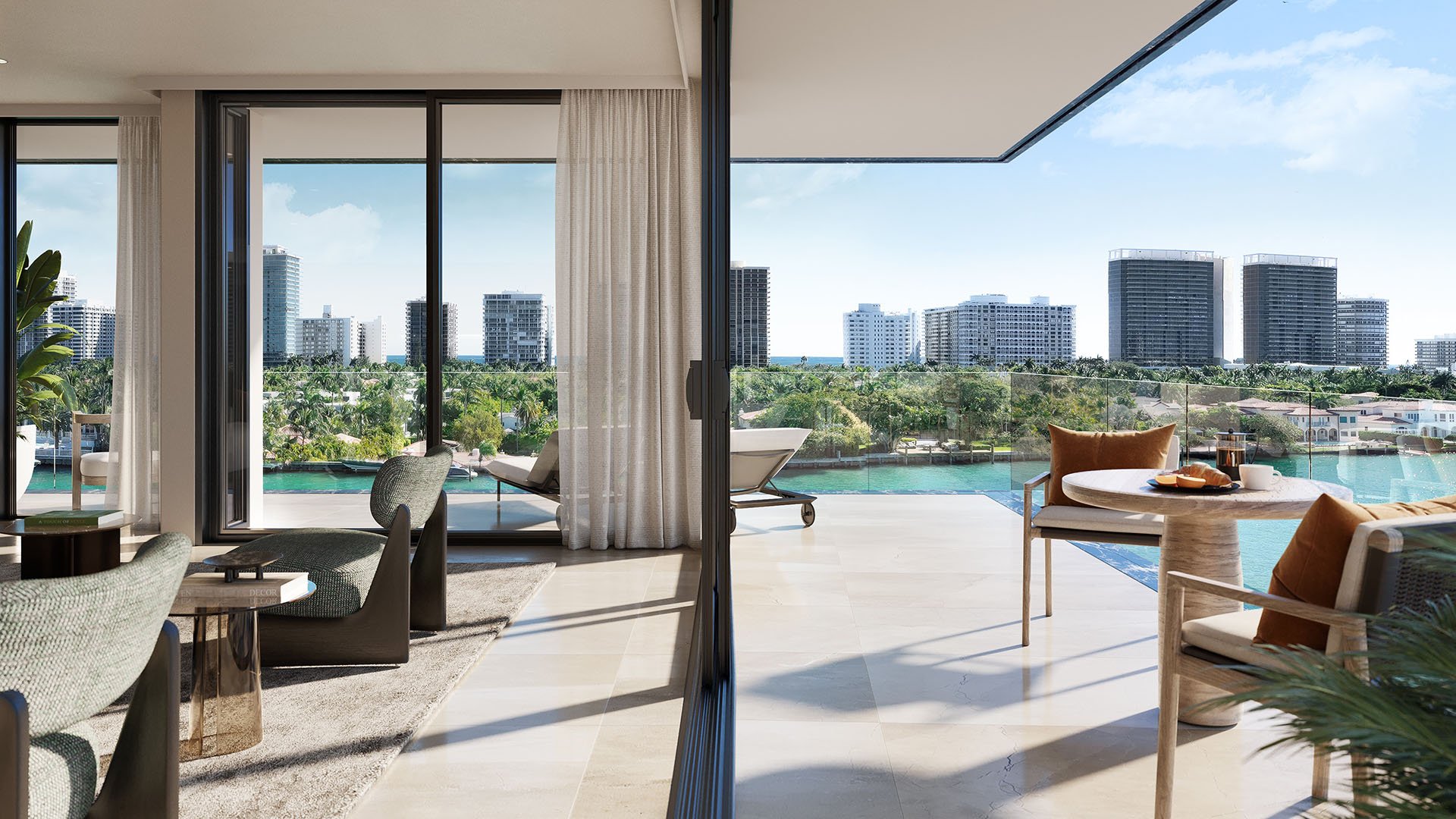
Assessing the Impact of Formula 1 and World Cup 2026 on Miami Real Estate Yields
Two global sports tentpoles can act less like one-time "events" and more like recurring demand engines, but only if an owner underwrites operations, seasonality, and regulation with discipline. For Miami, Formula 1 has already proven it can draw an ultra-affluent visitor profile; World Cup 2026 will add a second, broader surge with a different cadence and lodging pattern. For investors, the question is not whether demand appears, but where it concentrates, how long it lasts, and which product types can convert spikes into durable yield.

One Thousand Museum vs ORA by Casa Tua: Exoskeleton Engineering vs Short-Term Rental Flexibility
A buyer-oriented comparison of two very different luxury propositions: One Thousand Museum’s iconic engineering-led identity versus ORA by Casa Tua’s hospitality-forward, flexible-use positioning in Brickell.