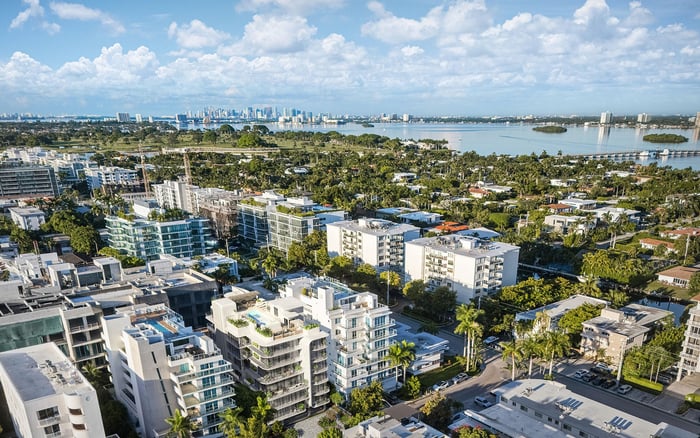
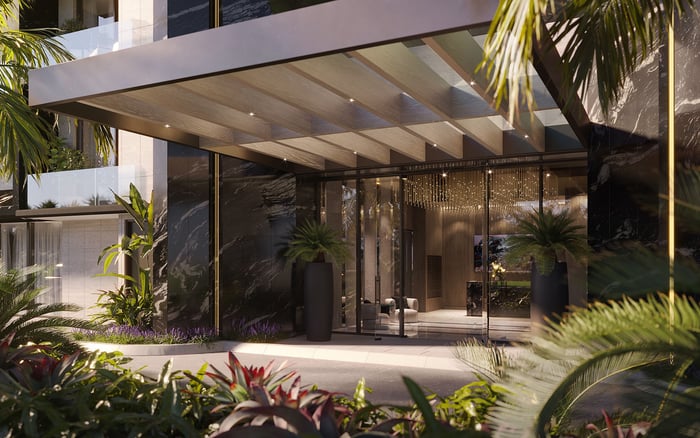
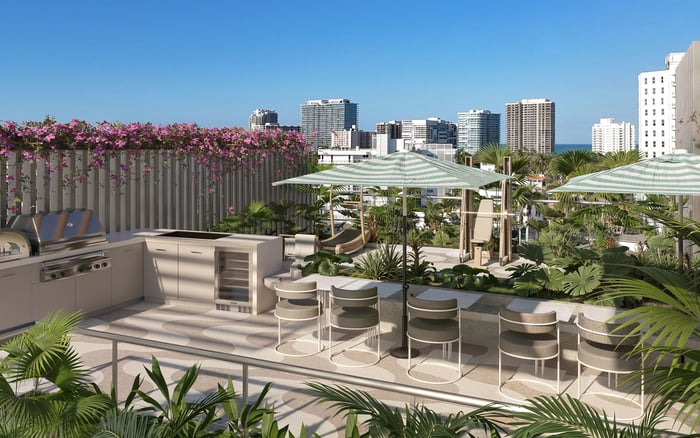
A discreet buyer’s guide to comparing Alana Bay Harbor Islands and Mila Bay Harbor Islands when verified project details remain too limited for a definitive side-by-side. The focus here is not on unsupported claims, but on how sophisticated purchasers should evaluate boutique ownership style, privacy, and bay access in Bay Harbor Islands until fuller public disclosures emerge.
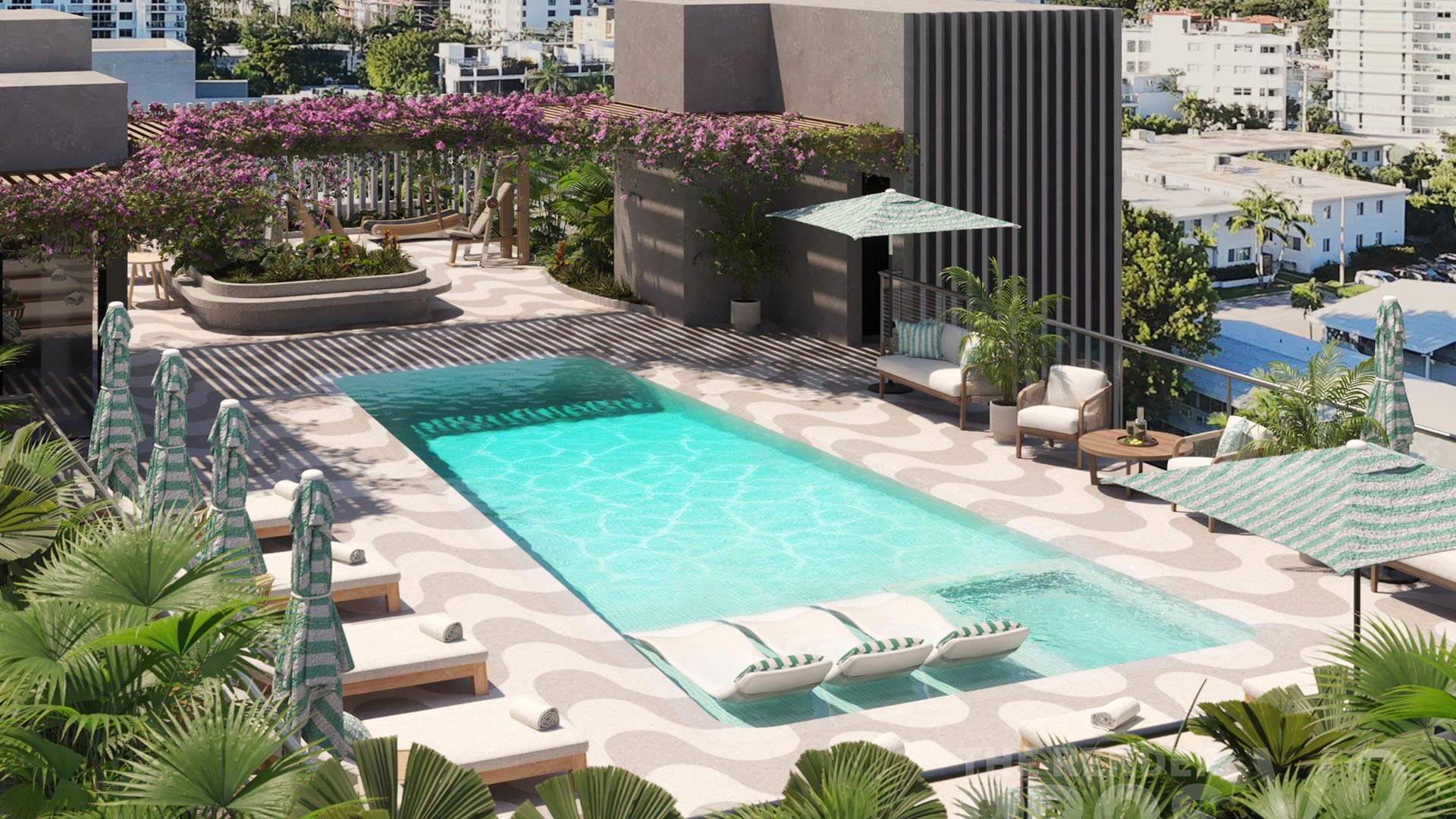
For a luxury buyer, the appeal of a Bay Harbor Islands address is easy to understand. The village’s scale, proximity to Bal Harbour and Surfside, and intimate residential character create a markedly different proposition from a tall-tower urban purchase in Brickell or Edgewater. In that context, a comparison between Alana Bay Harbor Islands and Mila Bay Harbor Islands is exactly the kind of discreet, high-value distinction a buyer would want to make.
At present, however, there is not a sufficiently verified factual basis for a definitive side-by-side on ownership style, privacy, bay access, amenities, pricing, or developer positioning. The project names may reflect very recent launches, working titles, lightly indexed branding, local shorthand, or concepts not yet fully clarified in public-facing materials. As a result, a polished narrative comparison would risk implying certainty where the market has not yet provided it.
For MILLION Luxury readers, the more useful editorial approach is to frame the decision the way an experienced buyer, family office, or advisor would: not by filling in blanks, but by isolating the factors that matter most once official disclosures are available.
In a place like Bay Harbor Islands, the term boutique is often used loosely. In practice, sophisticated ownership style is less about the romance of a small building and more about the legal and lived structure of residence. Buyers comparing two intimate projects should first determine whether the building reads as a primary-home address, a second-home pied-à-terre environment, or a more investment-oriented acquisition.
That distinction shapes everything from board culture to daily noise levels, staffing expectations, package handling, guest policies, and the rhythm of shared spaces. A building with a carefully limited residential count can feel exceptionally private, but only if circulation, service access, and house rules are designed with equal care. Boutique without discipline is simply smaller scale. Boutique with strong governance can become genuinely serene.
This is where nearby Bay Harbor precedents offer useful context. Buildings such as La Maré Bay Harbor Islands and Onda Bay Harbor help illustrate the broader neighborhood preference for lower-density waterfront or near-water living, where intimacy and design can take precedence over spectacle. They are not substitutes for Alana or Mila, but they do reflect the local buyer profile these names appear to target.
When affluent buyers say they want privacy, they are usually describing several distinct needs at once. The first is visual privacy: protected sight lines, limited direct exposure from neighboring buildings, and arrival sequences that do not make residents feel on display. The second is acoustic privacy: well-resolved unit separation, elevator logic, and insulation from garage or amenity noise. The third is social privacy: how often residents encounter guests, short-term users, delivery traffic, and service circulation in daily life.
Without verified project materials, there is no basis to say whether Alana Bay Harbor Islands and Mila Bay Harbor Islands has the stronger privacy profile. But the correct comparison framework is straightforward. Buyers should ask whether the project offers direct elevator entry, semi-private lift access, layered lobby design, screened terraces, controlled parking access, and clean back-of-house circulation. In the boutique segment, a single design decision can materially alter the ownership experience.
This is one reason Bay Harbor Islands continues to attract buyers who prefer quiet waterfront-adjacent living over more theatrical coastal formats. The local appeal aligns more closely with the discretion associated with Origin Bay Harbor Islands than with the higher-visibility social energy found in larger branded environments elsewhere in South Florida.
Among luxury buyers, bay access is one of the most misunderstood phrases in project marketing. It can suggest direct frontage, open-water views, canal adjacency, marina rights, private dockage, shared dockage, or simply close proximity to the water. Those are not interchangeable benefits.
For a serious comparison between Alana Bay Harbor Islands and Mila Bay Harbor Islands, the relevant questions are highly specific. Is either project directly on the bay or on an inland water edge? Is there deeded or assigned dockage? Are vessel size limits disclosed? Is access intended for occasional day boating or for owners who expect a true yachting lifestyle? Are kayak and paddleboard launches treated as lifestyle amenities, or is there genuine marine infrastructure?
Until those points are publicly clarified, no responsible editorial comparison should imply that one address delivers superior bay access to the other. In Bay Harbor Islands, even a short difference in frontage condition, bridge clearance, or dock arrangement can materially change the value equation. Nearby names such as Bay Harbor Towers can help frame what water-oriented living in the area may look like, but they do not establish facts for Alana or Mila.
In the absence of fully disclosed project data, the next step is not speculation. It is disciplined verification. Start with the exact official project name and legal entity attached to the property. Confirm the address, developer identity, architect, residence count, waterfront condition, and intended ownership program. Then request floor plans, condominium documents if available, site plans, parking and marina information, and any formal description of privacy or service features.
Once that package exists, the comparison becomes much sharper. A buyer can test whether the project is designed for lock-and-leave convenience, full-time family use, or highly occasional occupancy. One can also evaluate whether the residence mix favors larger floor plates and fewer neighbors, or a denser plan disguised by boutique branding.
This matters because Bay Harbor Islands is not competing on skyline drama. It is competing on restraint, comfort, and access to a quieter daily life. That sensibility also helps explain why wellness-oriented and design-forward addresses such as The Well Bay Harbor Islands resonate in the broader conversation around the enclave.
Even without confirmed project specifics, the title itself points toward three buyer priorities: ownership style, privacy, and bay access. That usually signals a purchaser who values calm over crowding, architectural discretion over social visibility, and practical waterfront adjacency over purely symbolic prestige.
For that buyer, the right question is not whether Alana Bay Harbor Islands or Mila Bay Harbor Islands sounds more exclusive. The better question is which, once fully documented, proves more coherent. In boutique real estate, coherence means the branding, floor plans, services, and waterfront claims all support the same way of living.
If one project ultimately reveals stronger arrival privacy, fewer shared touchpoints, and more authentic marine functionality, it may justify a premium even without the louder identity of a branded tower. If both remain lightly disclosed, then patience itself becomes a luxury advantage.
Can Alana Bay Harbor Islands and Mila Bay Harbor Islands be definitively compared today? Not yet in a fully verified way. Publicly clarified details remain too limited to support a firm side-by-side on ownership style, privacy, or bay access.
Why does boutique ownership style matter so much in Bay Harbor Islands? In a smaller residential setting, governance, circulation, and resident mix shape daily life as much as finishes or views. Boutique living works best when the operational details are equally refined.
Does boutique automatically mean more privacy? No. A smaller building can still feel exposed if arrival, elevator access, parking, and guest flow are not carefully planned.
What should buyers verify first about Alana Bay Harbor Islands? Confirm the official project name, address, developer, residence count, and legal ownership structure. Those basics establish whether the project can be meaningfully compared.
What should buyers verify first about Mila Bay Harbor Islands? The same essentials apply: official naming, exact location, developer identity, and formal project materials. Without them, lifestyle claims remain incomplete.
What does bay access really mean in this segment? It can mean anything from water views to real dockage and boating utility. Buyers should separate visual proximity from true marine access.
Are water views the same as waterfront value? Not necessarily. Waterfront value depends on frontage condition, access, orientation, and whether the water can actually be used in a meaningful way.
Is Bay Harbor Islands more discreet than larger coastal submarkets? Often yes in character, though each building must still be evaluated individually. The village generally appeals to buyers who prefer a quieter luxury expression.
Should a buyer wait for more disclosures before making a decision? In most cases, yes. Full project materials are essential when privacy, ownership structure, and water access are central to the purchase rationale.
What is the best way to shortlist comparable options for touring? Start with location fit, delivery status, and daily lifestyle priorities, then compare stacks and elevations to validate views and privacy.
For a confidential assessment and a building-by-building shortlist, connect with MILLION Luxury.
If branded residences are on your mind — as a home or as an allocation — we would be glad to share what we are seeing, privately.
Begin a quiet conversation