A discreet, owner-forward playbook for positioning Miami-area luxury residences for peak short-term rental performance during the FIFA World Cup window, without sacrificing brand, compliance, or asset preservation.
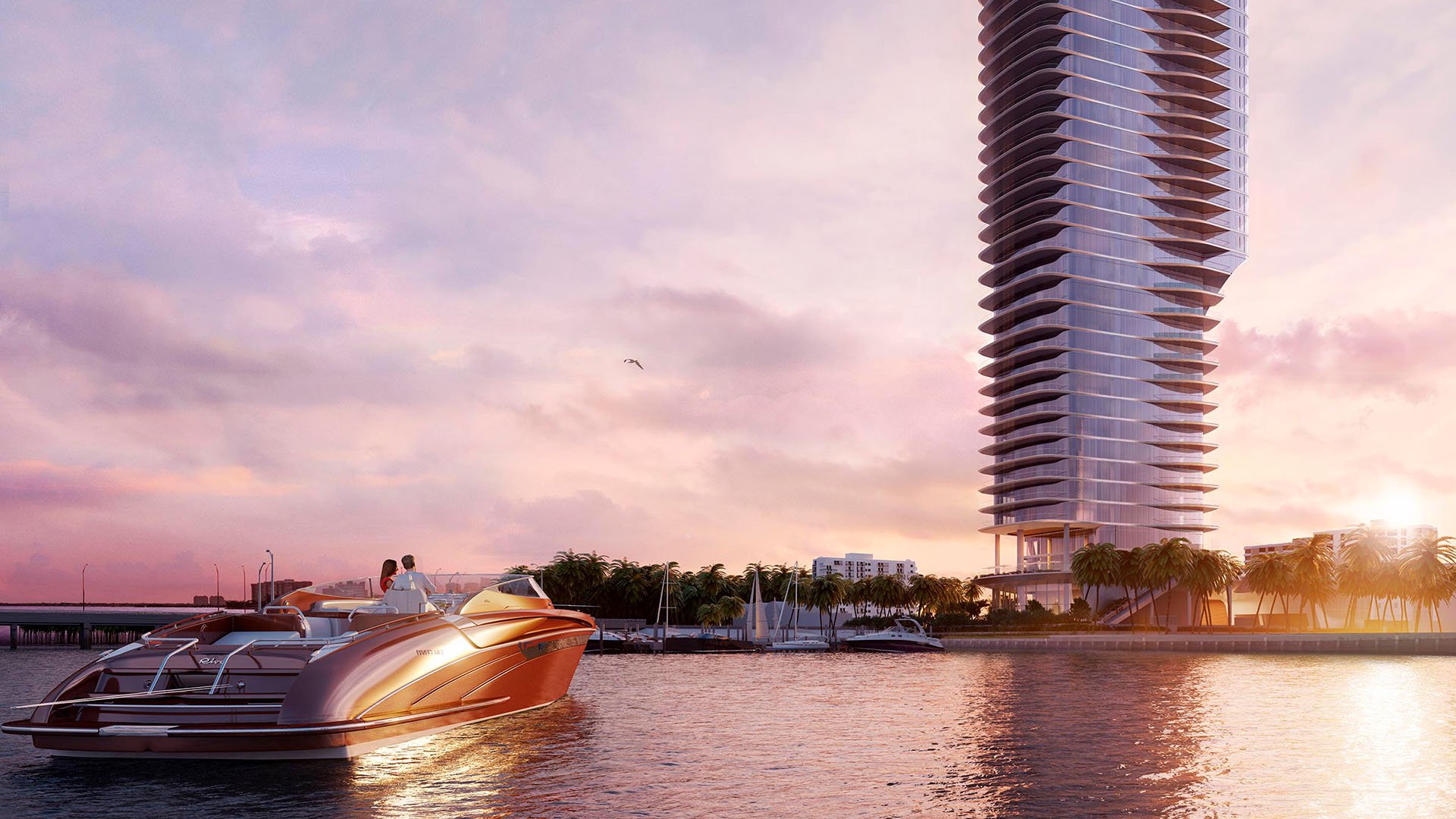
During a global tournament, Miami behaves less like a leisure market and more like a high-intensity, appointment-driven city. Guests arrive with fixed match dates, tight windows, and a strong preference for reliability. That shift changes what “maximizing yield” actually requires.
For owners and investors, the objective isn’t simply raising nightly rates. It’s converting scarcity into revenue while maintaining control over wear, neighbor relations, and compliance. The best-performing homes feel effortless for guests and low-friction for owners: predictable check-in, professional housekeeping, unambiguous house rules, and a location narrative that matches why the guest chose Miami.
In World Cup demand, small failures become expensive quickly. A delayed key handoff or inconsistent Wi‑Fi can turn a premium stay into a refund negotiation. Yield is secured through operational excellence as much as pricing.
World Cup travelers are often buying certainty. That creates pricing power-but only when rates and rules are built with discipline.
Start by separating three elements:
Peak nights (match nights, opening weekend, final-weekend spillover): set a firm floor you will not cross.
Shoulder nights: price to keep stays contiguous and reduce gaps.
Dead-gap risk: design rules that prevent single-night holes on either side of peak demand.
A luxury approach is to anchor with a minimum stay that protects the calendar. In practice, a 4-7 night minimum across the highest-demand window can outperform “take anything” policies because it reduces turnover and concentrates revenue into fewer, cleaner bookings.
Then, monetize preferences instead of underpricing uncertainty. Common premium levers include:
Arrival flexibility: a paid early check-in or late check-out when staffing allows.
Housekeeping cadence: a mid-stay refresh that reads as hotel-grade.
Transportation coordination: not a promise of service, but a concierge-style handoff.
The guest’s mindset is straightforward: if the home is premium, the experience should be premium. Pricing that includes professional standards communicates confidence, not opportunism.
World Cup guests are not a single audience. Your property’s location and building character should determine which traveler you pursue.
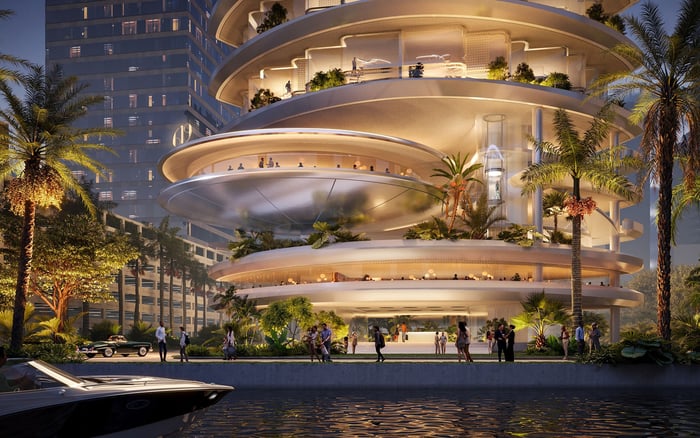
Brickell performs when guests want proximity to business dining, waterfront walks, and a polished urban rhythm. These stays tend to prioritize skyline views, building amenities, and clean logistics. A residence positioned like 2200 Brickell fits the brief for guests who want Miami to feel modern, walkable, and curated.
Operationally, Brickell stays often benefit from strict building protocols and professional guest screening-supporting both security and neighbor harmony.
Miami Beach suits guests who want the story as much as the match: sand, wellness mornings, and the feeling of arriving somewhere globally recognized. If your offering leans oceanfront, a project like 57 Ocean Miami Beach aligns with a guest who equates value with beach adjacency, privacy, and calm finishes.
The yield advantage here is psychological. Guests pay for the address narrative, and they still expect quiet, immaculate interiors and a no-drama check-in.
Not every high-paying guest wants the center of gravity. Some want serenity and a more residential tempo without giving up access. A wellness-forward option such as The Well Bay Harbor Islands can speak to guests who prioritize sleep quality, clean design, and a lower-decibel environment.
These bookings often reward owners who set expectations clearly-rules, sound standards, and white-glove upkeep.
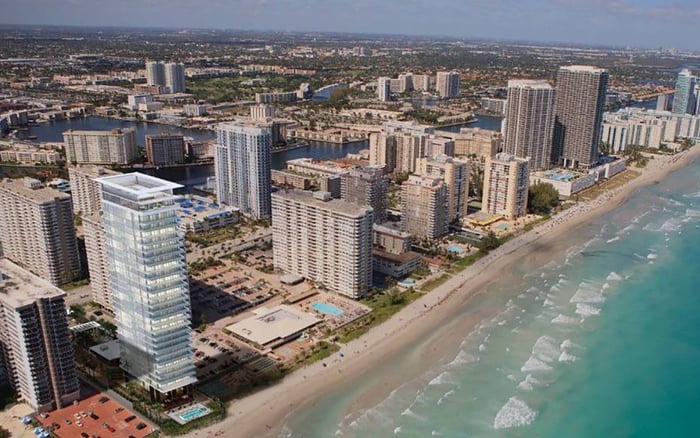
For certain groups, more square footage and resort adjacency matter more than being in the densest districts. A coastal property like 2000 Ocean Hallandale Beach can suit longer stays with families or multi-couple travel, where beach time and privacy are part of the schedule.
The yield play with this profile is to sell livability: storage, laundry convenience, and a layout that can handle real use without feeling fragile.
In a compressed demand window, risk rises with volume. Protecting yield means reducing damage, parties, and disputes.
Three owner-forward controls consistently perform:
Minimum stay rules that reduce turnover. Fewer check-ins mean fewer opportunities for misuse and fewer operational failures.
Meaningful security deposits and clear damage standards. Luxury guests are typically comfortable with professional policies when they’re communicated cleanly.
Guest screening that aligns with building culture. In high-end towers, it’s not just about the guest-it’s about fit: noise tolerance, visitor policies, and respect for staff.
A simple principle holds: the more premium the nightly rate, the more your policies should read like a private club-not a casual rental.
Luxury short-term rentals compete against hotels by offering space and privacy. They win by matching hotel precision.
Focus on what guests experience in the first 10 minutes:
Entry ritual: lighting on, temperature set, fresh scent, clear welcome instructions.
Sleep experience: blackout capability, quiet HVAC, premium linens, spare pillows.
Water pressure and towels: small details that drive reviews.
Connectivity: fast, stable Wi‑Fi with a backup plan, clearly labeled.
Kitchen truth: either stock it like a real cook lives there or keep it minimal and honest. Half-stocked kitchens read as neglect.
Staffing is decisive. A reliable cleaner with a luxury standard is more valuable than a cheaper team that misses details. During event weeks, schedule proactively and assume service availability will tighten.
Maximizing yield is often a language exercise. The listing that wins isn’t the one with the most adjectives-it’s the one with the clearest promise.
High-converting frames for World Cup travelers include:
“Privacy-first”: controlled access, quiet hours, neighbor-respectful policies.
“Wellness morning, stadium evening”: gym, pool, walkable routines.
“Host-ready”: dining for a group, open living area, bar setup, with explicit party restrictions.
“Work-capable”: desk setup, strong Wi‑Fi, good lighting for calls.
If your building is amenity-rich, choose two or three that match your guest profile and go deep. Luxury guests respond to confident specificity.
World Cup bookings can be lucrative, but a single rule violation can trigger forced cancellations, fines, or a building-level restriction that affects future use.
A disciplined owner treats compliance as income protection:
Confirm allowed lease terms and any registration requirements.
Align house rules with building expectations: noise, guests, parking, deliveries.
Make check-in logistics compatible with security protocols.
Even when a property is permitted for shorter stays, luxury-building reality favors fewer, better bookings rather than constant churn.
The most sophisticated owners use the World Cup as an acquisition moment for future high-season bookings. That doesn’t require aggressive marketing. It requires a stay that feels seamless.
Two tactics that preserve discretion:
Post-stay outreach that feels like hospitality, not sales: a brief note, a request for private feedback, and an invitation to return.
A property “standard” document: what you guarantee every time. Consistency is the real luxury.
When a home reads as professionally managed and calm, it becomes a default choice for subsequent events, winters, and last-minute getaways.
Net yield is what remains after costs that spike during event weeks: higher cleaning demand, faster replenishment, occasional repairs, and the management time required to keep quality consistent.
A practical framework is deciding in advance what you’re optimizing:
Max nightly rate (highest risk, highest touch)
Max net with fewer turns (often best for luxury condos)
Max asset preservation (best for pristine residences and design-forward interiors)
For many South Florida luxury owners, the sweet spot is the middle: premium pricing, professional standards, and calendar controls that keep the property feeling like a residence-not a revolving door.
How far in advance should I open my calendar for World Cup weeks? Open it early enough to capture planners, while keeping a pricing floor for late demand.
Should I accept one- and two-night bookings during peak match dates? Typically no, unless your building and operations can handle high turnover flawlessly.
What matters more for rate: views or proximity? Proximity sells certainty; views sell emotion. The strongest listings present both cleanly.
Do luxury guests expect daily housekeeping? Not always, but they do expect hotel-level cleanliness and an on-call solution.
How do I reduce party risk without scaring off premium renters? Use clear, professional house rules and screening that feels like a private-club policy.
Is it better to include fees in the nightly rate or itemize them? All-in pricing often converts better at the top end, as long as terms are clear.
What is the smartest minimum-stay rule for event weeks? A 4-7 night minimum around peak dates often protects revenue and reduces gaps.
How should I handle early check-in requests? Offer it as a paid upgrade only when cleaning and security protocols allow.
What upgrades have the highest impact on luxury reviews? Sleep quality, towels, water pressure, Wi‑Fi stability, and a seamless arrival.
Can a World Cup guest become a repeat client? Yes, if the stay feels effortless and consistent, with discreet post-stay follow-up.
When you're ready to tour or underwrite the options, connect with MILLION Luxury.
If branded residences are on your mind — as a home or as an allocation — we would be glad to share what we are seeing, privately.
Begin a quiet conversation