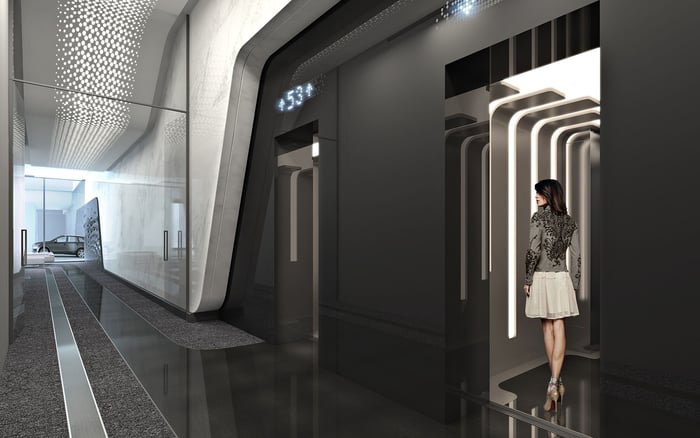
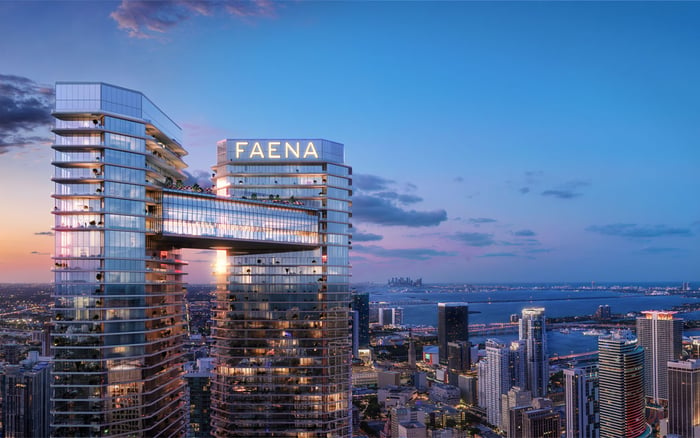
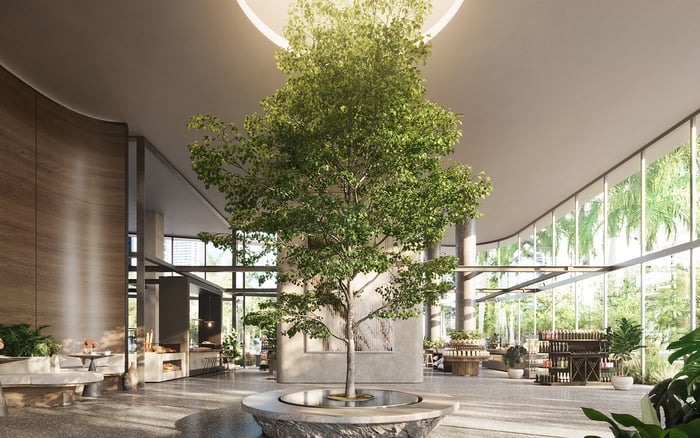
A buyer-oriented comparison of two very different luxury propositions: One Thousand Museum’s iconic engineering-led identity versus ORA by Casa Tua’s hospitality-forward, flexible-use positioning in Brickell.
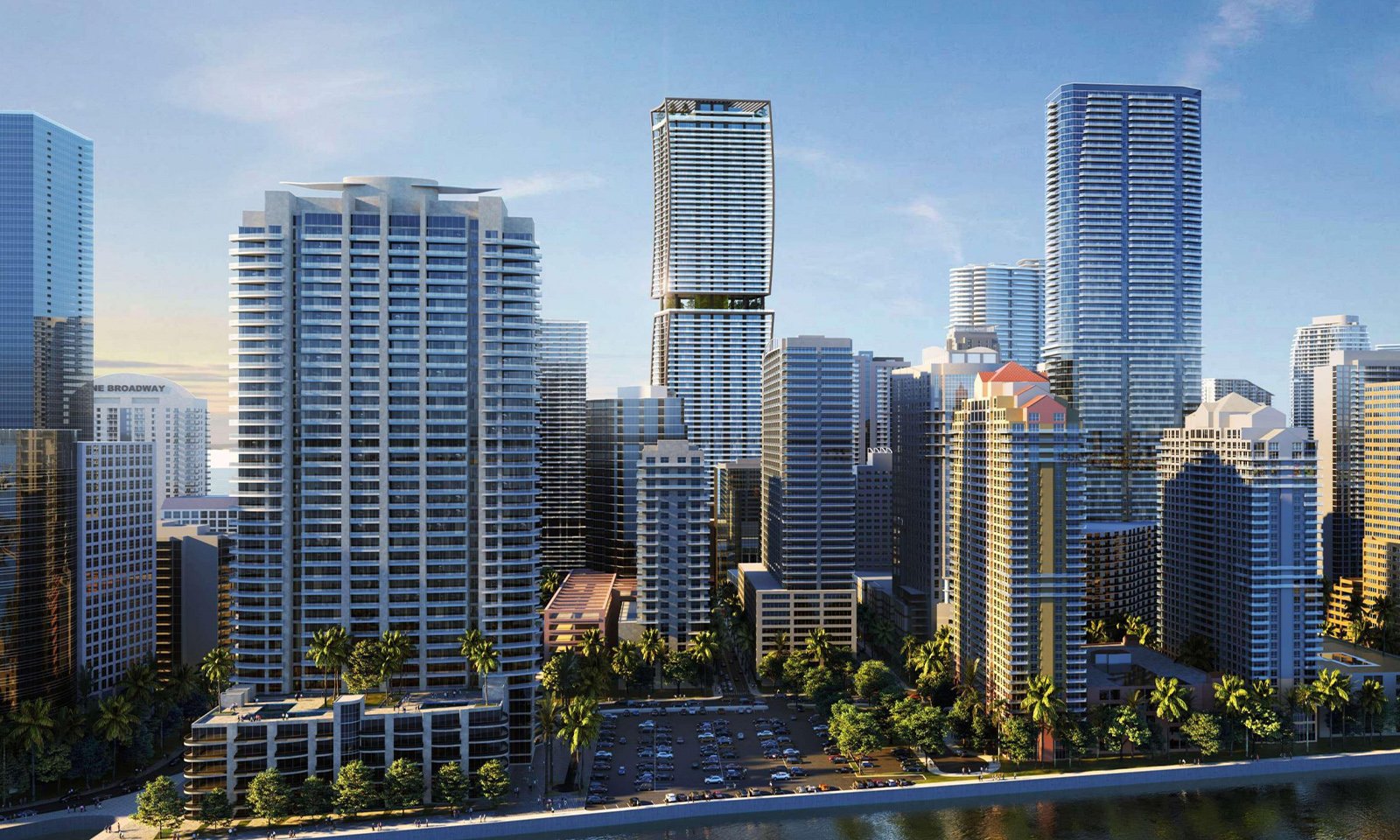
Miami luxury has matured into two distinct buyer mindsets. One is the connoisseur’s play: an address whose value is tied to singular architecture, structural bravura, and an aura of scarcity. The other is a modern, hospitality-informed proposition: a home designed to be used fluidly, activated socially, and potentially monetized with fewer constraints.
That is the clearest way to frame One Thousand Museum Downtown Miami versus ORA by Casa Tua Brickell. The former is recognized for an engineering-forward identity and a silhouette that reads instantly on the skyline. The latter is positioned for an owner who wants optionality: personal use that can pivot into short stays, a turnkey sensibility, and a day-to-night lifestyle narrative.
Neither is “better.” They are optimized for different definitions of luxury: one anchored in permanence and architectural authorship, the other in flexibility and ease.
One Thousand Museum is purchased the way collectors buy sculpture. The conversation starts with form and structure, then moves to privacy, view corridors, and the intangible status of owning a residence that is difficult to replicate.
In a market where many towers can blur together at a distance, an exoskeleton-forward design language signals a building conceived as an object, not just a stack of floors. That distinction matters to a buyer who values long-term uniqueness. Even as interiors evolve over time, a building’s external identity often does the heavy lifting in sustaining perceived rarity.
For South Florida’s ultra-premium audience, this typically translates into a distinct ownership posture:
A preference for controlled residential character over constant turnover.
A willingness to accept stricter use policies if they support privacy and stewardship.
An eye for “architectural defensibility,” meaning the property remains singular even as the neighborhood densifies.
This is why comparisons within the downtown and Brickell orbit often include other design-led, statement towers. If your priority is a clean, modern residential experience with a strong sense of place in Brickell, 2200 Brickell is another project frequently considered in the broader conversation-especially for buyers who want new-construction polish without losing residential intent.
ORA by Casa Tua is best understood as a lifestyle platform: a residential concept that leans into hospitality cues and a more fluid relationship between “home” and “city.” For certain buyers, flexibility isn’t a compromise-it’s the point.
In practical terms, that buyer may be:
A frequent traveler who wants a turnkey base in Brickell.
A second-home owner who values the ability to host friends, family, or stays that vary in length.
An investment-minded owner who wants the building’s rules to accommodate short-term rentals in a way many traditional condominium communities do not.
This isn’t simply a question of revenue. It’s a question of friction. If you want to arrive, live well for a few weeks, and then leave the home within a managed ecosystem, a flexible-use building aligns with modern patterns of mobility.
The nuance-especially for ultra-premium buyers-is separating “flexible” from “transient.” The strongest flexible-use properties still protect the resident experience: circulation, staffing, security protocols, and clear rules around behavior and quiet enjoyment. When those elements are executed well, flexibility can read as elevated rather than chaotic.
These two addresses also map onto slightly different versions of Miami’s urban core.
Downtown ownership tends to feel civic-facing and skyline-oriented. It suits buyers who like the energy of arts, events, and the sense of being in the metropolitan center-paired with dramatic views and a more sculptural relationship to the city.
Brickell ownership is more day-to-day. It’s walkability, restaurants, fitness, and the cadence of a true financial district that now behaves like a residential neighborhood. For many, Brickell is the easiest place in Miami to keep a car parked and still live efficiently.
If you are cross-shopping within Brickell for a similarly high-design, brand-forward experience, 888 Brickell by Dolce & Gabbana often enters the discussion as a different flavor of luxury: more overtly fashion-coded, with a strong identity and an emphasis on curated lifestyle.
The point isn’t to broaden your search endlessly. It’s to calibrate what you mean by “convenience.” Convenience can mean elevator-to-car efficiency and privacy. Or it can mean hotel-like services and the ability to use the home in shorter bursts.
Every luxury building has a social contract, written and unwritten. That contract determines how the lobby feels, how quiet the hallways stay, and whether neighbors recognize one another.
One Thousand Museum, by brand and positioning, attracts owners who typically want stability. That stability can support a “quiet luxury” environment where common areas feel consistent and the rhythm of arrivals remains predictable.
ORA by Casa Tua is oriented toward a more activated environment. In flexible-use settings, you should expect more frequent arrivals and departures. The upside is energy and programmability. The risk is that, without strict management, turnover can erode the sense of home.
For buyers who are sensitive to this, diligence shifts. You’re not only evaluating finishes and views-you’re evaluating governance: rules, enforcement, staffing, and the building’s ability to protect the resident experience even when units are used more dynamically.
When luxury cycles, two factors tend to hold value: unmistakable identity and consistent usability.
One Thousand Museum leans heavily into identity. Its value proposition is tied to a building-level narrative that is hard to duplicate. That can be an advantage in resale because the “why this building” story stays legible even as new inventory arrives nearby.
ORA by Casa Tua leans into usability. When the use-case is broad, the buyer pool can expand-particularly among international owners and second-home residents who want flexibility. The flip side is that resale narratives require discipline: premium positioning is easiest to sustain when flexible use still feels curated.
For buyers comparing the broader ecosystem of Miami’s high-rise luxury, it can help to sanity-check what you’re optimizing for. If your priority is simply “urban Miami, but with a more established, service-rich residential culture,” Aston Martin Residences Downtown Miami is a useful reference point: another downtown landmark that illustrates how branded identity and lifestyle amenities can coexist.
Because the Fact Table is not specifying exact policies, pricing, or unit metrics here, the most responsible comparison is behavioral. The right choice usually reveals itself when you answer four questions with precision.
What does “luxury” mean in your calendar? If you live in Miami for extended stretches, privacy and continuity may outrank flexibility. If you visit in shorter chapters, frictionless use can be the higher luxury.
How do you want the building to feel on a Tuesday? The day-to-day experience is the truth. Some buyers want a low-variance environment. Others want a social hum.
Is your horizon 3 years or 30? Architectural icons tend to reward long holding periods because the building’s narrative compounds. Flexible-use propositions can reward owners who value optionality as personal circumstances change.
What is your tolerance for rules? Owners who dislike restrictions shouldn’t buy into a governance culture that will constantly feel adversarial. Conversely, owners who value discretion shouldn’t buy into a building where turnover is the norm.
In practice, buyers who choose One Thousand Museum tend to be buying a trophy. Buyers who choose ORA by Casa Tua tend to be buying a lifestyle instrument.
If your objective is to own an architectural statement that reads as engineered permanence, One Thousand Museum is the clearer expression of that ambition. It’s for the buyer who wants a skyline-level identity and the quieter confidence of scarcity.
If your objective is to live in Brickell with the ability to pivot between personal use and short-term rentals, ORA by Casa Tua aligns with modern mobility. It’s for the buyer who wants luxury to behave more like a service: easy to enter, easy to exit, and curated in the moments you’re in town.
Miami is one of the few markets where both philosophies can be “correct” at the top end. The optimal choice is the one that matches how you actually live.
Is One Thousand Museum primarily a trophy-asset purchase? It often appeals to buyers prioritizing architectural distinction and long-horizon ownership.
Is ORA by Casa Tua designed for flexibility? Yes, it is positioned around a more flexible-use lifestyle compared with traditional condos.
Which is better for full-time living? Full-time buyers often favor stability and privacy, while flexible-use buyers value ease.
Do short-term rentals change the building experience? They can increase turnover, so management and enforcement become more important.
What should I underwrite beyond the unit itself? Focus on governance, staffing, security protocols, and how rules are enforced day to day.
Does architectural uniqueness matter in resale? Distinct skyline identity can support a strong narrative when competing inventory grows.
Is Brickell a better base than Downtown for many owners? Brickell tends to be more walkable and daily-life oriented for dining, fitness, and work.
How do branded projects like 888 Brickell fit into this comparison? They offer another identity-driven option in Brickell, but with a different lifestyle tone.
Should I prioritize privacy or liquidity? Privacy-leaning buildings can feel calmer, while flexible-use can broaden the buyer pool.
What is the simplest way to decide between these two? Choose One Thousand Museum for engineered icon status, ORA for flexible, service-like use.
When you're ready to tour or underwrite the options, connect with MILLION Luxury.
If branded residences are on your mind — as a home or as an allocation — we would be glad to share what we are seeing, privately.
Begin a quiet conversation